
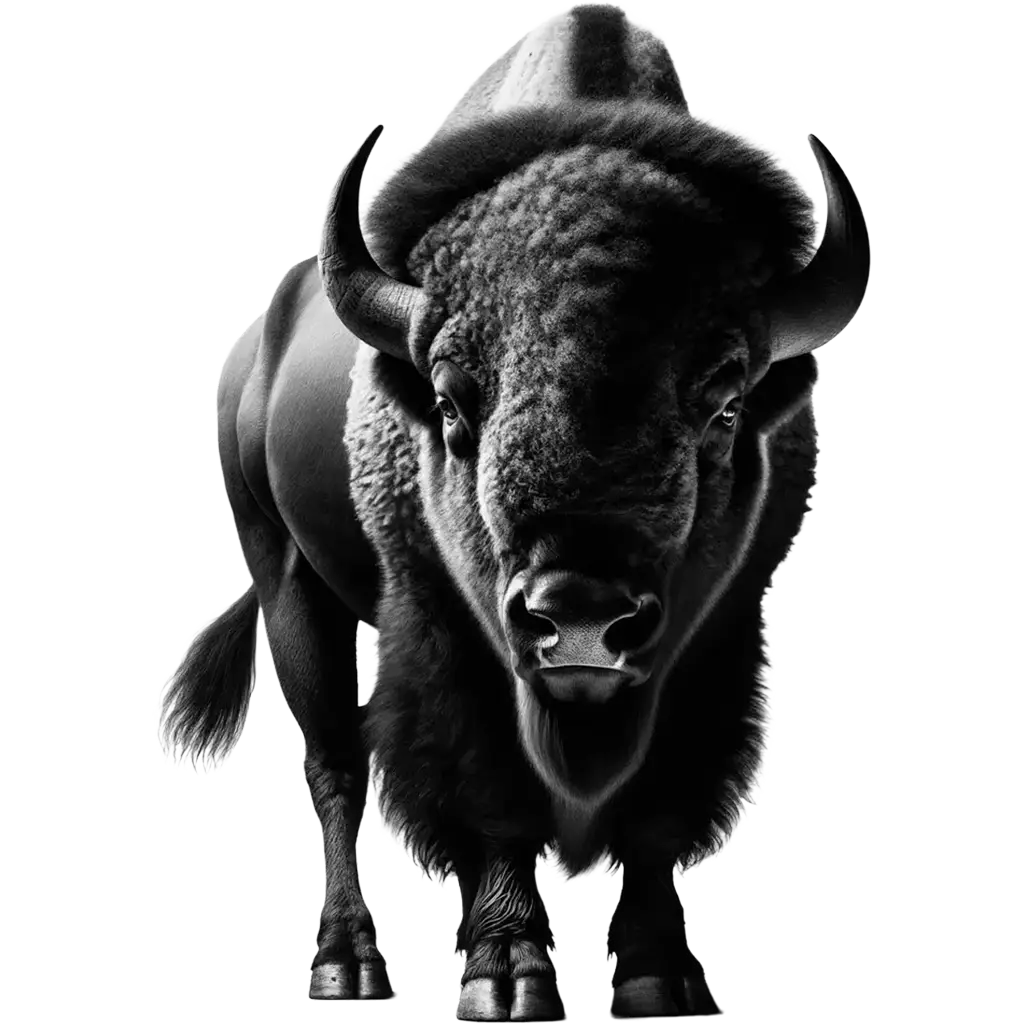
Bison Bison
American Bison
Grasslands, prairies, and open forests
The American Bison, bison bison, is a majestic symbol of the North American plains, standing up to 2 meters tall at the shoulder and weighing over a ton. These massive animals are characterized by their long, shaggy brown coats, massive heads, and distinctive hump over their shoulders, designed to help them plow through snow in search of food. Males, known as bulls, are typically larger than females, with both sexes sporting short, curved horns used for defense and combat. The bison's imposing presence is a reminder of the vast herds that once roamed the grasslands of North America.
| Population: | Over 500,000 |
| Generation Length: | 6-8 years |
| Average Weight: | Male: up to 1,000 kg, Female: 400-500 kg |
| Average Length: | 2.1-3.5 m (head and body length) |
| Lifespan: | 20-25 years |
| Diet: | Grasses and sedges |
| Conservation Status: | Near Threatened (NT) |
Bison are social animals, living in groups called herds, which historically numbered in the thousands, creating one of the most breathtaking wildlife spectacles on the continent. Today, they primarily inhabit national parks and reserves, where they play a critical role in the ecosystem by grazing, which helps maintain the health and diversity of the grasslands. They have a complex social structure that includes the formation of nursery and bachelor herds, seasonal migrations, and fierce competitions among males for mating rights during the rutting season in late summer.
The diet of the American Bison consists mainly of grasses, herbs, and shrubs. Their grazing habits are essential for their survival, especially during winter when they use their powerful neck muscles and heads to move snow aside to reach vegetation. This foraging behavior not only sustains the bison but also influences the composition of the grasslands, promoting a mosaic of plant life that supports a diverse range of wildlife species.
Mating season, or the rut, occurs from July through August. During this time, males engage in dramatic displays of strength and dominance, including bellowing, head-butting, and rolling in dust or mud to attract females. Females give birth to a single calf in the spring after a gestation period of about 9 months. These calves, born with reddish-brown fur, are able to stand and walk within hours of birth, quickly becoming an integral part of the herd.
The population of the American Bison, once on the brink of extinction due to overhunting and habitat loss in the 19th century, has made a remarkable recovery through conservation efforts. From a few hundred individuals, their numbers have increased to over 500,000, with the majority living on private ranches and a significant number residing in protected areas. Despite this success, challenges remain, including habitat fragmentation, disease transmission from livestock, and genetic purity concerns. Conservation initiatives continue to focus on habitat restoration, sustainable management, and the reestablishment of bison in their native grasslands to ensure their long-term survival and ecological role.
Classifications
The Key Attributes
Features
- Movement:
Quadrupedal
- Territorial Behavior:
Social, forming large herds, though males may be more solitary or form smaller groups outside of the mating season
- Speed:
Can run up to 65 km/h (40 mph) for short distances
- Diet:
Herbivore
- Physical Features:
- Massive head and shoulders with a distinctive hump
- Thick, shaggy brown fur
- Short, curved horns used for fighting and defense
- Large body size, one of the largest terrestrial animals in North America
- Primary Senses:
- Sight
- Hearing
- Smell
Understanding Habitat and Range
Geography
- Habitat:
Grasslands, prairies, and open forests
- Migration Patterns:
Migratory, moving to different areas within their habitat based on the seasons and food availability
- Geographical Range:
Primarily found in the United States, Canada, and Mexico, with the largest populations in national parks and reserves
- Climate Preferences:
Adaptable to a range of climates, from hot summers to cold, snowy winters
Navigating the Wilderness
In the wild
- Predators:
Wolves and grizzly bears can prey on calves or weakened adults
- Prey:
Does not apply
- Feeding Behavior:
Grazing, primarily feeding on grasses and sedges
- Diet:
Grasses and sedges
- Defensive Mechanisms:
- Forming protective circles around calves
- Using their size and strength to fend off predators
- Running at high speeds to escape threats
- Preferred Food Sources:
- A variety of grasses and plants native to their grassland habitat
Insights Into Reproduction
Mating
- Mating System:
Polygynous
- Number of Offspring:
Usually 1 calf
- Gestation Period:
9 months
- Parental Involvement:
- Mothers care for their calves for the first year of life, teaching them to graze and protecting them from predators
- Males do not participate in rearing the offspring
Youngsters Section
American Bison
Fun Fact
The American Bison is the largest land mammal in North America, often weighing over 2,000 pounds.
These majestic creatures can run at speeds up to 35 miles per hour, despite their massive size. Bison have a unique hump on their backs, which is a powerful muscle that supports their large heads in plowing through snow. Historically, they played a crucial role in the lives of Native American tribes, providing food, clothing, and tools.

Download word search puzzles
Word Search Puzzles

Check Out Other Mammals
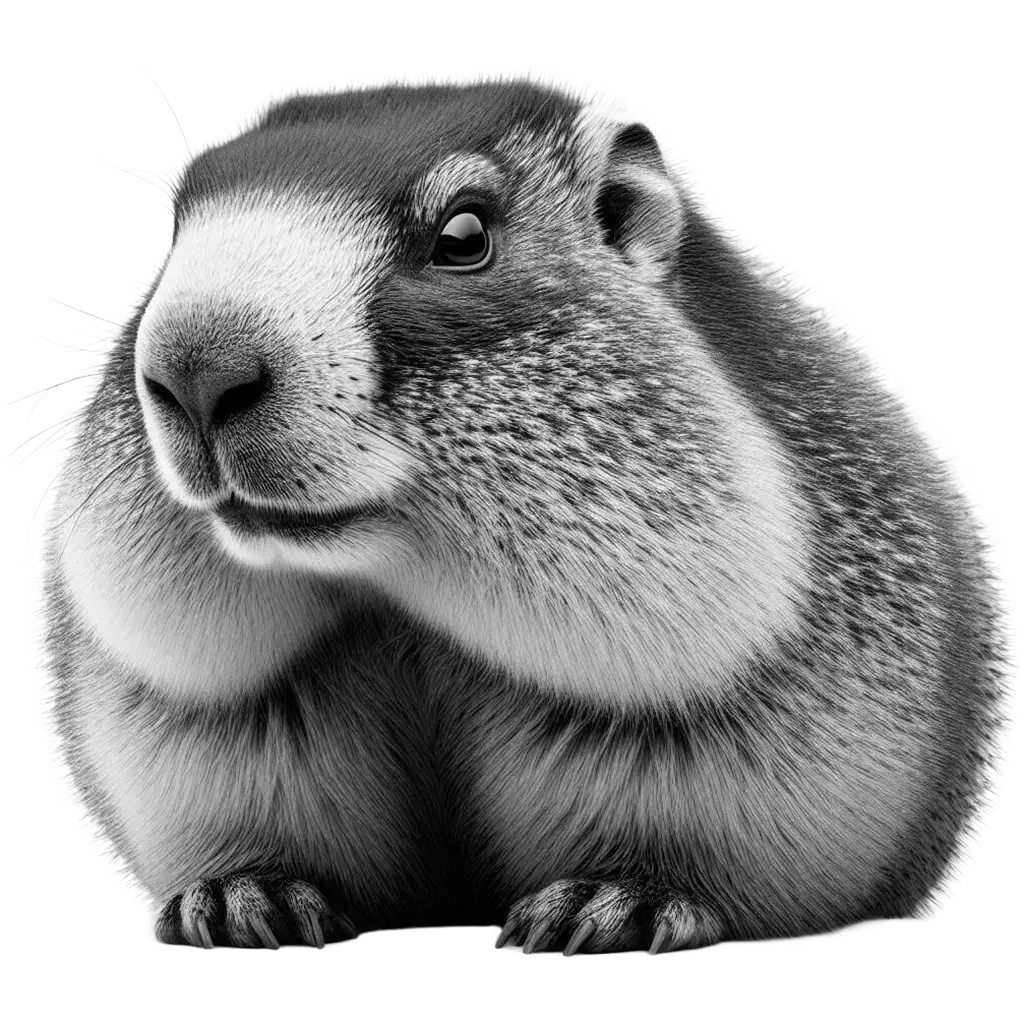
The Gray Marmot, marmota baibacina, also known as the Altai or Baikal Marmot, is a large rodent found in the mountainous regions of Central Asia, particularly in the Altai, Tien Shan, and Pamir Mountains. This species is characterized by its robust body, short limbs, and a bushy tail, with adult

The Gaur is a magnificent, massive bovine with a powerful, muscular body and a distinctive hump on its shoulders. It has a shaggy dark coat that blends with the forest shadows and prominent, curved horns that add to its imposing presence. Its broad head, deep-set eyes, and strong jawline emphasize
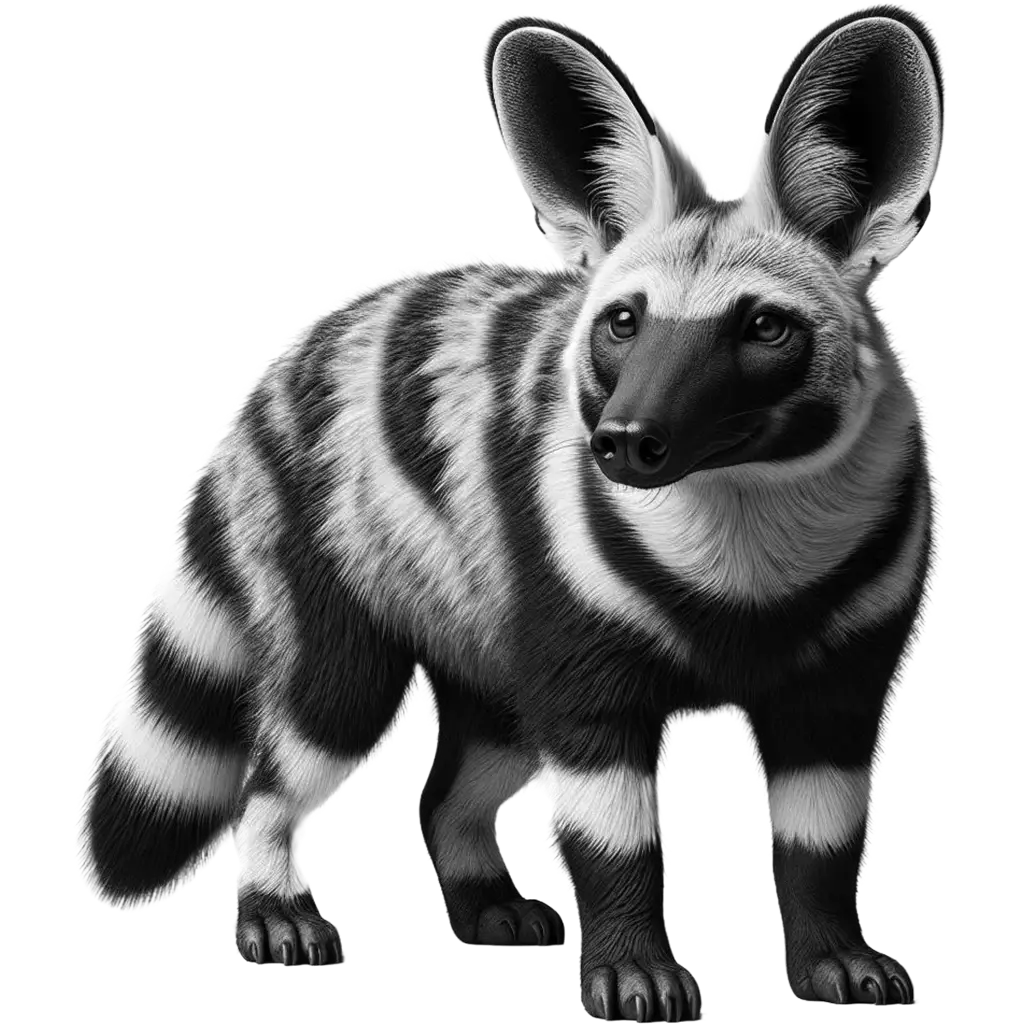
The Aardwolf, proteles cristatus, is a small, insectivorous mammal, distinct from its larger carnivorous relatives in the Hyaenidae family, such as hyenas. With a shoulder height of about 40 to 50 cm and weighing between 8 to 14 kg, the Aardwolf possesses a slender frame, covered in a coarse yellow-brown
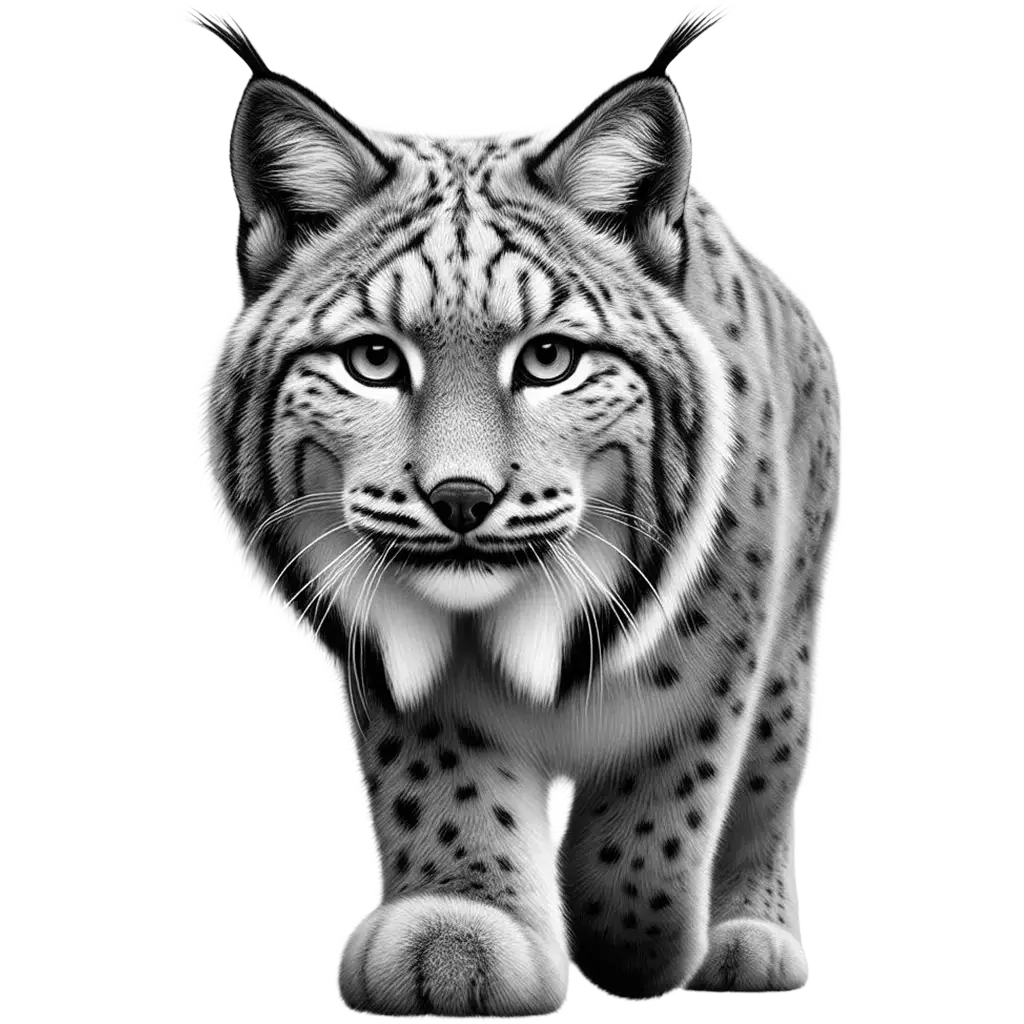
The Canada lynx, lynx canadensis, is a medium-sized wildcat native to North America, primarily found in the boreal forests of Canada and Alaska, with smaller populations extending into the northern United States. Characterized by its thick fur, prominent ear tufts, and large, padded paws that act as natural snowshoes, the