
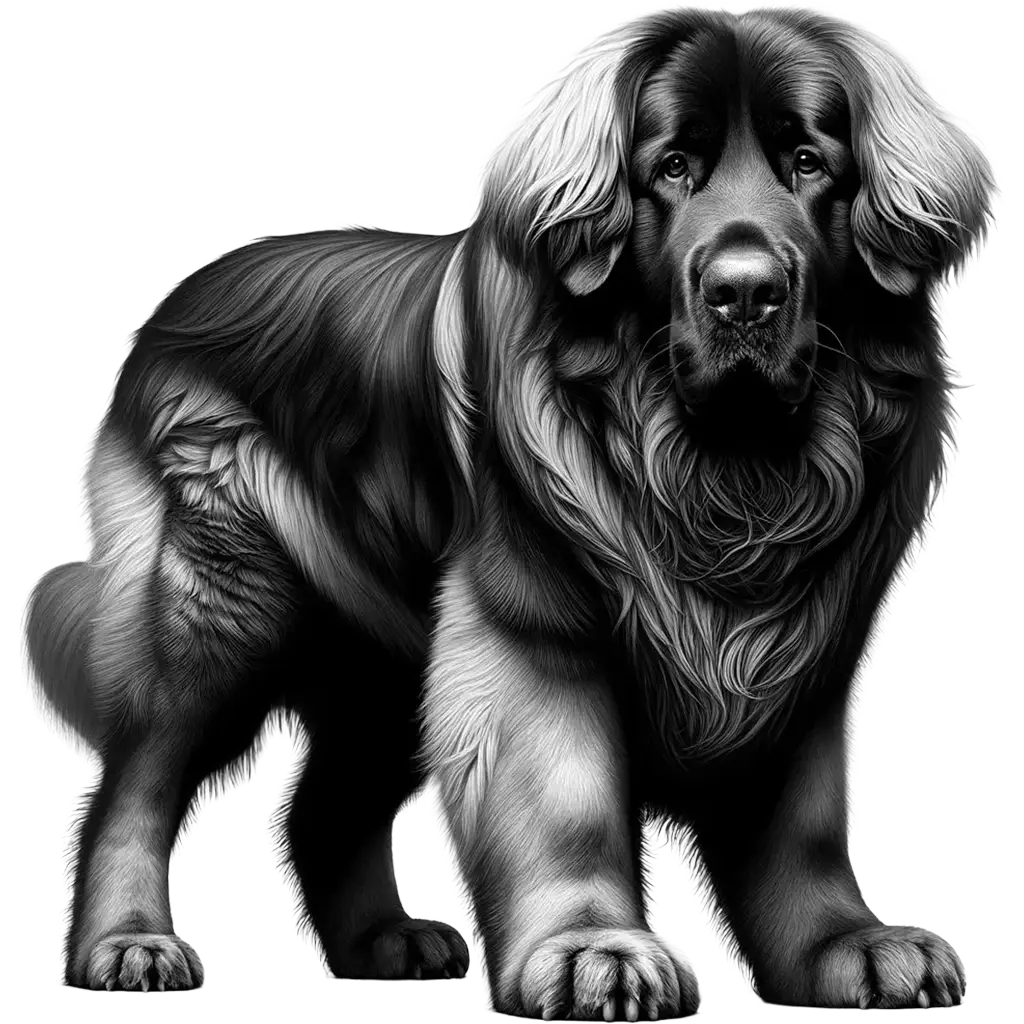
Canis Lupus
Leonberger
Domestic environments; adaptable to both city and country living
The Leonberger, a giant breed of dog, combines the muscular build of a mountain dog with the elegance of a lion, to which its name alludes. Originating from Leonberg, Germany, in the 19th century, it was bred to resemble the lion on the town's crest. Adult Leonbergers can stand 65 to 80 cm (25.5 to 31.5 inches) at the shoulder and weigh between 48 to 75 kg (105 to 165 pounds), with males generally larger than females. Their luxurious double coat, which comes in shades of lion-yellow, red, sand, and brown, often with a black mask, requires regular grooming to maintain its majestic appearance.
| Population: | Not listed as endangered; popular within its niche but requires responsible breeding to maintain health and temperament |
| Generation Length: | 3-4 years |
| Average Weight: | 48-75 kg, with males generally heavier than females |
| Average Length: | Height at the withers is more relevant in dogs: Males 72-80 cm, Females 65-75 cm |
| Lifespan: | 8-9 years |
| Diet: | Balanced diet suitable for large breeds, including commercially prepared or vet-recommended diets |
| Conservation Status: | Not Evaluated (NE) |
Leonbergers are known for their gentle temperament, intelligence, and loyalty, making them excellent family pets. They are particularly patient and affectionate with children and integrate well into household life, provided they have enough space to move around. Despite their size, they are adaptable and can live in various settings, as long as they receive sufficient exercise to keep them fit and mentally stimulated.
Their diet should be carefully managed to support their large size and prevent obesity, which can lead to health issues. High-quality, age-appropriate food, measured and divided into two meals a day, helps maintain their health. Regular, moderate exercise, including walks and play sessions, is essential for their well-being.
Reproduction in Leonbergers, as with all large breeds, should be undertaken responsibly. Females typically have litters of 6 to 8 puppies, which require significant care to ensure their healthy development. Prospective breeders should prioritize health screenings for genetic conditions common to large breeds, such as hip dysplasia, to promote the breed's longevity and quality of life.
The population of Leonbergers is stable, though they remain less common than other giant breeds. Their popularity has grown due to their striking appearance and amiable nature. Breed clubs and organizations worldwide are committed to preserving the breed's health and standards, emphasizing responsible breeding practices and the importance of education for prospective owners about the breed's needs.
Classifications
The Key Attributes
Features
- Movement:
Walking, running
- Territorial Behavior:
Friendly and sociable, not highly territorial but may be protective
- Speed:
Not specifically quantified; capable of moderate speed with good stamina
- Diet:
Omnivore
- Physical Features:
- Large and muscular body
- Long, water-resistant double coat
- Black mask and expressive eyes
- Feathery tail
- Primary Senses:
- Sight
- Hearing
- Smell
Understanding Habitat and Range
Geography
- Habitat:
Domestic environments; adaptable to both city and country living
- Migration Patterns:
Non-applicable
- Geographical Range:
Originally from Germany, now found worldwide among enthusiasts and pet owners
- Climate Preferences:
Adaptable, but may prefer cooler climates due to thick coat
Navigating the Wilderness
In the wild
- Predators:
Not applicable in domestic settings
- Prey:
Not applicable
- Feeding Behavior:
Fed by owners; diet should include high-quality dog food with attention to portion control to prevent obesity
- Diet:
Balanced diet suitable for large breeds, including commercially prepared or vet-recommended diets
- Defensive Mechanisms:
- Barking to alert of strangers or unusual situations
- May stand protectively between owner and perceived threat
- Preferred Food Sources:
- Commercially prepared diets tailored for large breed dogs
Insights Into Reproduction
Mating
- Mating System:
Controlled breeding in domestic settings
- Number of Offspring:
4-8 puppies per litter
- Gestation Period:
Approximately 63 days
- Parental Involvement:
- Care primarily provided by the mother, with human assistance for health monitoring, feeding, and early socialization
Youngsters Section
Leonberger
Fun Fact
Leonbergers are gentle giants, known for their friendly and calm temperament, making them great family pets.
Originating from Germany, Leonbergers were bred to resemble lions. They are excellent swimmers and often serve as water rescue dogs. Their thick double coat requires regular grooming to manage shedding. Despite their size, Leonbergers are agile and enjoy activities like hiking and obedience training.

Download word search puzzles
Word Search Puzzles


Check Out Other Mammals
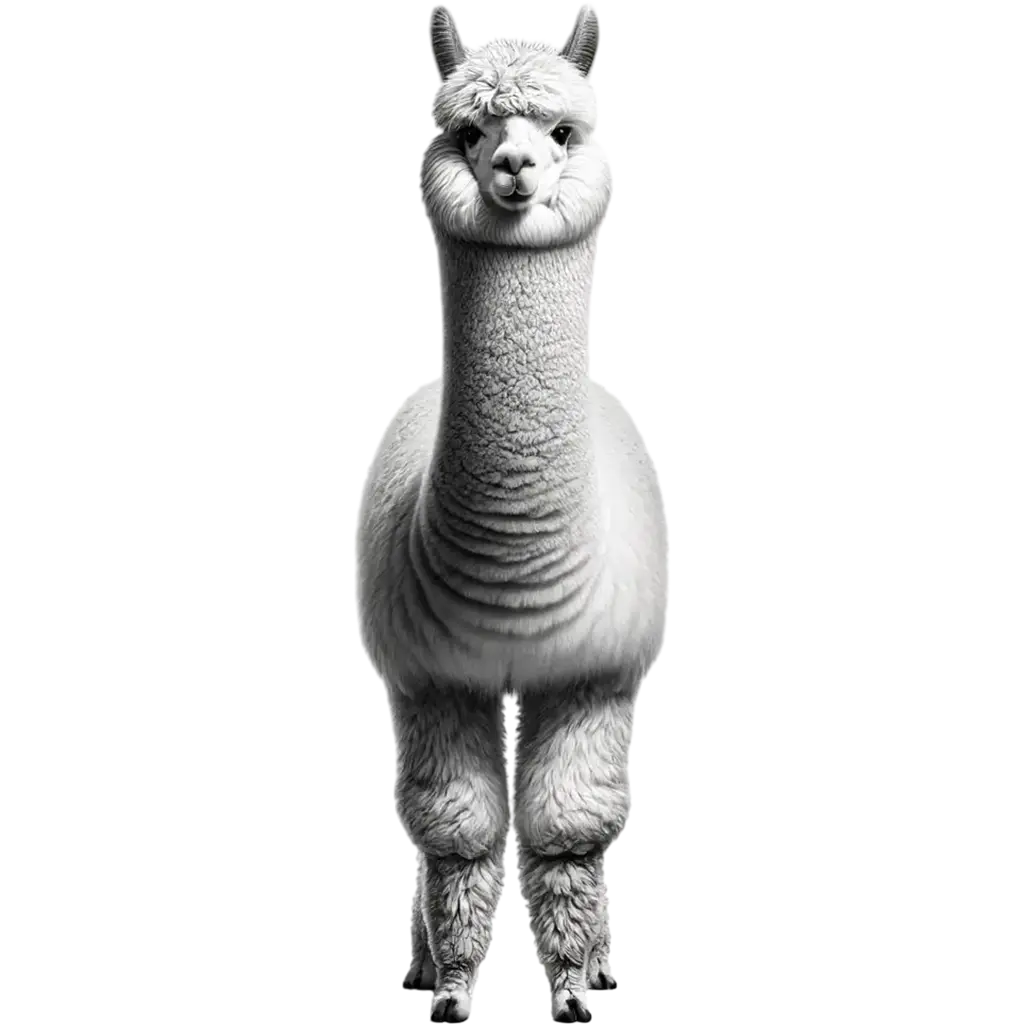
The Alpaca, lama pacos, is a domesticated species of South American camelid, closely related to the llama. Alpacas are renowned for their soft, luxurious fleece, which comes in a variety of shades, including white, black, brown, and gray, allowing for over 22 recognized colors in total. Standing at an average
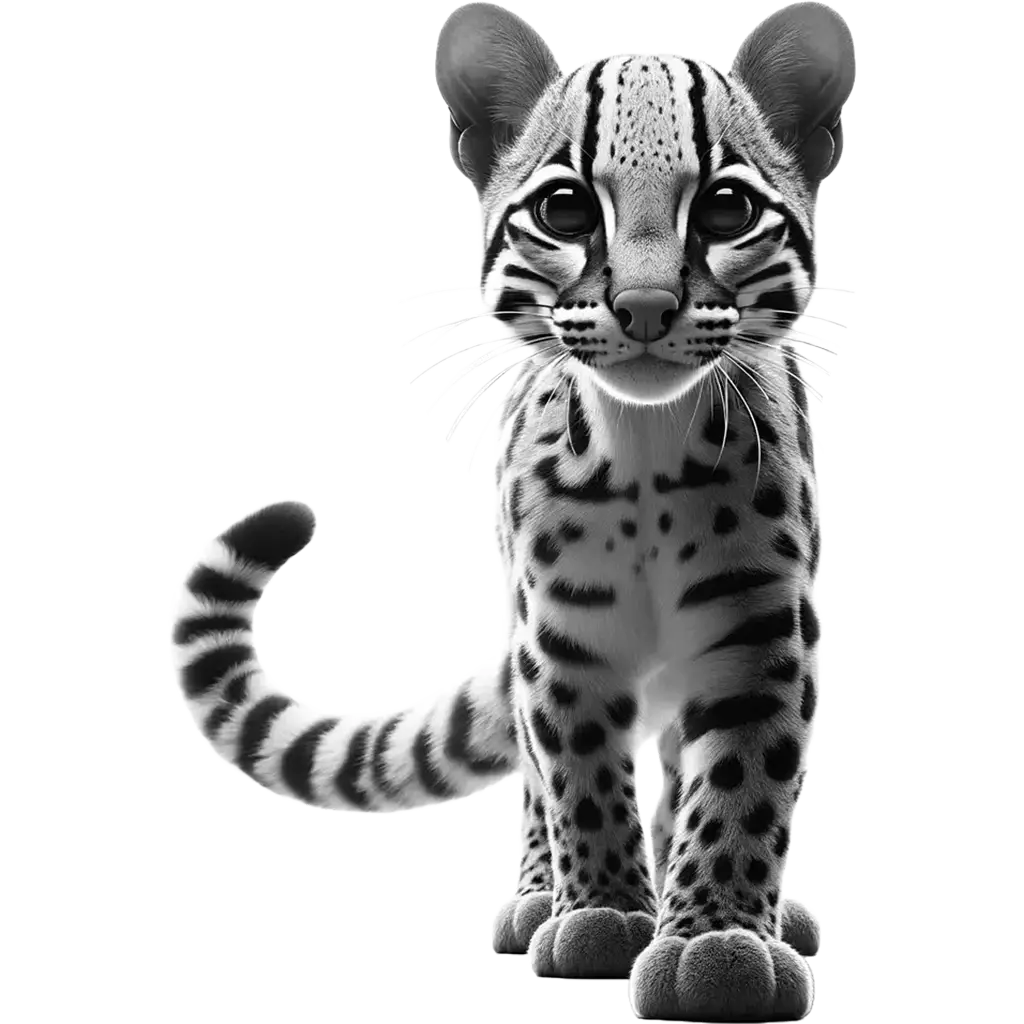
The Ocelot, leopardus pardalis, is a medium-sized wild cat native to the Americas, with a range that extends from the southern United States through Central and South America to northern Argentina. Adults typically weigh between 8 to 15 kg and measure about 55 to 100 cm in length, with a
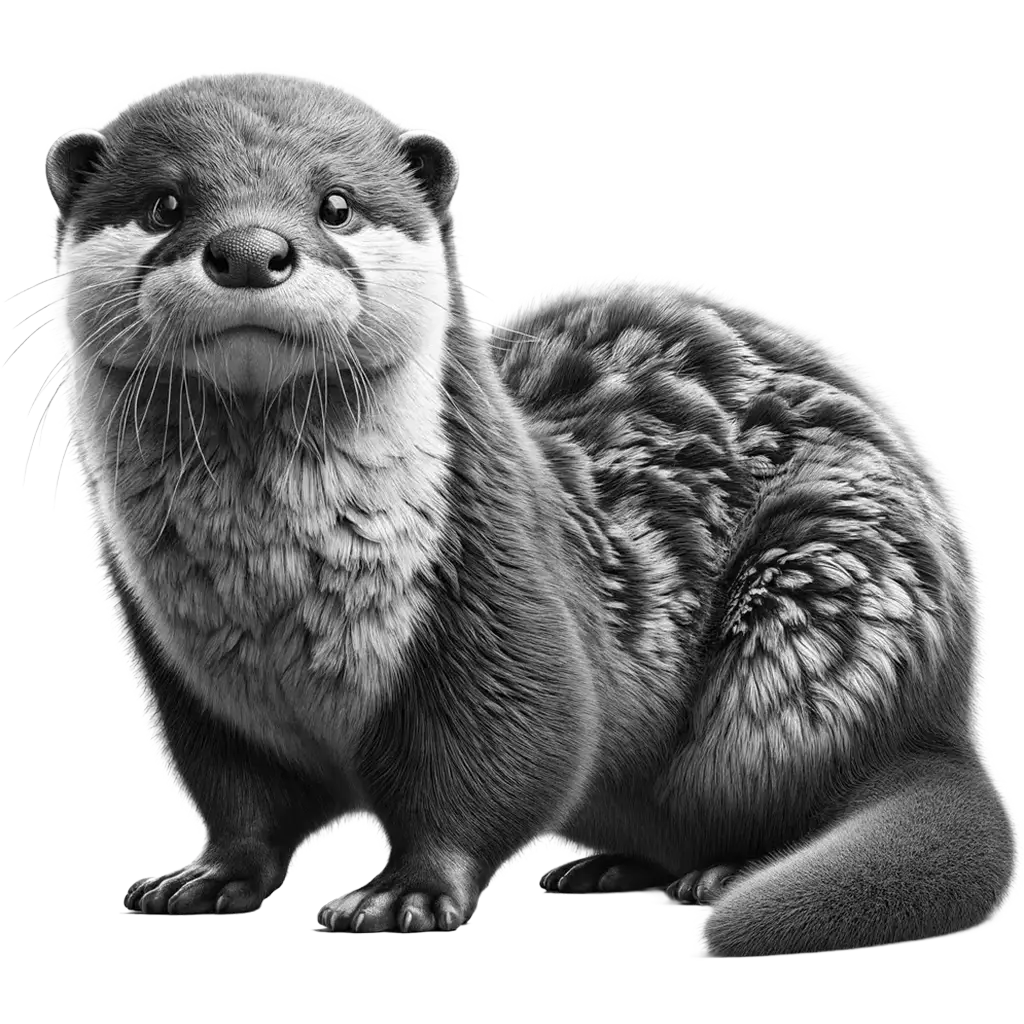
The Otter Civet, cynogale bennettii, is a rare and elusive mammal native to the tropical forests of Southeast Asia, including Borneo, Sumatra, and the Malay Peninsula. This semi-aquatic species is distinctive for its otter-like body, with a long, slender build, dense waterproof fur, and a flattened tail that aids in
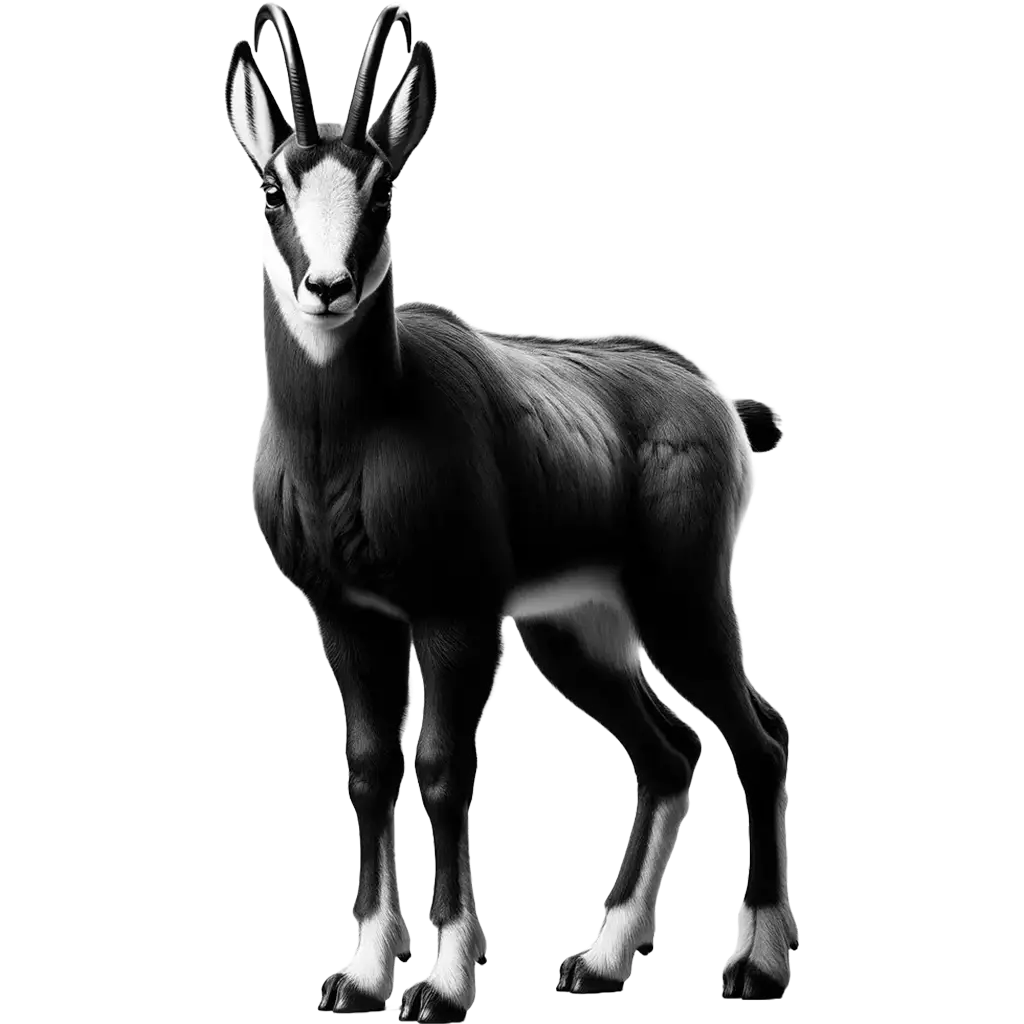
The Chamois, rupicapra rupicapra, is a nimble and hardy mountain-dwelling ungulate found across the rugged terrains of Europe's mountain ranges, including the Alps, Carpathians, Tatra, and Balkans. This species is renowned for its agility and ability to navigate steep, rocky slopes with ease. Adult Chamois have a distinctive appearance with