
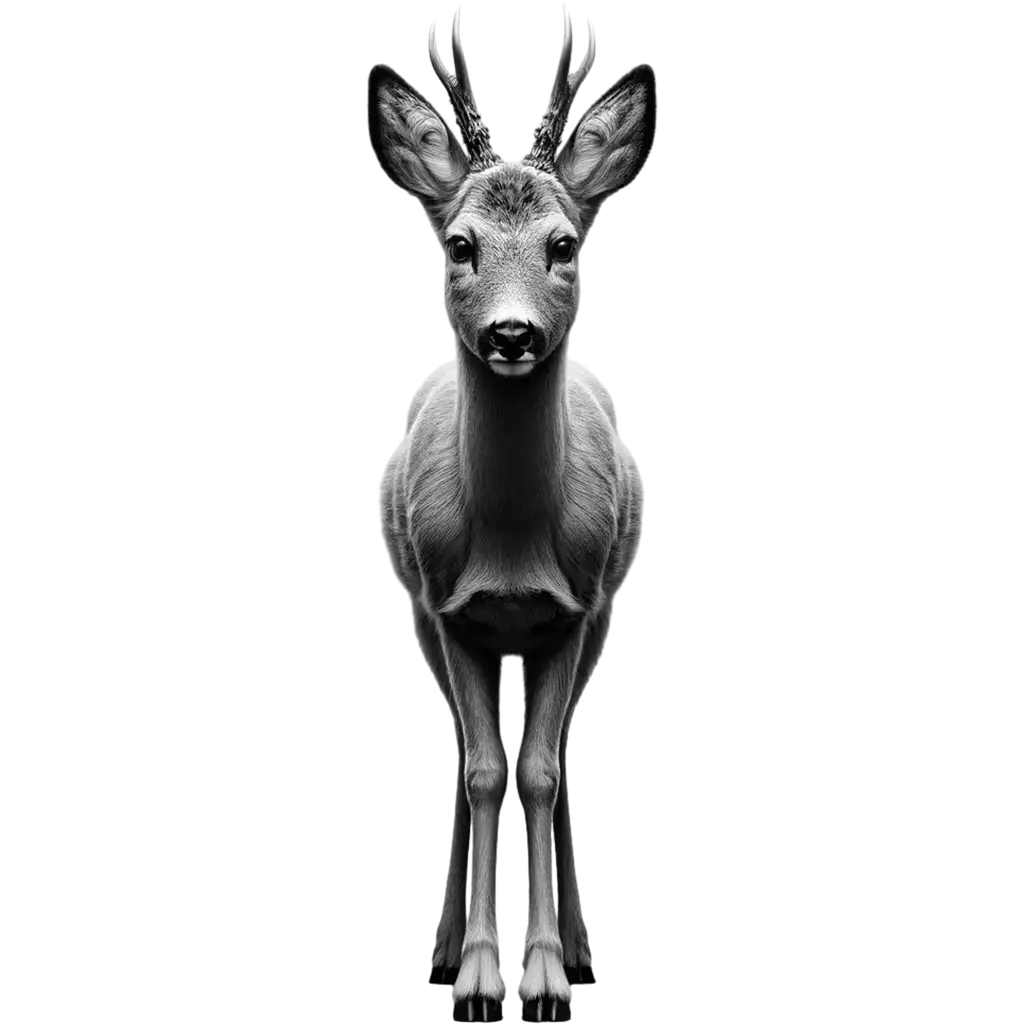
Capreolus Capreolus
Roe Deer
Deciduous and mixed forests, meadows, farmlands, and bushy areas
The Roe Deer, capreolus capreolus, is a small and graceful deer species native to Europe and parts of Asia. It stands about 60 to 75 cm at the shoulder and weighs between 10 to 25 kg, with males generally larger than females. The summer coat is a reddish-brown, turning to grey, brown, or even black in the winter. Males, known as bucks, grow antlers that are shed and regrown annually, reaching full size in the summer months. These antlers are relatively small, with two to three tines. Females, called does, do not grow antlers. The Roe Deer's large, dark eyes and a distinctive white rump, which becomes more pronounced when alarmed, are key identification features.
| Population: | Listed as Least Concern, with stable and widespread populations |
| Generation Length: | 6 years |
| Average Weight: | 15-30 kg |
| Average Length: | 95-135 cm body length |
| Lifespan: | 10-12 years in the wild |
| Diet: | Primarily browses on leaves, twigs, and herbs, preferring young, succulent plants |
| Conservation Status: | Least Concern (LC) |
Roe Deer prefer habitats with a mix of woodland and open fields, where they can find both cover and open areas for feeding. They are adaptable and can also be found in agricultural lands and forest edges. Despite their wide distribution, Roe Deer maintain a preference for areas that offer protection and abundant food resources.
The diet of the Roe Deer is herbivorous, consisting mainly of grasses, leaves, berries, and young shoots. In the winter, they will also eat twigs and bark. Their feeding habits are selective, preferring high-quality plant materials that provide the nutrients needed for growth and the energy to escape predators.
Reproduction in Roe Deer involves a unique mating system called 'delayed implantation,' where the fertilized egg does not immediately implant in the uterus, allowing the birth to occur when conditions are most favorable. Mating season, or the rut, takes place in July and August. The doe gives birth to one to three kids in May or June, after a gestation period that includes the delayed implantation period, totaling around ten months.
The population of the Roe Deer has been stable and even increasing in some areas, thanks to reforestation and habitat management efforts. However, they face threats from habitat loss due to agricultural expansion and urban development. Conservation efforts focus on habitat preservation and management to ensure the sustainability of Roe Deer populations. Their presence is a positive indicator of the health of forest and agricultural ecosystems.
Classifications
The Key Attributes
Features
- Movement:
Walking, running
- Territorial Behavior:
Solitary or in small family groups
- Speed:
Capable of speeds up to 70 km/h in short bursts
- Diet:
Herbivore
- Physical Features:
- Small to medium-sized deer with a slender build
- Short antlers on males, which are shed and regrown annually
- Coat color changes seasonally from reddish-brown to grey or brown
- White rump patch that flares when alarmed
- Primary Senses:
- Sight
- Hearing
- Smell
Understanding Habitat and Range
Geography
- Habitat:
Deciduous and mixed forests, meadows, farmlands, and bushy areas
- Migration Patterns:
Sedentary with seasonal home range shifts
- Geographical Range:
Throughout Europe, extending into parts of Western Asia and the Caucasus
- Climate Preferences:
Temperate climates
Navigating the Wilderness
In the wild
- Predators:
Wolves, lynxes, bears, and eagles
- Prey:
Not applicable
- Feeding Behavior:
Feeds on a variety of vegetation including leaves, twigs, fruits, and crops
- Diet:
Primarily browses on leaves, twigs, and herbs, preferring young, succulent plants
- Defensive Mechanisms:
- Good camouflage
- Fast running to escape predators
- Highly alert to disturbances
- Preferred Food Sources:
- Diverse, nutrient-rich plant life in forest edges, meadows, and agricultural fields
Insights Into Reproduction
Mating
- Mating System:
Polygynous
- Number of Offspring:
Usually one, sometimes two fawns
- Gestation Period:
Gestation lasts about 9 months, including delayed implantation
- Parental Involvement:
- Females solely care for the fawns, hiding them in vegetation for the first few weeks of life
Youngsters Section
Roe Deer
Fun Fact
Roe deer are small, graceful creatures found in Europe and Asia, known for their distinctive white rump.
They are most active during dawn and dusk, known as crepuscular behavior. Roe deer have exceptional hearing and a keen sense of smell, which helps them detect predators. In summer, their coat is reddish-brown, while in winter, it turns greyish to blend with the environment.

Download word search puzzles
Word Search Puzzles
Check Out Other Mammals
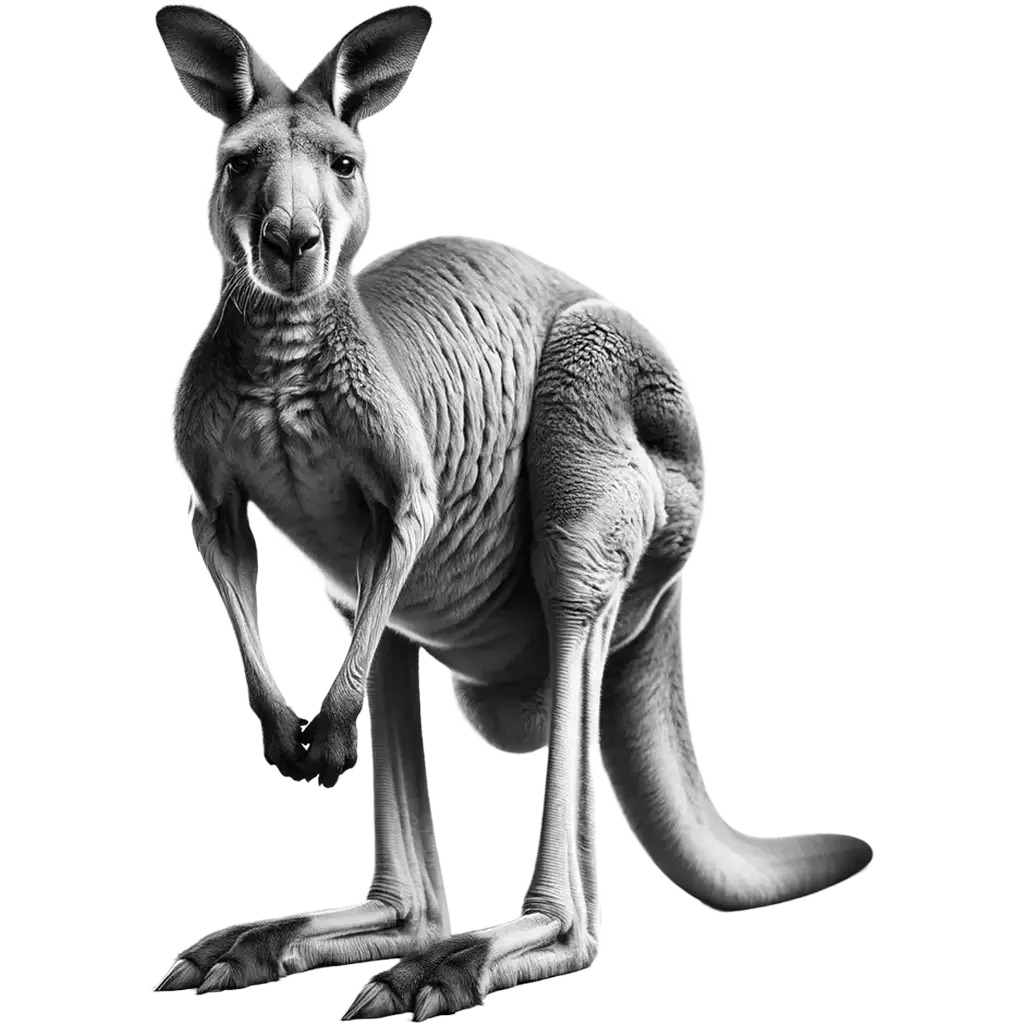
The Red Kangaroo, osphranter rufus, stands as the largest and most iconic marsupial, native to the arid and semi-arid regions of Australia. This majestic animal is distinguished by its powerful hind legs, long feet, and a large, muscular tail used for balance while moving. Adult males, known as boomers, can
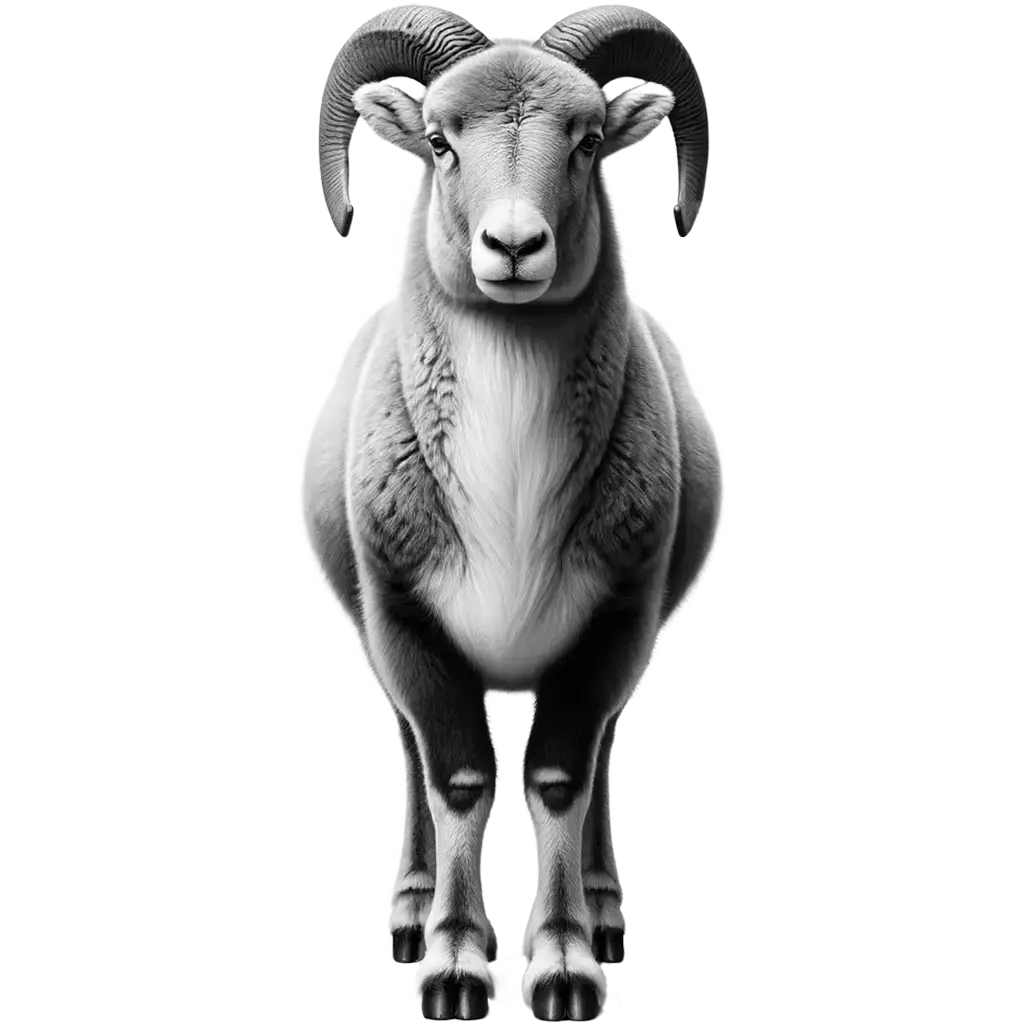
The Barbary Sheep, ammotragus lervia, also known as the Aoudad, is a rugged, mountain-dwelling ungulate native to the rocky mountains and desert landscapes of North Africa. This species is characterized by its sandy to reddish-brown coat, which helps it blend into its arid surroundings, and a distinctive mane that runs
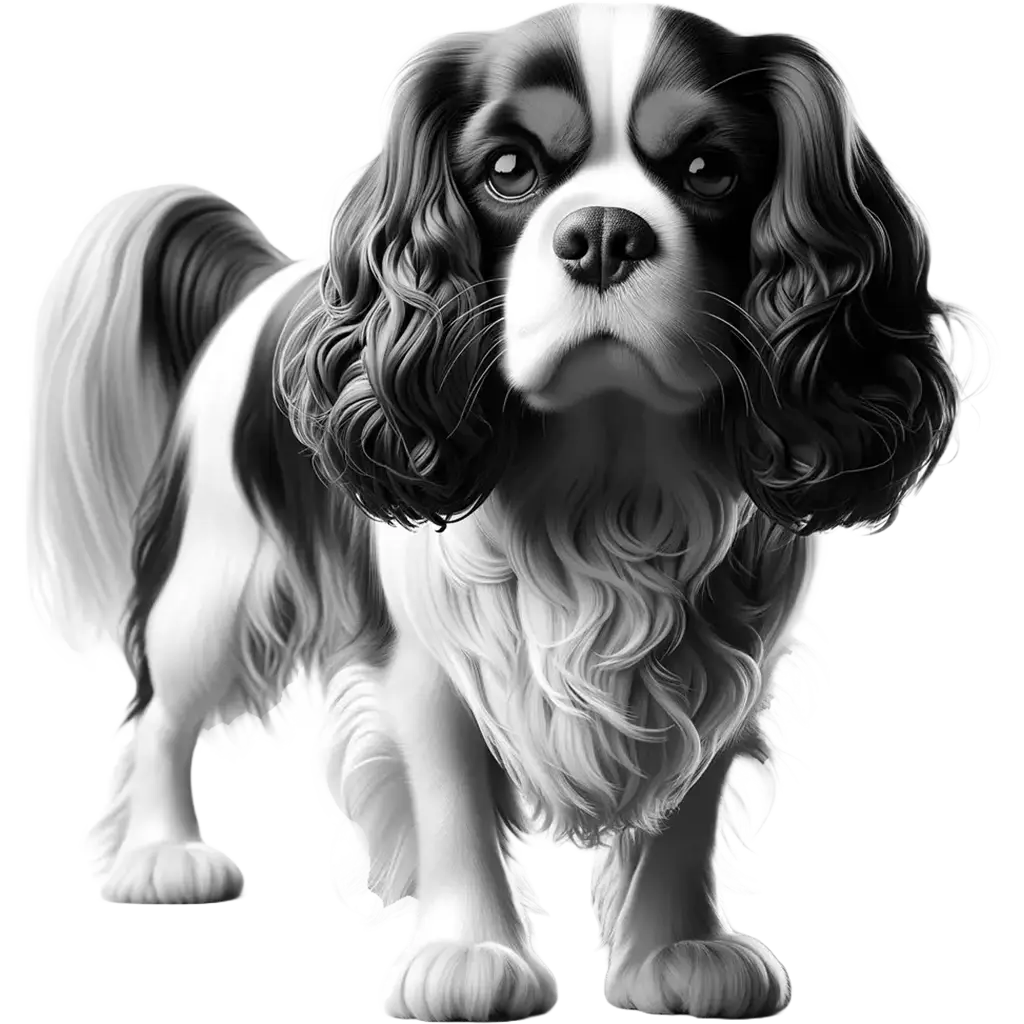
The Cavalier King Charles Spaniel, a breed esteemed for its graceful elegance and expressive, soulful eyes, embodies the essence of a companion dog. Originating from the United Kingdom, this breed stands out with its silky, medium-length coat, which comes in four distinct color patterns: Blenheim (chestnut and white), Tricolor (black/white/tan),
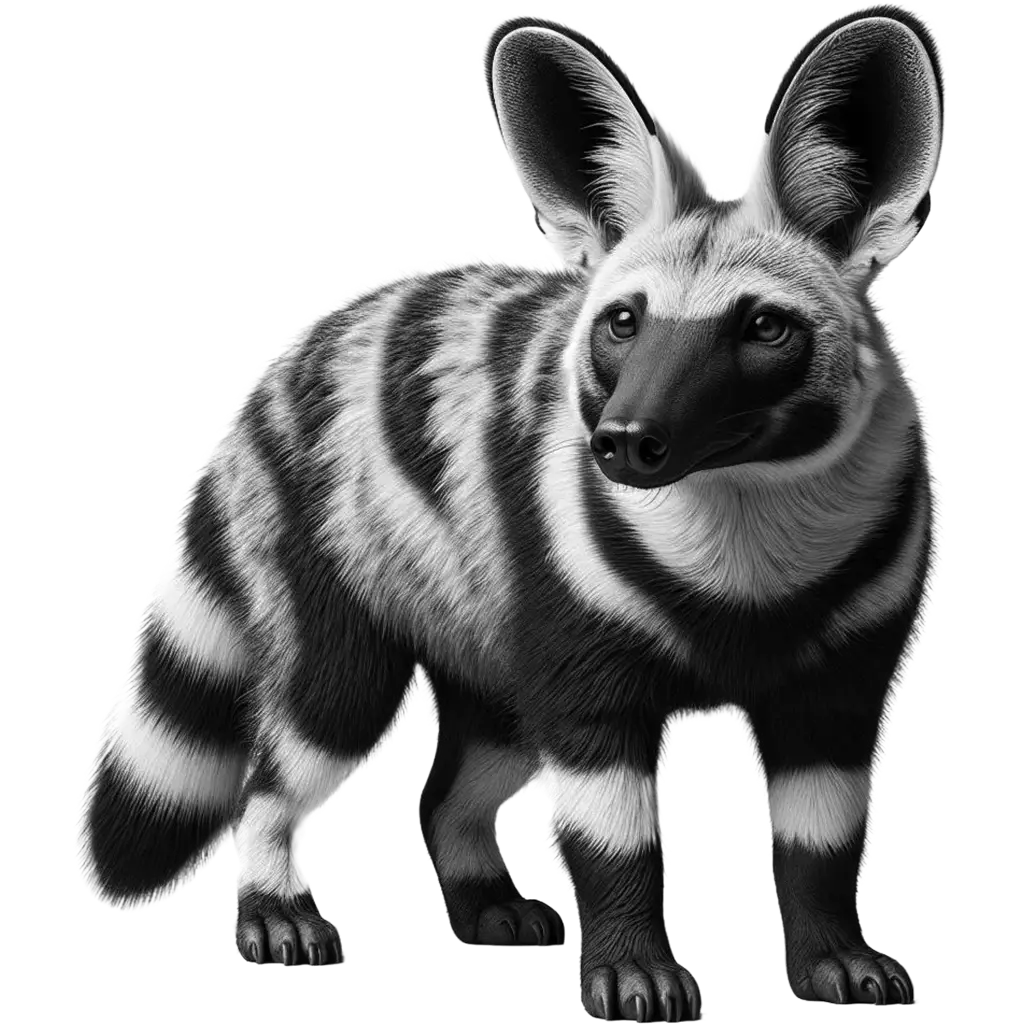
The Aardwolf, proteles cristatus, is a small, insectivorous mammal, distinct from its larger carnivorous relatives in the Hyaenidae family, such as hyenas. With a shoulder height of about 40 to 50 cm and weighing between 8 to 14 kg, the Aardwolf possesses a slender frame, covered in a coarse yellow-brown