
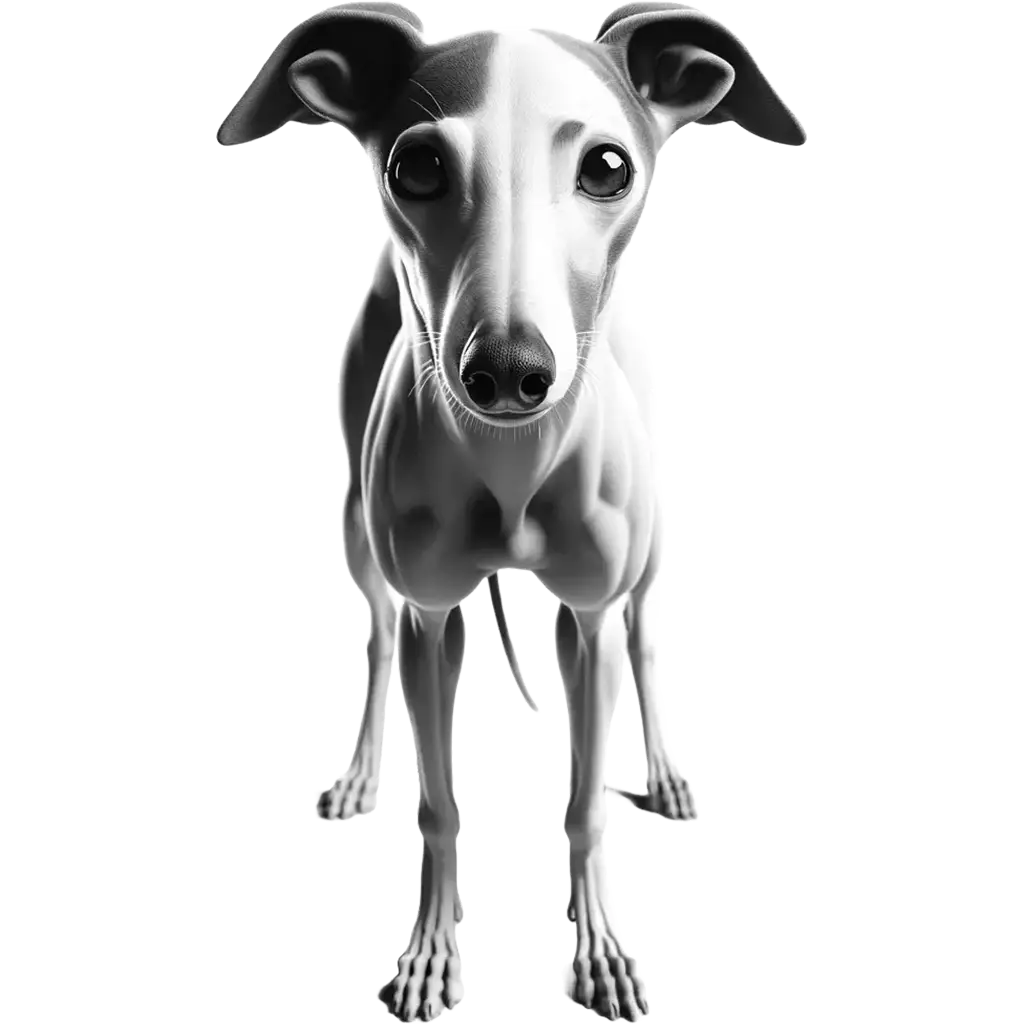
Canis Lupus
Italian Greyhound
Domestic environments; adaptable to living indoors and in small spaces
The Italian Greyhound, a slender and elegant toy breed, epitomizes grace and refinement. Known for their sleek, fine-boned structure, they possess a short and glossy coat that comes in a variety of colors, including gray, slate gray, red, fawn, blue, and black. Adults stand about 33 to 38 cm tall at the shoulder and weigh 3.6 to 8.2 kg, making them the smallest of the sighthounds. Their expressive eyes and perky ears add to their distinctive, delicate appearance, which has been admired in art and literature throughout history.
| Population: | Popular as a companion pet, with stable populations in domestic environments |
| Generation Length: | 3-4 years |
| Average Weight: | 3.6-8 kg |
| Average Length: | Not typically measured in dogs; height at the withers is more relevant: 32-38 cm |
| Lifespan: | 13-15 years, sometimes longer with good care |
| Diet: | Balanced diet appropriate for small dog breeds, with careful monitoring to prevent obesity |
| Conservation Status: | Not Evaluated (NE) |
Italian Greyhounds are affectionate, loyal companions that form deep bonds with their owners. They are known for their playful, sensitive nature and can be reserved around strangers. Despite their petite size, they possess a lively spirit and enjoy regular exercise, including brisk walks and opportunities to run in a secure, enclosed area. Their intelligence and desire to please make them relatively easy to train, although their sensitive nature requires gentle, positive reinforcement techniques.
Diet and nutrition are crucial for the Italian Greyhound's health, given their lean physique and high metabolism. A balanced diet tailored to their specific life stage, size, and activity level can help maintain their slender figure and support overall health. Careful monitoring of their food intake is important to prevent obesity, which can lead to health issues in such a small breed.
Reproduction in Italian Greyhounds should be approached with care, considering their size and the potential for health complications. They typically have small litters, often ranging from 1 to 4 puppies. Responsible breeding practices, including health screening for genetic conditions like dental issues, epilepsy, and patella luxation, are vital for ensuring the well-being of the breed.
The population of Italian Greyhounds remains stable, with the breed enjoying popularity worldwide as a companion animal. Their adaptability makes them suitable for various living conditions, including apartment living, as long as they receive adequate exercise. Preservation of this ancient breed requires continued attention to health and well-being, including responsible breeding practices and providing a loving, stimulating environment for these graceful dogs.
Classifications
The Key Attributes
Features
- Movement:
Running, walking
- Territorial Behavior:
Can be reserved with strangers but generally not highly territorial
- Speed:
Fast for their size; capable of quick sprints
- Diet:
Omnivore
- Physical Features:
- Slender and elegant build
- Fine, short coat with various colors
- Long, narrow head and neck
- Large, expressive eyes
- Small, curved tail
- Primary Senses:
- Sight
- Hearing
- Smell
Understanding Habitat and Range
Geography
- Habitat:
Domestic environments; adaptable to living indoors and in small spaces
- Migration Patterns:
Non-applicable
- Geographical Range:
Found worldwide, especially popular in urban areas and apartments due to their size
- Climate Preferences:
Prefers warmer climates; sensitive to cold due to their thin coat and low body fat
Navigating the Wilderness
In the wild
- Predators:
Not applicable in domestic settings
- Prey:
Not applicable
- Feeding Behavior:
Fed by owners; diet can include commercial dog food tailored to small breeds, with considerations for dental health
- Diet:
Balanced diet appropriate for small dog breeds, with careful monitoring to prevent obesity
- Defensive Mechanisms:
- May bark to alert their owners of strangers or unusual situations
- Generally relies on humans for protection
- Preferred Food Sources:
- Commercial dog foods designed for small breeds
- Healthy treats and occasional human food under guidance from a veterinarian
Insights Into Reproduction
Mating
- Mating System:
Controlled breeding in domestic settings
- Number of Offspring:
Average litter size is 1-4 puppies
- Gestation Period:
Approximately 63 days
- Parental Involvement:
- Care primarily provided by the mother, with human assistance for health monitoring, feeding, and early socialization
Youngsters Section
Italian Greyhound
Fun Fact
Italian Greyhounds are known for their sleek appearance and affectionate nature, making them popular companions.
Despite their fragile look, Italian Greyhounds are surprisingly athletic and can reach speeds up to 25 mph. They have a long history, dating back over 2,000 years, and were favored by nobility in ancient Rome. These dogs are known for their loyalty and enjoy being close to their owners.

Download word search puzzles
Word Search Puzzles


Check Out Other Mammals
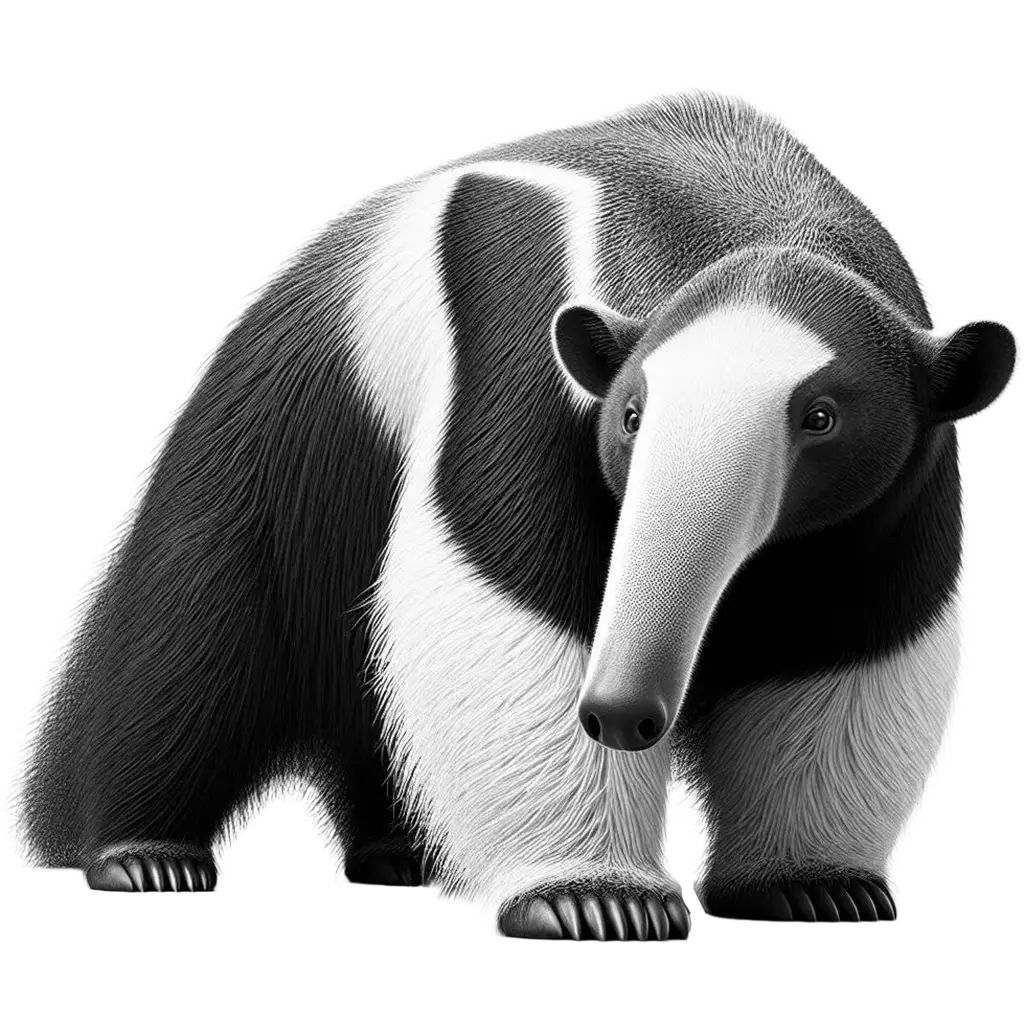
The Giant Anteater, myrmecophaga tridactyla, is an easily recognizable mammal known for its elongated snout, bushy tail, and distinctive black and white shoulder stripes. Adults can grow up to 2.1 meters (7 feet) in length, including the tail, and weigh between 18 to 39 kilograms (40 to 86 pounds). Their
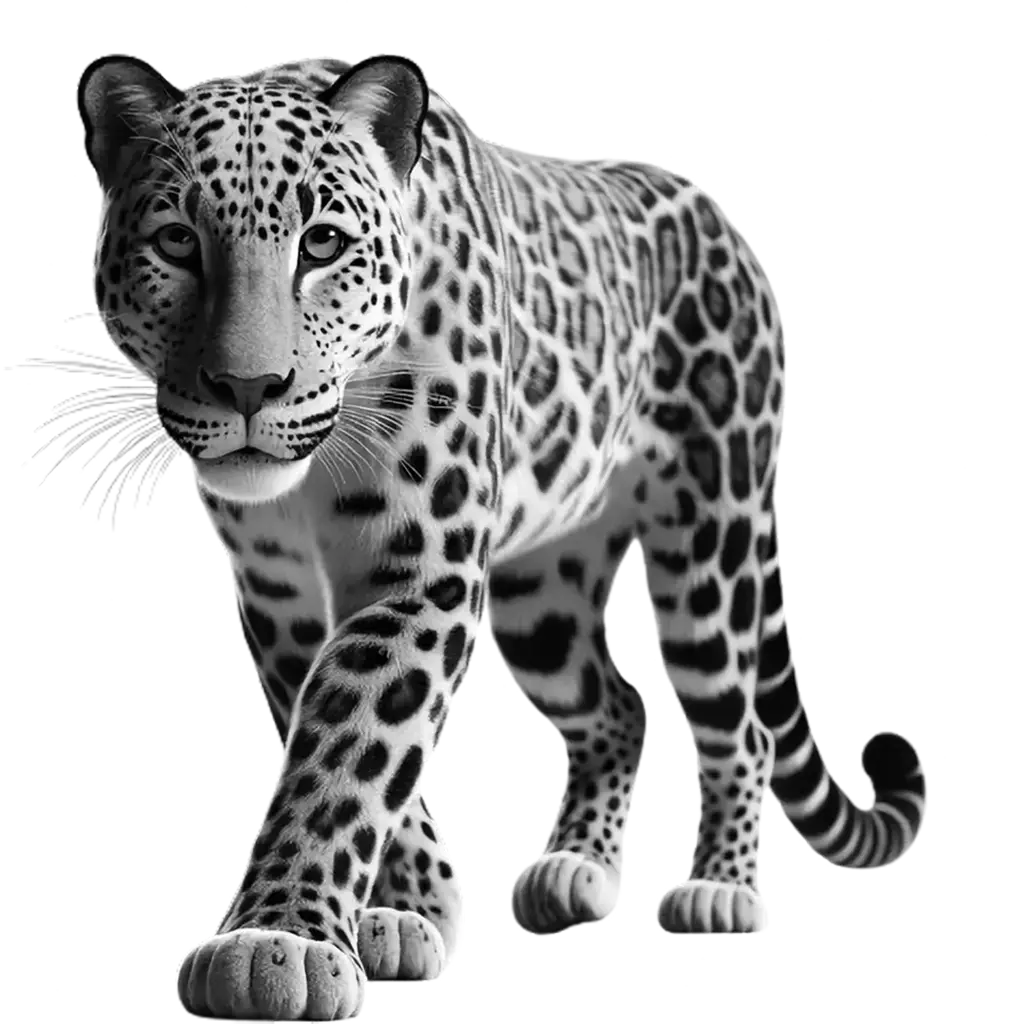
The Leopard, panthera pardus, is a member of the Felidae family and one of the five big cats in the genus Panthera. Known for its beautifully spotted fur, the Leopard has a graceful, powerful body, allowing it to adapt to a variety of habitats including forests, mountains, grasslands, and deserts
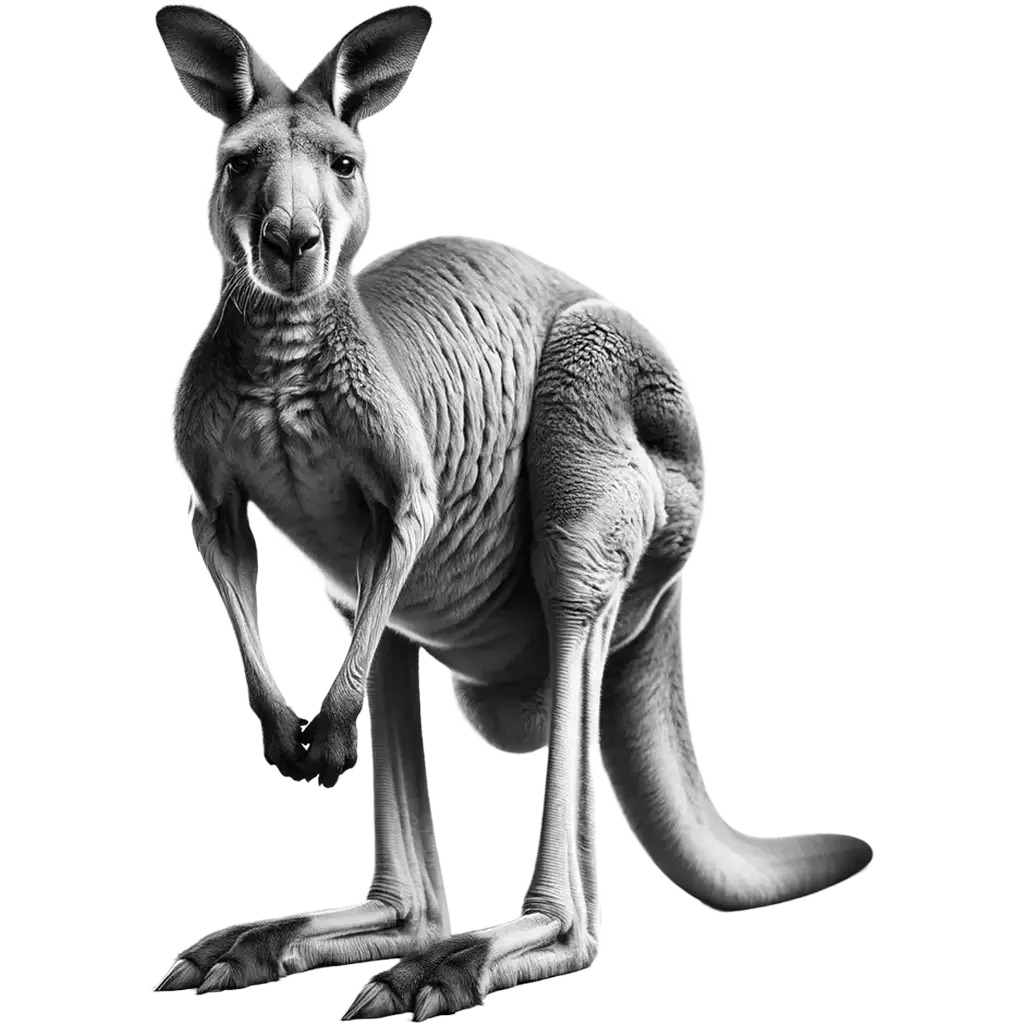
The Red Kangaroo, osphranter rufus, stands as the largest and most iconic marsupial, native to the arid and semi-arid regions of Australia. This majestic animal is distinguished by its powerful hind legs, long feet, and a large, muscular tail used for balance while moving. Adult males, known as boomers, can
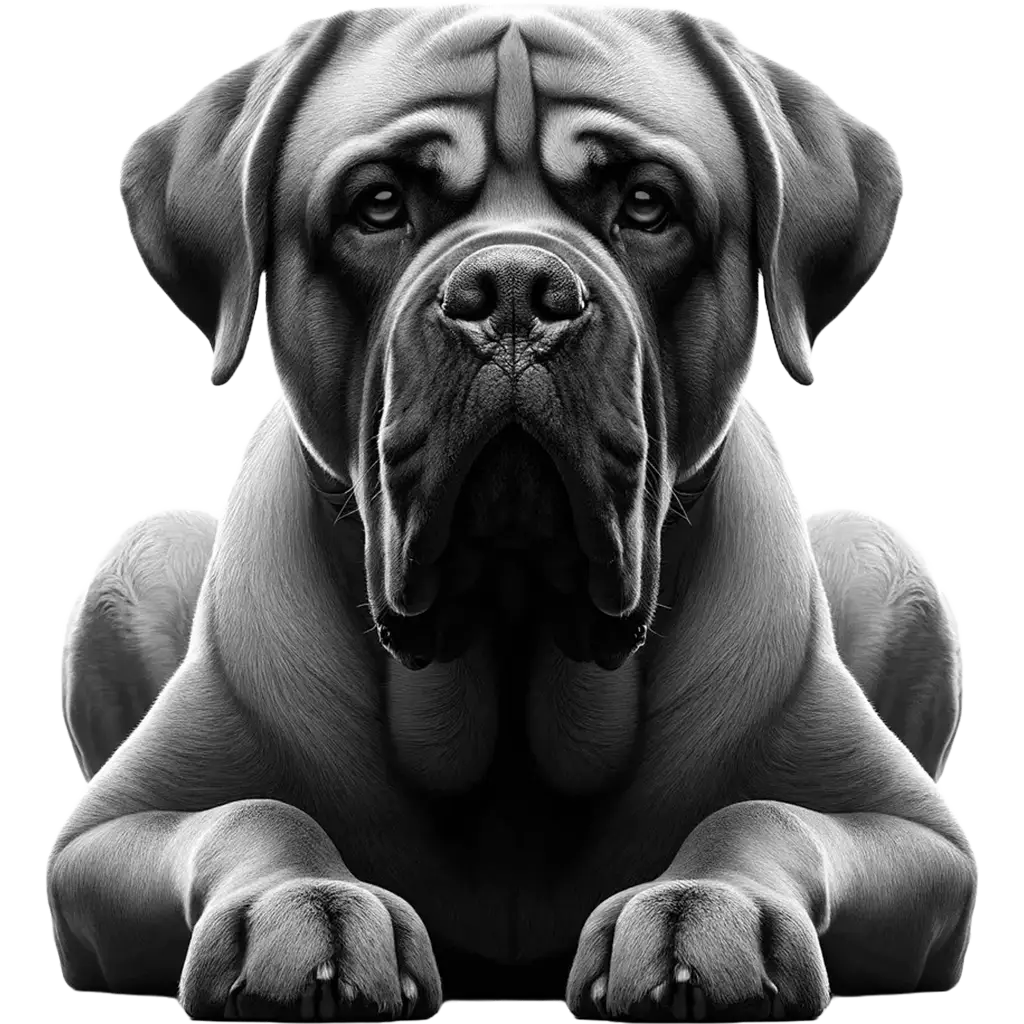
The Mastiff, known for its immense size and gentle demeanor, is one of the oldest and most majestic breeds of dogs. Characterized by a massive head, broad skull, and a well-defined stop, the Mastiff's appearance exudes power and nobility. Their coat, which can be fawn, apricot, or brindle, is complemented