
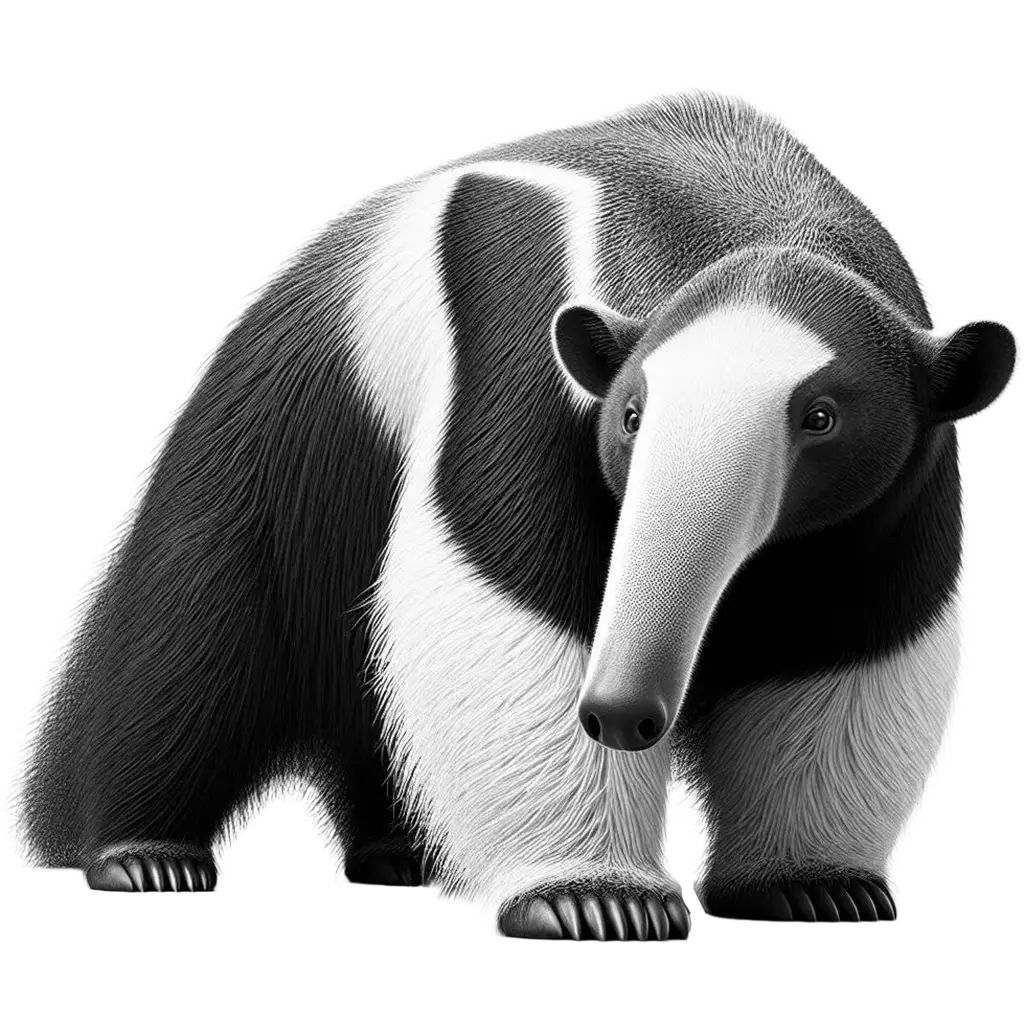
Myrmecophaga Tridactyla
Giant Anteater
Grasslands, deciduous forests, and rainforests
The Giant Anteater, myrmecophaga tridactyla, is an easily recognizable mammal known for its elongated snout, bushy tail, and distinctive black and white shoulder stripes. Adults can grow up to 2.1 meters (7 feet) in length, including the tail, and weigh between 18 to 39 kilograms (40 to 86 pounds). Their long, coarse fur, which can be gray or brown, provides effective camouflage in their natural habitats. The Giant Anteater's front claws are formidable, adapted for tearing into termite mounds and anthills, while its small eyes and ears contribute to a somewhat comical appearance, belying its status as an efficient predator.
| Population: | Estimated to be less than 5,000 mature individuals, classified as Vulnerable |
| Generation Length: | 7 years |
| Average Weight: | 18-40 kg |
| Average Length: | 182-217 cm (including tail) |
| Lifespan: | Up to 16 years in the wild, longer in captivity |
| Diet: | Almost exclusively ants and termites |
| Conservation Status: | Vulnerable (VU) |
Giant Anteaters are solitary creatures, spending much of their time foraging alone in forests, grasslands, and savannas across Central and South America. They are primarily terrestrial but are capable swimmers as well. Anteaters are most active during the night (nocturnal) or in the early morning and late afternoon (crepuscular) to avoid the heat of the day. Their home ranges can be vast, depending on the availability of food, and they follow well-trodden paths through their territory in search of anthills and termite mounds. Despite their slow-moving appearance, anteaters can be surprisingly fast when necessary, and they use their sharp claws effectively in defense against predators.
Their diet is specialized, consisting almost entirely of ants and termites. An adult Giant Anteater can consume up to 30,000 insects in a single day. They use their sharp claws to open ant nests or termite mounds and then insert their long, sticky tongues, which can extend up to 60 cm (24 inches), to collect their prey. This diet is low in fat and high in protein, requiring them to eat from many different colonies each day to meet their nutritional needs. They never completely destroy a nest, allowing it to regenerate for future feedings.
Mating in Giant Anteaters is a rare sight, with females being receptive to males only a few times a year. The courtship process is brief, often involving the male following the female for an extended period before mating. Gestation lasts about 190 days, after which a single offspring is born. The young anteater rides on its mother's back for several months, providing camouflage and protection from predators. This close mother-offspring bond lasts until the young anteater is fully weaned and ready to establish its own territory.
Giant Anteater populations are declining due to habitat destruction, roadkills, and hunting. They are listed as Vulnerable by the International Union for Conservation of Nature (IUCN), with a decreasing population trend. Conservation efforts focus on habitat protection, reducing human-wildlife conflict, and raising awareness of the species' plight. Despite these challenges, some populations remain robust in protected areas, highlighting the importance of conservation initiatives in ensuring the survival of this unique species.
Classifications
The Key Attributes
Features
- Movement:
Quadrupedal walking
- Territorial Behavior:
Solitary, except for mothers with offspring
- Speed:
Not particularly fast; relies more on stealth and camouflage
- Diet:
Myrmecophagous (ant- and termite-eating)
- Physical Features:
- Long, bushy tail
- Distinctive long snout
- Tongue can extend up to 60 cm
- No teeth
- Powerful forelimbs with large claws for breaking into ant nests
- Primary Senses:
- Smell (highly developed)
- Hearing
- Sight (poor)
Understanding Habitat and Range
Geography
- Habitat:
Grasslands, deciduous forests, and rainforests
- Migration Patterns:
Non-migratory, but individuals have large home ranges they roam in search of food
- Geographical Range:
Central and South America, from Honduras to northern Argentina
- Climate Preferences:
Prefers warmer climates
Navigating the Wilderness
In the wild
- Predators:
Jaguars, pumas, and humans
- Prey:
Ants and termites
- Feeding Behavior:
Feeds primarily on ants and termites, using its long tongue to collect them
- Diet:
Almost exclusively ants and termites
- Defensive Mechanisms:
- Using its powerful forelimbs and claws for defense
- Thick fur protects against ant bites
- Preferred Food Sources:
- Ant colonies
- Termite mounds
Insights Into Reproduction
Mating
- Mating System:
Solitary except during mating
- Number of Offspring:
Typically 1 offspring
- Gestation Period:
Approximately 190 days
- Parental Involvement:
- Mother carries the offspring on her back for up to a year and provides all care
Youngsters Section
Giant Anteater
Fun Fact
Giant anteaters can eat up to 30,000 ants and termites in a single day.
Equipped with a long, sticky tongue that can reach up to two feet, the giant anteater is a specialized feeder. It uses its sharp claws to tear open anthills and termite mounds and flicks its tongue in and out rapidly to capture its prey. Despite their size, they have no teeth and rely on their powerful stomach muscles to grind and digest the insects. This unique feeding habit helps control insect populations in their habitat.

Download word search puzzles
Word Search Puzzles


Check Out Other Mammals
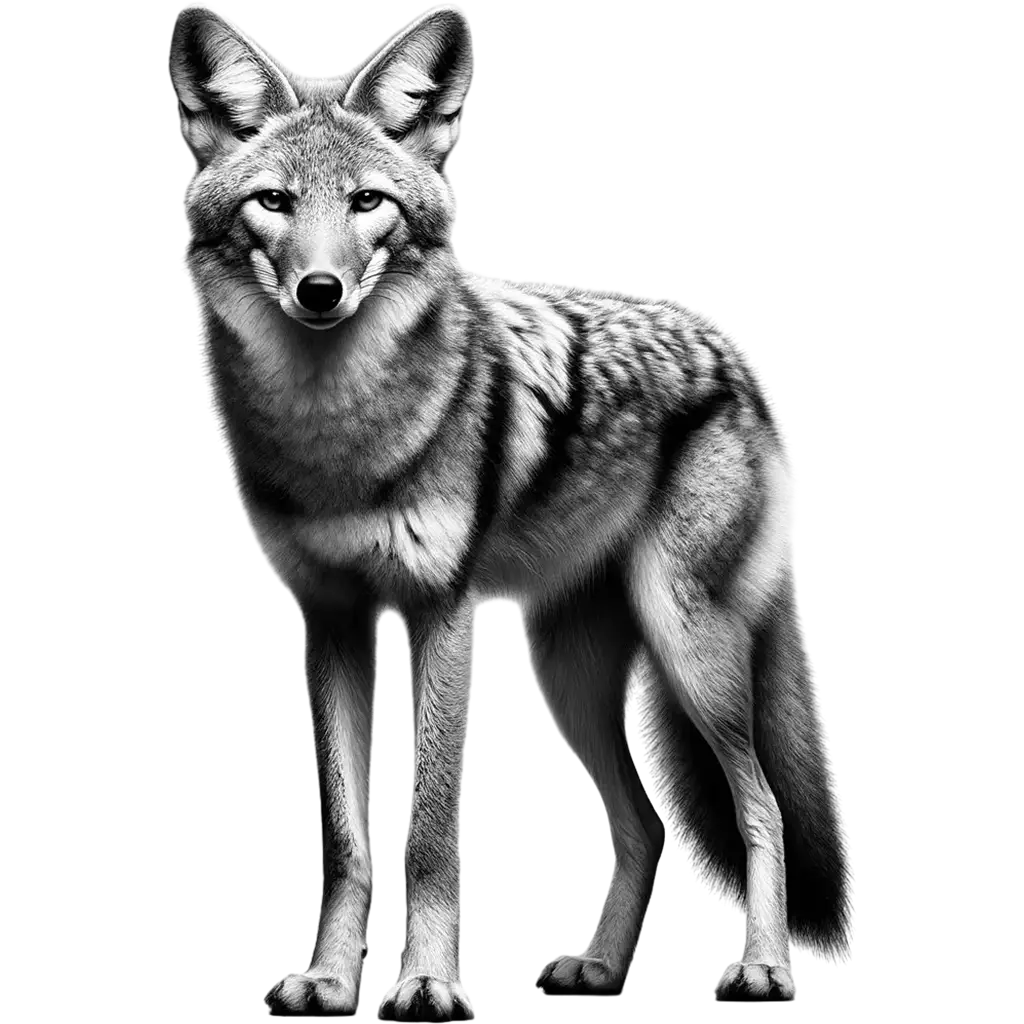
The Coyote, canis latrans, is a highly adaptable and versatile canid native to North America. Adults typically measure between 1.0 to 1.35 meters in length, including the tail, and weigh between 15 to 46 kg, with males generally larger than females. Their fur color can vary widely from grayish-brown to
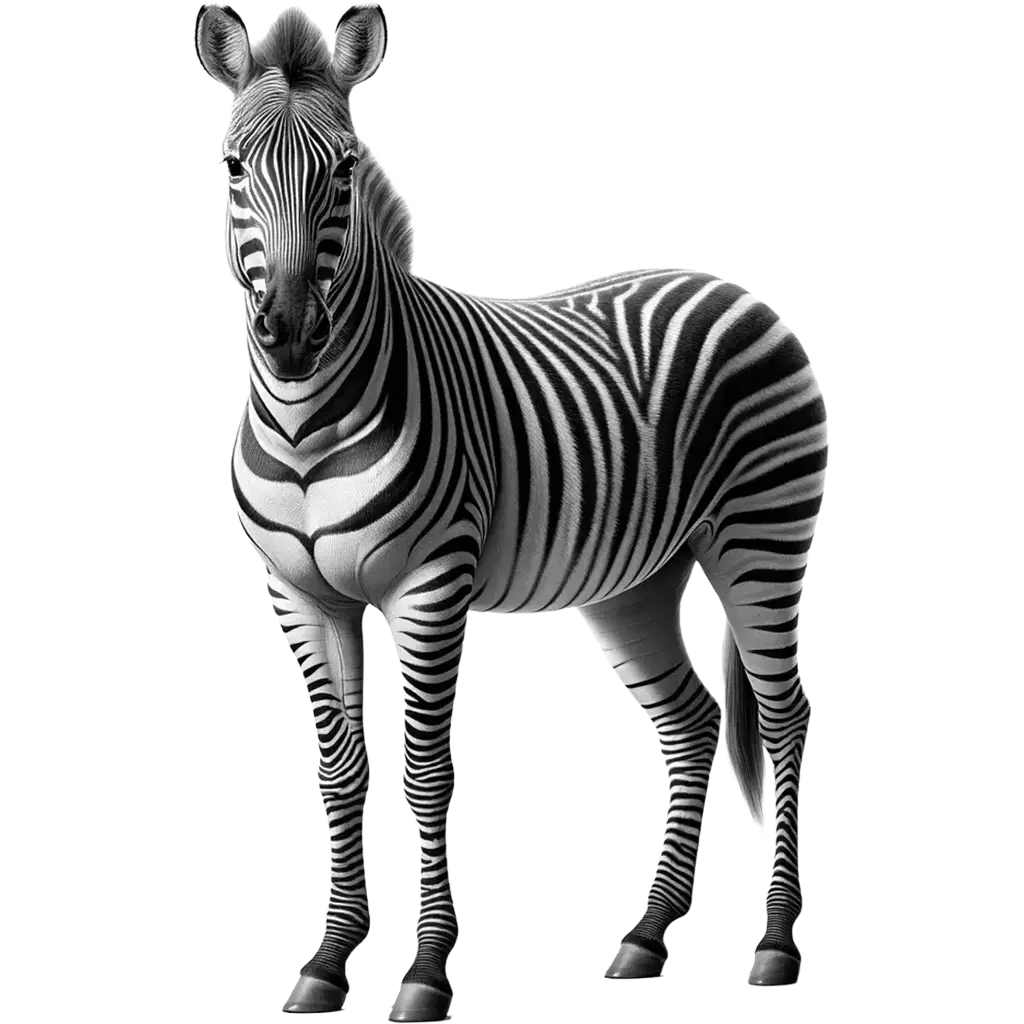
The Cape Mountain Zebra, equus zebra zebra, is a subspecies of mountain zebra found primarily in mountainous regions of South Africa. Distinguished by its unique stripes that are narrower and more numerous than those of the plains zebra, adults stand about 120 to 130 cm tall at the shoulder and
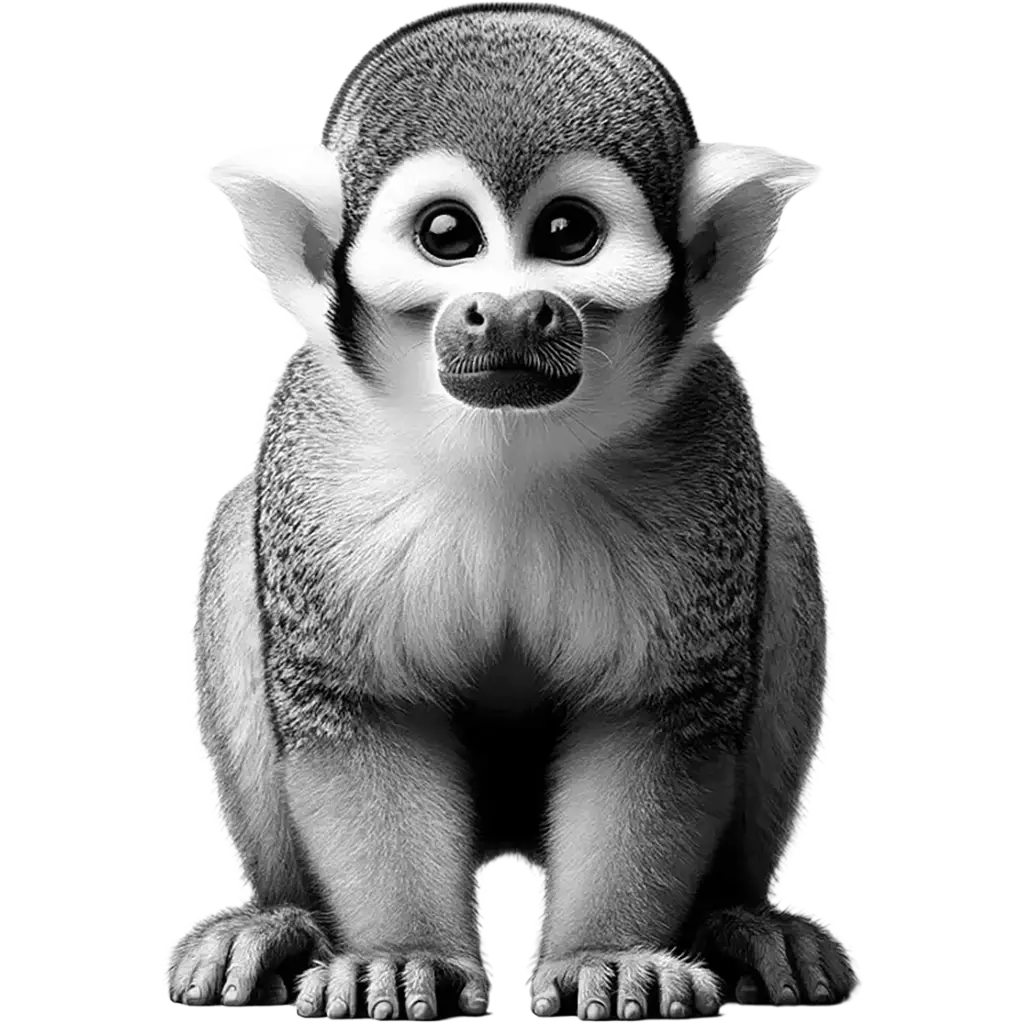
The Central American Squirrel Monkey, saimiri oerstedii, is a small and vibrant primate native to the tropical forests of Costa Rica and Panama. This species is distinguished by its bright fur, with a back of olive or yellowish-green and a white or yellowish belly, creating a striking contrast. Adults weigh

The Common dolphin, delphinus delphis, is a highly social and widely distributed species of dolphin known for its striking coloration and slender body. Adults typically range from 1.9 to 2.5 meters in length and weigh between 70 to 110 kg. They are characterized by their distinctive crisscross or hourglass color