

Saimiri Oerstedii
Central American Squirrel Monkey
Tropical rainforests, particularly in areas with dense canopy
The Central American Squirrel Monkey, saimiri oerstedii, is a small and vibrant primate native to the tropical forests of Costa Rica and Panama. This species is distinguished by its bright fur, with a back of olive or yellowish-green and a white or yellowish belly, creating a striking contrast. Adults weigh between 500 to 1100 grams, with a body length of approximately 26 to 36 cm, not including their long, bushy tail which adds an additional 35 to 42 cm. Their face is framed by white fur, with black around the mouth and eyes, giving them an expressive appearance.
| Population: | Listed as Vulnerable due to habitat loss and fragmentation |
| Generation Length: | 5-7 years |
| Average Weight: | 750-1100 grams |
| Average Length: | 26-36 cm, with a tail length of 35-42 cm |
| Lifespan: | 15-20 years in the wild |
| Diet: | Varied, with a preference for fruits and insects |
| Conservation Status: | Endangered (EN) |
Saimiri oerstedii thrives in primary and secondary forests, as well as in mangrove habitats. They are diurnal and arboreal, spending most of their time in the lower and middle levels of the canopy. These monkeys are highly social animals, forming large mixed-sex troops that can number over 70 individuals, although smaller groups are more common. The structure of these groups helps protect members from predators while foraging.
The diet of the Central American Squirrel Monkey mainly consists of fruits and insects, with occasional consumption of seeds, leaves, and small vertebrates. This varied diet reflects their role as both seed dispersers and controllers of insect populations in their ecosystem. Their foraging behavior is crucial for the regeneration of their forest habitats.
Reproduction in this species is seasonal, with births typically occurring at the start of the rainy season when food resources are most abundant. Females give birth to a single offspring after a gestation period of about 5 to 6 months. Infant care is primarily the responsibility of the mother, although other females in the group may also assist.
The population of the Central American Squirrel Monkey is considered vulnerable, facing threats from habitat destruction due to deforestation, agricultural expansion, and urban development. Conservation efforts are focused on habitat protection and restoration, along with research and monitoring programs to better understand their ecology and needs. The survival of Saimiri oerstedii is crucial for maintaining the biodiversity of Central America's tropical forests.
Classifications
The Key Attributes
Features
- Movement:
Climbing, leaping, and walking
- Territorial Behavior:
Social, living in large groups
- Speed:
Agile and quick in the trees
- Diet:
Omnivore
- Physical Features:
- Small size with a long prehensile tail
- Distinctive white face with black around the mouth and eyes
- Yellowish-orange legs and reddish back
- Sharp vision and strong hands and feet for grasping
- Primary Senses:
- Sight
- Hearing
- Touch
Understanding Habitat and Range
Geography
- Habitat:
Tropical rainforests, particularly in areas with dense canopy
- Migration Patterns:
Non-migratory, but may move within their home range in response to food availability
- Geographical Range:
Pacific coast of Costa Rica and Panama
- Climate Preferences:
Prefers warm, humid tropical environments
Navigating the Wilderness
In the wild
- Predators:
Birds of prey, snakes, and felids
- Prey:
Insects, spiders, small birds, eggs, and fruits
- Feeding Behavior:
Feeds on fruits, insects, and small vertebrates
- Diet:
Varied, with a preference for fruits and insects
- Defensive Mechanisms:
- Living in large groups for protection
- High agility and quick movements in trees to evade predators
- Preferred Food Sources:
- Forests rich in fruit-bearing trees and insects
Insights Into Reproduction
Mating
- Mating System:
Polygynous
- Number of Offspring:
Usually one offspring
- Gestation Period:
5-6 months
- Parental Involvement:
- Females primarily care for the young, with some assistance from other group members
Youngsters Section
Central American Squirrel Monkey
Fun Fact
The Central American Squirrel Monkey is one of the smallest primates, weighing around 1.5 pounds.
They are highly social animals, living in groups of up to 100. These monkeys are known for their distinctive vocalizations and playful behavior. Despite their small size, they have a significant role in seed dispersal, contributing to forest regeneration.

Download word search puzzles
Word Search Puzzles


Check Out Other Mammals
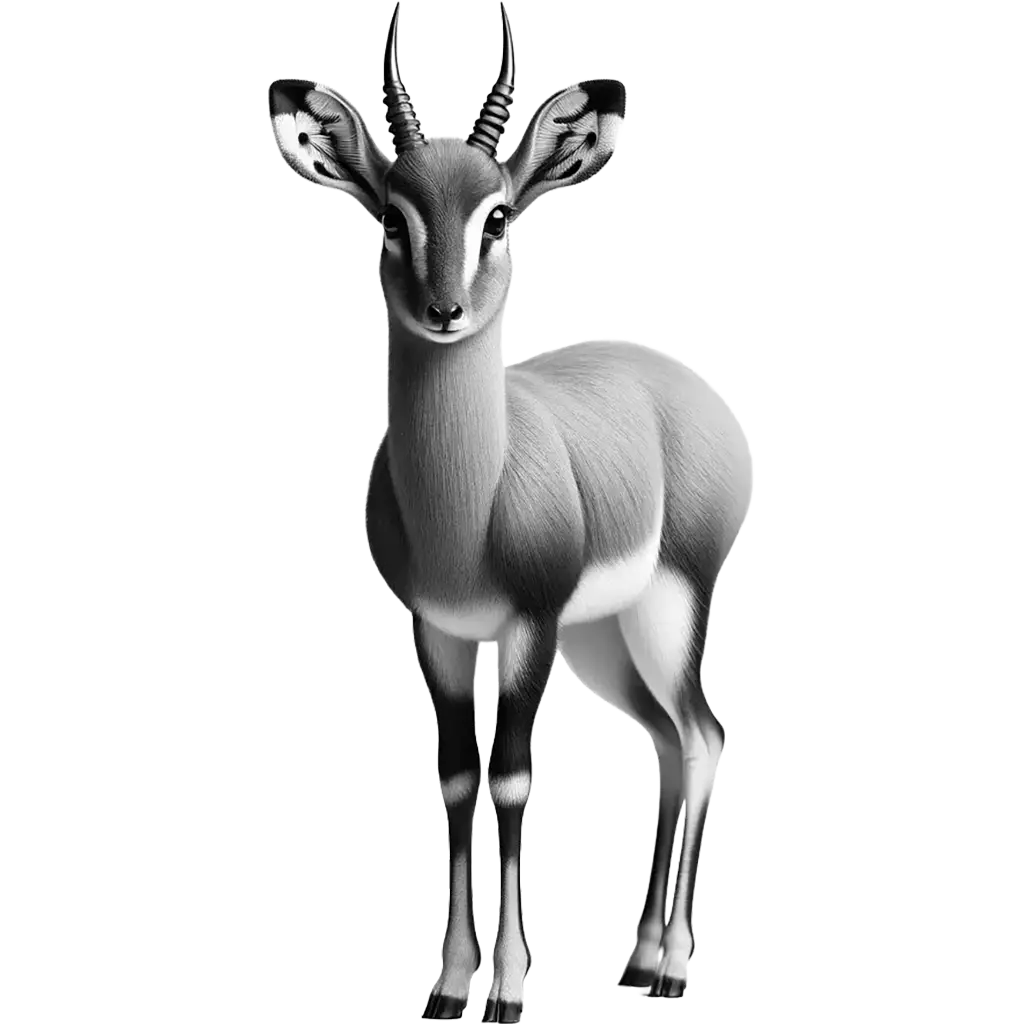
The Oribi, ourebia ourebi, is a small, elegant antelope found in the grasslands and savannas of sub-Saharan Africa. Standing approximately 50 to 68 cm (20 to 27 inches) at the shoulder and weighing between 12 to 22 kg (26 to 48 lbs), the Oribi exhibits a slender build, with a

The Daurian Pika, ochotona dauurica, is a small, herbivorous mammal belonging to the pika family, which resides predominantly in the steppe regions of Mongolia, parts of Russia, and northern China. This species is characterized by its compact body, rounded ears, and absence of a visible tail, typical of pikas. Adult

The Jaguar, panthera onca, is the largest cat in the Americas and the third-largest feline in the world, after tigers and lions. Known for its powerful build, the Jaguar has a broad head, muscular limbs, and a robust body that enables it to excel in climbing, swimming, and crawling through
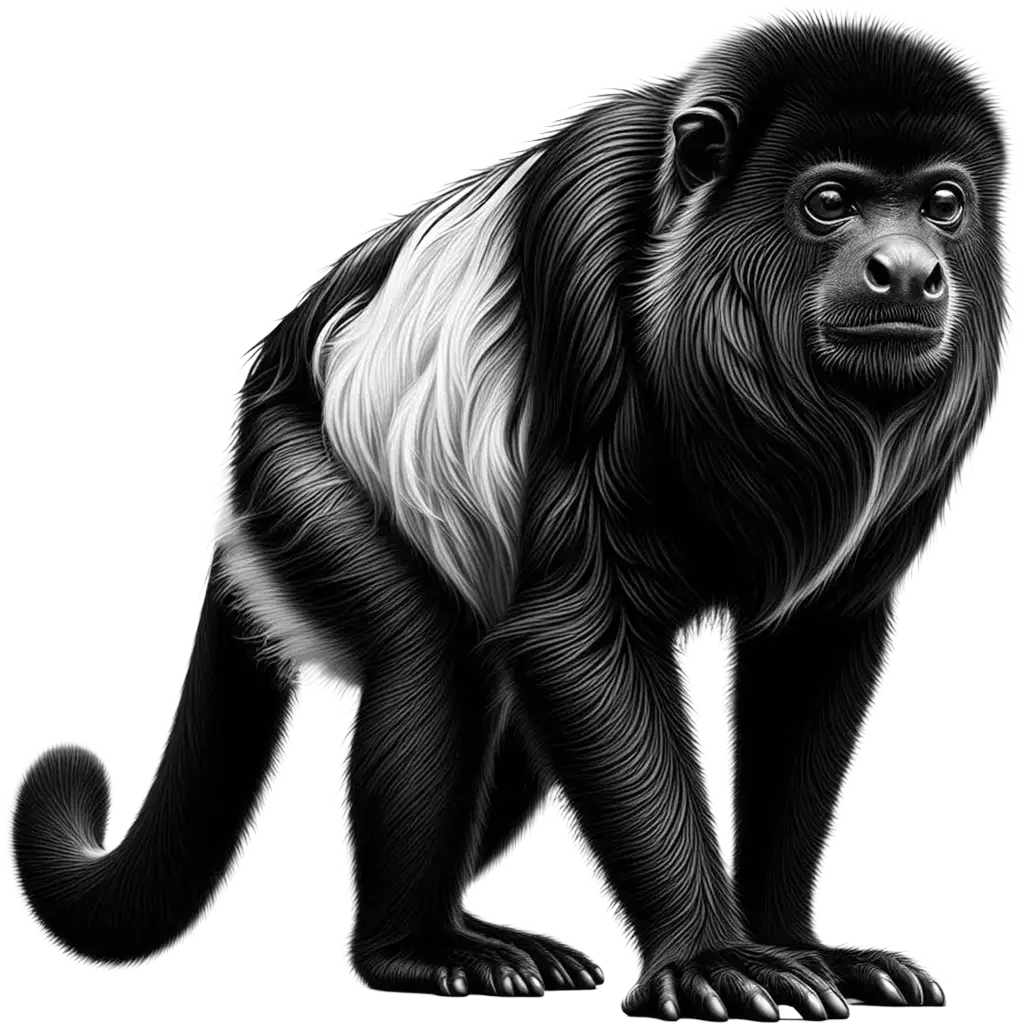
The Brown Howler, alouatta guariba, is a robust primate characterized by its thick brown fur, which can vary in shade from light brown to almost black. This species is notable for its large throat sac, used to amplify their distinctive howling calls, which can be heard up to several kilometers