
Ochotona Dauurica
Daurian Pika
Steppe, semi-desert, and mountainous areas
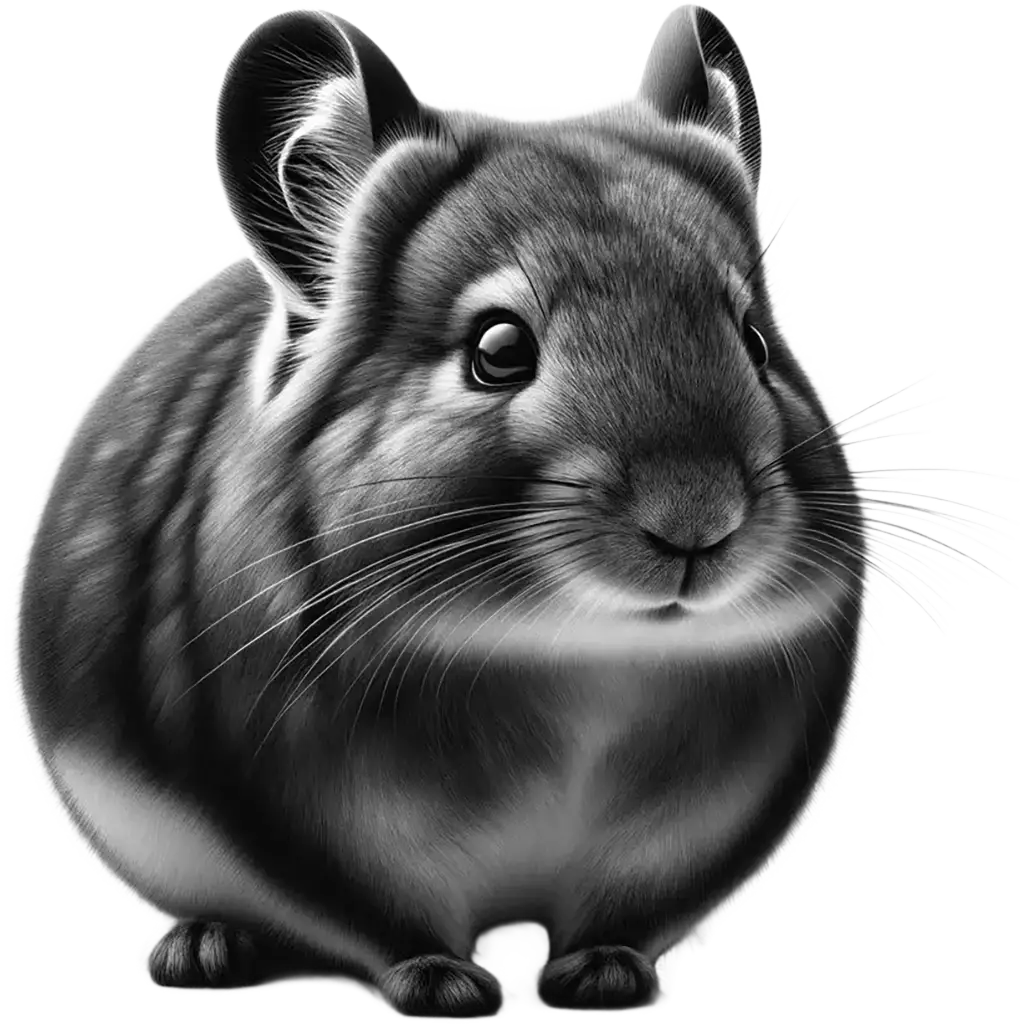
The Daurian Pika, ochotona dauurica, is a small, herbivorous mammal belonging to the pika family, which resides predominantly in the steppe regions of Mongolia, parts of Russia, and northern China. This species is characterized by its compact body, rounded ears, and absence of a visible tail, typical of pikas. Adult Daurian Pikas typically weigh between 100 to 200 grams and have a body length of approximately 15 to 20 centimeters. Their fur is a mix of gray and brown, which helps them blend into the rocky steppe environment to evade predators.
| Population: | Not precisely quantified, but not currently considered endangered |
| Generation Length: | 1 year |
| Average Weight: | Approximately 150-300 grams |
| Average Length: | 15-20 cm |
| Lifespan: | 3-5 years in the wild |
| Diet: | Grasses, herbs, and occasionally seeds and flowers |
| Conservation Status: | Least Concern (LC) |
Daurian Pikas are highly adapted to life in open landscapes, where they inhabit burrows and crevices among rocks. They are diurnal, with peak activities occurring during the cooler hours of dawn and dusk. These pikas are known for their social behavior, often living in close-knit colonies where they communicate with each other through a variety of vocalizations. Their calls are crucial for alerting others about the presence of predators and maintaining social bonds within the colony.
The diet of the Daurian Pika consists mainly of grasses, herbs, and other vegetation found in their steppe habitat. They are also known to practice food caching, storing dried plants in their burrows to consume during the winter months when food is scarce. This behavior underscores their ability to adapt to the harsh, seasonal climates of the steppe region.
Reproduction in Daurian Pikas is seasonal, with breeding occurring in the spring and early summer. Females can have multiple litters per year, each consisting of 2 to 6 young after a gestation period of about 30 days. The young pikas are born blind and furless but develop rapidly, venturing outside the burrow within a few weeks under the close watch of their parents.
The Daurian Pika is currently not listed as endangered, but like many species, it faces threats from habitat degradation and climate change. Their reliance on specific vegetation types makes them vulnerable to changes in their ecosystem, whether from overgrazing, agricultural expansion, or alterations in precipitation patterns. Conservation efforts for the Daurian Pika involve monitoring population trends and habitat conditions to ensure the stability of their populations and the ecosystems they inhabit.
Classifications
The Key Attributes
Features
- Movement:
Hopping
- Territorial Behavior:
Somewhat territorial; lives in family groups with defined territories
- Speed:
Quick, especially when darting to burrows for cover
- Diet:
Herbivore
- Physical Features:
- Small size
- Rounded ears
- Brownish-gray fur
- Short limbs
- Primary Senses:
- Hearing
- Sight
- Smell
Understanding Habitat and Range
Geography
- Habitat:
Steppe, semi-desert, and mountainous areas
- Migration Patterns:
Non-migratory
- Geographical Range:
Eastern Mongolia, northeastern China, and parts of Russia
- Climate Preferences:
Temperate, with adaptations for both hot and cold weather
Navigating the Wilderness
In the wild
- Predators:
Eagles, hawks, foxes, and weasels
- Prey:
Not applicable
- Feeding Behavior:
Diurnal, feeds on a variety of grasses and herbs
- Diet:
Grasses, herbs, and occasionally seeds and flowers
- Defensive Mechanisms:
- Rapid escape to burrows
- Vigilance and alarm calls
- Preferred Food Sources:
- Grasses
- Herbs
Insights Into Reproduction
Mating
- Mating System:
Monogamous or polygynous, depending on environmental conditions
- Number of Offspring:
2-13 young per litter, with the possibility of multiple litters per year
- Gestation Period:
About 30 days
- Parental Involvement:
- Female primarily cares for the young, with some species showing paternal care
Youngsters Section
Daurian Pika
Fun Fact
The Daurian pika is a small mammal found in Mongolia and parts of China and Russia.
These pikas are known for their vocalizations, using calls for communication and territory marking. Unlike other pika species, they don't store hay for winter survival. Instead, they gather food during warmer months and rely on their burrows for protection against harsh weather and predators.

Download word search puzzles
Word Search Puzzles

Check Out Other Mammals

The Javan Rhinoceros, rhinoceros sondaicus, is one of the world's rarest large mammals, a relic of the past that now teeters on the brink of extinction. This solitary, elusive creature is characterized by its grey, armor-like skin and a single horn that grows up to about 25 cm in length,
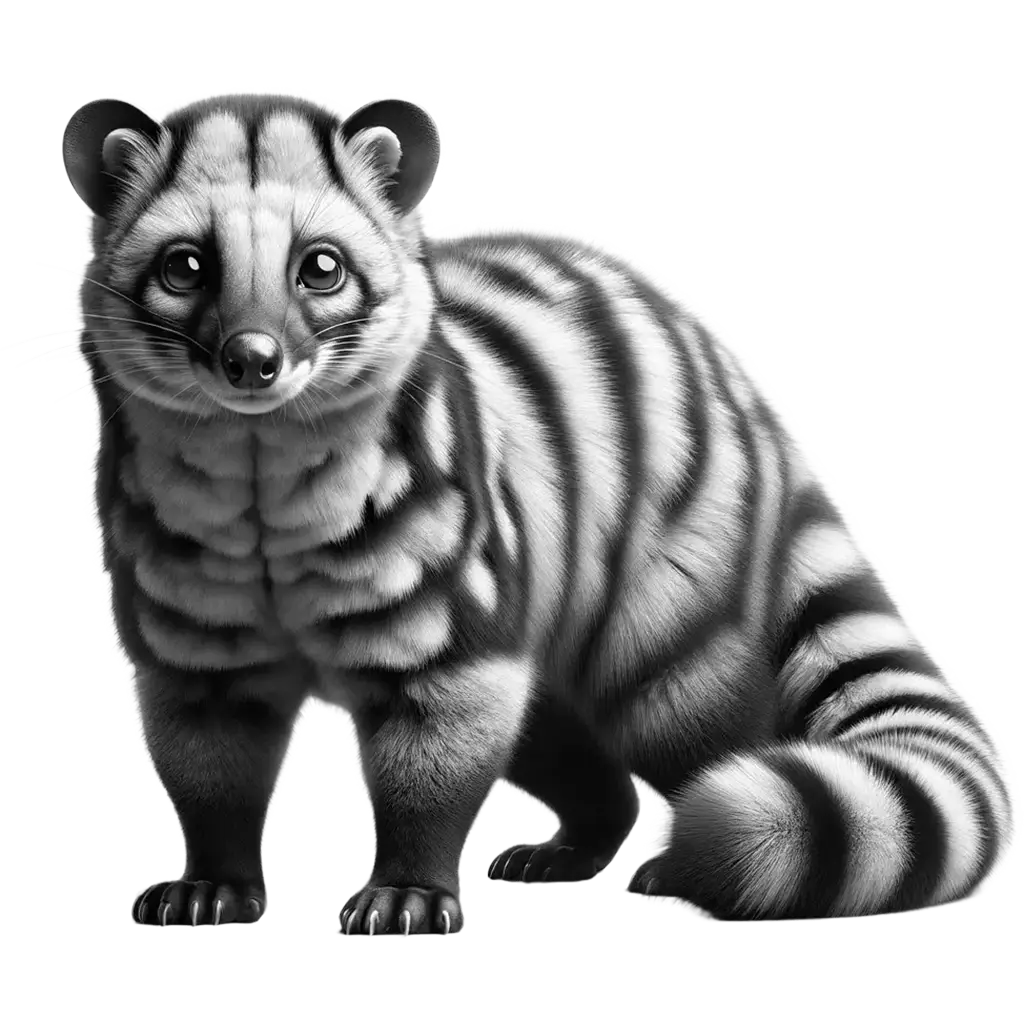
The Banded Palm Civet, hemigalus derbyanus, is a small, nocturnal mammal unique to the dense tropical forests of Southeast Asia, including Malaysia, Indonesia, and Thailand. Characterized by its striking appearance, this civet has a slender body measuring 41 to 53 cm in length, with a tail almost equal in length,
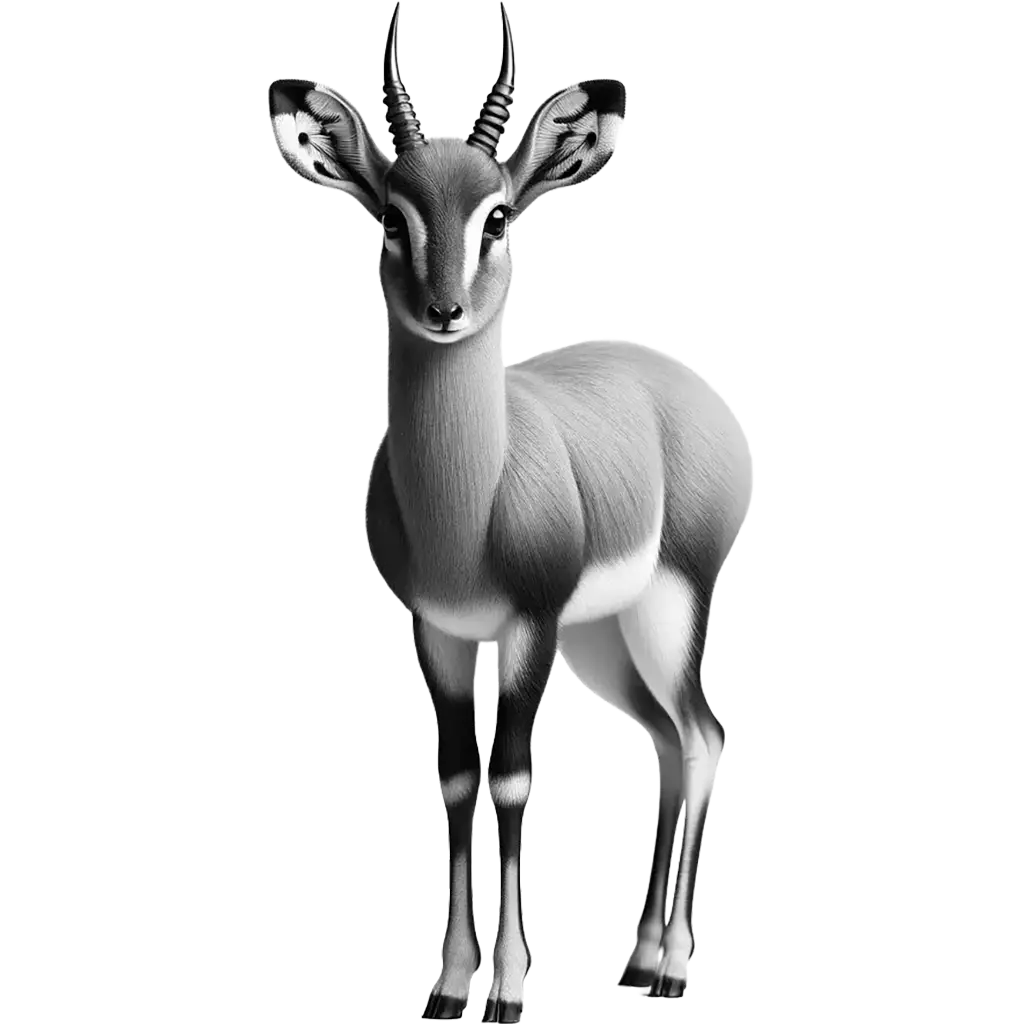
The Oribi, ourebia ourebi, is a small, elegant antelope found in the grasslands and savannas of sub-Saharan Africa. Standing approximately 50 to 68 cm (20 to 27 inches) at the shoulder and weighing between 12 to 22 kg (26 to 48 lbs), the Oribi exhibits a slender build, with a

The Leopard, panthera pardus, is a member of the Felidae family and one of the five big cats in the genus Panthera. Known for its beautifully spotted fur, the Leopard has a graceful, powerful body, allowing it to adapt to a variety of habitats including forests, mountains, grasslands, and deserts