
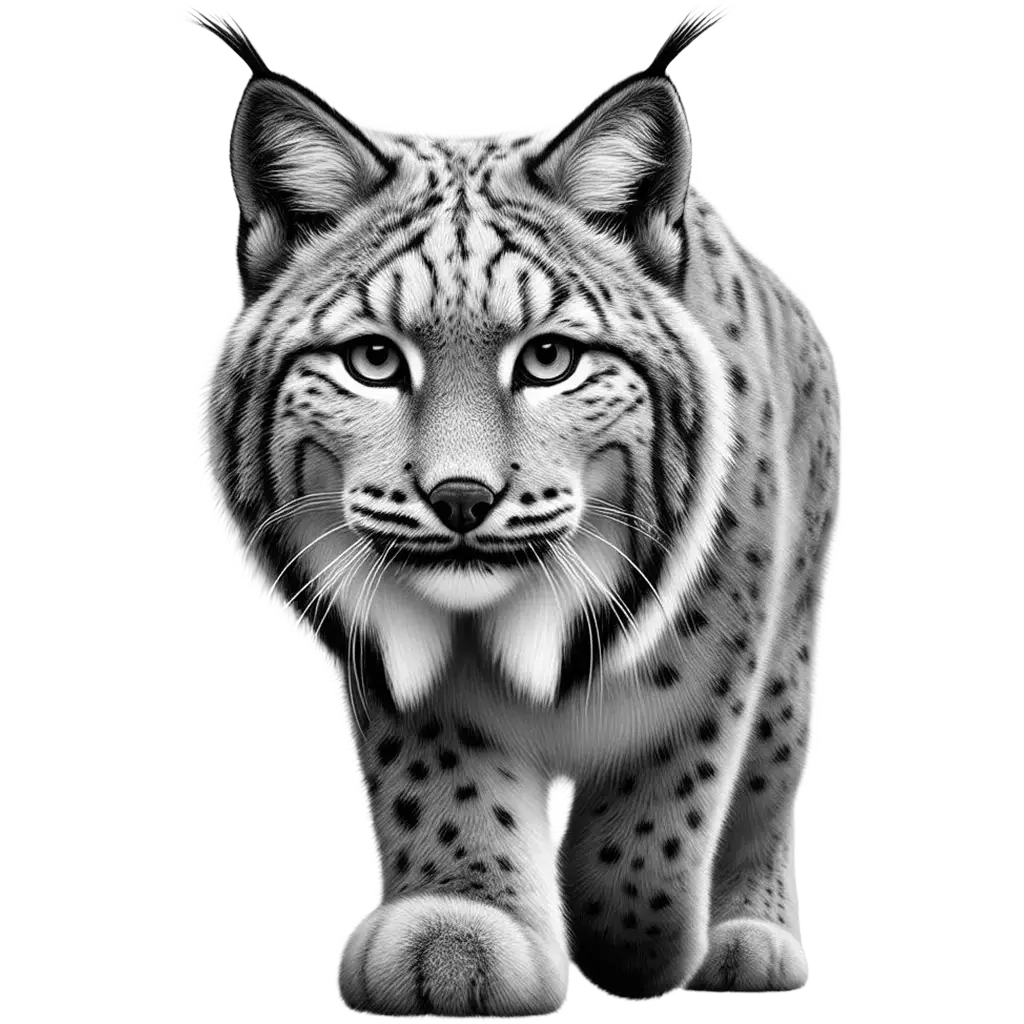
Lynx Canadensis
Canadian Lynx
Boreal forests, subalpine zones, and montane regions with dense cover
The Canada lynx, lynx canadensis, is a medium-sized wildcat native to North America, primarily found in the boreal forests of Canada and Alaska, with smaller populations extending into the northern United States. Characterized by its thick fur, prominent ear tufts, and large, padded paws that act as natural snowshoes, the Canada lynx is well-adapted to its cold, forested environment. Adults typically weigh between 8 to 11 kilograms, with a body length of 80 to 100 centimeters, excluding their short, black-tipped tail. Their fur, which varies in color from silver-gray to brown, provides excellent camouflage in their snowy habitat.
| Population: | Not precisely quantified; classified as Least Concern but populations are considered sensitive to environmental changes |
| Generation Length: | 3-4 years |
| Average Weight: | 8-11 kg |
| Average Length: | 80-100 cm (total length), including tail |
| Lifespan: | 10-14 years in the wild, longer in captivity |
| Diet: | Primarily snowshoe hares |
| Conservation Status: | Least Concern (LC) |
Canada lynx are solitary and elusive animals, with behaviors and territories that revolve largely around their primary prey, the snowshoe hare. Their populations fluctuate in a cycle that mirrors the abundance of these hares, demonstrating the lynx's dependency on this particular species for food. They are nocturnal hunters, utilizing their excellent hearing and eyesight to detect prey under the cover of night. During the day, they rest in sheltered areas or dense vegetation, emerging in the twilight hours to hunt.
The diet of the Canada lynx is highly specialized, with snowshoe hares constituting the majority of their intake. This diet is supplemented by birds, rodents, and occasionally larger animals like deer, when hare populations are low. Their hunting strategy involves stalking or ambushing prey, using their stealth and agility to capture food efficiently in their challenging environment.
Reproduction for the Canada lynx typically occurs once a year, with mating season taking place in late winter. After a gestation period of about 64 days, females give birth to a litter of one to four kittens. These kittens are born blind and helpless, relying on their mother for protection and nourishment. They remain with her through their first winter, learning vital survival skills before venturing out to establish their own territories.
The Canada lynx is currently listed as Least Concern by the IUCN, though its populations are subject to significant fluctuations due to the cyclic nature of snowshoe hare availability. Habitat destruction and fragmentation, particularly from logging and development, pose significant threats to lynx populations. Conservation efforts focus on habitat preservation, monitoring of hare and lynx populations, and legal protections to ensure the sustainability of this iconic boreal predator.
Classifications
The Key Attributes
Features
- Movement:
Quadrupedal
- Territorial Behavior:
Solitary except during mating season or mothers with kittens
- Speed:
Not specified; known for agility and stealth rather than speed
- Diet:
Carnivore, highly dependent on snowshoe hares
- Physical Features:
- Short tail
- Tufts of black hair on the tips of the ears
- Large paws for walking on snow
- Primary Senses:
- Sight
- Hearing
- Smell
Understanding Habitat and Range
Geography
- Habitat:
Boreal forests, subalpine zones, and montane regions with dense cover
- Migration Patterns:
Non-migratory, but may roam widely in search of food
- Geographical Range:
Canada, Alaska, and some parts of the northern United States
- Climate Preferences:
Cold, snowy environments
Navigating the Wilderness
In the wild
- Predators:
Mainly humans; young may be preyed upon by eagles, owls, and other carnivores
- Prey:
Primarily snowshoe hares, occasionally birds and small mammals
- Feeding Behavior:
Nocturnal and crepuscular, specializes in hunting snowshoe hares
- Diet:
Primarily snowshoe hares
- Defensive Mechanisms:
- Camouflage
- Climbing trees
- Preferred Food Sources:
- Snowshoe hares
Insights Into Reproduction
Mating
- Mating System:
Polygynous
- Number of Offspring:
1-4 kittens
- Gestation Period:
About 64 days
- Parental Involvement:
- Mother raises the kittens alone, teaching them to hunt before they disperse
Youngsters Section
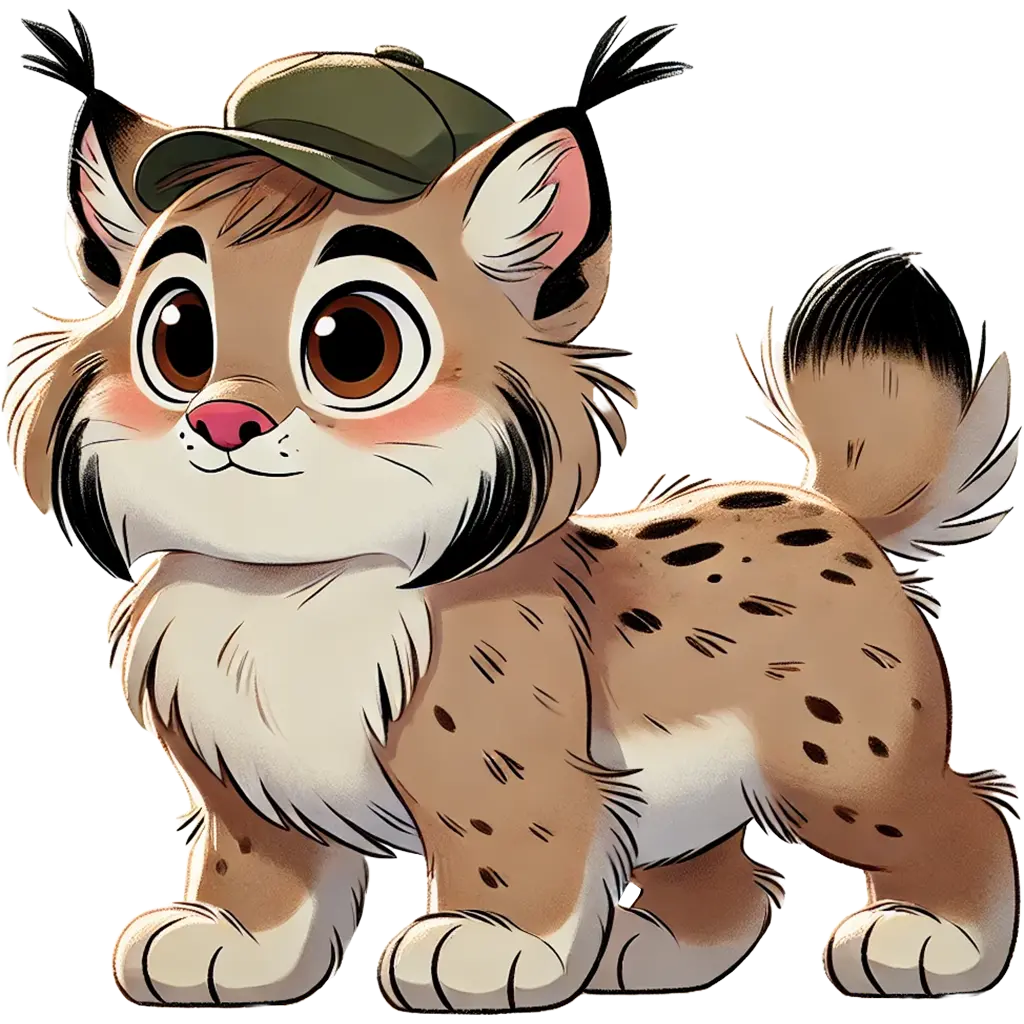
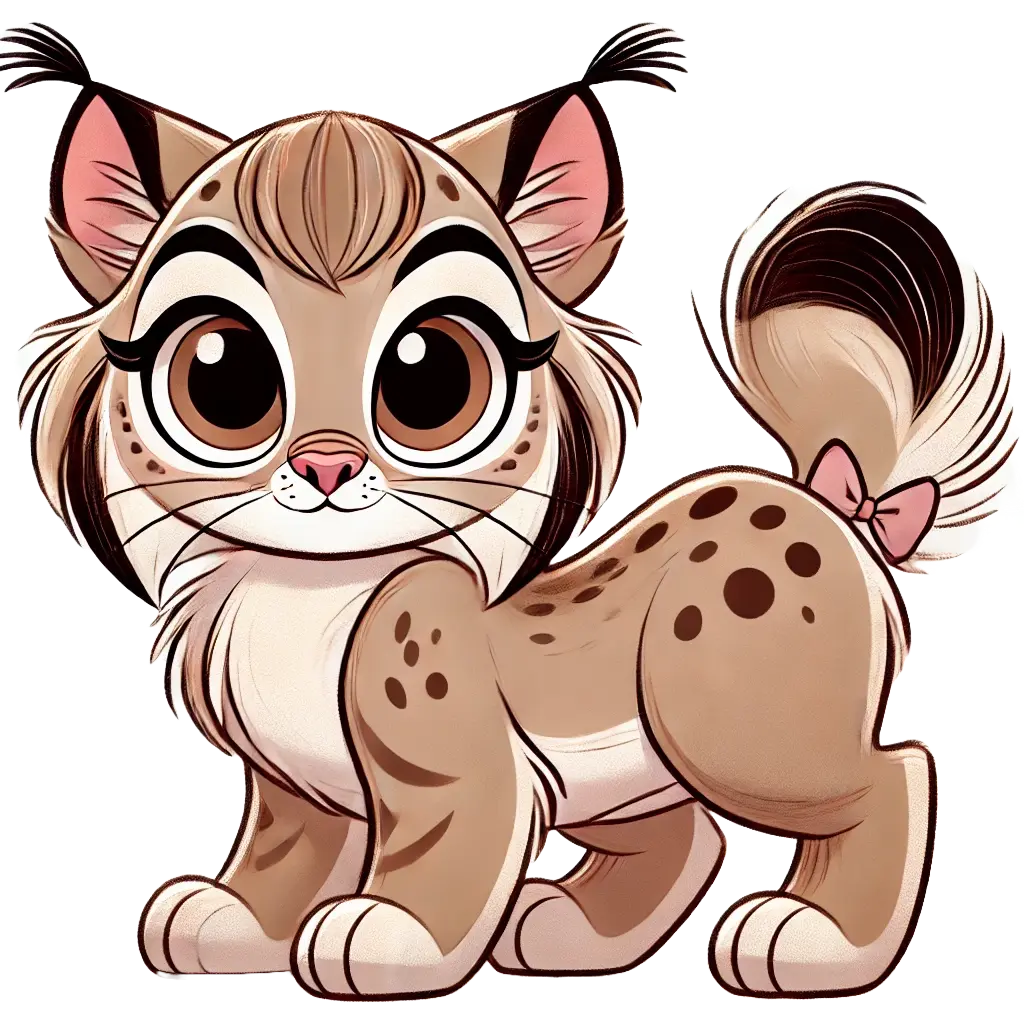
Canadian Lynx
Fun Fact
The Canadian lynx has large, snowshoe-like paws that help it walk on snow.
These specialized paws distribute the lynx's weight evenly, preventing it from sinking into deep snow. This adaptation is crucial for hunting snowshoe hares, its primary prey. The lynx's thick fur and long ear tufts also aid in surviving harsh Canadian winters.

Download word search puzzles
Word Search Puzzles
Check Out Other Mammals

The Italian Greyhound, a slender and elegant toy breed, epitomizes grace and refinement. Known for their sleek, fine-boned structure, they possess a short and glossy coat that comes in a variety of colors, including gray, slate gray, red, fawn, blue, and black. Adults stand about 33 to 38 cm tall
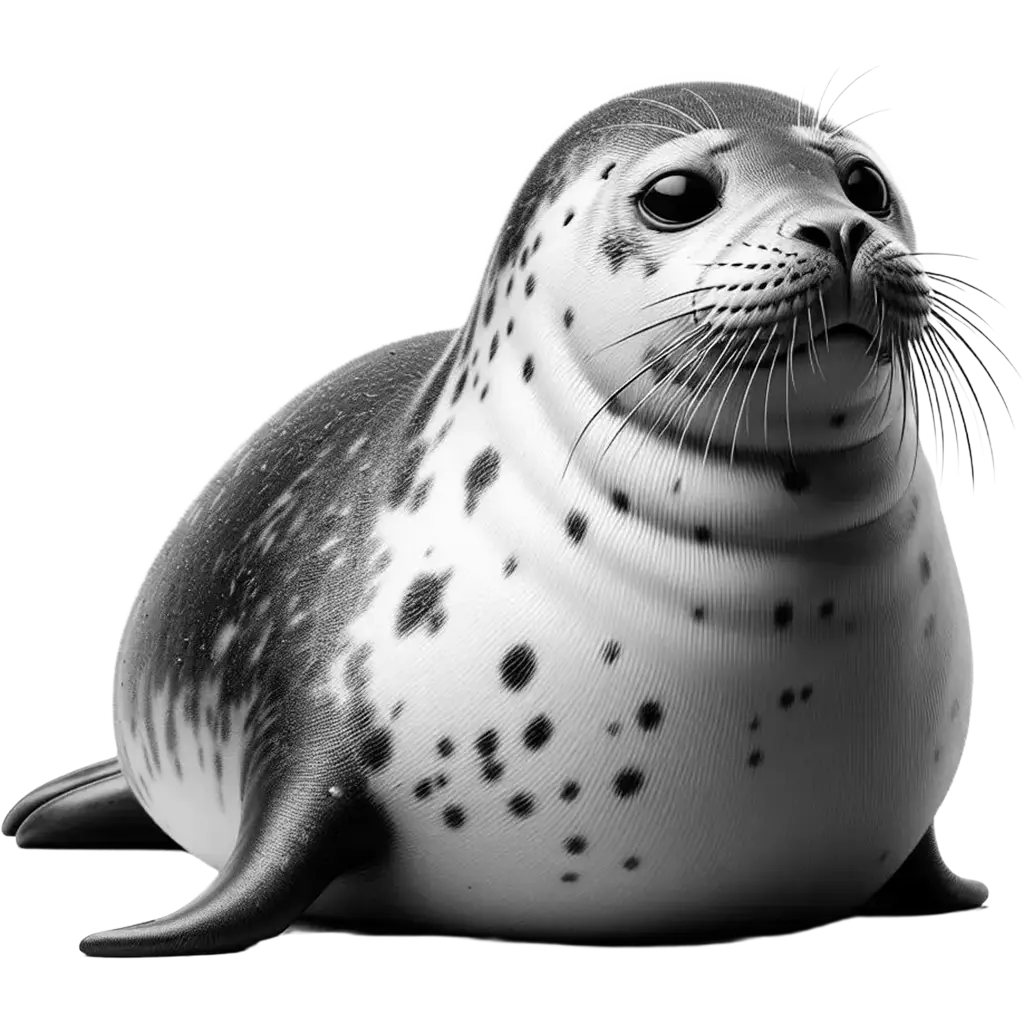
The Harbor Seal, Phoca vitulina, is a widespread species of seal found in temperate coastal waters of the Northern Hemisphere, including the North Atlantic and Pacific Oceans. Adults typically measure between 1.5 to 1.9 meters (5 to 6.25 feet) in length and weigh between 55 to 168 kilograms (120 to
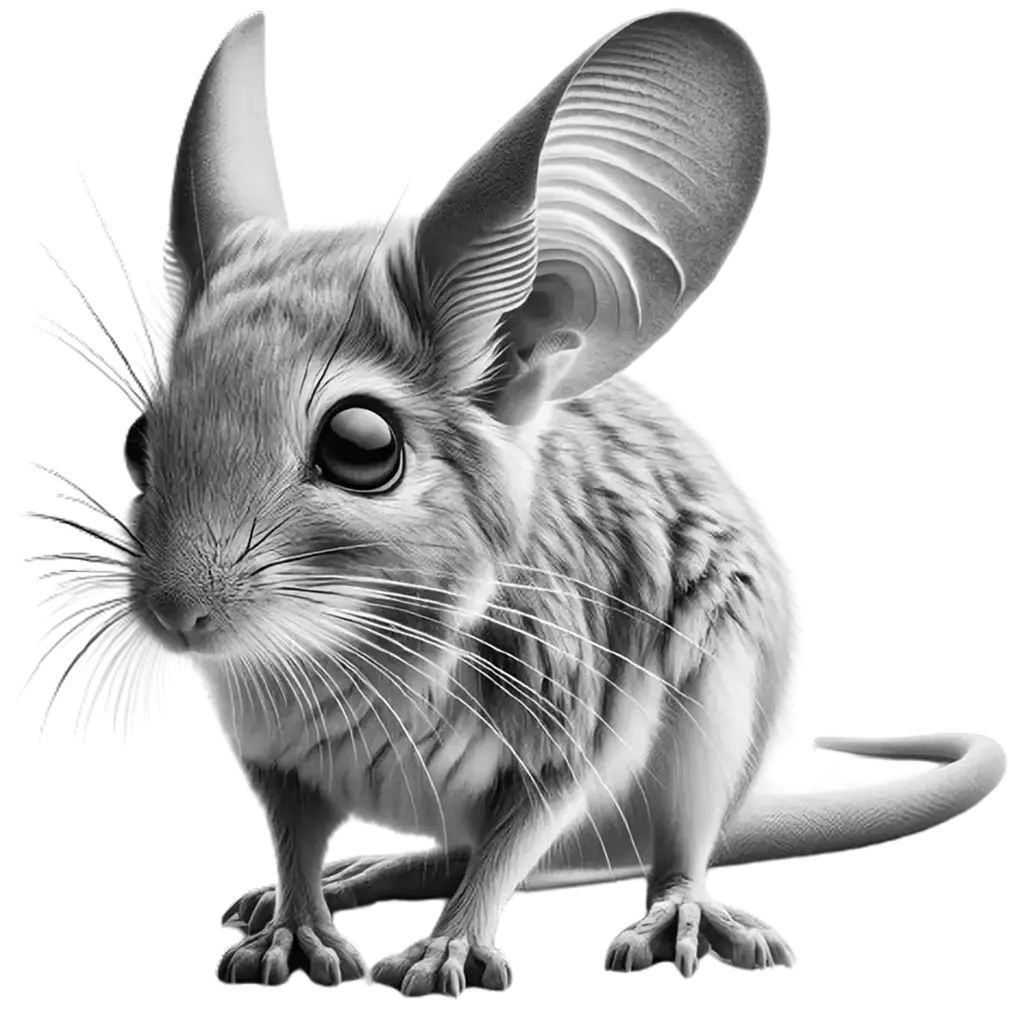
Williams's Jerboa, scarturus williamsi, is a small, nocturnal rodent known for its distinctive long hind legs and short forelimbs, enabling it to leap significant distances, much like a kangaroo. This adaptation is crucial for escaping predators and traversing its desert habitat. Its coat is typically sandy or pale brown, blending
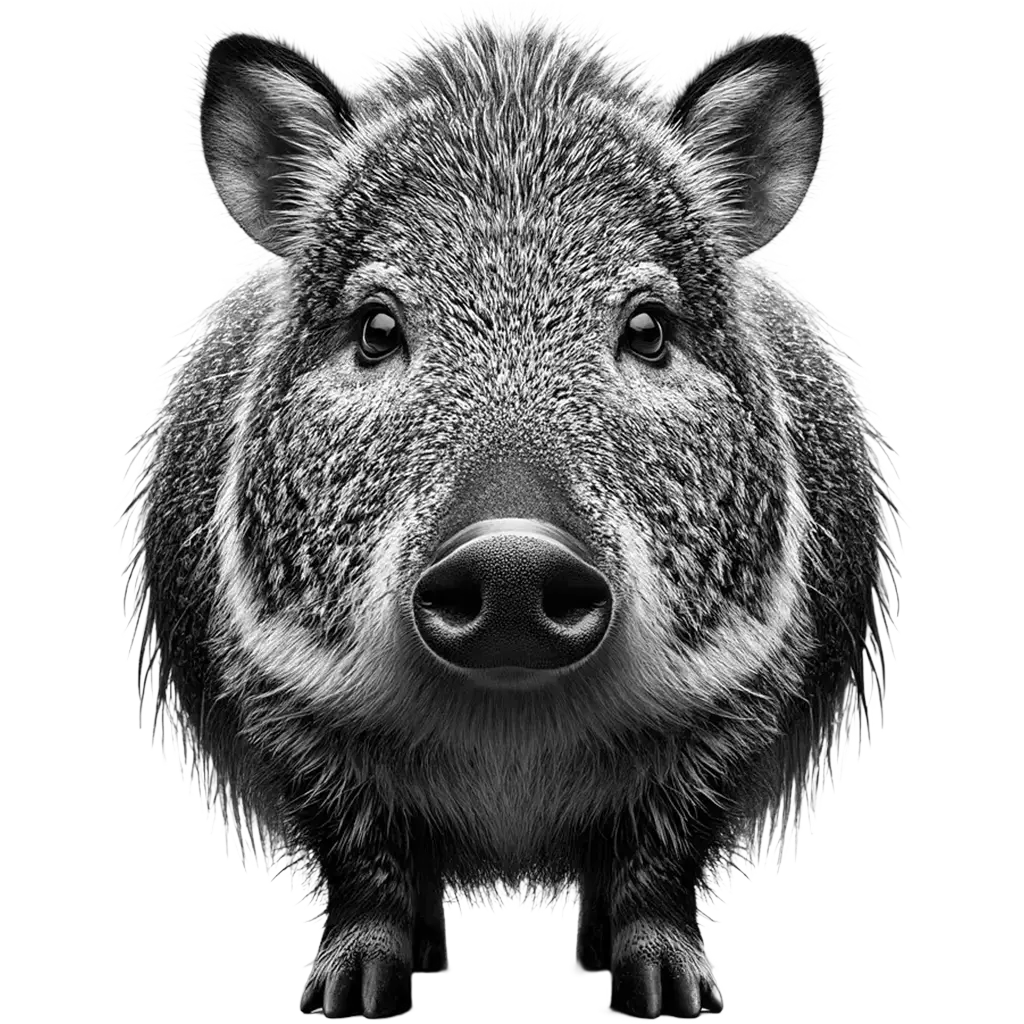
The Collared Peccary, dicotyles tajacu, commonly referred to as the javelina, is a medium-sized, hoofed mammal of the New World pig family, found throughout Central and South America and the southwestern United States. Distinguished by its dark gray body, coarse hair, and a white to yellowish collar of fur around