
Bubalus Mindorensis
Tamaraw
Primarily in dense mountainous forests and grasslands
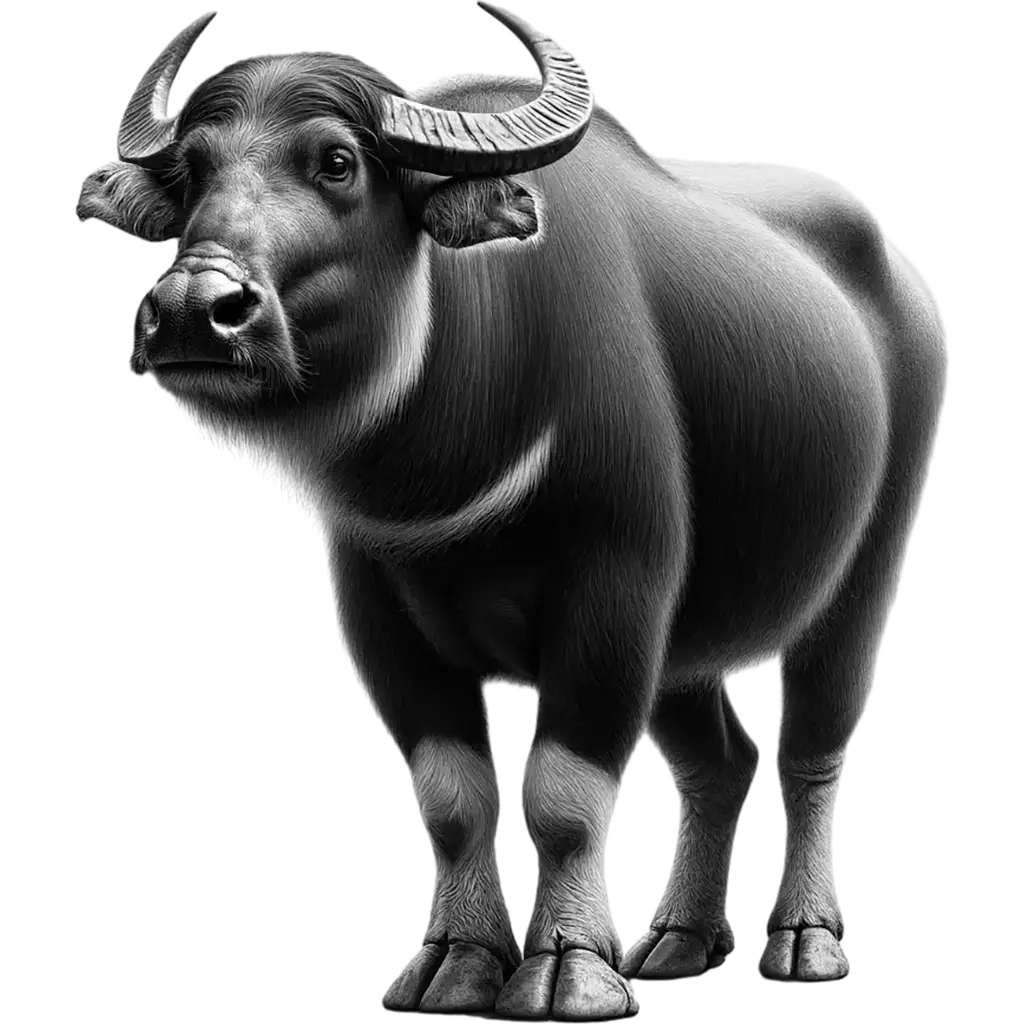
The Tamaraw, bubalus mindorensis, is a small, critically endangered buffalo species indigenous to the island of Mindoro in the Philippines. Adults stand about 1 to 1.2 meters at the shoulder, making them significantly smaller than the closely related water buffalo. They have a stocky build, with short, V-shaped horns that grow straight upward, each measuring 35 to 50 cm in length. The Tamaraw's dense coat is dark brown to grayish black, providing camouflage in their natural habitat. This species is distinguished by its solitary and elusive nature, differing from the gregarious behavior observed in most buffalo and cattle species.
| Population: | Listed as Critically Endangered with very limited and declining numbers |
| Generation Length: | 8-10 years |
| Average Weight: | 180-300 kg |
| Average Length: | 2.2 meters long, including head and body, with a shoulder height of about 1 meter |
| Lifespan: | 20-25 years in the wild |
| Diet: | Herbivorous, primarily grazing on available plant material |
| Conservation Status: | Critically Endangered (CR) |
Tamaraws are primarily found in dense mountainous forests and grasslands, where they graze on a variety of grasses, bamboo shoots, and other vegetation. They are diurnal, being most active during the cooler hours of the day. Due to their shy nature and preference for dense vegetation, Tamaraws are difficult to observe in the wild. Their habitat preferences have made them highly vulnerable to habitat loss and degradation, driven by agricultural expansion, logging, and mining.
The diet of the Tamaraw is herbivorous, consisting mainly of grasses, leaves, and shoots. This diet reflects their role in the ecosystem as grazers, contributing to the maintenance of grassland habitats and the dispersal of plant seeds. Their feeding behavior plays a crucial role in shaping the vegetation structure of their environment.
Reproduction in Tamaraws is not well-documented, but it is known that females give birth to a single calf after a gestation period that is likely comparable to that of domestic buffalo, approximately 10 to 11 months. Calves are highly dependent on their mothers for the first few months of life, staying close for protection and nourishment.
The population of the Tamaraw is critically endangered, with only a few hundred individuals remaining in the wild. Efforts to conserve the Tamaraw focus on habitat protection, anti-poaching measures, and the establishment of protected areas and reserves. The species' critical status highlights the urgent need for conservation action to prevent the extinction of this unique and iconic species.
Classifications
The Key Attributes
Features
- Movement:
Walking, running
- Territorial Behavior:
Solitary or in small groups, very territorial
- Speed:
Capable of quick bursts of speed when threatened
- Diet:
Herbivore
- Physical Features:
- Stocky body with short, stout legs
- Distinctive V-shaped horns used for defense
- Dense, dark brown to greyish coat
- Relatively short tail
- Primary Senses:
- Sight
- Hearing
- Smell
Understanding Habitat and Range
Geography
- Habitat:
Primarily in dense mountainous forests and grasslands
- Migration Patterns:
Non-migratory, with a tendency to remain in defined territories
- Geographical Range:
Endemic to Mindoro Island, Philippines
- Climate Preferences:
Prefers tropical forest environments
Navigating the Wilderness
In the wild
- Predators:
Humans are the primary threat; historically, larger predators are absent from its range
- Prey:
Not applicable
- Feeding Behavior:
Feeds on grasses, bamboo shoots, and other vegetation
- Diet:
Herbivorous, primarily grazing on available plant material
- Defensive Mechanisms:
- Using horns for defense against threats
- Hiding in dense vegetation to avoid detection
- Preferred Food Sources:
- Areas with abundant grass and bamboo, preferably in undisturbed forest areas
Insights Into Reproduction
Mating
- Mating System:
Polygynous, with males competing for access to females
- Number of Offspring:
Usually one calf
- Gestation Period:
About 276-315 days
- Parental Involvement:
- Females are solely responsible for rearing the calf
Youngsters Section
Tamaraw
Fun Fact
The tamaraw is a rare, dwarf buffalo found only on Mindoro Island in the Philippines.
This critically endangered mammal is unique due to its V-shaped horns and solitary behavior, unlike other buffaloes. Conservation efforts are vital, as habitat loss and hunting have severely decreased its population. The tamaraw is a symbol of pride for the people of Mindoro.

Download word search puzzles
Word Search Puzzles


Check Out Other Mammals
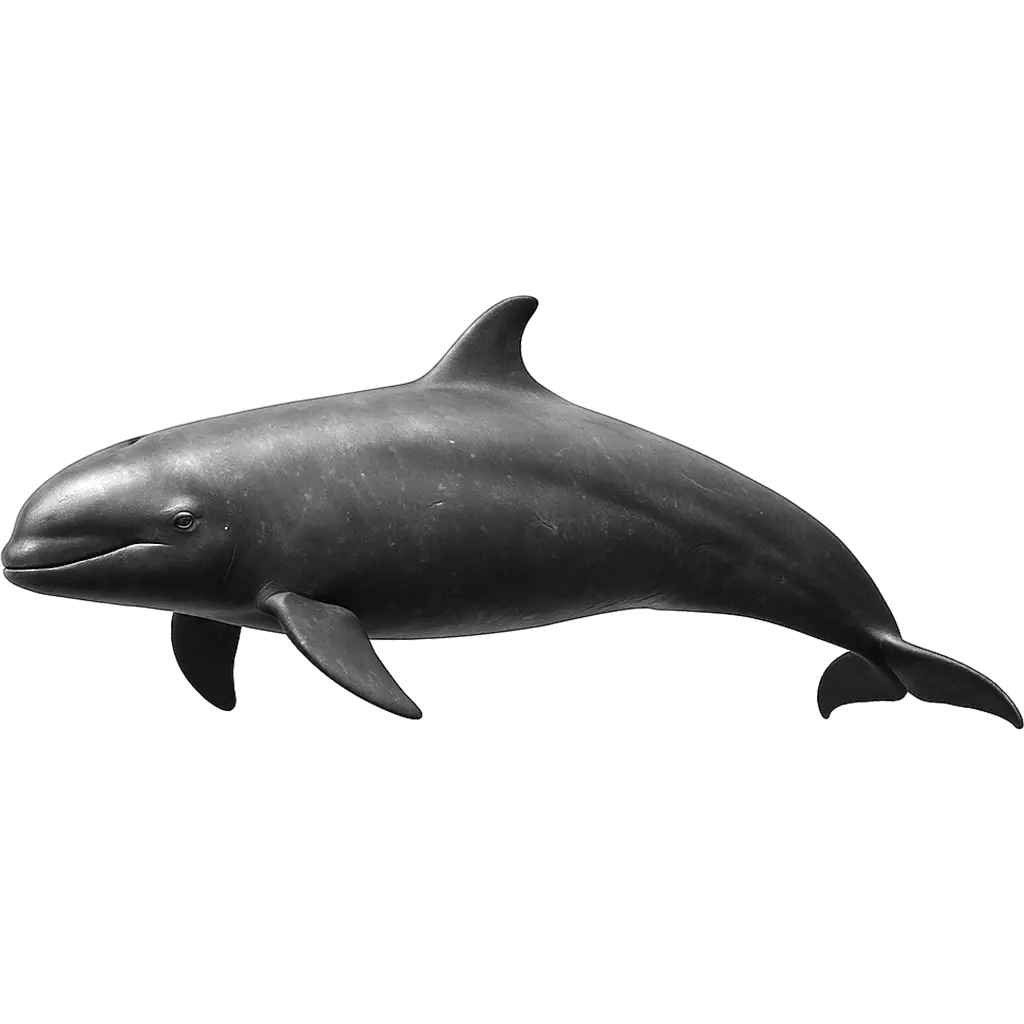
The False Killer Whale exhibits a sleek, robust body with a dark, uniform coloration that ranges from deep gray to nearly black. Its streamlined form and powerful flippers enable graceful, efficient movement through the ocean. A prominent dorsal fin and a tapered head add to its striking appearance, while the

The Tayra, eira barbara, is a versatile and adaptable member of the weasel family, notable for its slender body, elongated head, and bushy tail. Adult Tayras can reach lengths of 60 to 70 cm, not including their tail, which adds an additional 37 to 46 cm, and they weigh between
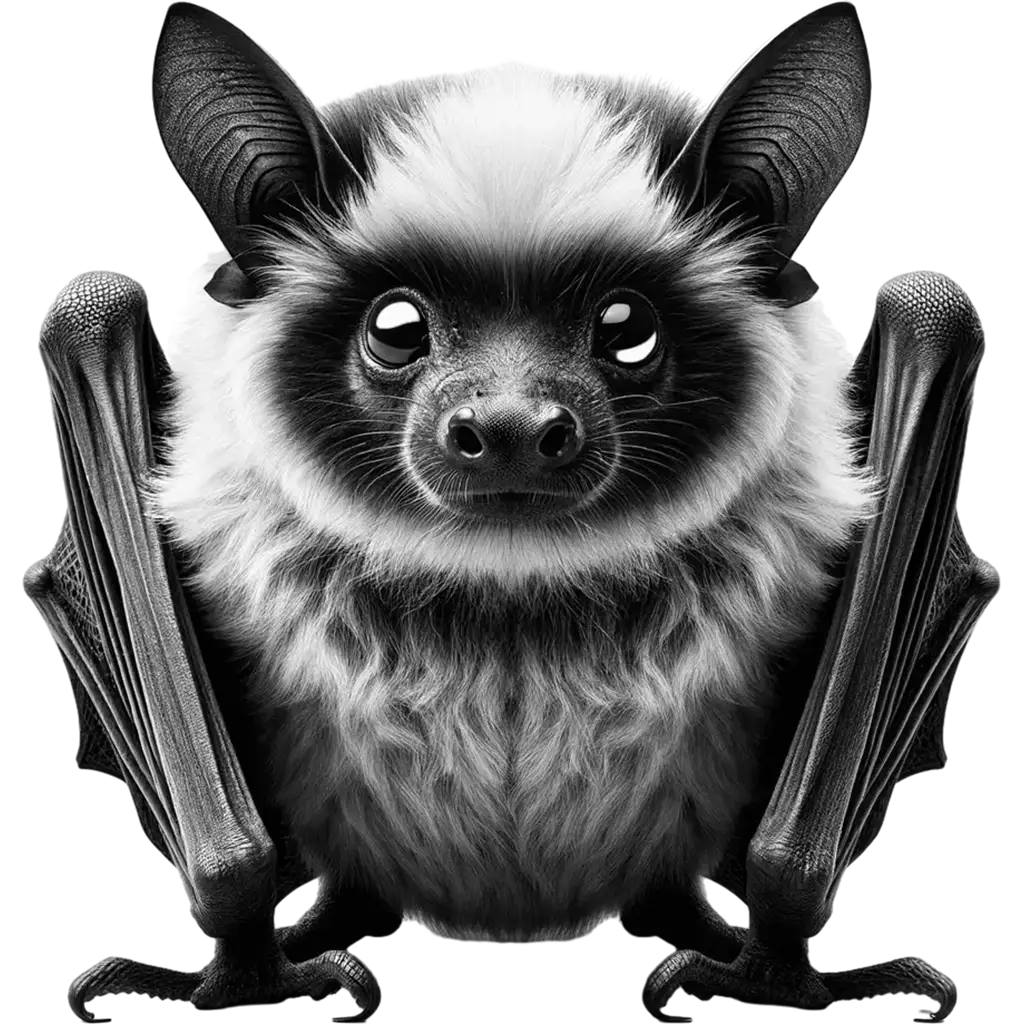
The Parti-Coloured Bat, vespertilio murinus, is a medium-sized bat species distinguished by its unique two-toned fur, from which it derives its name. The back of the bat features a contrasting pattern of dark brown or black with frosted tips, while the underside is a lighter grey or white, providing it
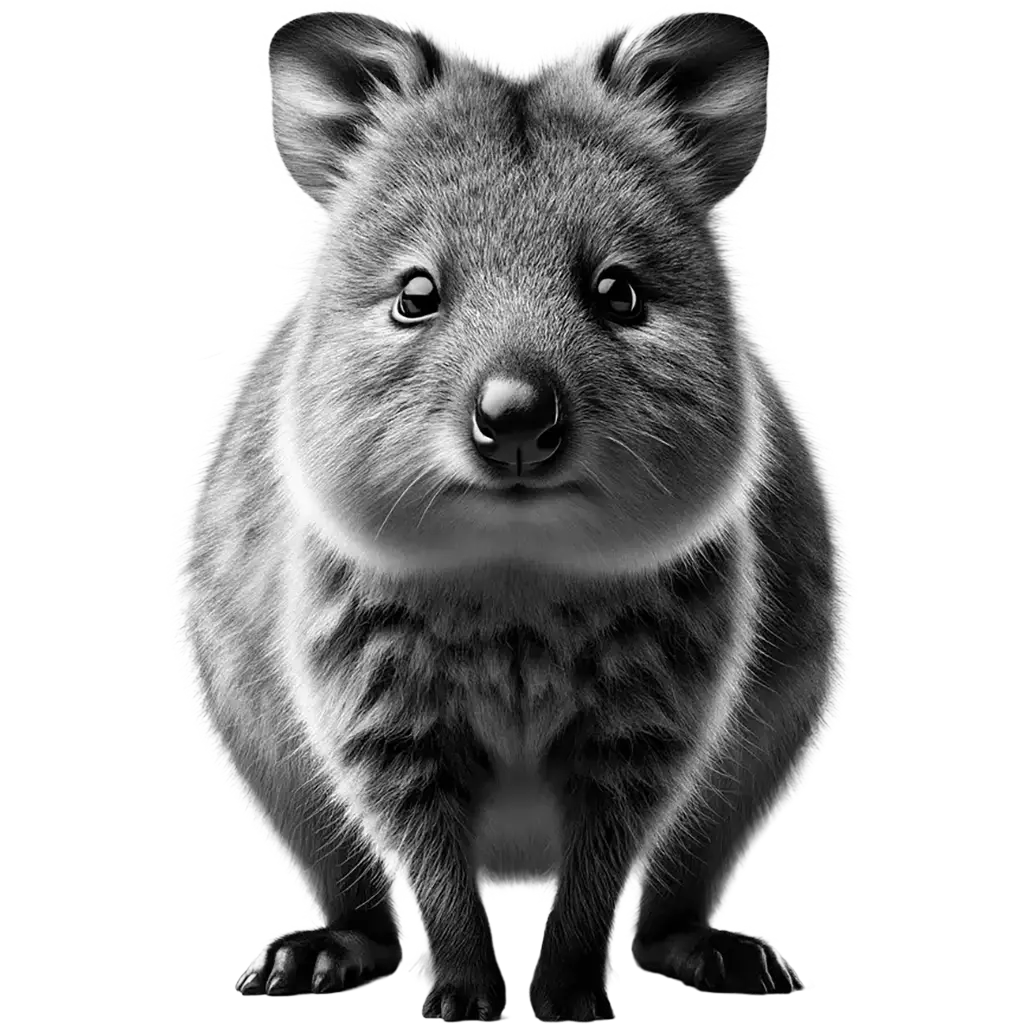
The Quokka, setonix brachyurus, is a small marsupial native to small islands off the coast of Western Australia, most notably Rottnest Island, as well as some areas in the mainland's southwestern part. Recognizable by its compact, rounded body, the Quokka is roughly the size of a domestic cat, with adults