
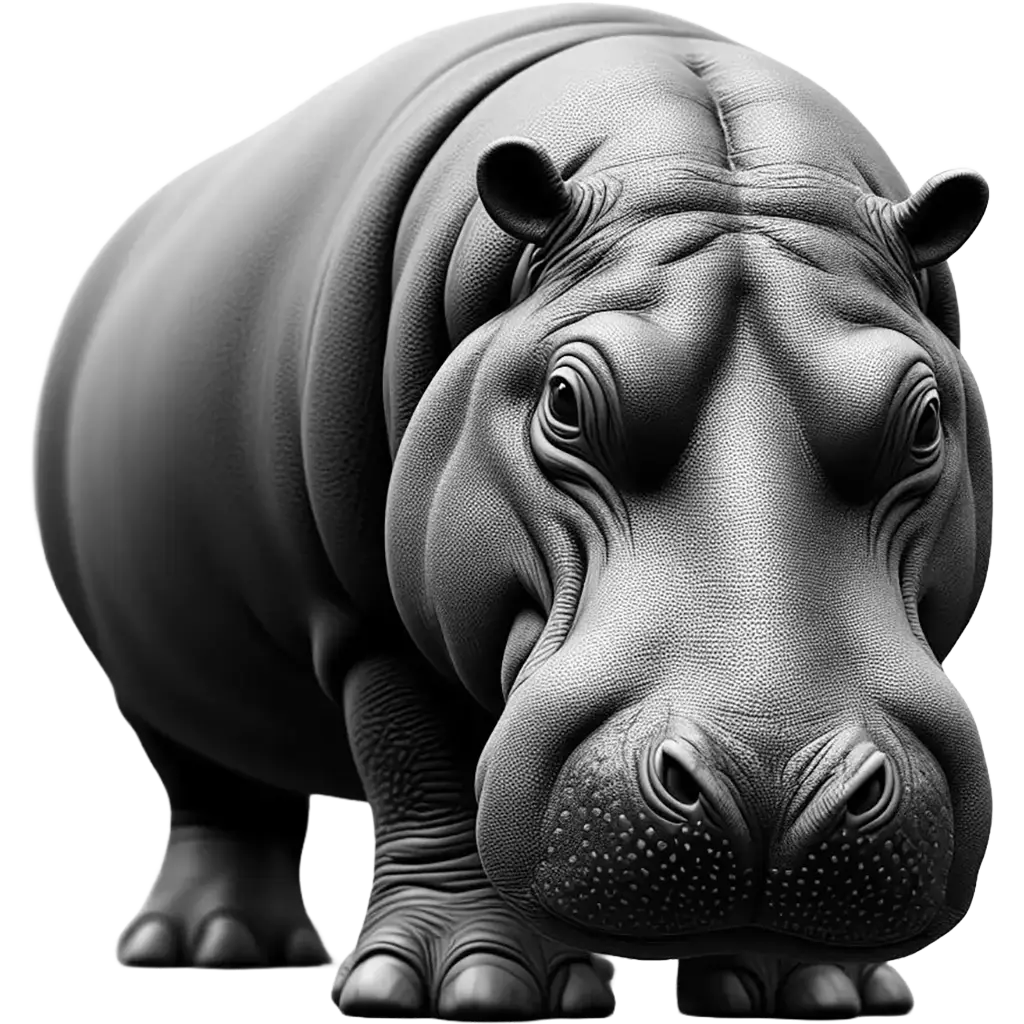
Hippopotamus Amphibius
Common Hippopotamus
Rivers, lakes, and mangrove swamps
The Common Hippopotamus, hippopotamus amphibius, is a large, mostly herbivorous mammal native to sub-Saharan Africa, known for its immense size, with adults commonly weighing between 1,500 to 3,200 kilograms, though some males can weigh as much as 4,500 kilograms. Characterized by their barrel-shaped torsos, wide-opening mouths revealing large canine tusks, nearly hairless bodies, and short legs, hippos are the third-largest living land mammals after elephants and white rhinos. Their skin secretes a natural sunscreen substance, which is red-colored and known as "blood sweat," giving them a unique appearance when out of water.
| Population: | Estimated to be between 115,000 and 130,000, listed as Vulnerable |
| Generation Length: | 8-12 years |
| Average Weight: | 1,500-3,200 kg for males, 1,300-1,500 kg for females |
| Average Length: | 2.7-5.0 m in length |
| Lifespan: | 40-50 years in the wild, up to 60 years in captivity |
| Diet: | Grasses |
| Conservation Status: | Vulnerable (VU) |
Hippos spend much of their time submerged in rivers and lakes to keep their massive bodies cool under the hot African sun, emerging at dusk to graze on grasses. Despite their stocky shape and short legs, hippos can run fast and are highly agile in water. They live in groups, known as pods, which can consist of dozens of individuals, including females with their young, and are led by a dominant male. These semi-aquatic mammals are essential for maintaining the ecosystem balance by controlling vegetation and creating pathways used by other animals to access water.
The diet of the Hippopotamus is herbivorous, primarily grazing on grasses. They can consume up to 40 kilograms of grass each night during their feeding forays. Despite their large size and aquatic lifestyle, hippos do not eat aquatic plants to a significant extent. They play a crucial role in their ecosystem not only through their grazing but also by transporting nutrients from land to water bodies.
Reproduction in hippos occurs in water, with a single calf born after a gestation period of about eight months. Calves can swim almost immediately and are often seen riding on their mothers' backs. Mothers are fiercely protective of their offspring, which are vulnerable to crocodiles, lions, and hyenas.
The Hippopotamus is currently listed as Vulnerable by the IUCN Red List, with populations threatened by habitat loss and poaching for their ivory canines, meat, and hide. The decline in their natural habitat due to agricultural expansion and increased human activity near water bodies poses significant risks. Conservation efforts are focused on habitat protection, anti-poaching measures, and promoting coexistence with local communities to ensure the survival of this iconic species.
Classifications
The Key Attributes
Features
- Movement:
Swimming in water, walking on land
- Territorial Behavior:
Highly territorial in water
- Speed:
Can run up to 30 km/h on land over short distances
- Diet:
Herbivore
- Physical Features:
- Large body with short legs and a huge mouth
- Nearly hairless skin, thick and greyish
- Eyes, ears, and nostrils located high on the head for submersion
- Primary Senses:
- Hearing
- Sight
- Smell
Understanding Habitat and Range
Geography
- Habitat:
Rivers, lakes, and mangrove swamps
- Migration Patterns:
Non-migratory, but may travel long distances to find suitable habitats or food
- Geographical Range:
Sub-Saharan Africa
- Climate Preferences:
Tropical and subtropical
Navigating the Wilderness
In the wild
- Predators:
Humans are the primary threat; young hippos may be preyed upon by lions, crocodiles, and hyenas
- Prey:
Not applicable
- Feeding Behavior:
Nocturnal, feeds on grasses
- Diet:
Grasses
- Defensive Mechanisms:
- Size and aggression
- Powerful jaws and teeth
- Preferred Food Sources:
- Short grasses
Insights Into Reproduction
Mating
- Mating System:
Polygynous
- Number of Offspring:
1 calf
- Gestation Period:
8 months
- Parental Involvement:
- Mother provides extensive care, guarding and nursing the calf
Youngsters Section
Common Hippopotamus
Fun Fact
Hippos are one of the largest semi-aquatic animals, often found in African rivers and lakes.
Despite their size, hippos can run up to 19 mph on land. They spend most of their day in water to keep cool and can hold their breath for about five minutes. Hippos are more closely related to whales and dolphins than any other land mammal.

Download word search puzzles
Word Search Puzzles

Check Out Other Mammals
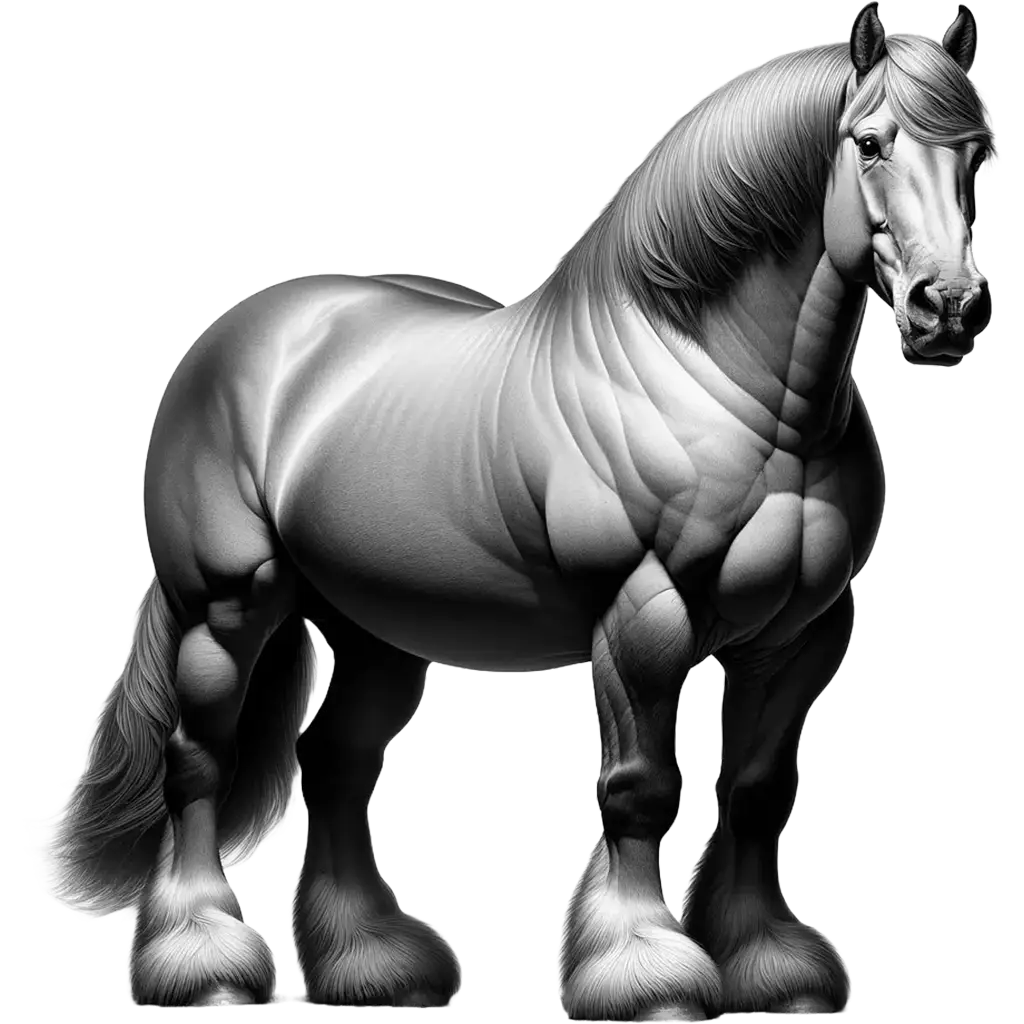
The Suffolk Punch, also known as the suffolk horse, is a distinguished breed of draft horse known for its strength, endurance, and docility. Originating from Suffolk, England, in the 16th century, this breed is characterized by its chestnut color, which ranges from bright copper to dark liver, and is the

The Belgian Shepherd, also known as the Belgian Sheepdog, encompasses four distinct varieties: the Groenendael, Laekenois, Malinois, and Tervuren. Each variety is recognized for its unique coat type and color but shares a common ancestry and similar physical characteristics. Adult Belgian Shepherds typically stand between 56 to 66 cm (22
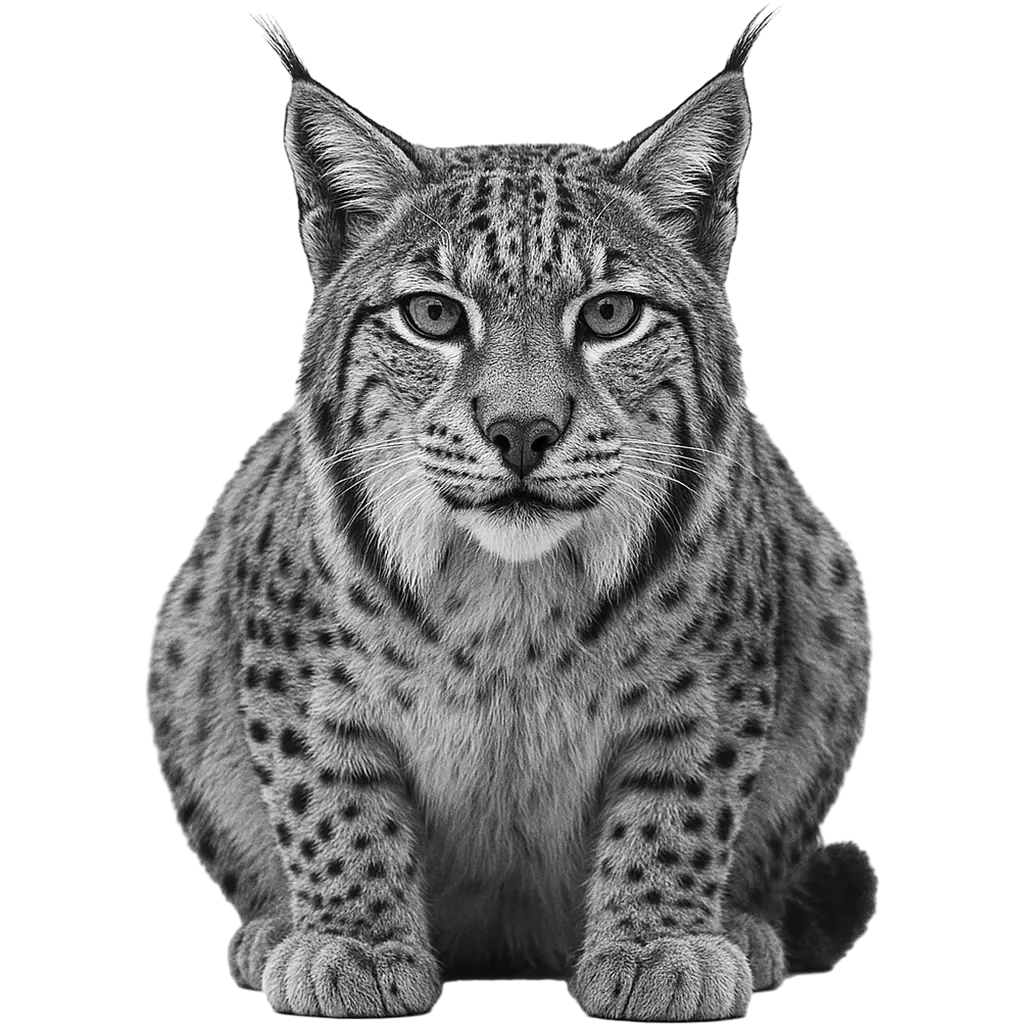
The Iberian Lynx is a medium-sized wildcat standing roughly 60 centimeters at the shoulder and measuring between 85 and 110 centimeters in body length, excluding a short 12 to 30 centimeter tail. Its dense, spotted tawny coat provides effective camouflage in scrubland, with larger spots on the back and smaller
The Noriker, norico-pinzgauer, is a breed of draft horse that originated in the mountainous regions of Austria and northern Italy. Known for their large, muscular build and calm, cooperative temperament, Norikers are typically 15 to 16 hands high (60 to 64 inches at the shoulder) and weigh between 500 to