
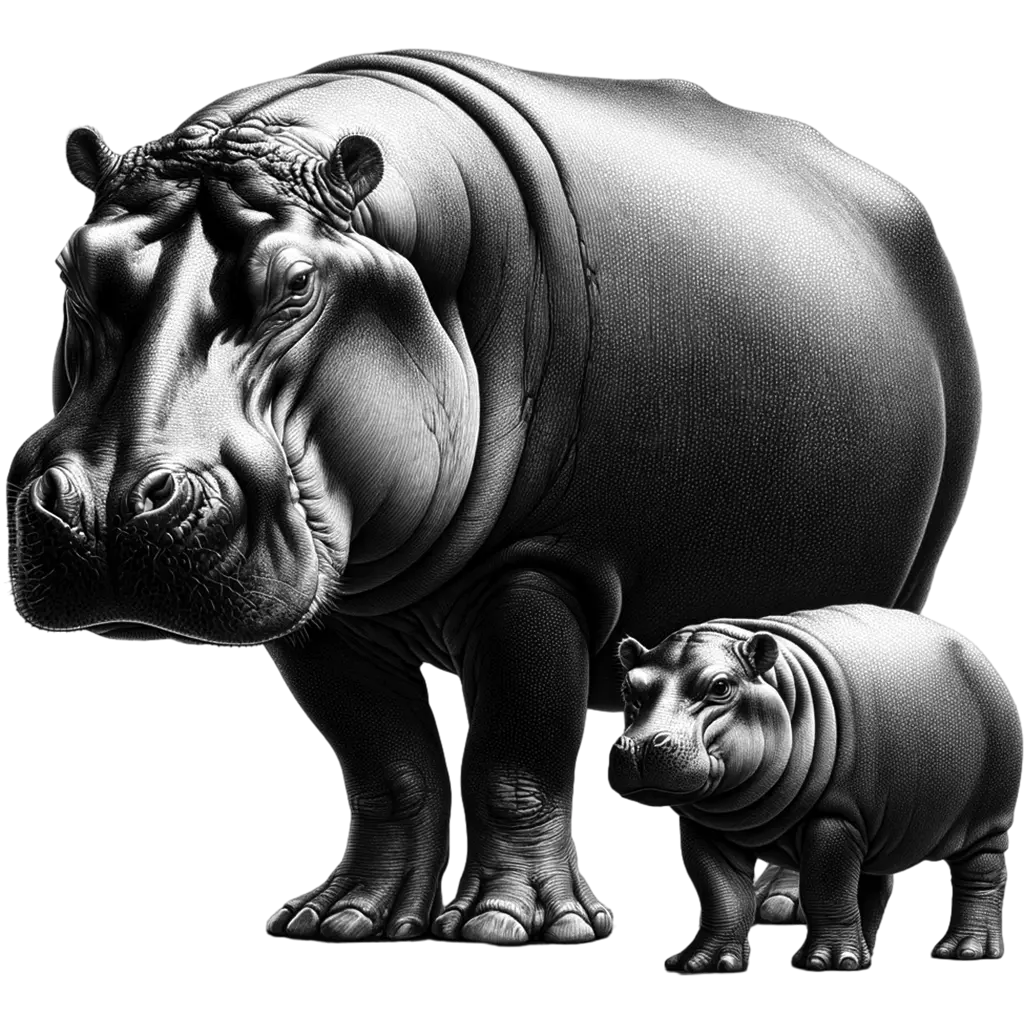
Top ten fascinating facts about
Common Hippopotamus
Hippopotamus Amphibius
Hippos are one of the largest semi-aquatic animals, often found in African rivers and lakes. Despite their size, hippos can run up to 19 mph on land. They spend most of their day in water to keep cool and can hold their breath for about five minutes. Hippos are more closely related to whales and dolphins than any other land mammal.
Hippopotamuses are the third-largest land mammals after elephants and white rhinos
Weighing up to 3,200 kilograms (about 7,050 pounds) for males, hippos are enormous creatures native to sub-Saharan Africa. Their massive size is surpassed only by elephants and white rhinoceroses among land mammals. Despite their bulky appearance, their bodies are well-adapted for both aquatic and terrestrial life.
Despite their bulk, hippos can run up to 30 kilometers per hour (19 miles per hour) on land
Don't be fooled by their hefty build; hippos can outrun a human over short distances. Their surprising speed is used primarily for charging threats or moving quickly to and from water sources. This agility on land makes them one of the most dangerous animals in Africa when provoked.
They spend up to 16 hours a day submerged in water to keep cool
Hippos are semi-aquatic and rely on rivers and lakes to regulate their body temperature under the hot African sun. Their eyes, ears, and nostrils are positioned on top of their heads, allowing them to see and breathe while mostly submerged. This lifestyle helps protect their sensitive skin from sunburn and dehydration.
Hippos secrete a natural sunscreen called 'blood sweat'
The term 'blood sweat' refers to a reddish, oily fluid that hippos excrete from special glands in their skin. This substance acts as a natural sunscreen and antimicrobial layer, protecting them from UV rays and bacterial infections. Despite its name, it's neither blood nor sweat but a unique adaptation essential for their survival.
They are highly territorial in water but more tolerant on land
Male hippos fiercely defend their stretch of river or lake from other males, using their large canines and incisors as weapons. In water, they establish dominance through displays and, if necessary, combat. On land, however, they are generally more docile and spread out while grazing, showing less aggression towards one another.
Hippos can hold their breath underwater for up to five minutes
When submerged, hippos close their nostrils and ears to prevent water from entering. They can sleep underwater, automatically resurfacing for air without waking up. This ability allows them to rest and stay cool while remaining mostly hidden from potential threats.
Their name comes from the ancient Greek words for 'river horse'
The name 'hippopotamus' is derived from the Greek words 'hippos' (horse) and 'potamos' (river). Early Greek historians observed their semi-aquatic habits and horse-like features, coining the term. However, hippos are more closely related to whales and dolphins than to horses.
Hippos are herbivores but are considered one of Africa's most dangerous animals
Feeding primarily on grasses, hippos consume about 40 kilograms (88 pounds) of vegetation nightly. Despite their plant-based diet, they are highly aggressive and territorial, responsible for more human fatalities in Africa than most other large animals. Their immense size and sharp teeth make them formidable when threatened.
They communicate through a variety of sounds, including grunts, honks, and even underwater clicks
Hippos are vocal animals that use sound to maintain social bonds and warn off rivals. Their vocalizations can be heard both above and below water. Underwater, they produce clicks and squeals that help coordinate group movements and reinforce social structures within pods.
Hippos mark their territory by spraying dung while spinning their tails
In a behavior known as dung scattering, hippos use their flat, paddle-like tails to fling feces over a wide area. This serves as a territorial marker and a way to communicate reproductive status. The practice helps maintain social order and reduces the likelihood of conflicts by signaling occupancy to other hippos.
Check Out Other Mammals
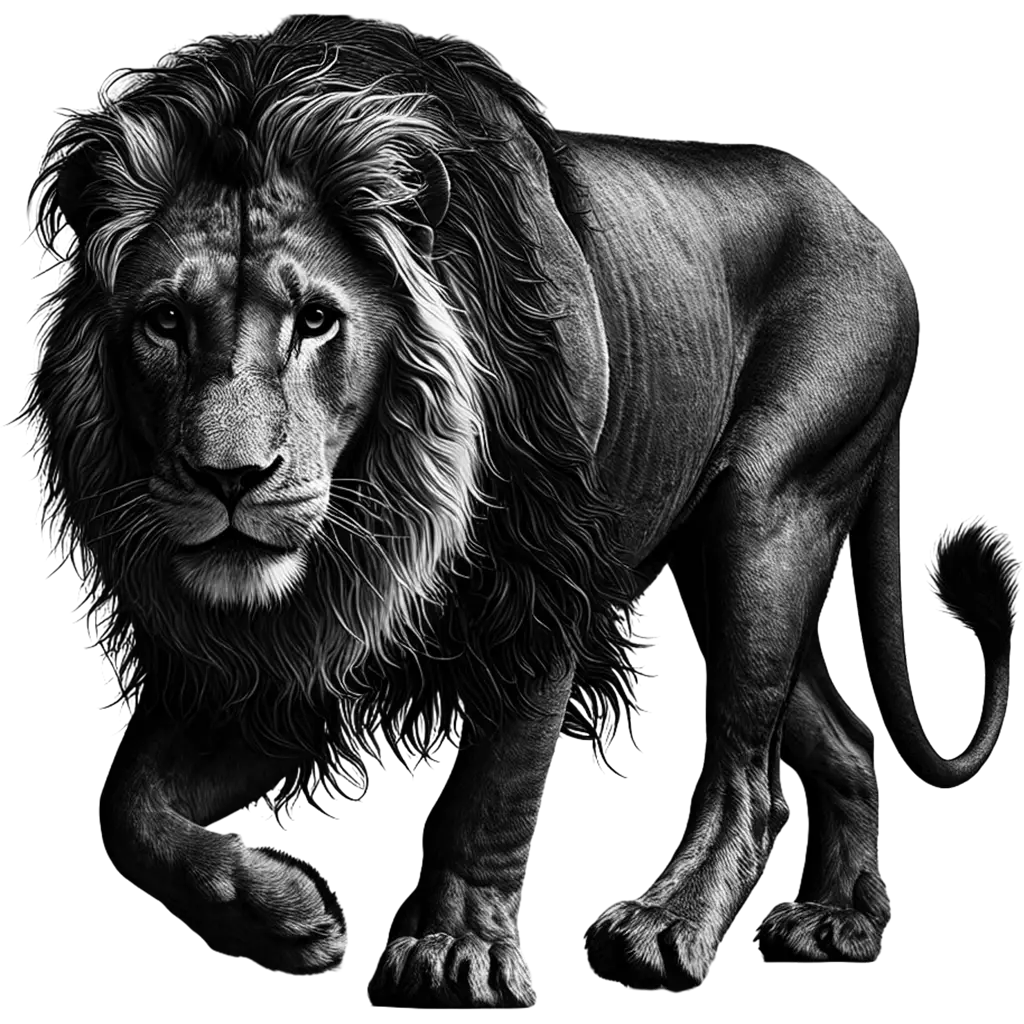
The Asiatic Lion, also known as the Asiatic Lion, is a subspecies of lion native to India's Gir Forest and surrounding areas. Slightly smaller than its African counterpart, the Asiatic Lion has a shorter and sparser mane, making its ears more visible. A distinguishing feature is the fold of skin
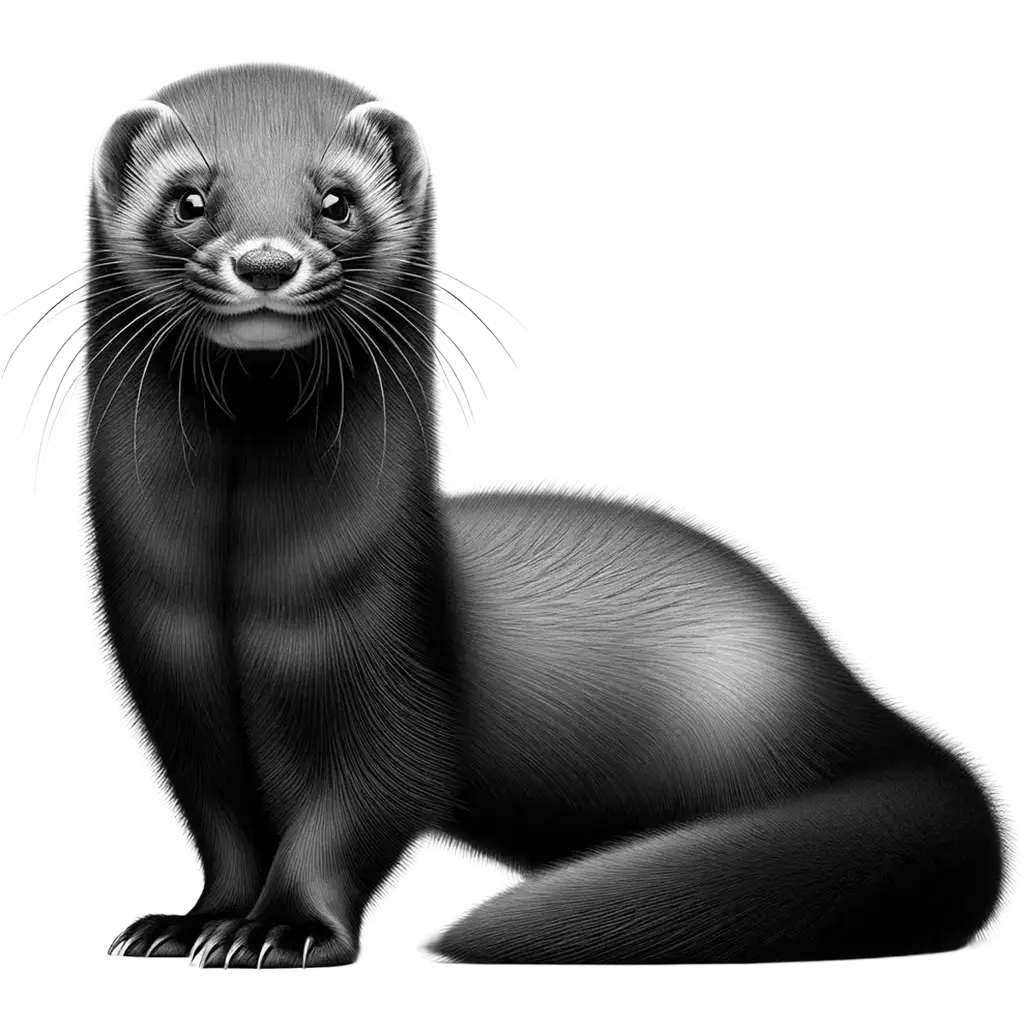
The European Mink, mustela lutreola, is a small, semi-aquatic mammal once widespread across Europe but now among the continent's most endangered species. Characterized by its dark brown fur, paler underparts, and a distinctive white patch on the upper lip, the European Mink measures approximately 35 to 45 cm in length,
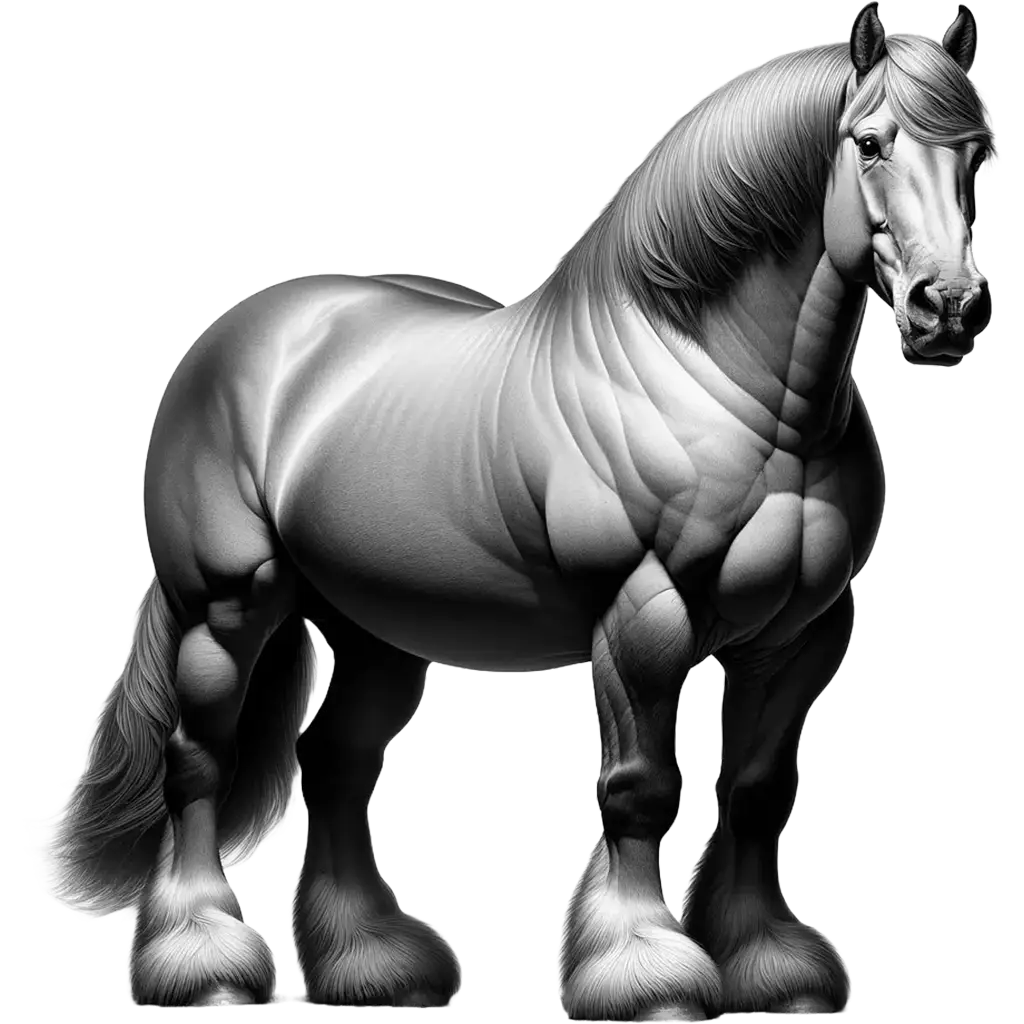
The Suffolk Punch, also known as the suffolk horse, is a distinguished breed of draft horse known for its strength, endurance, and docility. Originating from Suffolk, England, in the 16th century, this breed is characterized by its chestnut color, which ranges from bright copper to dark liver, and is the
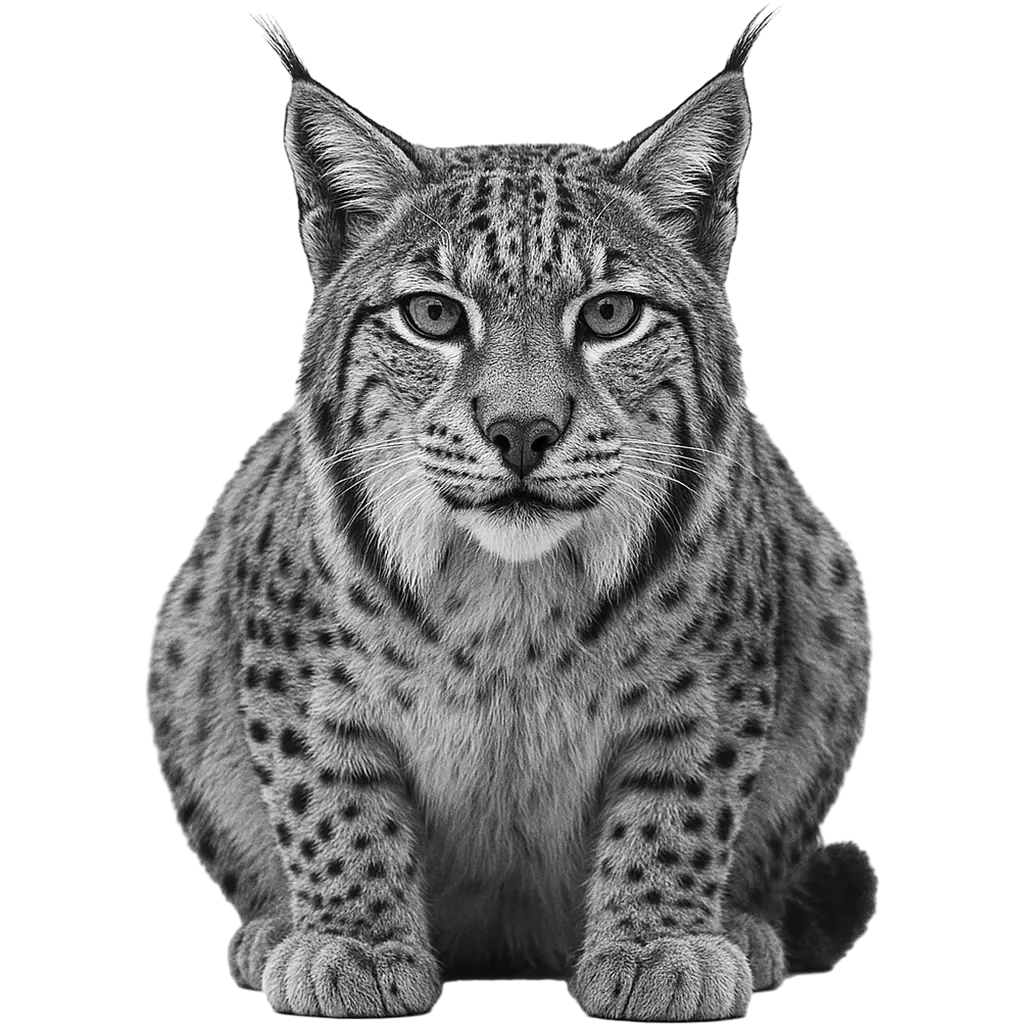
The Iberian Lynx is a medium-sized wildcat standing roughly 60 centimeters at the shoulder and measuring between 85 and 110 centimeters in body length, excluding a short 12 to 30 centimeter tail. Its dense, spotted tawny coat provides effective camouflage in scrubland, with larger spots on the back and smaller