
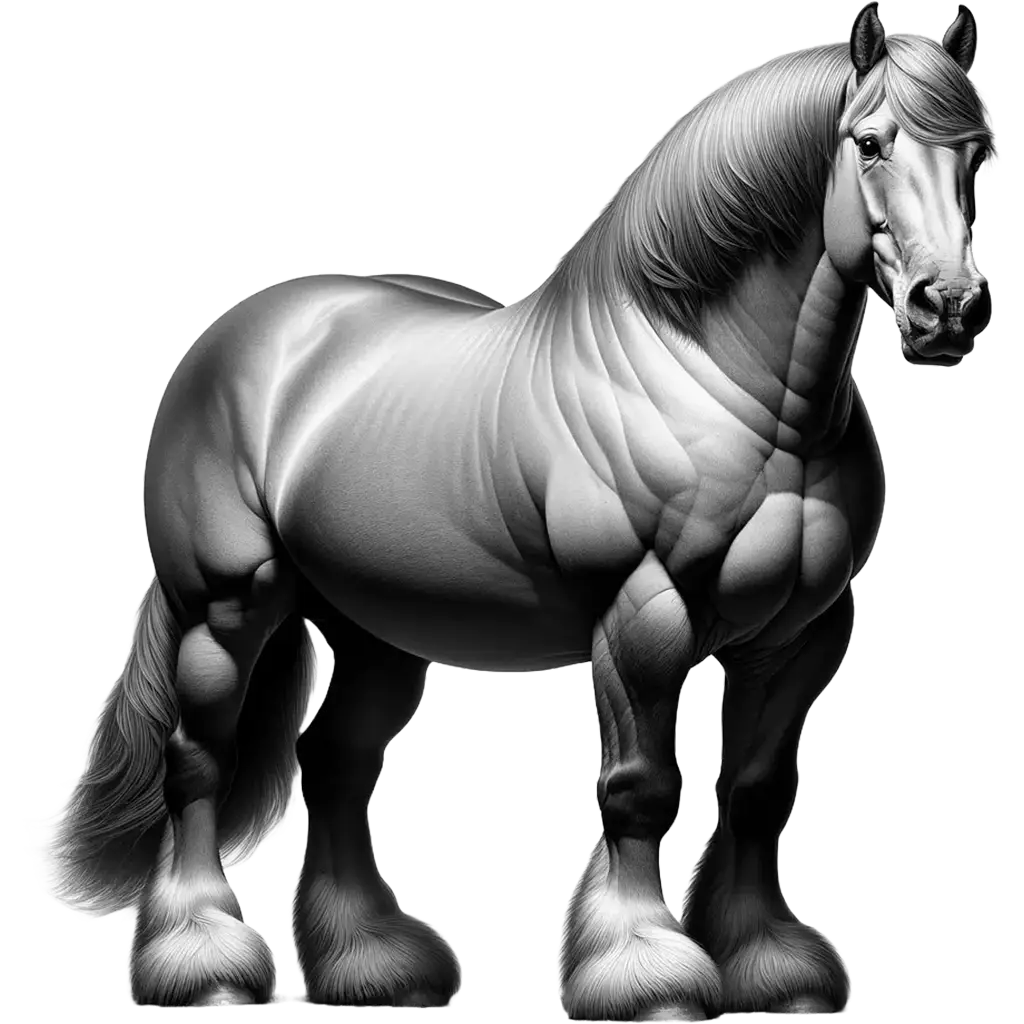
Equus Ferus Caballus
Suffolk Punch
Primarily bred in agricultural and rural settings
The Suffolk Punch, also known as the suffolk horse, is a distinguished breed of draft horse known for its strength, endurance, and docility. Originating from Suffolk, England, in the 16th century, this breed is characterized by its chestnut color, which ranges from bright copper to dark liver, and is the only color accepted by the breed registry. Adult Suffolk Punches typically stand between 16 to 18 hands (64 to 72 inches, 163 to 183 cm) at the shoulder and weigh between 900 to 1,000 kg. They possess a powerful build with a broad, short back, strong loins, and well-muscled legs, making them well-suited for heavy farm work and pulling.
| Population: | Listed as Vulnerable by the Rare Breeds Survival Trust |
| Generation Length: | 8-12 years |
| Average Weight: | 800-1000 kg |
| Average Length: | Height of 165-178 cm at the shoulder |
| Lifespan: | 25-30 years |
| Diet: | Primarily grasses, hay, and may include grains and commercial feed |
| Conservation Status: | Not Evaluated (NE) |
The Suffolk Punch is noted for its hardy nature and ability to work under challenging conditions, traits that were essential for agricultural work in their region of origin. Unlike other draft breeds, the Suffolk was bred specifically for farm labor, excelling in plowing and hauling. Today, while they are less commonly used in traditional farming roles, Suffolks continue to participate in draft horse competitions, parades, and as a symbol of historical farming practices.
The diet of the Suffolk Punch, like other large draft breeds, requires careful management to ensure they receive adequate nutrition to support their size and workload. High-quality hay, grains, and pasture are essential components of their diet, supplemented with minerals and vitamins as needed to maintain their health and condition.
Reproduction in Suffolk Punches follows standard equine breeding practices, with particular attention to genetic diversity and health. The breed has faced challenges related to declining population numbers, making sustainable breeding programs crucial for its preservation. Foals are born after a gestation period of approximately 11 months, and they mature slowly, reaching full size and weight by around seven years of age.
The population of the Suffolk Punch is considered vulnerable, with efforts underway to preserve this historic breed. Dedicated breeders and organizations are working to increase their numbers through responsible breeding practices, public education, and by promoting the breed's versatility beyond traditional draft work. The Suffolk Punch's gentle temperament and striking appearance have also made them popular for recreational riding and driving, contributing to their continued relevance and conservation.
Classifications
The Key Attributes
Features
- Movement:
Walking, trotting
- Territorial Behavior:
Social, typically calm and docile
- Speed:
Not known for speed, but for strength and endurance
- Diet:
Herbivore
- Physical Features:
- Heavy and muscular build
- Short legs relative to body size
- Compact and powerful body, well-suited for draught work
- Distinctive chestnut color, often with a flaxen mane and tail
- Primary Senses:
- Sight
- Hearing
- Smell
Understanding Habitat and Range
Geography
- Habitat:
Primarily bred in agricultural and rural settings
- Migration Patterns:
Non-migratory, but can be transported by humans
- Geographical Range:
Originated in Suffolk, England; now found in various countries due to export and breeding programs
- Climate Preferences:
Adaptable to various climates, but originally bred for temperate conditions
Navigating the Wilderness
In the wild
- Predators:
Not applicable due to domestic status
- Prey:
Not applicable
- Feeding Behavior:
Grazing on grass and hay, supplemented with grains and feed for work horses
- Diet:
Primarily grasses, hay, and may include grains and commercial feed
- Defensive Mechanisms:
- Size and strength can deter predators
- Herding instincts provide communal protection
- Preferred Food Sources:
- Pasturelands, hay, and grains suitable for large draught horses
Insights Into Reproduction
Mating
- Mating System:
Controlled breeding in domestic settings
- Number of Offspring:
Usually one foal
- Gestation Period:
Approximately 11 months
- Parental Involvement:
- Care is managed by humans, with mares nursing and nurturing the foals
Youngsters Section
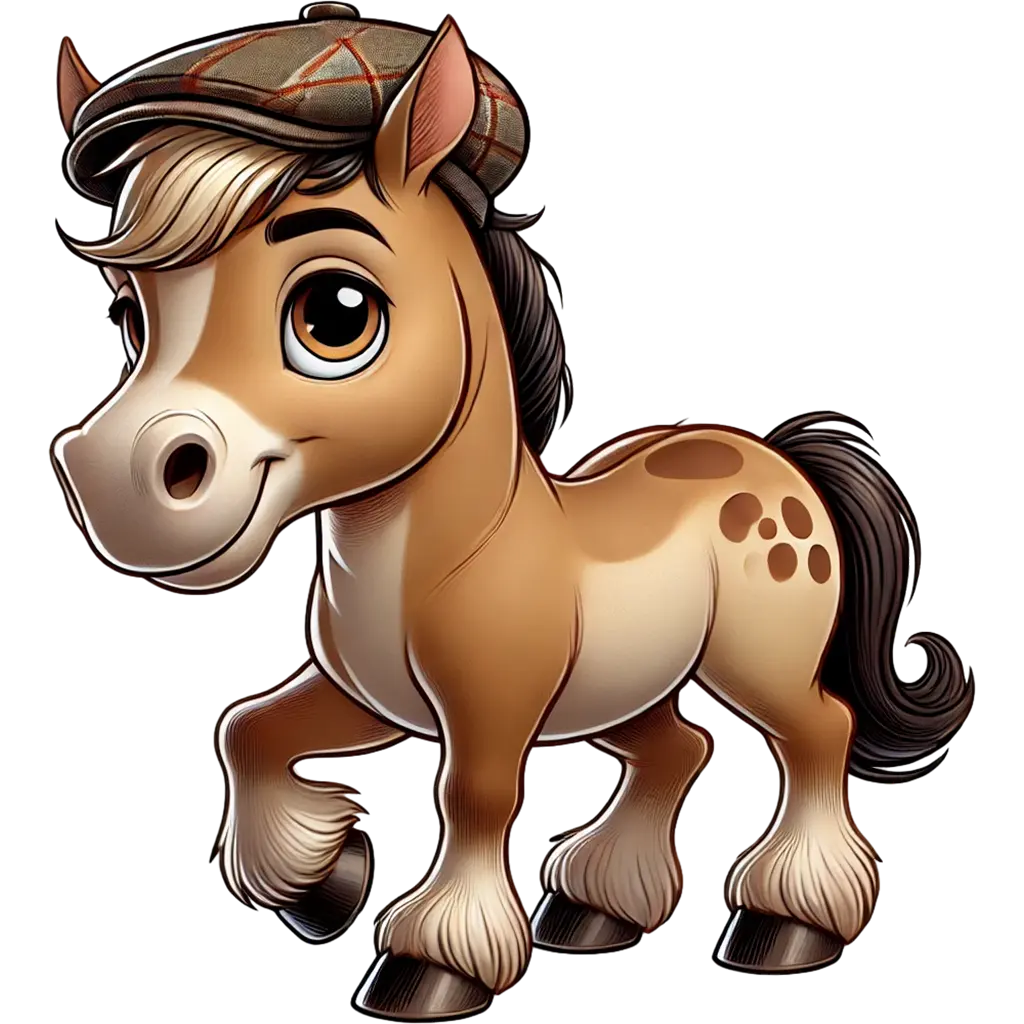
Suffolk Punch
Fun Fact
Suffolk Punch horses are one of the oldest English horse breeds, known for their strength and endurance.
Originating in the eastern counties of England, they were initially bred for farm work. The breed's chestnut color is distinctive, and they have a gentle temperament. Despite their heavy build, Suffolk Punch horses are surprisingly agile, making them versatile for various tasks beyond agriculture. Their conservation status is currently listed as critically endangered, prompting efforts to preserve this historic breed.

Download word search puzzles
Word Search Puzzles

Check Out Other Mammals
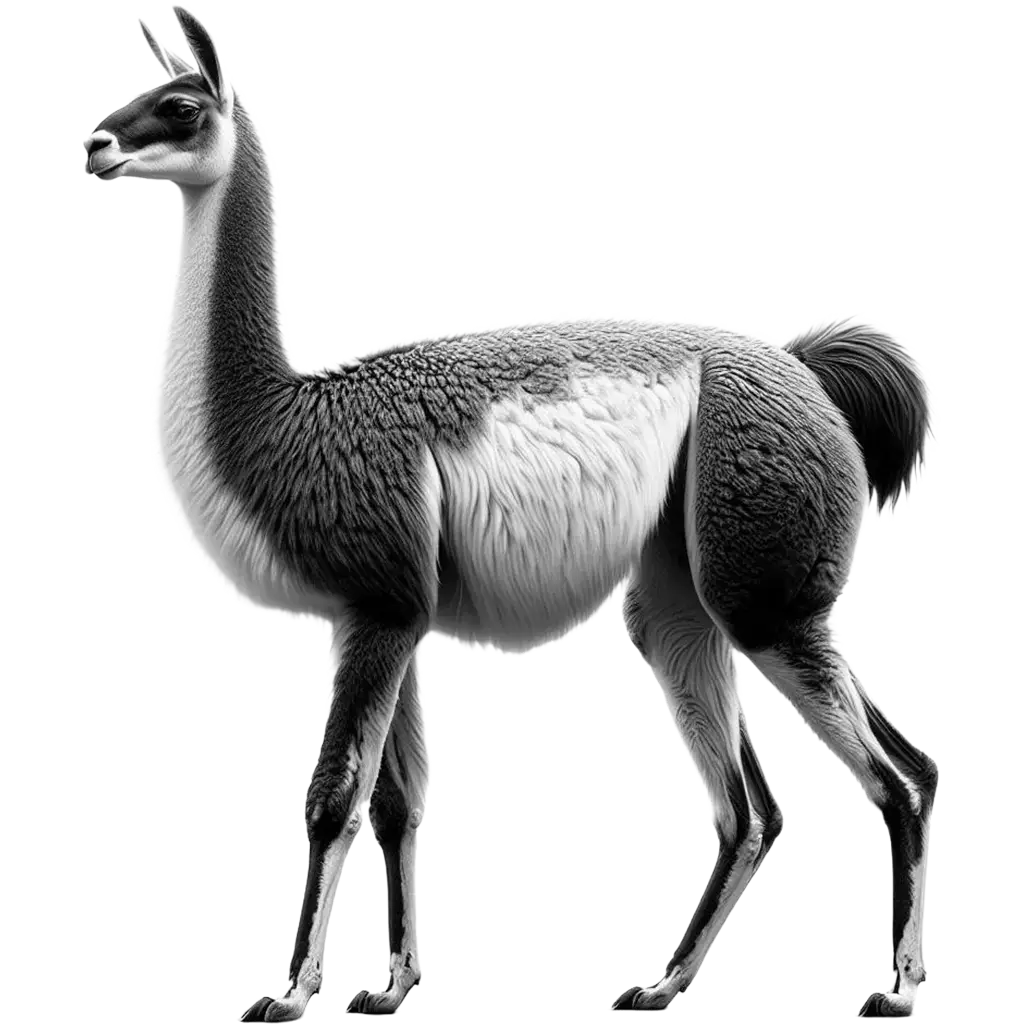
The Guanaco, lama guanicoe, is a camelid native to South America, closely related to the domesticated llama and a wild ancestor to the alpaca. Adult Guanacos stand about 1 to 1.2 meters (3.3 to 3.9 feet) at the shoulder and weigh between 90 to 140 kilograms (200 to 310 pounds).

The Large Indian Civet, viverra zibetha, is a nocturnal mammal native to South and Southeast Asia. Characterized by its distinctive coat pattern, it features a greyish body with black spots and several black bands running across its back and sides, culminating in a long, bushy tail with alternating black and
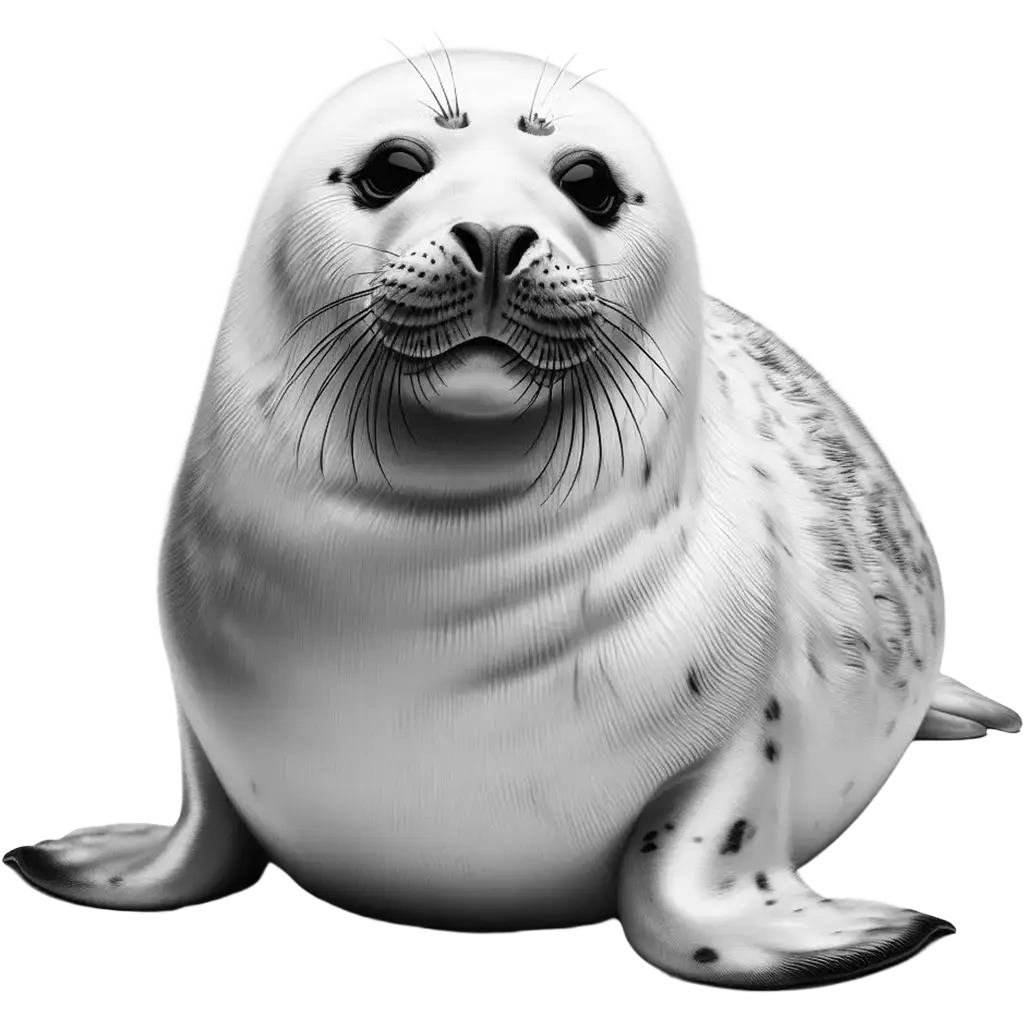
The Harp Seal, pagophilus groenlandicus, is a species of true seal found primarily in the cold waters of the North Atlantic and Arctic Oceans. Recognizable by the distinctive black harp-shaped pattern on the back of adult males, this species exhibits a striking contrast against their otherwise silvery-gray to white fur.
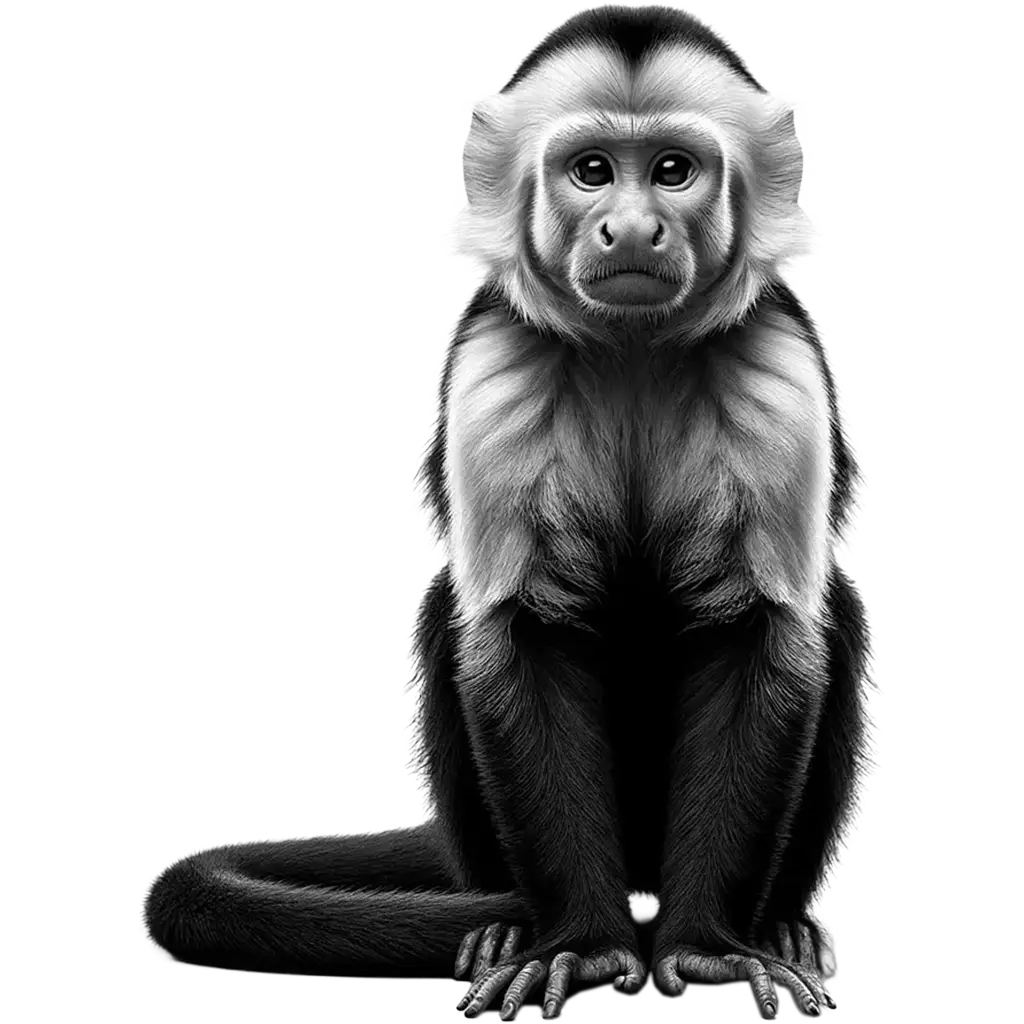
The Colombian White-Faced Capuchin, cebus capucinus, is a highly intelligent and adaptable New World monkey, recognized for its distinctive white face and dark body. Adults can weigh between 2.5 to 4 kilograms, with a body length ranging from 33 to 45 centimeters, not including their prehensile tail which is used