

Canis Lupus
Labrador Retriever
Adaptable to various environments, commonly found in suburban, rural, and urban areas
The Labrador Retriever, affectionately known as the Lab, is one of the most popular and recognizable dog breeds in the United States and many other countries. Originating from Newfoundland, Canada, Labs were initially used by fishermen to retrieve fishing nets and fish that escaped from hooks. Today, they are cherished family pets, service dogs, and companions. Adult Labs typically weigh between 55 to 80 pounds and stand about 21.5 to 24.5 inches tall at the shoulder. They have a short, dense, water-repellent coat, which comes in three standard colors: black, yellow, and chocolate.
| Population: | One of the most popular dog breeds globally |
| Generation Length: | 5-6 years |
| Average Weight: | 25-36 kg |
| Average Length: | 55-62 cm at the shoulder |
| Lifespan: | 10-12 years |
| Diet: | Primarily fed commercial dog foods, but also eats a variety of human foods when given |
| Conservation Status: | Not Evaluated (NE) |
Labs are renowned for their friendly, outgoing, and obedient nature, making them excellent pets for families with children and other animals. They are highly intelligent and trainable, often used in roles such as search-and-rescue operations, therapy work, and as assistance dogs for people with disabilities. Their love for activity and water makes them perfect companions for outdoor adventures.
The diet of a Labrador Retriever should be carefully managed to prevent obesity, a common health issue in the breed. High-quality commercial dog food or a well-balanced homemade diet, tailored to their age, size, and activity level, is recommended. Regular exercise is crucial for maintaining their physical health and mental well-being.
Reproduction in Labrador Retrievers, as with all dogs, requires responsible management to prevent overpopulation and ensure the health of the breed. Females typically have one litter per year, with an average of six to eight puppies. Responsible breeders conduct health screenings for genetic conditions common in Labs, such as hip dysplasia, elbow dysplasia, and eye conditions, before breeding.
The population of Labrador Retrievers is robust, due in part to their popularity and versatility. However, their popularity necessitates responsible breeding practices to maintain the health and temperament of the breed. Prospective Lab owners are encouraged to research breeders and consider adoption from shelters and rescue organizations where many Labs await loving homes.
Classifications
The Key Attributes
Features
- Movement:
Walking, running, swimming
- Territorial Behavior:
Friendly and sociable, generally not territorial
- Speed:
Capable of swift movement, particularly when retrieving
- Diet:
Omnivore
- Physical Features:
- Strong, athletic build
- Short, dense, water-resistant coat
- Broad head with expressive eyes
- Otter-like tail and webbed feet
- Primary Senses:
- Smell
- Sight
- Hearing
Understanding Habitat and Range
Geography
- Habitat:
Adaptable to various environments, commonly found in suburban, rural, and urban areas
- Migration Patterns:
Non-migratory, domesticated
- Geographical Range:
Worldwide
- Climate Preferences:
Adaptable to a range of climates
Navigating the Wilderness
In the wild
- Predators:
Not applicable, domesticated
- Prey:
Not applicable
- Feeding Behavior:
Fed by owners, typically a balanced diet of commercial dog food
- Diet:
Primarily fed commercial dog foods, but also eats a variety of human foods when given
- Defensive Mechanisms:
- Barking to alert owners of potential threats
- Natural retrieving instincts can be protective or helpful
- Preferred Food Sources:
- Depends on the owner's provision
Insights Into Reproduction
Mating
- Mating System:
Controlled breeding in domesticated settings
- Number of Offspring:
6-8 puppies on average
- Gestation Period:
About 63 days
- Parental Involvement:
- Human owners usually care for both the female and her puppies
Youngsters Section
Labrador Retriever
Fun Fact
Labrador Retrievers are one of the most popular dog breeds in the United States.
Known for their friendly and outgoing nature, Labradors excel in various roles such as service and therapy dogs. They have a strong love for water, making them excellent swimmers. Their intelligence and trainability make them ideal family pets, and they often thrive in active environments.

Download word search puzzles
Word Search Puzzles


Check Out Other Mammals

The Domestic Pig, sus domesticus, is a subspecies of the wild boar and a prominent figure in agricultural and culinary contexts worldwide. Adult pigs vary widely in size and weight, typically ranging from 50 to 350 kg, depending on the breed and conditions in which they are raised. Their bodies

The Golden Lion Tamarin, leontopithecus rosalia, also known as the Golden Marmoset, is a small, brightly colored primate native to the Atlantic coastal forests of southeastern Brazil. This striking species is most notable for its vibrant golden-orange fur, expressive face, and long, silky mane, reminiscent of a lion's, which frames

The Gray Fox, urocyon cinereoargenteus, is a medium-sized canid distinguished by its grizzled gray coat, with a black stripe running down its back and tail, and a white underbelly. Its most notable feature is its ability to climb trees, thanks to its strong, hook-shaped claws. This fox typically measures about
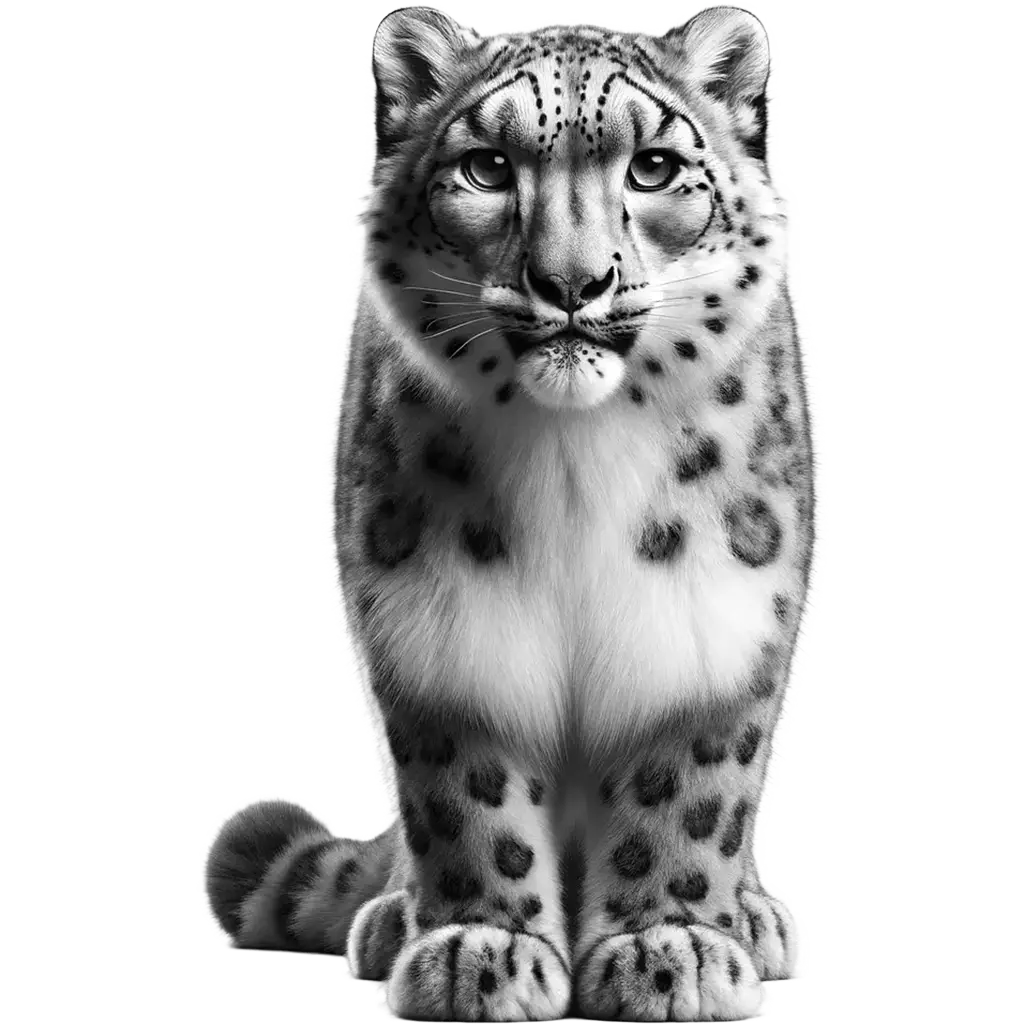
The Snow Leopard, panthera uncia, is a majestic and elusive big cat native to the mountain ranges of Central and South Asia. Renowned for its beautiful fur, the Snow Leopard has a thick, smoky-gray coat with black rosettes and spots, providing perfect camouflage in its snowy and rocky habitat. Adults