
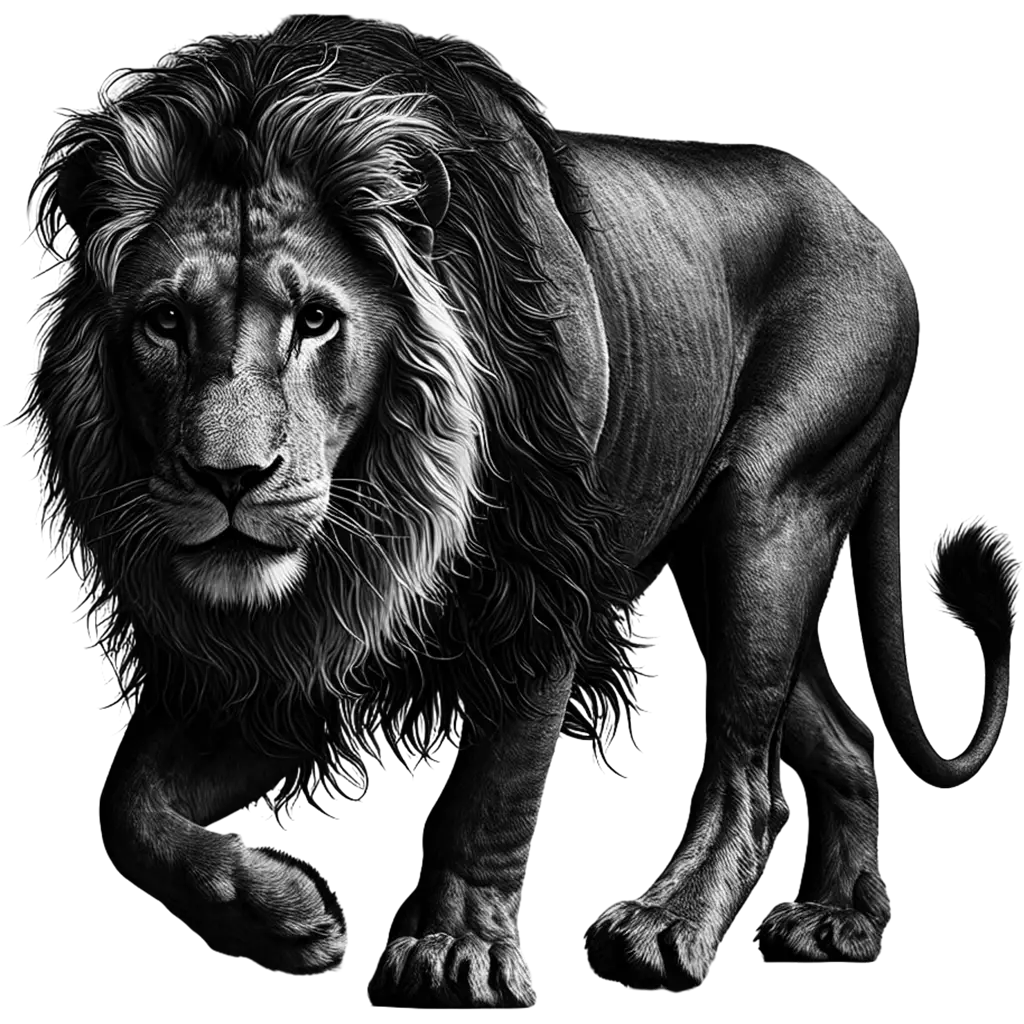
Panthera Leo Persica
Asiatic Lion
Dry deciduous forests, scrublands, and grasslands
The Asiatic Lion, also known as the Asiatic Lion, is a subspecies of lion native to India's Gir Forest and surrounding areas. Slightly smaller than its African counterpart, the Asiatic Lion has a shorter and sparser mane, making its ears more visible. A distinguishing feature is the fold of skin along its belly, which is absent in African lions. Males weigh between 150 and 250 kg, while females are smaller, ranging from 100 to 150 kg. Their coat is a uniform tawny color, and they have a stockier build with a more pronounced facial structure.
| Population: | Approximately 600 individuals in the wild |
| Generation Length: | 6-8 years |
| Average Weight: | 150-250 kg (males), 100-150 kg (females) |
| Average Length: | 2-3 meters (including tail) |
| Lifespan: | 15-20 years in the wild, up to 25 years in captivity |
| Diet: | Carnivorous |
| Conservation Status: | Endangered (EN) |
Unlike African lions, which form large prides, Asiatic Lions tend to live in smaller groups, usually consisting of one or two adult males, a few females, and their cubs. They are territorial and communicate through roars, scent markings, and body postures. Their primary habitat is dry deciduous forests and scrublands, where they are well-camouflaged. They are mostly nocturnal, hunting at night to avoid the heat of the day.
Asiatic Lions are obligate carnivores, meaning they rely entirely on meat for nutrition. Their diet primarily consists of deer, antelope, wild boar, and sometimes domestic livestock. Unlike African Lions, which often hunt in coordinated groups, Asiatic Lions rely more on individual or small-group hunting strategies. They are ambush predators, using stealth and power to take down prey rather than engaging in prolonged chases.
Mating occurs year-round, with females giving birth after a gestation period of about 100-120 days. Litters typically consist of 1-4 cubs, which are born blind and remain hidden in dense vegetation for the first few weeks. The mother is solely responsible for raising the cubs, who stay with her for up to two years before becoming independent. Male lions do not contribute to cub-rearing but play a role in defending their territory and protecting the pride.
The Asiatic Lion is classified as Endangered, with a wild population of about 600 individuals, confined mainly to the Gir Forest in India. Habitat fragmentation, human-wildlife conflict, and the risk of disease outbreaks pose significant threats to their survival. Conservation efforts, including strict protection measures, habitat restoration, and relocation programs, have helped stabilize their numbers, but their restricted range makes them highly vulnerable to environmental changes and disease outbreaks.
Classifications
The Key Attributes
Features
- Movement:
Quadrupedal
- Territorial Behavior:
Social, living in small prides
- Speed:
Up to 50 km/h
- Diet:
Carnivore
- Physical Features:
- Shorter and less dense mane than African lions
- Prominent fold of skin along the belly
- Stocky build with a broad face
- Tawny-colored fur
- Primary Senses:
- Sight
- Hearing
- Smell
Understanding Habitat and Range
Geography
- Habitat:
Dry deciduous forests, scrublands, and grasslands
- Migration Patterns:
Non-migratory
- Geographical Range:
Gir Forest National Park and surrounding areas in India
- Climate Preferences:
Tropical and dry climates
Navigating the Wilderness
In the wild
- Predators:
No natural predators, except humans
- Prey:
Deer, antelope, wild boar, livestock
- Feeding Behavior:
Hunts in small groups, often at night
- Diet:
Carnivorous
- Defensive Mechanisms:
- Roaring to establish dominance
- Group defense by pride members
- Powerful claws and sharp teeth
- Preferred Food Sources:
- Chital deer
- Nilgai
- Wild boar
- Domestic cattle (occasional)
Insights Into Reproduction
Mating
- Mating System:
Polygynous
- Number of Offspring:
1-4 cubs per litter
- Gestation Period:
100-120 days
- Parental Involvement:
- Females provide all parental care
- Cubs remain dependent for 1.5-2 years
Youngsters Section
Asiatic Lion
Fun Fact
Unlike African lions, Asiatic lions live in smaller prides, typically consisting of just two or three females, with the last remaining population found only in India's Gir Forest, making them one of the rarest big cats.
Interestingly, unlike their African counterparts, Asiatic lions also have a distinct fold of skin along their bellies, which is not found in African lions.

Download word search puzzles
Word Search Puzzles
Check Out Other Mammals
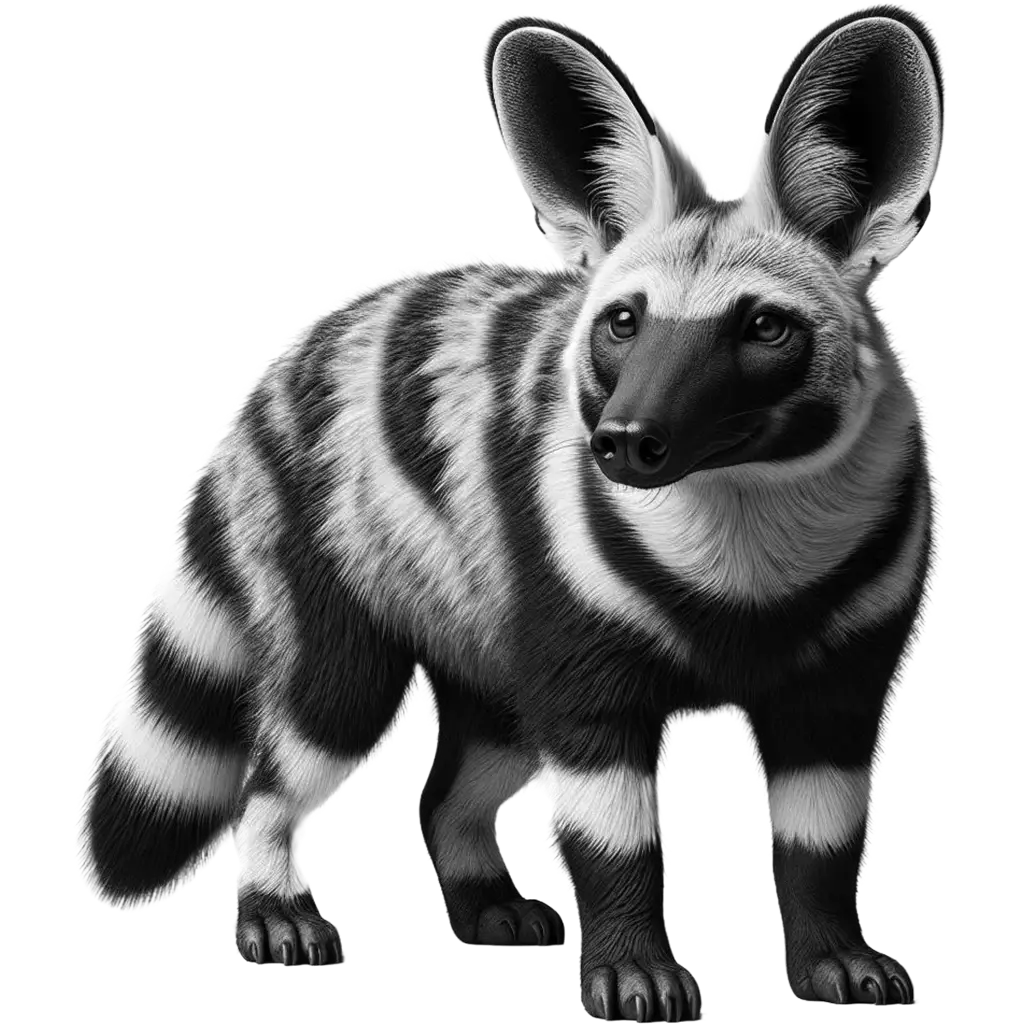
The Aardwolf, proteles cristatus, is a small, insectivorous mammal, distinct from its larger carnivorous relatives in the Hyaenidae family, such as hyenas. With a shoulder height of about 40 to 50 cm and weighing between 8 to 14 kg, the Aardwolf possesses a slender frame, covered in a coarse yellow-brown

The Belgian Shepherd, also known as the Belgian Sheepdog, encompasses four distinct varieties: the Groenendael, Laekenois, Malinois, and Tervuren. Each variety is recognized for its unique coat type and color but shares a common ancestry and similar physical characteristics. Adult Belgian Shepherds typically stand between 56 to 66 cm (22
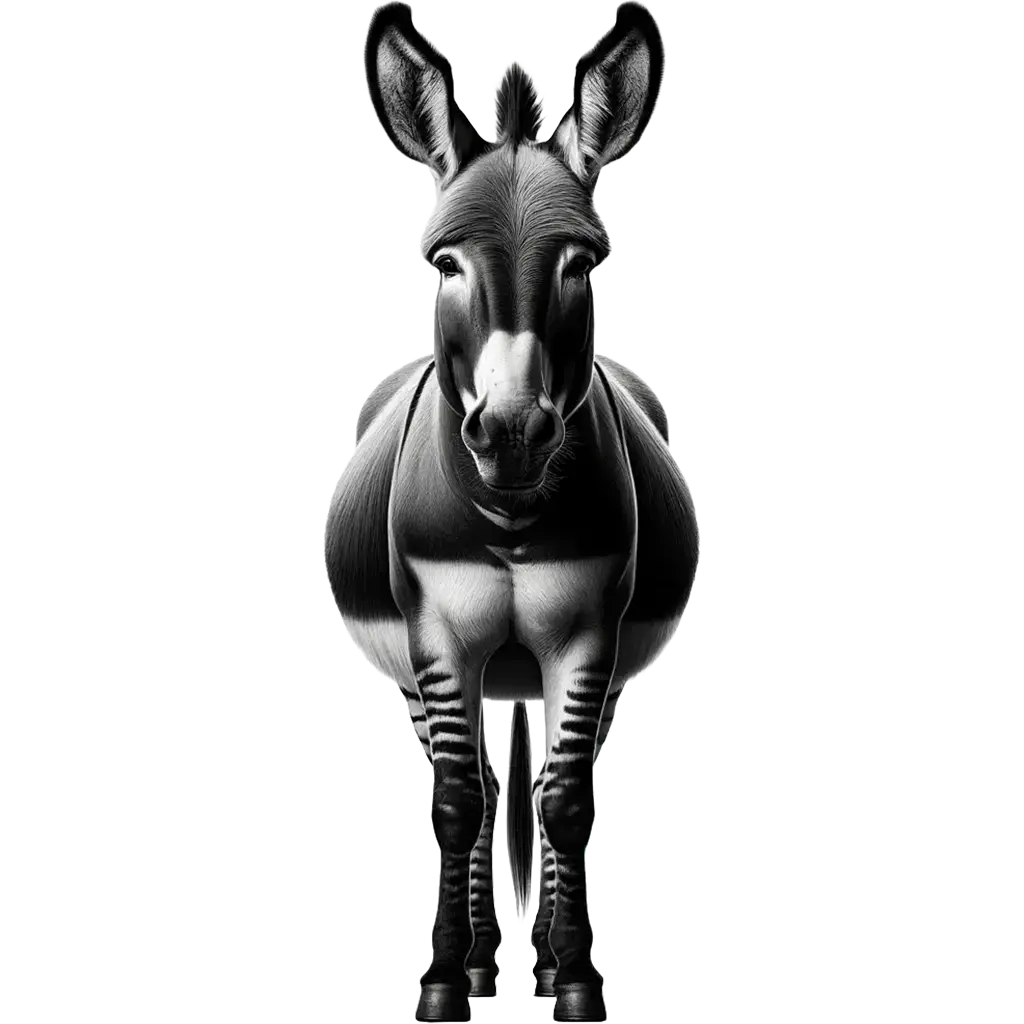
The African Wild Ass, equus africanus, is an endangered species and the ancestor of the domestic donkey, known for its hardiness and adaptability to harsh desert environments. This species exhibits a light gray to fawn-colored coat, with distinctive zebra-like stripes on its legs and a dark dorsal stripe running down
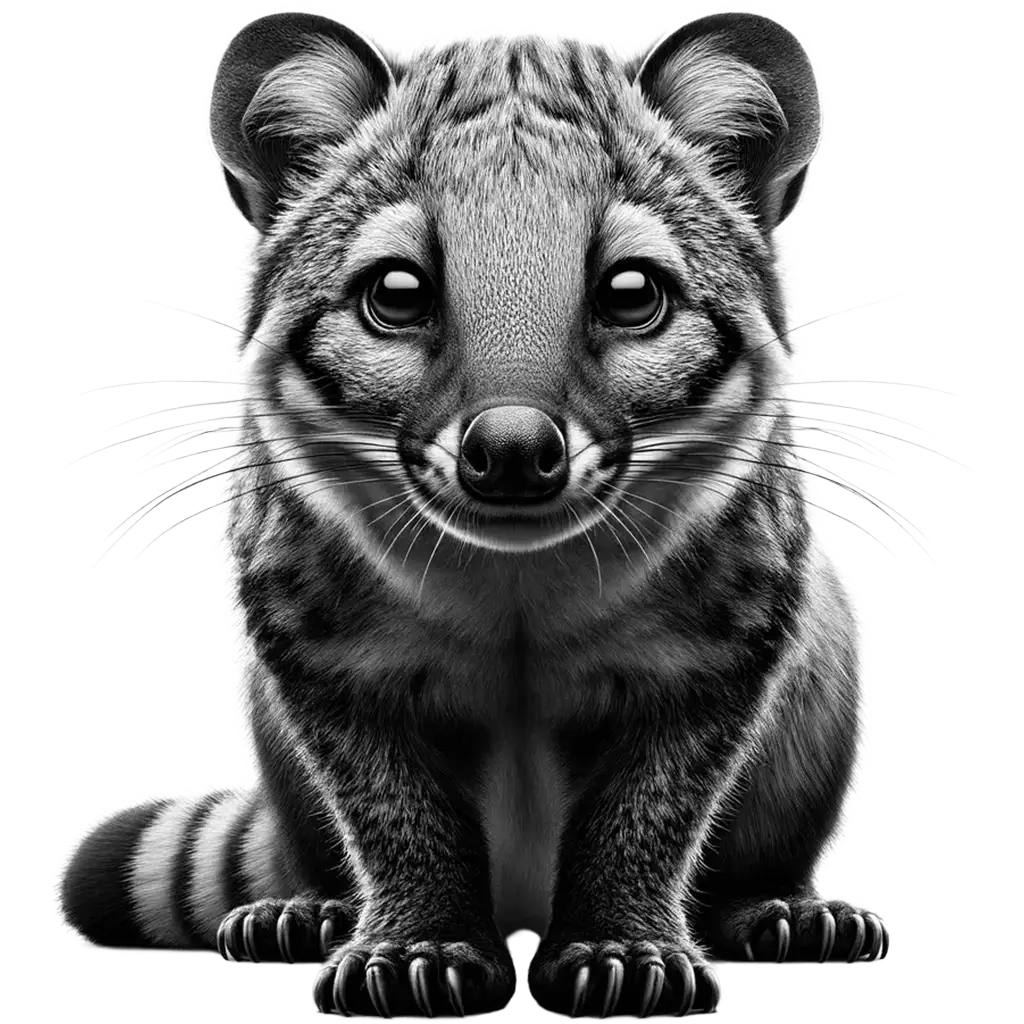
The Large Indian Civet, viverra zibetha, is a nocturnal mammal native to South and Southeast Asia. Characterized by its distinctive coat pattern, it features a greyish body with black spots and several black bands running across its back and sides, culminating in a long, bushy tail with alternating black and