
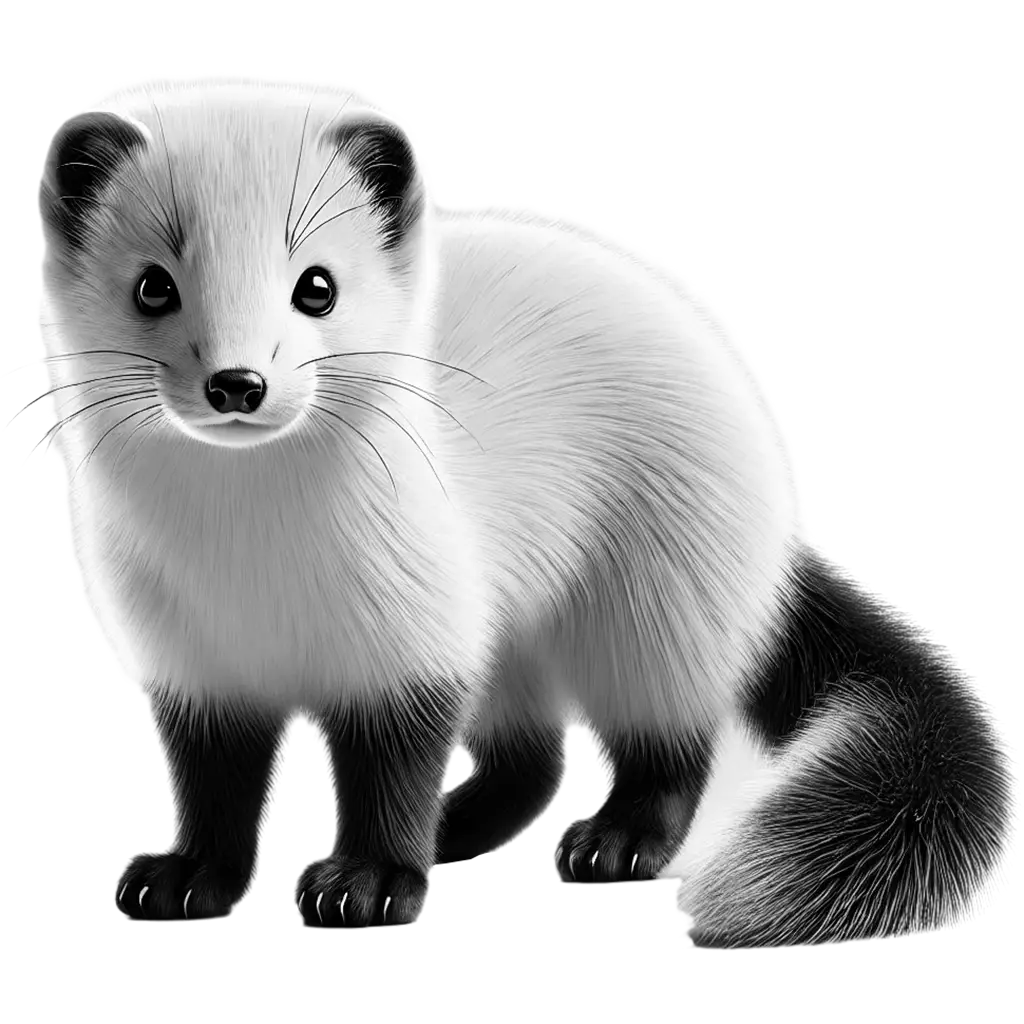
Mustela Erminea
Ermine
A variety of environments including boreal forests, tundra, and grasslands
The Ermine is a slender, agile mammal with a sleek, elongated body covered in dense, soft fur that shifts seasonally from a warm brown in summer to a brilliant white in winter. Its long, bushy tail, tipped with a dark band, and its sharp, alert eyes complete its distinctive and elegant appearance, ideally suited for both camouflage and swift movement in varied terrains.
| Population: | Ermine populations are stable but fluctuate and decline locally due to predation and habitat loss |
| Generation Length: | Approximately 1-2 years |
| Average Weight: | Approximately 200-400 grams |
| Average Length: | Approximately 30-40 cm (including tail) |
| Lifespan: | Approximately 3-7 years in the wild; up to 10 years in captivity |
| Diet: | Carnivorous |
| Conservation Status: | Least Concern (LC) |
Adapted to life in cold, temperate environments, ermines are active foragers that navigate through boreal forests, tundra, and grasslands with remarkable agility. They are primarily solitary creatures, establishing small, well-defined territories that they patrol using scent markings and occasional vocalizations. Their behavior is characterized by rapid, darting movements interspersed with moments of cautious observation, ensuring that they efficiently locate prey while avoiding potential threats. Seasonal changes prompt noticeable shifts in activity levels, with a heightened need for foraging during the brief summer months.
Ermines maintain a strictly carnivorous diet, primarily preying on small rodents such as mice and voles, as well as birds and occasionally insects. Their hunting strategy involves a stealthy approach followed by sudden, explosive pounces that allow them to capture prey with precision. This high-protein diet is essential not only for sustaining their energetic lifestyle but also plays a significant role in controlling populations of small mammals in their ecosystems.
During the breeding season, ermines engage in competitive courtship displays, with males chasing and vocalizing to attract females. Once mating occurs, the female undergoes a gestation period of about 30-35 days and then gives birth to a litter of 4-8 kits. The female is solely responsible for nurturing the young, teaching them to hunt and evade predators until they become independent.
While ermines are widely distributed and generally maintain stable populations across their extensive range, localized declines can occur due to habitat loss and human-induced pressures. Despite these challenges, their remarkable adaptability and efficient hunting skills have allowed them to remain a resilient and integral part of the northern ecosystems they inhabit.
Classifications
The Key Attributes
Features
- Movement:
Fast and agile, capable of swift, sinuous running and impressive leaps across varied terrain.
- Territorial Behavior:
Highly territorial; individuals maintain and defend small home ranges with scent marking and occasional aggressive displays.
- Speed:
They can move rapidly in bursts when hunting or evading predators.
- Diet:
Strictly carnivorous, they primarily prey on rodents, birds, and small mammals, employing stealth and quick pounces to capture their quarry.
- Physical Features:
- Slender, elongated body with dense, soft fur that changes from brown in summer to brilliant white in winter
- Long, bushy tail with a distinctive dark tip
- Sharp, alert eyes and small, rounded ears
- Streamlined form ideal for rapid, agile movement
- Primary Senses:
- Sight
- Hearing
- Smell
Understanding Habitat and Range
Geography
- Habitat:
A variety of environments including boreal forests, tundra, and grasslands
- Migration Patterns:
Non-migratory; they may exhibit local movements in response to seasonal changes and food availability.
- Geographical Range:
Widespread across the northern temperate and boreal regions of the Northern Hemisphere.
- Climate Preferences:
Prefer cold, temperate climates with distinct seasonal variations.
Navigating the Wilderness
In the wild
- Predators:
Large birds of prey, foxes, and other carnivorous mammals often target young ermines.
- Prey:
Rodents such as mice and voles, as well as small birds and occasionally insects.
- Feeding Behavior:
They stealthily stalk their prey and pounce with rapid bursts, often employing ambush tactics in dense cover.
- Diet:
Carnivorous
- Defensive Mechanisms:
- Seasonal coat color change for effective camouflage
- Rapid, evasive movements and zigzag running to escape predators
- Preferred Food Sources:
- Small rodents and birds
Insights Into Reproduction
Mating
- Mating System:
Polygynous; males compete for access to multiple females during the breeding season.
- Number of Offspring:
Typically 4-8 kits per litter
- Incubation Period:
Gestation lasts approximately 30-35 days.
- Parental Involvement:
- Females provide all parental care, nurturing and protecting their kits until independence.
Youngsters Section
Ermine
Fun Fact
The ermine is a tiny, elegant weasel with a sleek, white coat that turns brown in the summer. It's known for its agility and swift movements!
In winter, their fur turns completely white to blend into the snow, helping them stay hidden from predators. Ermines are fast and clever hunters, always on the move!

Download word search puzzles
Word Search Puzzles


Check Out Other Mammals
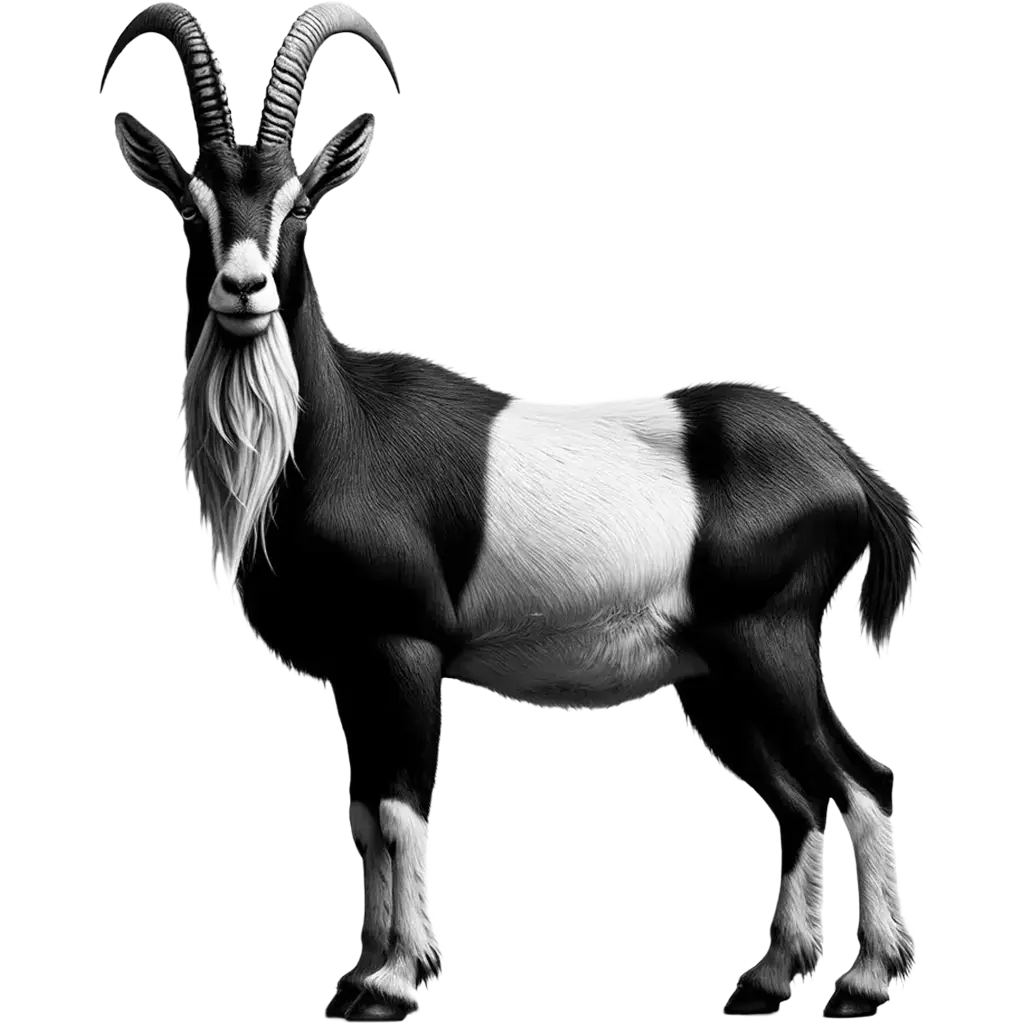
The Wild Goat, capra aegagrus, is the ancestral species from which domestic goats (Capra aegagrus hircus) are derived. It exhibits a robust and agile physique, with adults typically measuring 120 to 150 cm in length and standing 70 to 90 cm tall at the shoulder. Males are larger and more
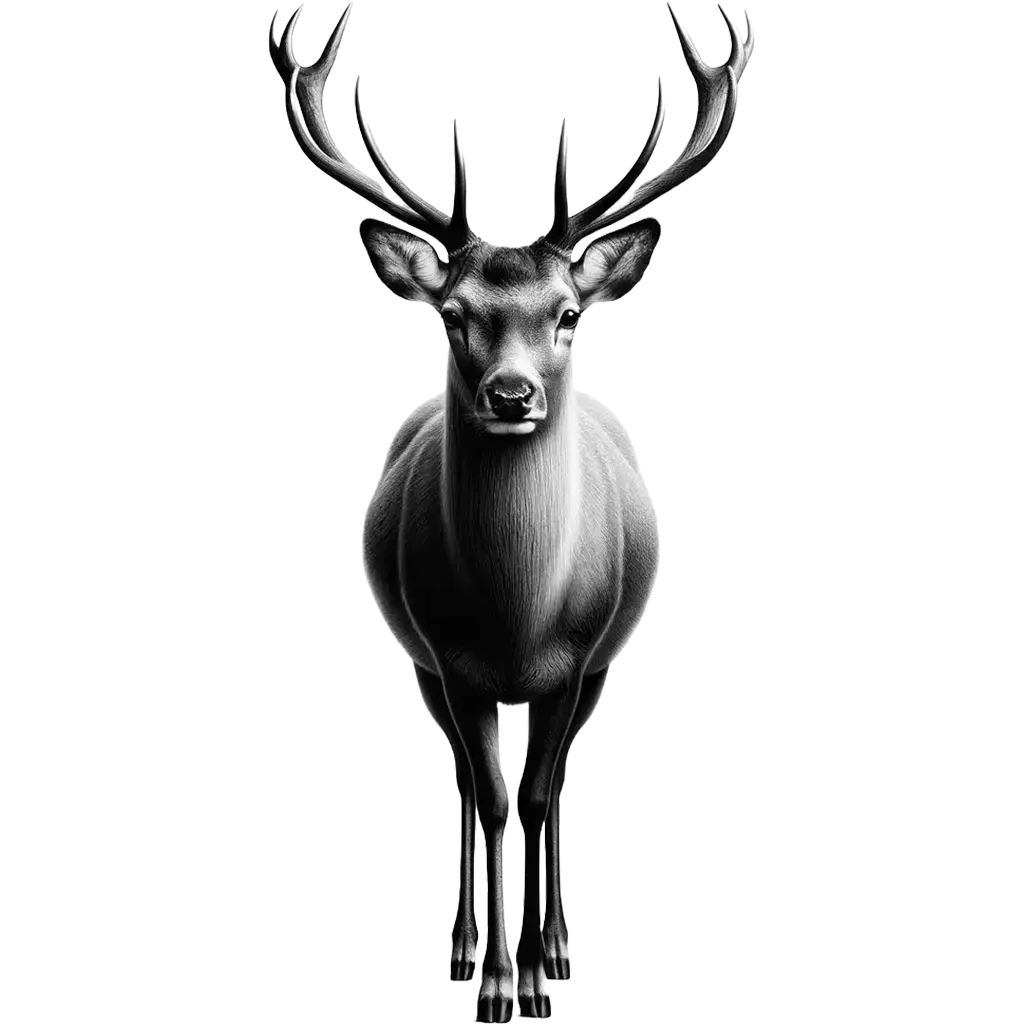
The European Fallow Deer, dama dama, is a graceful and medium-sized deer species, renowned for its beautiful spotted coat and palmate antlers found in males. Adult males, known as bucks, can weigh between 60 to 100 kg and stand up to 90 cm at the shoulder, while females, called does,
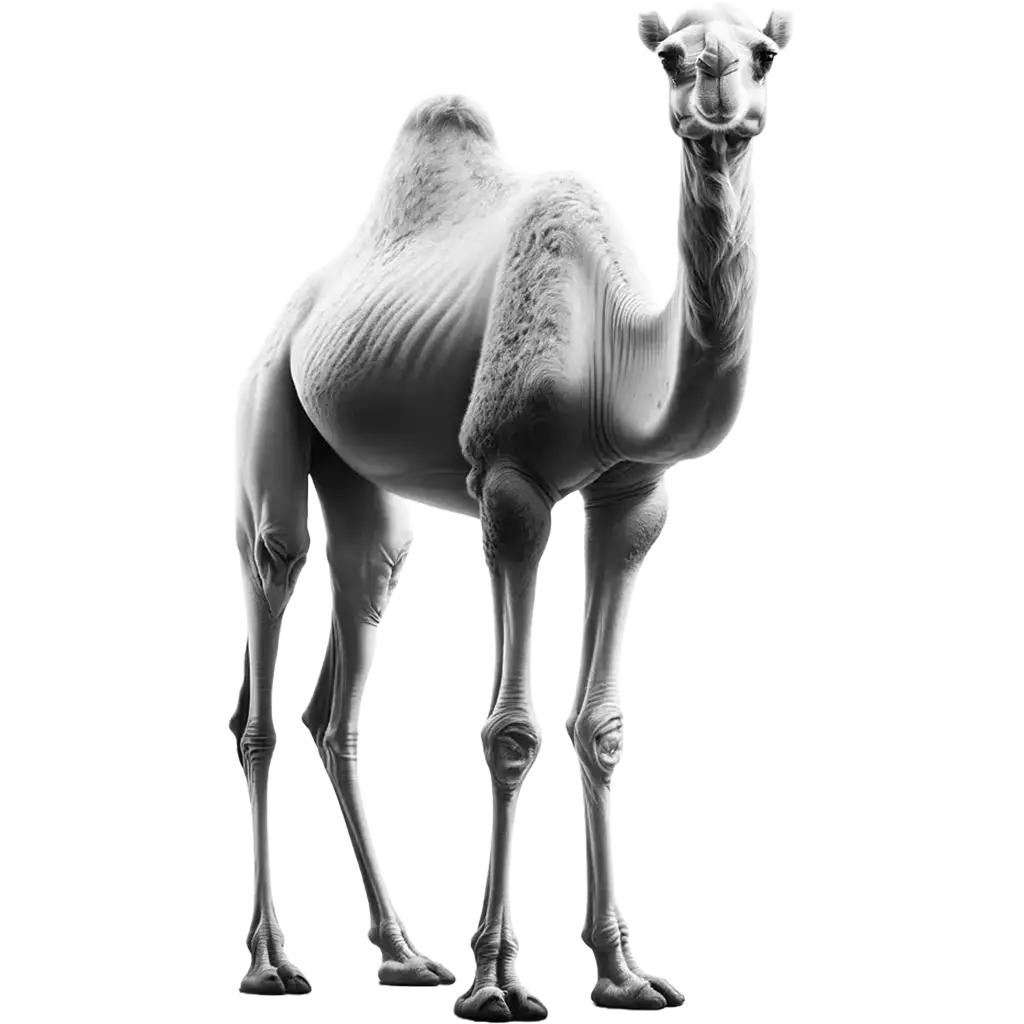
The Dromedary, camelus dromedarius, is an iconic animal of the desert, easily recognized by its single large hump on its back. This hump is a reservoir of fatty tissue, which the camel can convert into water and energy, enabling it to endure long periods without food or water. Adult dromedaries
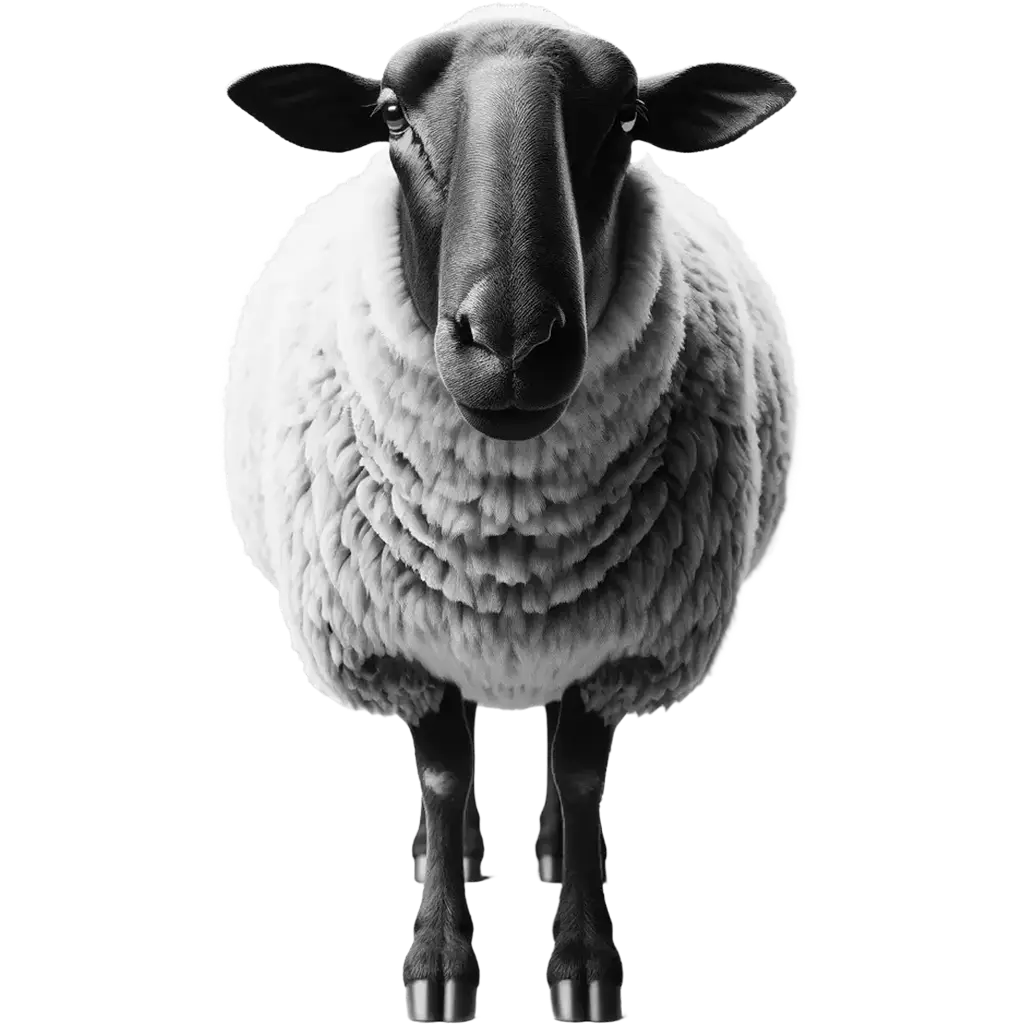
The Domestic Sheep, ovis aries, is a key livestock species that has been domesticated for thousands of years, playing an integral role in agriculture and human society. Adult sheep typically weigh between 45 to 160 kg, depending on the breed, sex, and age, with males (rams) usually larger than females