
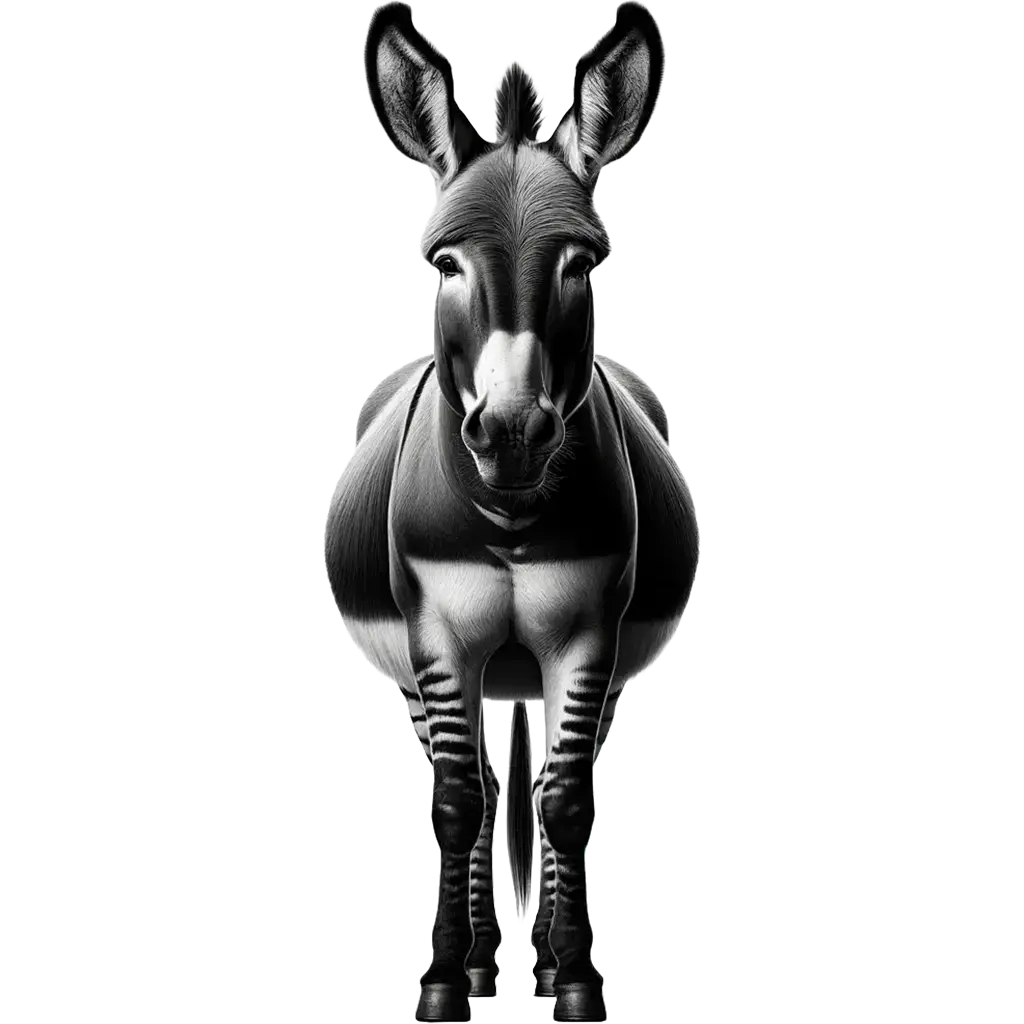
Equus Africanus
African Wild Ass
Arid regions, including deserts, savannahs, and scrublands
The African Wild Ass, equus africanus, is an endangered species and the ancestor of the domestic donkey, known for its hardiness and adaptability to harsh desert environments. This species exhibits a light gray to fawn-colored coat, with distinctive zebra-like stripes on its legs and a dark dorsal stripe running down its back. Adults stand at about 1.25 to 1.45 meters (4.1 to 4.75 feet) at the shoulder and weigh approximately 230 to 275 kg (507 to 606 lbs). The African Wild Ass is characterized by its large ears, which help regulate body temperature, and a slender, agile build that allows it to traverse rocky terrain with ease.
| Population: | Listed as Critically Endangered due to habitat loss, hunting, and competition with livestock |
| Generation Length: | 7-10 years |
| Average Weight: | 230-275 kg |
| Average Length: | Height at the shoulder: 125-145 cm |
| Lifespan: | 20-30 years in the wild |
| Diet: | Primarily grazing on various grasses, supplemented with herbs and leaves |
| Conservation Status: | Critically Endangered (CR) |
Native to the arid and semi-arid regions of the Horn of Africa, including parts of Eritrea, Ethiopia, and Somalia, the African Wild Ass is adapted to life in extreme conditions, with access to sparse vegetation and water sources being crucial for its survival. They are highly social animals, forming small groups for better protection against predators and to efficiently locate food and water.
The diet of the African Wild Ass primarily consists of grasses, herbs, and occasionally shrubs. Their feeding patterns are adapted to their desert habitat, where they often feed during the cooler parts of the day or night. This species plays a significant role in their ecosystems by contributing to the seed dispersal of various plant species.
Reproduction in the African Wild Ass involves seasonal breeding patterns, with births peaking during the rainy season when food and water are more abundant. Females give birth to a single foal after a gestation period of about 12 months. The offspring are precocial, able to stand and walk shortly after birth, which is vital for their survival in predator-rich environments.
The population of the African Wild Ass is critically endangered, with only a few hundred individuals remaining in the wild. The primary threats to their survival include hunting, competition with livestock for scarce resources, and habitat loss. Conservation efforts are underway, focusing on habitat protection, the establishment of protected areas, and breeding programs to increase their numbers. The survival of the African Wild Ass is crucial for maintaining the biodiversity and ecological balance of their habitats.
Classifications
The Key Attributes
Features
- Movement:
Walking, running
- Territorial Behavior:
Territorial in nature; males often have specific territories
- Speed:
Can run at speeds of up to 50 km/h
- Diet:
Herbivore
- Physical Features:
- Sturdy body with long legs
- Short mane, with a tufted tail
- Large ears and a narrow, pointed muzzle
- Hooves adapted for rocky terrain
- Primary Senses:
- Sight
- Hearing
- Smell
Understanding Habitat and Range
Geography
- Habitat:
Arid regions, including deserts, savannahs, and scrublands
- Migration Patterns:
Non-migratory, but may roam widely in search of food and water
- Geographical Range:
Horn of Africa, particularly in Eritrea, Ethiopia, and Somalia
- Climate Preferences:
Adapted to hot, arid environments
Navigating the Wilderness
In the wild
- Predators:
Primarily humans; young may be vulnerable to large predators like lions and hyenas
- Prey:
Not applicable
- Feeding Behavior:
Feeds on grasses, herbs, and occasionally shrubs, particularly during drought conditions
- Diet:
Primarily grazing on various grasses, supplemented with herbs and leaves
- Defensive Mechanisms:
- Fleeing from threats at high speeds
- Kicking with powerful hind legs
- Preferred Food Sources:
- Areas with sufficient vegetation and access to water sources
Insights Into Reproduction
Mating
- Mating System:
Polygynous
- Number of Offspring:
Usually one foal
- Gestation Period:
About 12 months
- Parental Involvement:
- Females nurse and protect the foal; foals are relatively independent but stay with the mother for up to two years
Youngsters Section
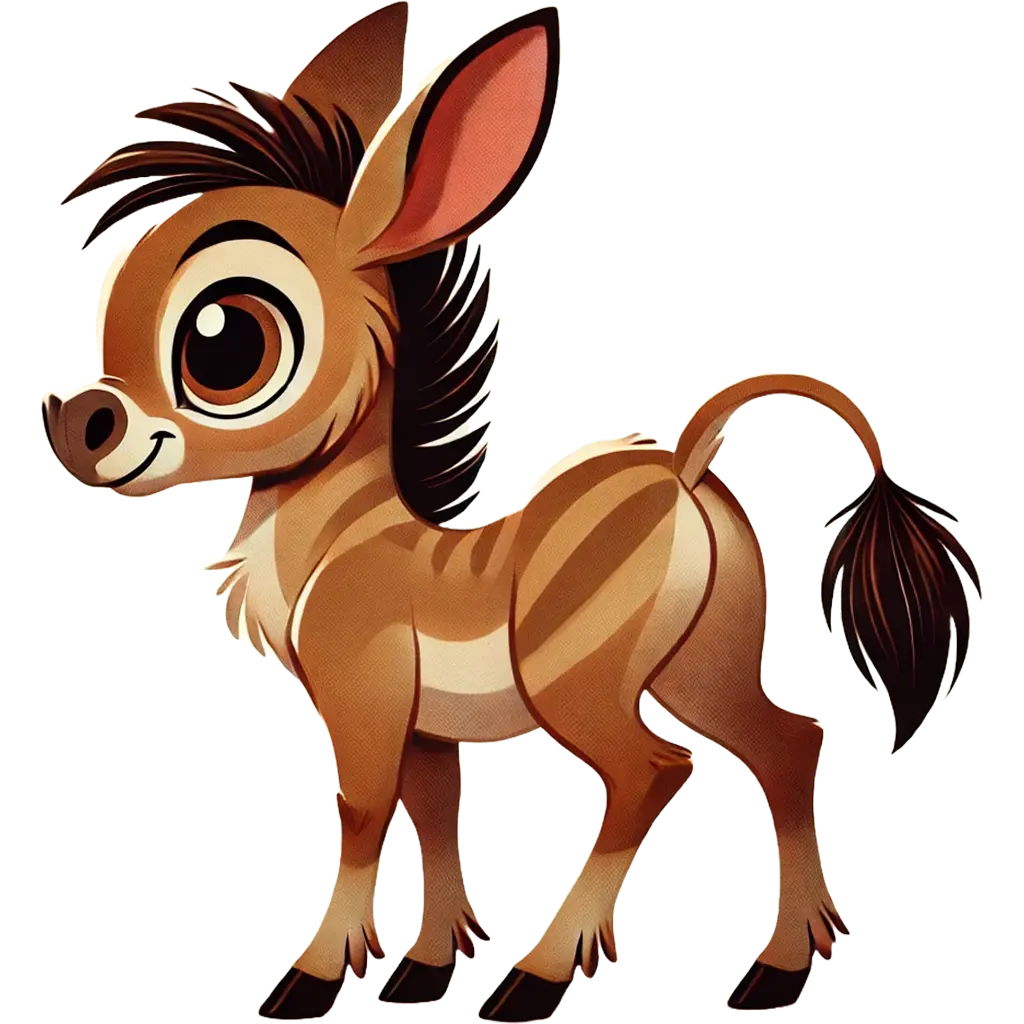
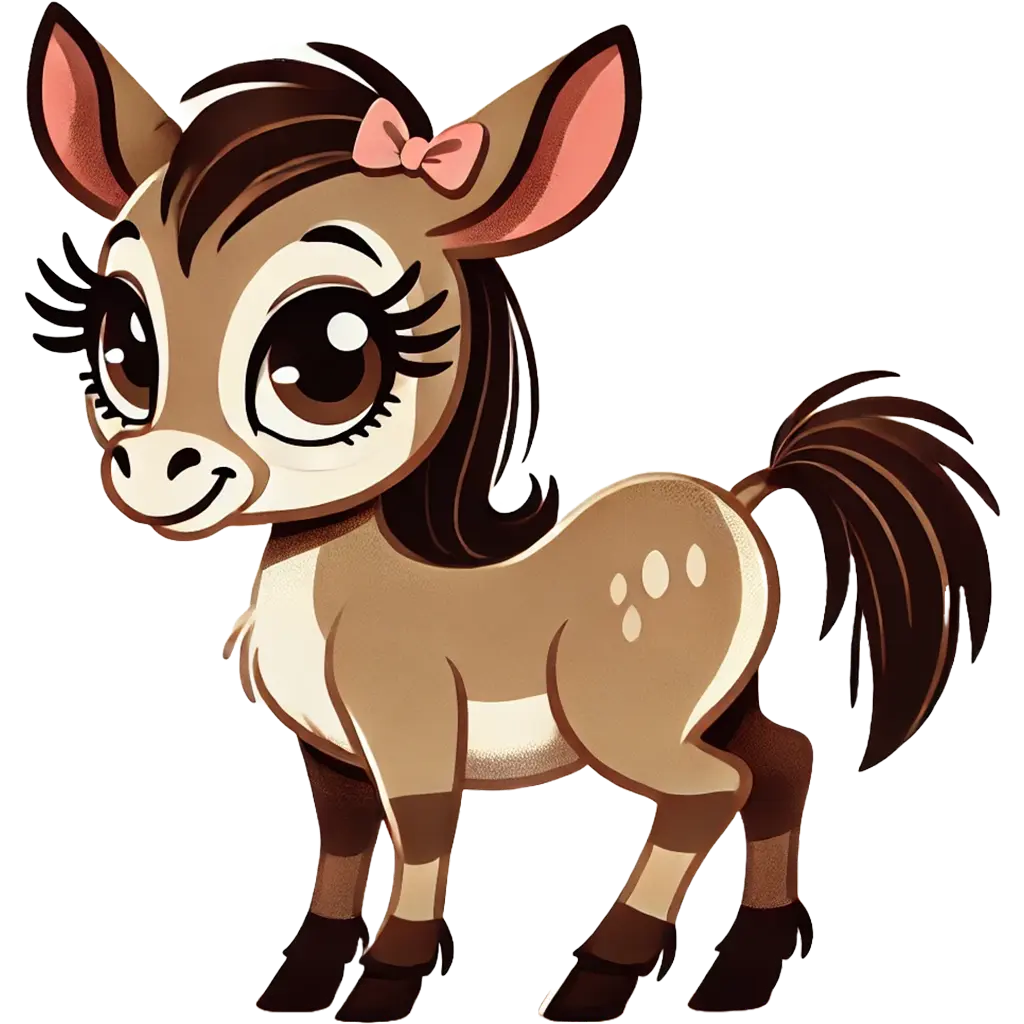
African Wild Ass
Fun Fact
The African wild ass is considered one of the world's most endangered animals.
These remarkable creatures are known for their incredible endurance. They can survive in arid environments with minimal water, as they can extract moisture from the food they eat. African wild asses have sleek coats that help reflect sunlight, aiding in temperature regulation in their harsh habitats.

Download word search puzzles
Word Search Puzzles
Check Out Other Mammals
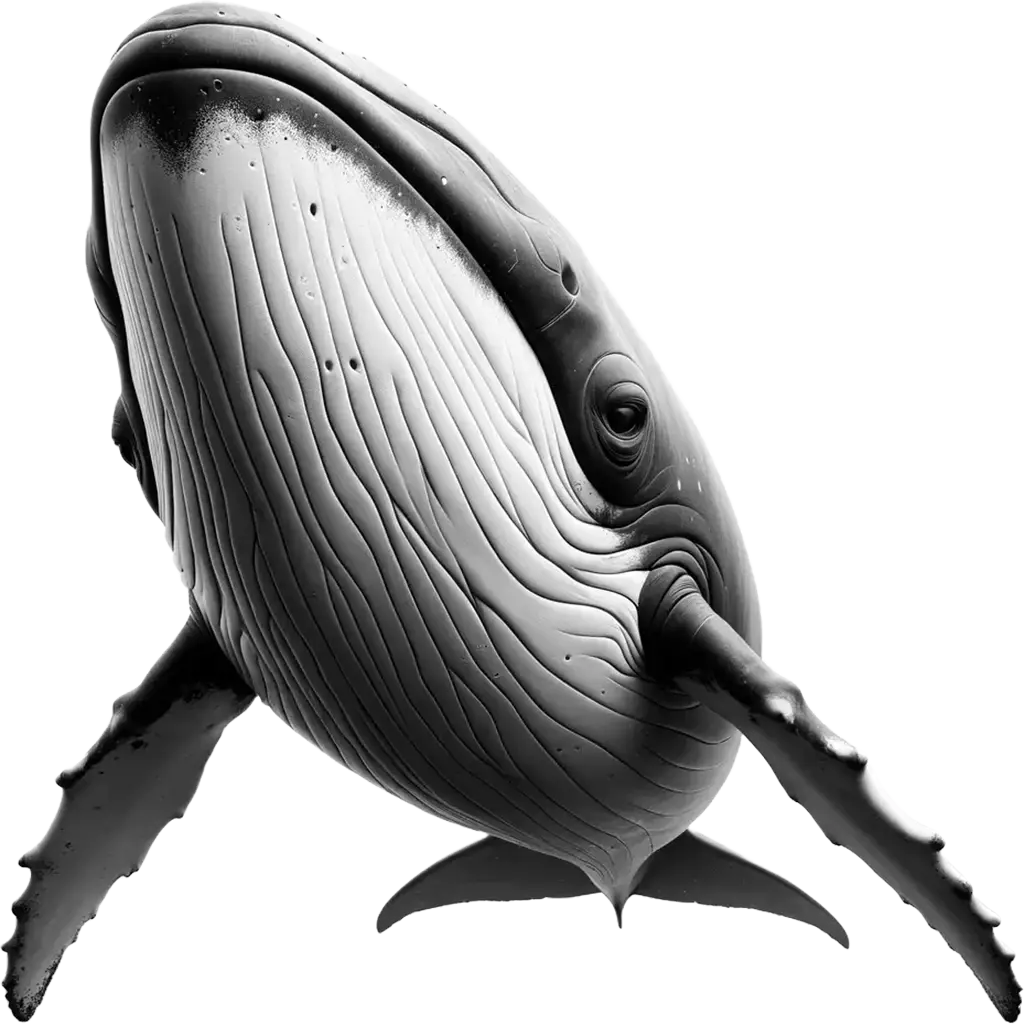
The Southern Right Whale, eubalaena australis, is a large baleen whale known for its distinctive body shape, broad back without a dorsal fin, and callosities on its head. This species can reach lengths of up to 18 meters and weigh as much as 80 tons, with females generally larger than
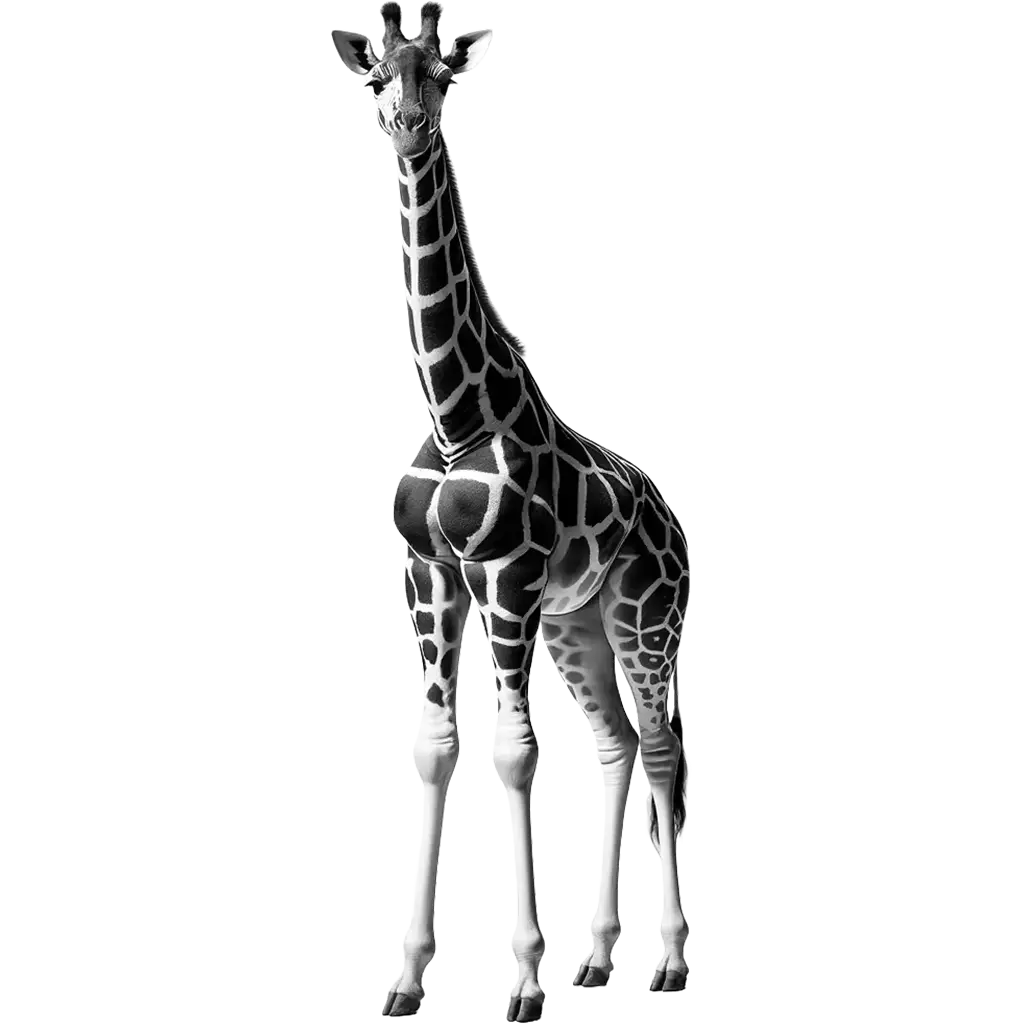
The Giraffe, giraffa camelopardalis, is the tallest land animal, with adult males capable of reaching heights up to 5.5 meters and females slightly shorter. Their most striking features include long necks, which comprise nearly half of their height, and distinctive coat patterns of brown patches separated by lighter lines, unique
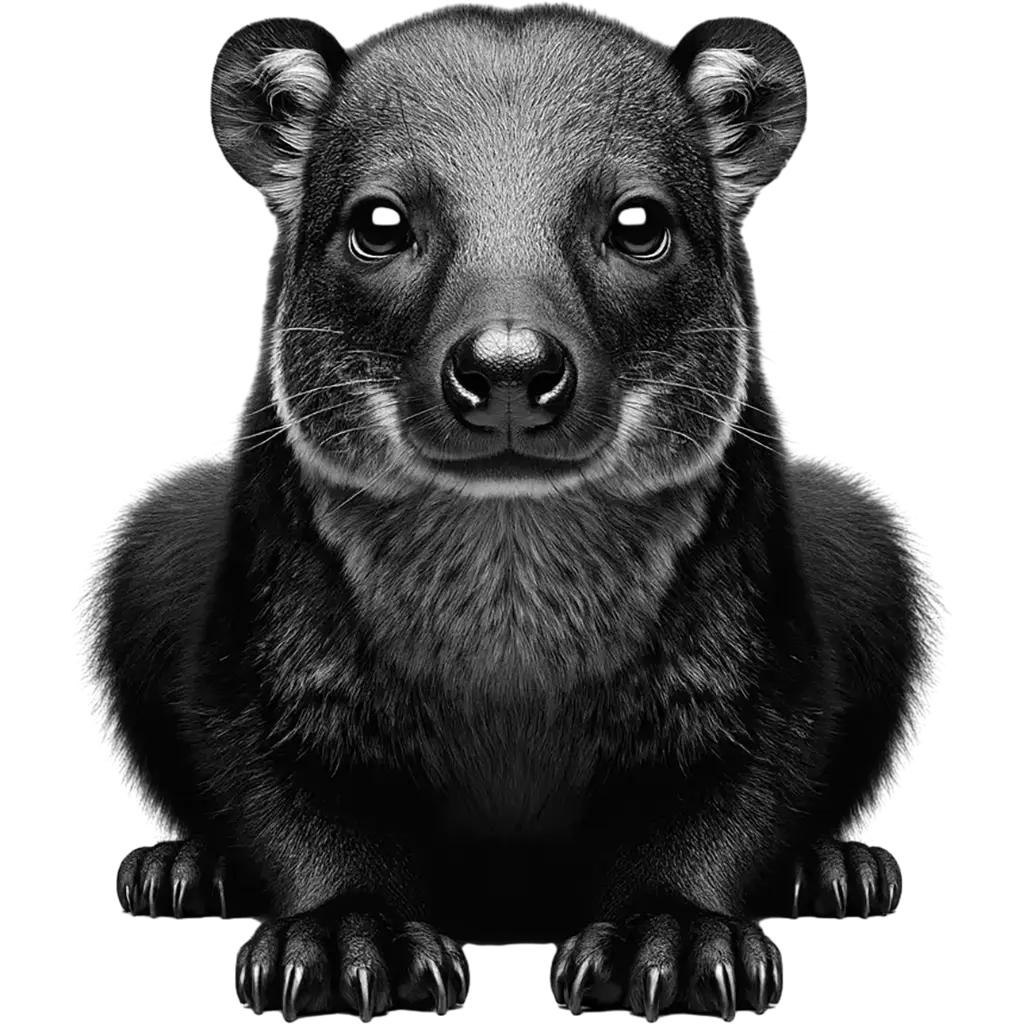
The Tayra, eira barbara, is a versatile and adaptable member of the weasel family, notable for its slender body, elongated head, and bushy tail. Adult Tayras can reach lengths of 60 to 70 cm, not including their tail, which adds an additional 37 to 46 cm, and they weigh between
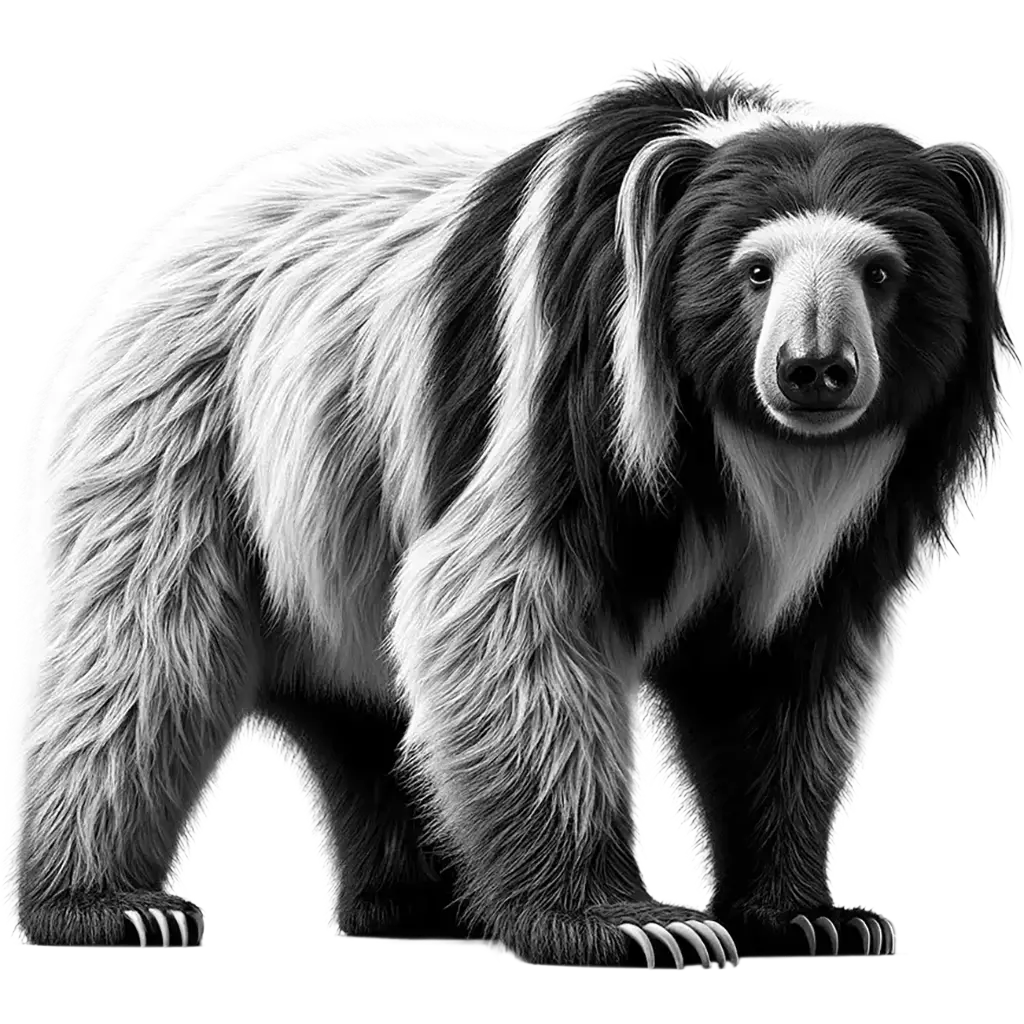
The Sloth Bear, melursus ursinus, is a nocturnal, insectivorous bear species native to the Indian subcontinent. Distinguished by its shaggy black coat, long, curved claws, and a distinctive white or yellowish V or Y-shaped mark on its chest, adults can weigh between 55 to 145 kg. The bear's muzzle is