
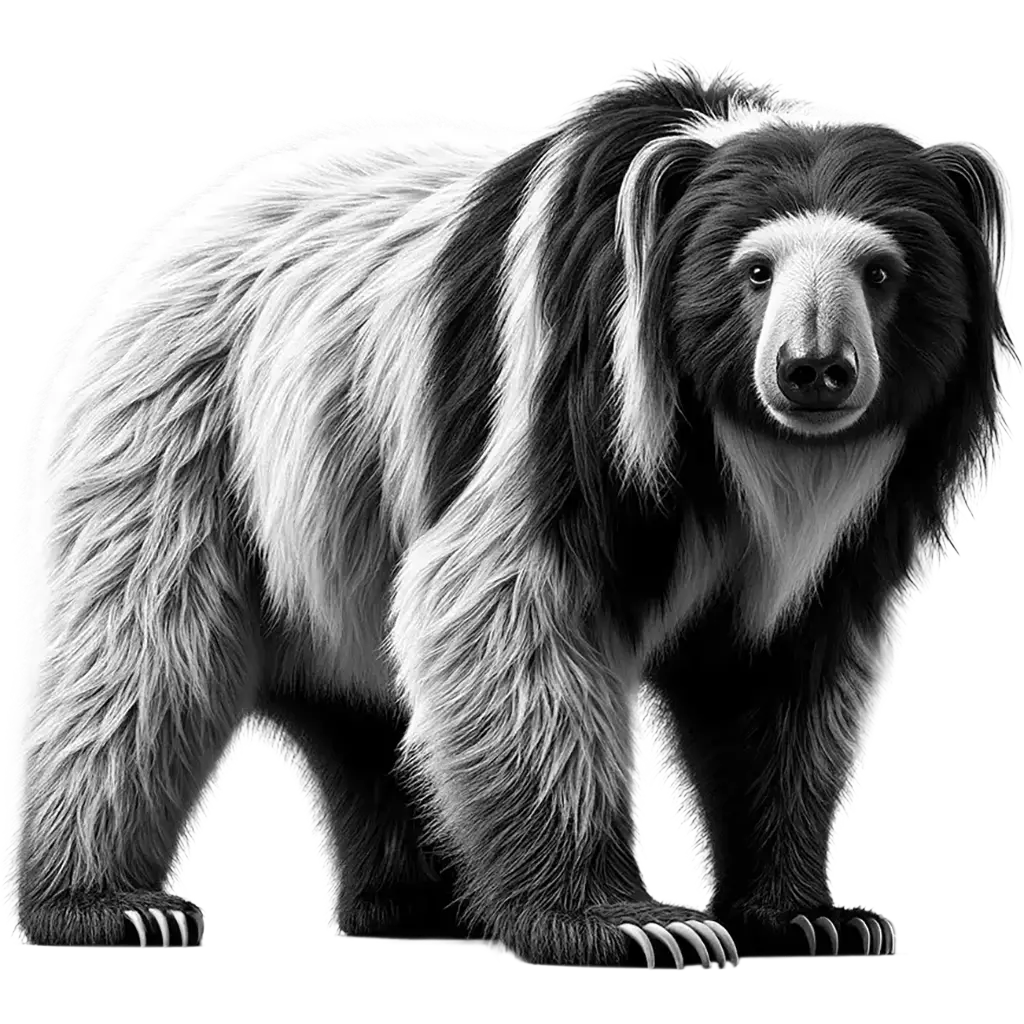
Melursus Ursinus
Sloth Bear
Tropical dry and moist forests, grasslands, and scrublands
The Sloth Bear, melursus ursinus, is a nocturnal, insectivorous bear species native to the Indian subcontinent. Distinguished by its shaggy black coat, long, curved claws, and a distinctive white or yellowish V or Y-shaped mark on its chest, adults can weigh between 55 to 145 kg. The bear's muzzle is long and flexible, with protruding lips used for sucking insects from their nests. Unlike other bear species, Sloth Bears have a lanky build, with a loose, shaggy coat that can appear unkempt.
| Population: | Listed as Vulnerable due to habitat loss and human-wildlife conflict |
| Generation Length: | 7-8 years |
| Average Weight: | 55-145 kg |
| Average Length: | 1.5-1.9 meters in body length |
| Lifespan: | 20-30 years in the wild |
| Diet: | Myrmecophagous, feeding on ants, termites, fruit, and plants |
| Conservation Status: | Vulnerable (VU) |
Sloth Bears primarily inhabit tropical dry forests, grassland areas, and scrublands, though they are also found in a variety of other habitats. They are highly adaptable but require access to dense vegetation for shelter and food sources. These bears are solitary by nature, except during mating or when females are with cubs. Their nocturnal habits help them avoid the heat of the day and human activities.
Their diet mainly consists of ants, termites, and other insects, which they extract from mounds using their long claws and by blowing away excess dirt with a powerful snort. Sloth Bears also consume honey, fruits, and flowers, playing a role in pollination and seed dispersal. Their specialized palate and feeding behavior make them one of the few mammals that are predominantly myrmecophagous (ant and termite-eating).
Reproduction in Sloth Bears involves a gestation period of about 210 days, after which females give birth to 1 to 2 cubs, usually in a den. The cubs are born blind and remain dependent on their mother for nourishment and protection for several months. Remarkably, Sloth Bear mothers carry their young on their backs when moving, a unique behavior among bears.
The population of the Sloth Bear is considered vulnerable due to habitat loss, human-wildlife conflict, and poaching for body parts used in traditional medicine. Conservation efforts are focused on habitat preservation, reducing human-bear conflicts, and enforcing wildlife protection laws to ensure the survival of this unique species in its natural habitat.
Classifications
The Key Attributes
Features
- Movement:
Walking, climbing
- Territorial Behavior:
Solitary, except for mothers with cubs or during mating
- Speed:
Capable of running quickly over short distances
- Diet:
Omnivore
- Physical Features:
- Shaggy black fur with a distinctive white or yellowish chest 'V' or 'Y' mark
- Long, curved claws for digging termite mounds
- Large, floppy ears and a long snout with a protruding lower lip
- Lack of upper front teeth, adapted for sucking insects
- Primary Senses:
- Smell
- Hearing
Understanding Habitat and Range
Geography
- Habitat:
Tropical dry and moist forests, grasslands, and scrublands
- Migration Patterns:
Sedentary, with a home range that varies based on food availability and habitat quality
- Geographical Range:
India, Sri Lanka, and parts of Nepal and Bhutan
- Climate Preferences:
Prefers warm, humid conditions but is adaptable to various forest habitats
Navigating the Wilderness
In the wild
- Predators:
Tigers, leopards, and humans
- Prey:
Termites, ants, honeybee colonies, fruits, and flowers
- Feeding Behavior:
Primarily feeds on termites and ants, using its claws to break open nests and its lips to suck up insects
- Diet:
Myrmecophagous, feeding on ants, termites, fruit, and plants
- Defensive Mechanisms:
- Loud roars and screams to deter predators
- Strong claws and powerful limbs for defense
- Ability to stand on hind legs to appear larger
- Preferred Food Sources:
- Areas with abundant termite and ant colonies, and availability of fruiting trees and shrubs
Insights Into Reproduction
Mating
- Mating System:
Polygynous
- Number of Offspring:
1-2 cubs
- Gestation Period:
About 6-7 months
- Parental Involvement:
- Mothers are highly protective, carrying cubs on their backs and nursing them for several months
Youngsters Section
Sloth Bear
Fun Fact
Sloth bears have a unique feeding habit; they primarily eat ants and termites.
They use their long, flexible lower lip and gap in teeth to suck insects. These bears can close their nostrils to keep dust out while feeding. With a shaggy coat and distinctive white chest patch, they are native to the Indian subcontinent.

Download word search puzzles
Word Search Puzzles


Check Out Other Mammals
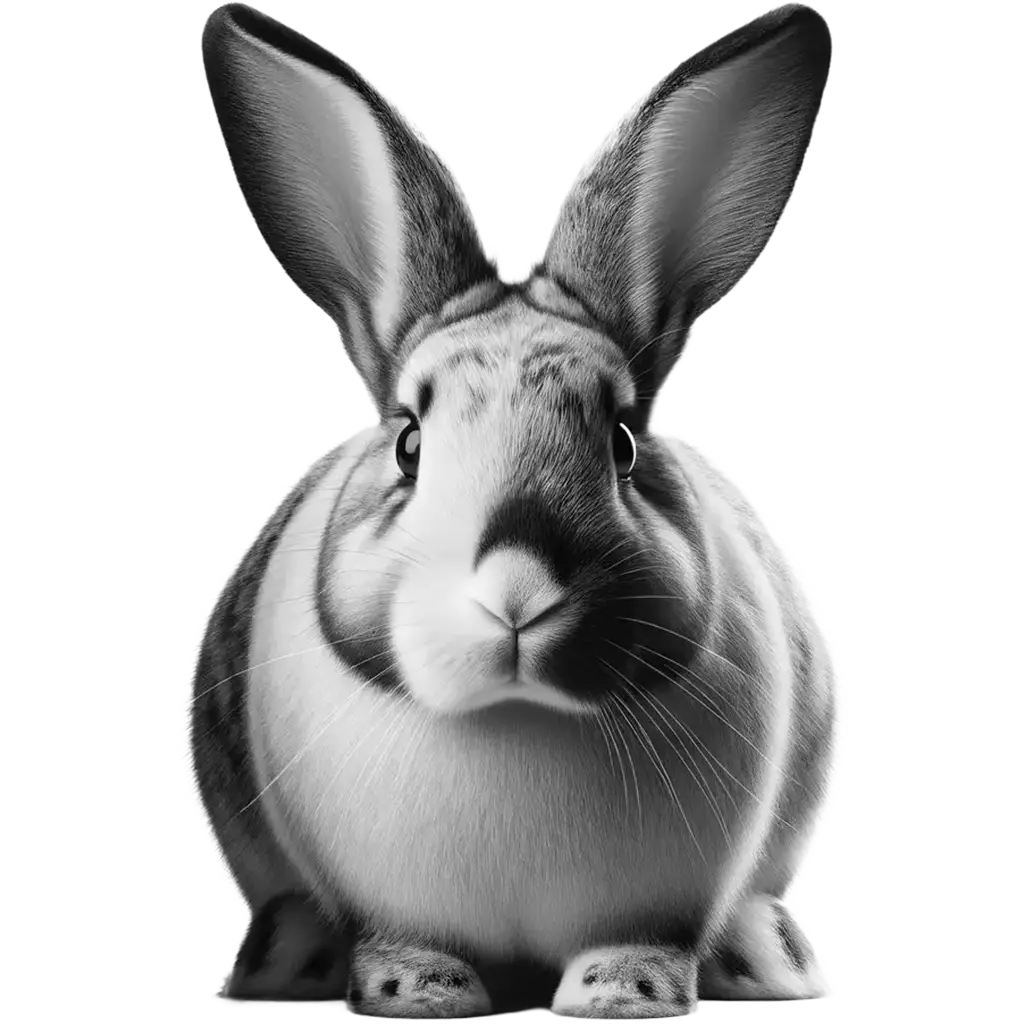
The European Rabbit, oryctolagus cuniculus, is a small mammal native to southwestern Europe and northwest Africa. With a compact body, the rabbit has a robust build, short tail, and long ears that can measure up to 7 cm in length. Adults typically weigh between 1.2 to 2.5 kg and have
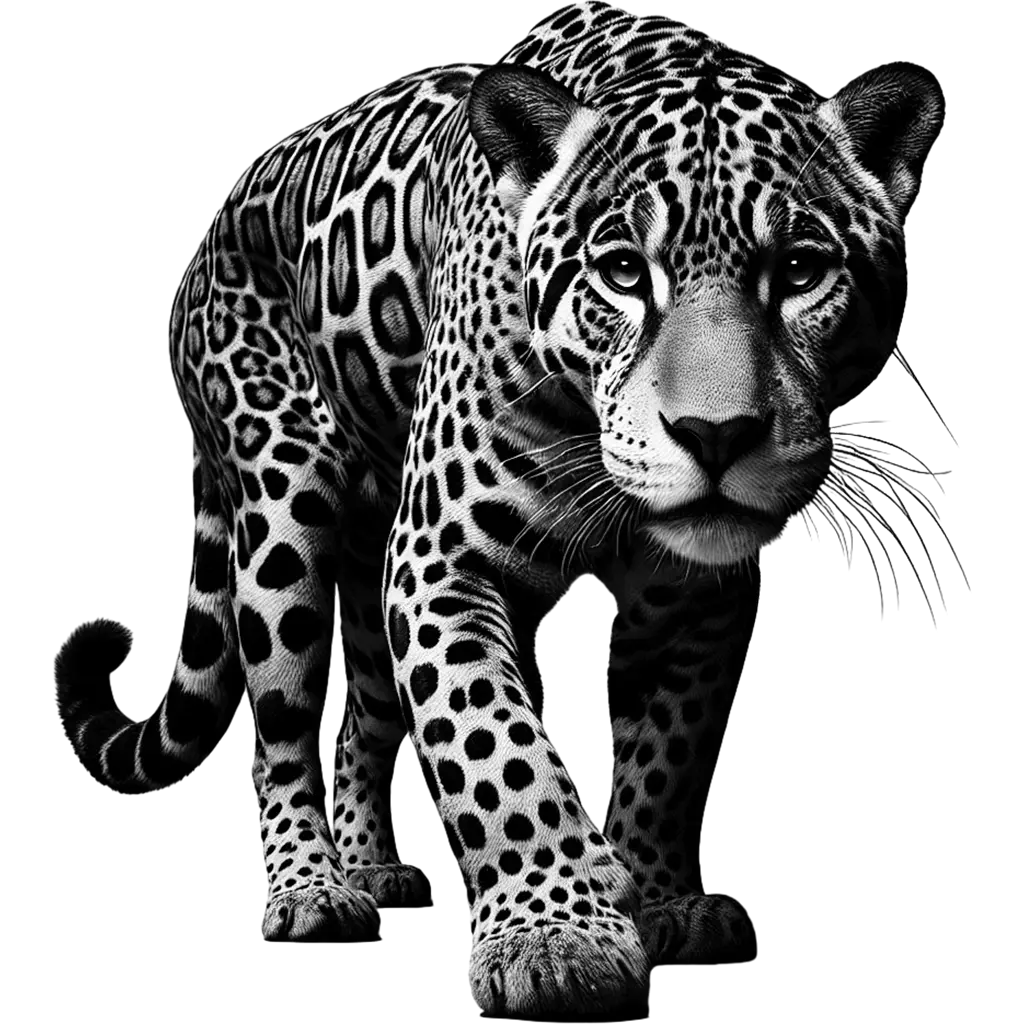
The Jaguar, panthera onca, is the largest cat in the Americas and the third-largest feline in the world, after tigers and lions. Known for its powerful build, the Jaguar has a broad head, muscular limbs, and a robust body that enables it to excel in climbing, swimming, and crawling through
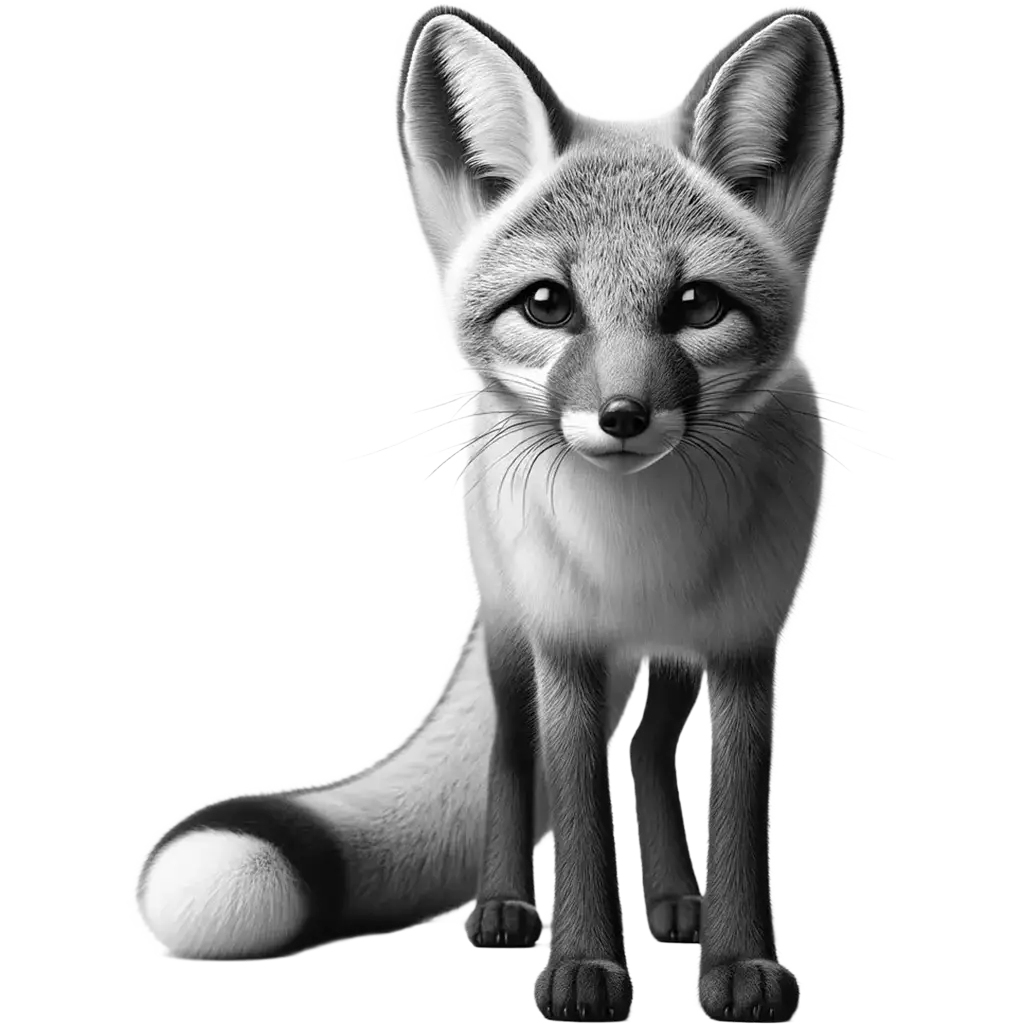
The Kit Fox, vulpes macrotis, is a small North American fox known for its slender build, large ears, and a bushy tail with a black tip. These adaptations not only contribute to its distinctive appearance but also play crucial roles in its survival within arid and semi-arid environments, including deserts,

The Siberian Husky, a medium-sized working dog breed, is renowned for its endurance and willingness to work. Originating from Siberia, these dogs were bred by the Chukchi people for sled pulling and companionship. Siberian Huskies have a striking appearance, characterized by their thick double coat, erect triangular ears, and distinctive