
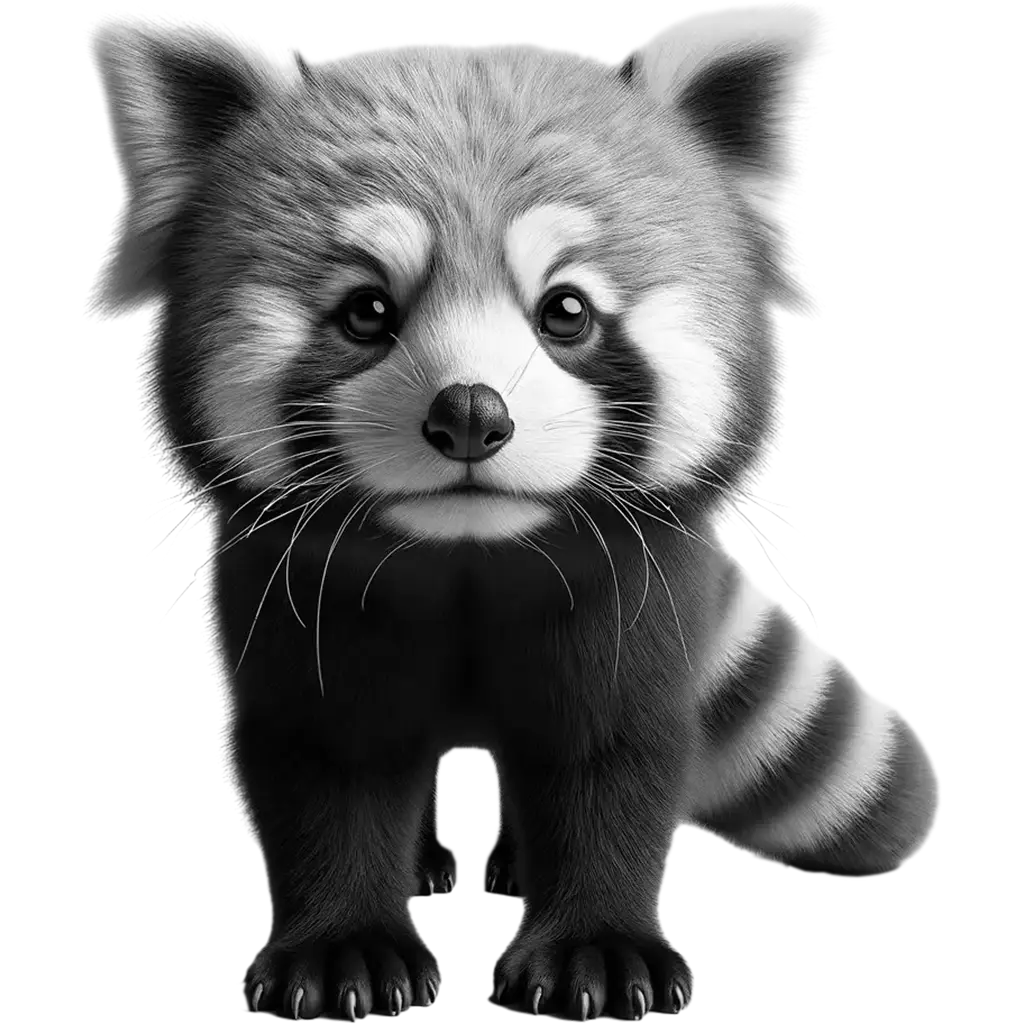
Ailurus Fulgens
Red Panda
Temperate forests with bamboo understory
The Red Panda, ailurus fulgens, is a small mammal native to the temperate forests of the Himalayas and southwestern China. Characterized by its reddish-brown fur, bushy tail with six alternating yellowish-red and dark rings, and a wistful face with white markings, it resembles a raccoon more than its namesake, the giant panda. Adults typically weigh between 3 to 6.2 kg and measure about 50 to 64 cm in length, with an additional 28 to 59 cm of tail length. This arboreal species has semi-retractable claws and a false thumb, adaptations that facilitate its expert climbing ability.
| Population: | Listed as Endangered due to habitat loss and fragmentation |
| Generation Length: | 5-7 years |
| Average Weight: | 3-6 kg |
| Average Length: | 50-64 cm, with a tail length of 28-49 cm |
| Lifespan: | 8-12 years in the wild |
| Diet: | Bamboo makes up most of their diet, with occasional plant and animal matter |
| Conservation Status: | Endangered (EN) |
Red Pandas are solitary and primarily nocturnal, spending the day sleeping in trees and becoming active at dusk. Their habitat in high-altitude forests is crucial, providing both the bamboo that constitutes the majority of their diet and trees for shelter. Despite their solitary nature, Red Pandas communicate through a variety of sounds and use scent marking to indicate their territory.
The diet of the Red Panda is predominantly bamboo, from which it obtains essential nutrients. Unlike the giant panda, the Red Panda's diet is more varied, including fruits, acorns, roots, and occasionally eggs or small birds. This dietary flexibility helps them to survive in their harsh, mountainous environment.
Reproduction in Red Pandas occurs once a year, with females giving birth to one to four young in the spring or summer after a gestation period of about 134 days. Nests are made in hollow trees or rock crevices, lined with moss, leaves, and fur. The young are born blind and helpless, depending on their mother for care during the first few months of life.
The Red Panda is classified as Endangered, facing threats from habitat loss and fragmentation, poaching, and inbreeding depression. Their natural habitats are rapidly diminishing due to deforestation for timber, agricultural expansion, and the spread of human settlements. Conservation efforts include habitat protection, creating wildlife corridors, breeding programs, and international laws against poaching. The survival of the Red Panda is vital for biodiversity and the health of its mountain forest ecosystems.
Classifications
The Key Attributes
Features
- Movement:
Climbing, walking
- Territorial Behavior:
Solitary, with defined territories
- Speed:
Not particularly fast, agile in trees
- Diet:
Herbivore
- Physical Features:
- Thick reddish-brown fur
- Bushy, striped tail
- Facial markings with white and darker colors
- Wrist bone acts as a 'false thumb' aiding in gripping
- Primary Senses:
- Sight
- Hearing
- Smell
Understanding Habitat and Range
Geography
- Habitat:
Temperate forests with bamboo understory
- Migration Patterns:
Non-migratory
- Geographical Range:
Eastern Himalayas and southwestern China
- Climate Preferences:
Prefers cool temperate climates
Navigating the Wilderness
In the wild
- Predators:
Snow leopards, martens, and birds of prey
- Prey:
Bamboo, supplemented with fruits, eggs, birds, and small mammals
- Feeding Behavior:
Primarily feeds on bamboo leaves and shoots, occasionally eats fruits, insects, and small mammals
- Diet:
Bamboo makes up most of their diet, with occasional plant and animal matter
- Defensive Mechanisms:
- Climbing to high branches to escape predators
- Camouflage with the forest canopy
- Preferred Food Sources:
- Forests rich in bamboo species
Insights Into Reproduction
Mating
- Mating System:
Polygynandrous
- Number of Offspring:
Usually 1-2 cubs
- Gestation Period:
Around 135 days
- Parental Involvement:
- Females provide sole care, nurturing the cubs in tree nests or rock crevices
Youngsters Section
Red Panda
Fun Fact
Red pandas are not closely related to giant pandas despite their shared name. They belong to their own unique family.
These adorable creatures use their bushy tails for balance and warmth. Red pandas are primarily nocturnal and spend most of their time in trees. They have a specialized wrist bone that acts like a thumb, helping them grasp bamboo and other food. Red pandas are native to the Himalayas and southwestern China.

Download word search puzzles
Word Search Puzzles


Check Out Other Mammals
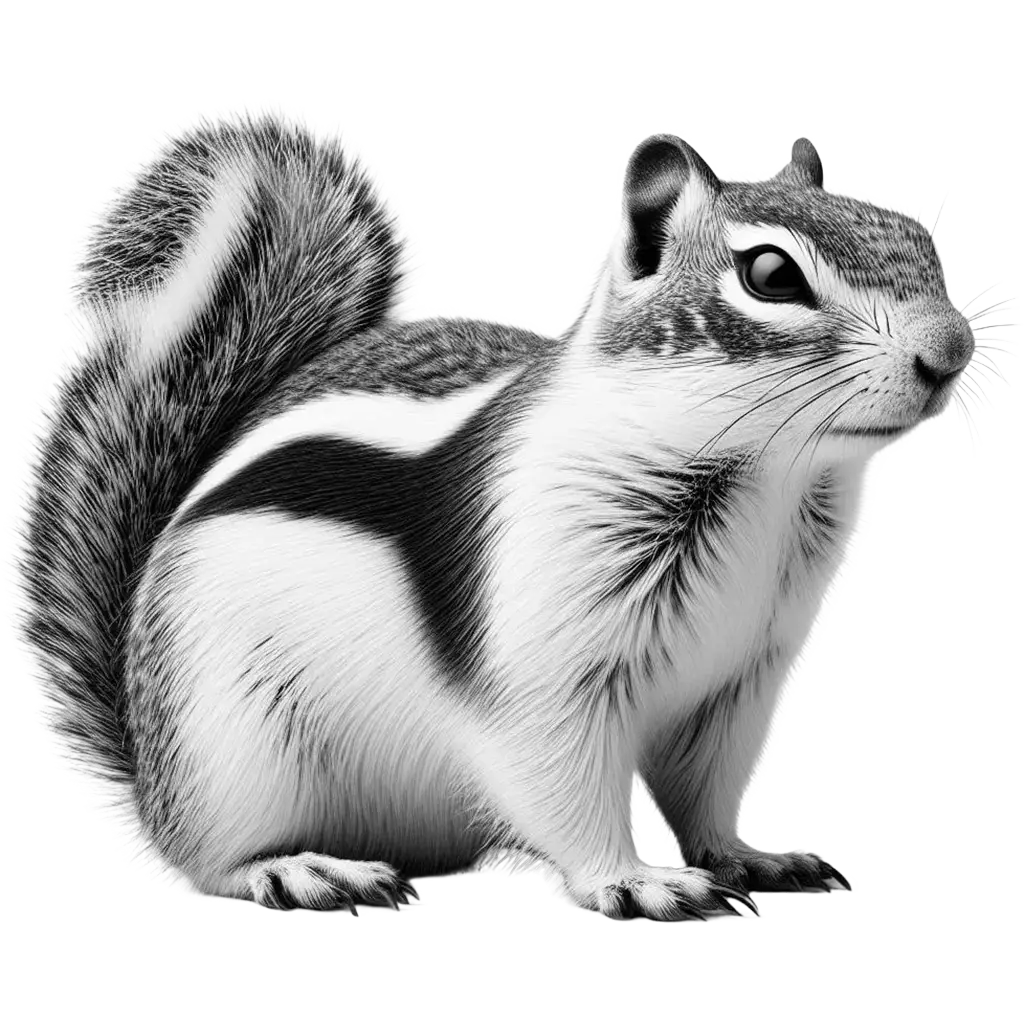
The Golden-Mantled Ground Squirrel, Callospermophilus lateralis, is a small, robust rodent widely distributed across the forests and mountainous regions of western North America. This species is easily recognizable by its distinctive coloring: a rich brown or greyish body adorned with a bold white stripe bordered by black along each side,
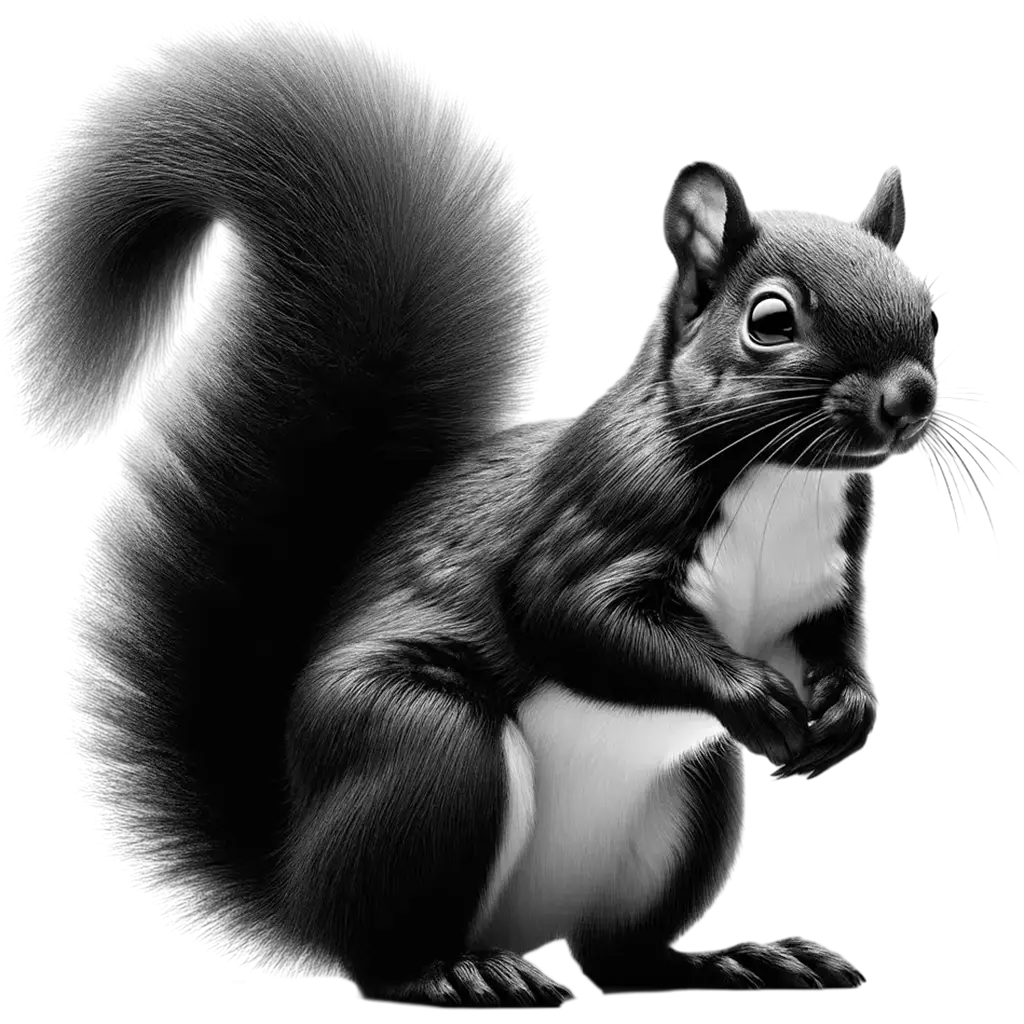
The Mexican Gray Squirrel, sciurus aureogaster, is a medium-sized squirrel native to Central America and southern Mexico. This species is characterized by its distinctive pelage, which varies from gray to brownish-gray on the back with a contrasting reddish or orange underside, making it easily distinguishable from other squirrel species. Adults
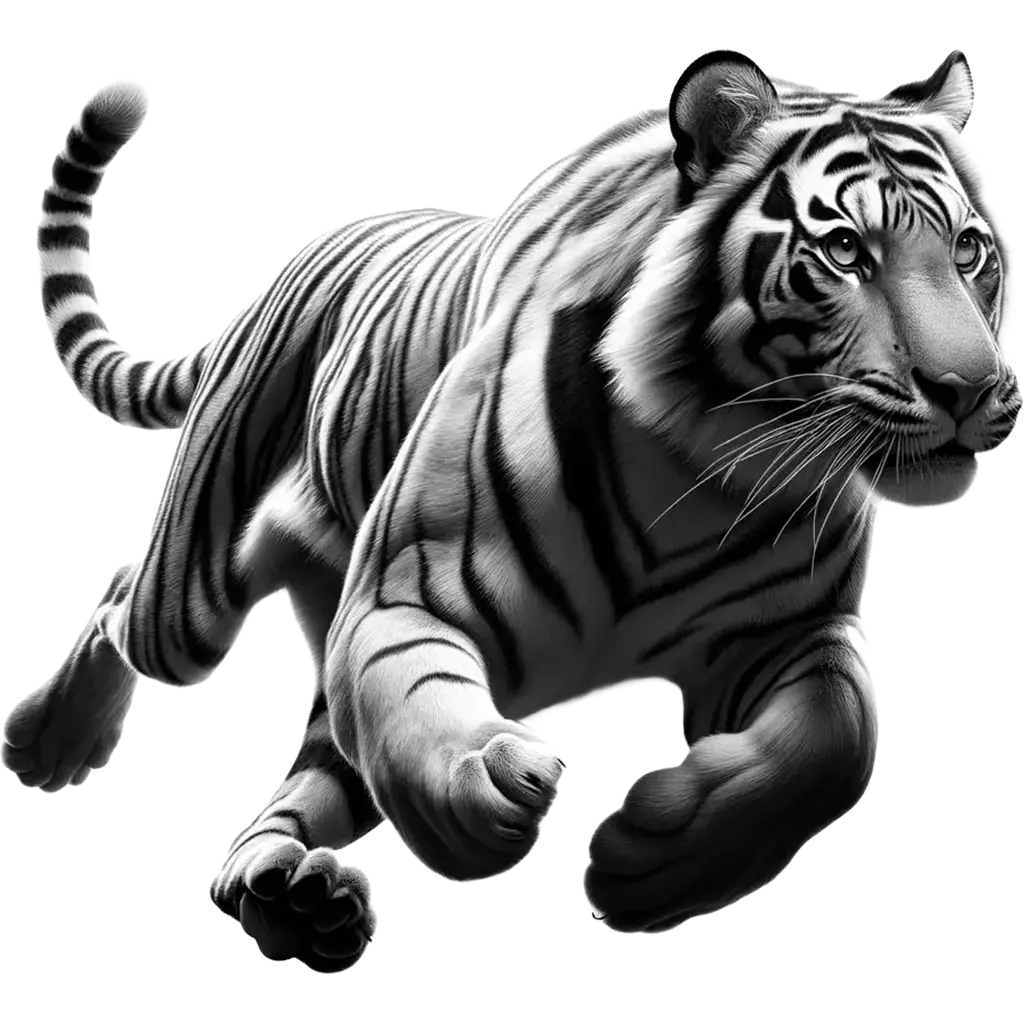
The Sumatran Tiger, Panthera tigris ssp. sumatrae, is the smallest of the surviving tiger subspecies, native exclusively to the Indonesian island of Sumatra. Adults typically weigh between 100 to 140 kilograms (220 to 310 pounds) for males and 75 to 110 kilograms (165 to 243 pounds) for females, with a
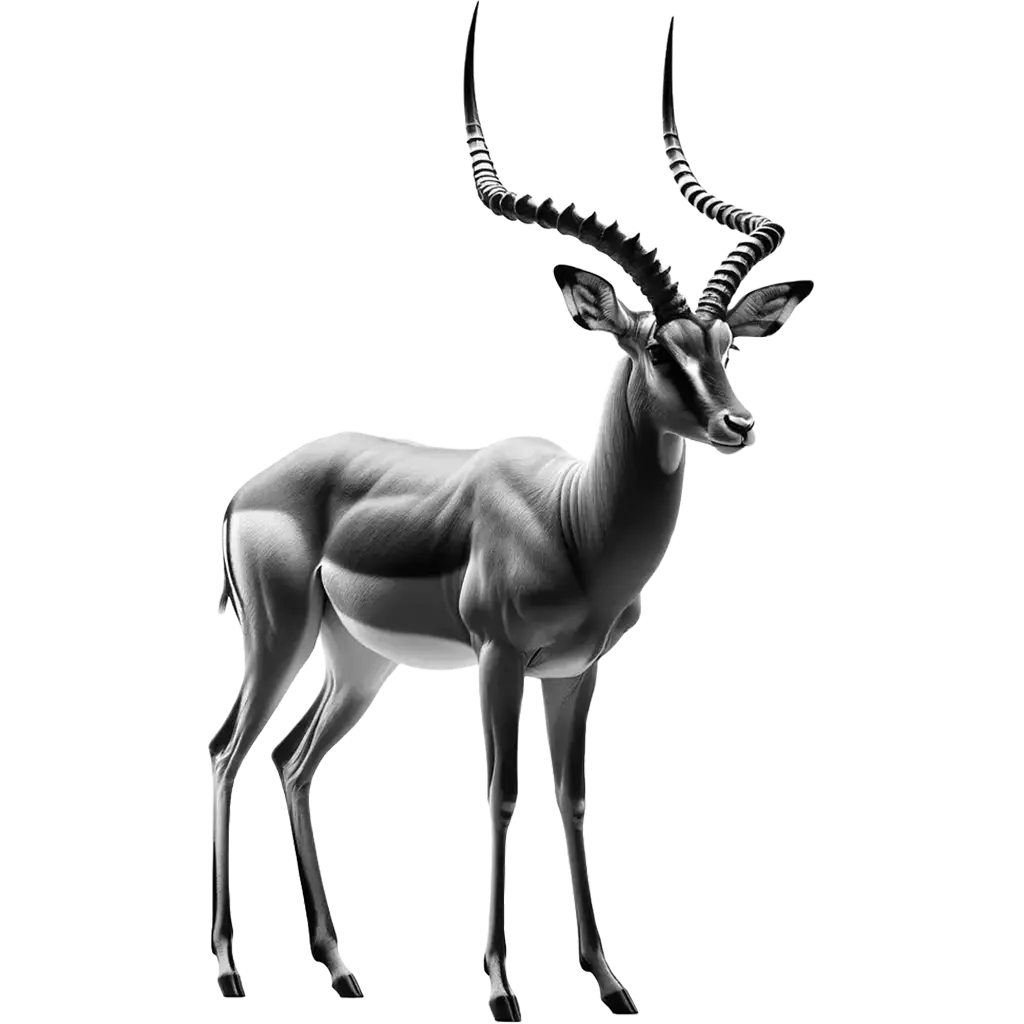
The Impala, aepyceros melampus, is a graceful and agile antelope found across the savannas and woodlands of eastern and southern Africa. Characterized by its slender, athletic build, the Impala has a glossy, reddish-brown coat, with lighter flanks and a distinctive white underbelly. Males boast impressive lyre-shaped horns, which can grow