
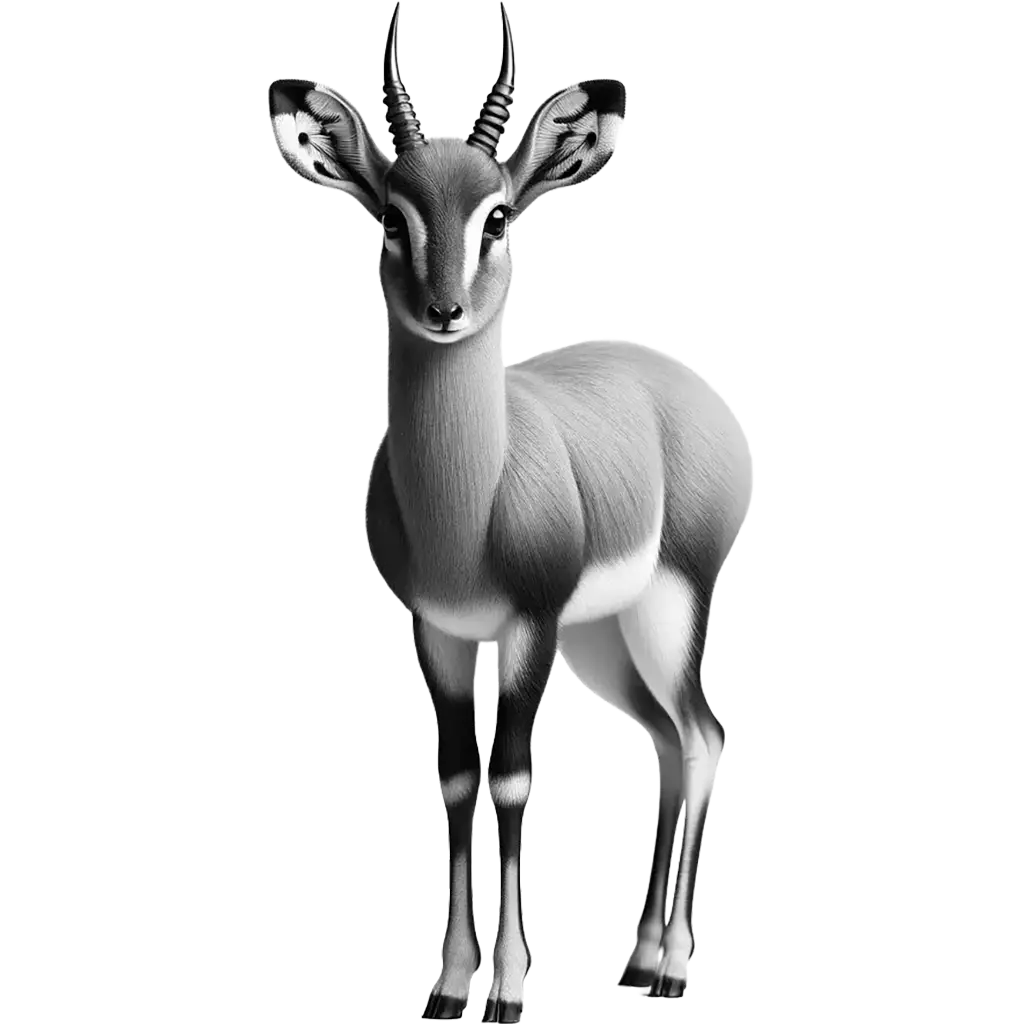
Ourebia Ourebi
Oribi
Savannas, grasslands, and open woodland
The Oribi, ourebia ourebi, is a small, elegant antelope found in the grasslands and savannas of sub-Saharan Africa. Standing approximately 50 to 68 cm (20 to 27 inches) at the shoulder and weighing between 12 to 22 kg (26 to 48 lbs), the Oribi exhibits a slender build, with a short, glossy coat that ranges in color from fawn to rufous. Notable for its long, slender legs and elongated neck, the Oribi possesses large, expressive eyes and small, pointed ears. Both males and females are characterized by a distinctive black scent gland below the ears, though only males bear the short, sharp, straight horns that rarely exceed 18 cm (7 inches) in length.
| Population: | Listed as Least Concern, but some populations are decreasing |
| Generation Length: | 2-3 years |
| Average Weight: | 12-22 kg |
| Average Length: | Height at the shoulder: 50-68 cm |
| Lifespan: | 8-12 years in the wild |
| Diet: | Primarily grazes on grass, supplemented with leaves and other plant materials |
| Conservation Status: | Least Concern (LC) |
Oribis prefer open grasslands, floodplains, and lightly wooded savannas, where they rely on dense grassy patches for concealment from predators. They are primarily diurnal, spending the majority of their time grazing on a variety of grasses. The presence of suitable cover is crucial for their survival, providing protection against predators and harsh weather conditions.
The diet of the Oribi consists mainly of grass, with a preference for young shoots and leaves, which they selectively graze. This specialized feeding behavior allows them to thrive in their preferred habitats, where they play a role in maintaining the health and diversity of grassland ecosystems.
Reproduction in the Oribi involves a polygynous mating system, where males establish territories that attract females. Females give birth to a single calf after a gestation period of approximately 7 months. The calves are well-developed at birth and are hidden in tall grass by their mothers for the first few weeks of life, visiting them only for nursing.
The population of the Oribi is currently classified as Vulnerable, with numbers declining due to habitat loss, poaching, and competition with domestic livestock. Conservation efforts are focused on habitat protection and the enforcement of hunting regulations to ensure the survival of this species. The Oribi's sensitivity to environmental changes makes it an important indicator species for the health of grassland and savanna ecosystems.
Classifications
The Key Attributes
Features
- Movement:
Walking, running, leaping
- Territorial Behavior:
Territorial, with males maintaining small territories
- Speed:
Capable of swift running and leaping to escape predators
- Diet:
Herbivore
- Physical Features:
- Small, slender antelope with long, thin legs
- Short, pointed horns in males
- Smooth, short coat
- Large eyes and ears for detecting predators
- Primary Senses:
- Sight
- Hearing
- Smell
Understanding Habitat and Range
Geography
- Habitat:
Savannas, grasslands, and open woodland
- Migration Patterns:
Non-migratory, but may move locally in response to seasonal changes
- Geographical Range:
Sub-Saharan Africa
- Climate Preferences:
Prefers warm, dry climates
Navigating the Wilderness
In the wild
- Predators:
Large birds of prey, carnivorous mammals like jackals and leopards
- Prey:
Not applicable
- Feeding Behavior:
Grazes on grasses and browses on leaves, shoots, and flowers
- Diet:
Primarily grazes on grass, supplemented with leaves and other plant materials
- Defensive Mechanisms:
- Speed and agility to escape predators
- Using tall grass and bushes for camouflage
- Preferred Food Sources:
- Open grasslands and savannas with abundant green grass and scattered bushes
Insights Into Reproduction
Mating
- Mating System:
Monogamous or polygynous
- Number of Offspring:
Usually one calf
- Gestation Period:
About 7 months
- Parental Involvement:
- Females care for the young, hiding them in vegetation for the first weeks of life
Youngsters Section
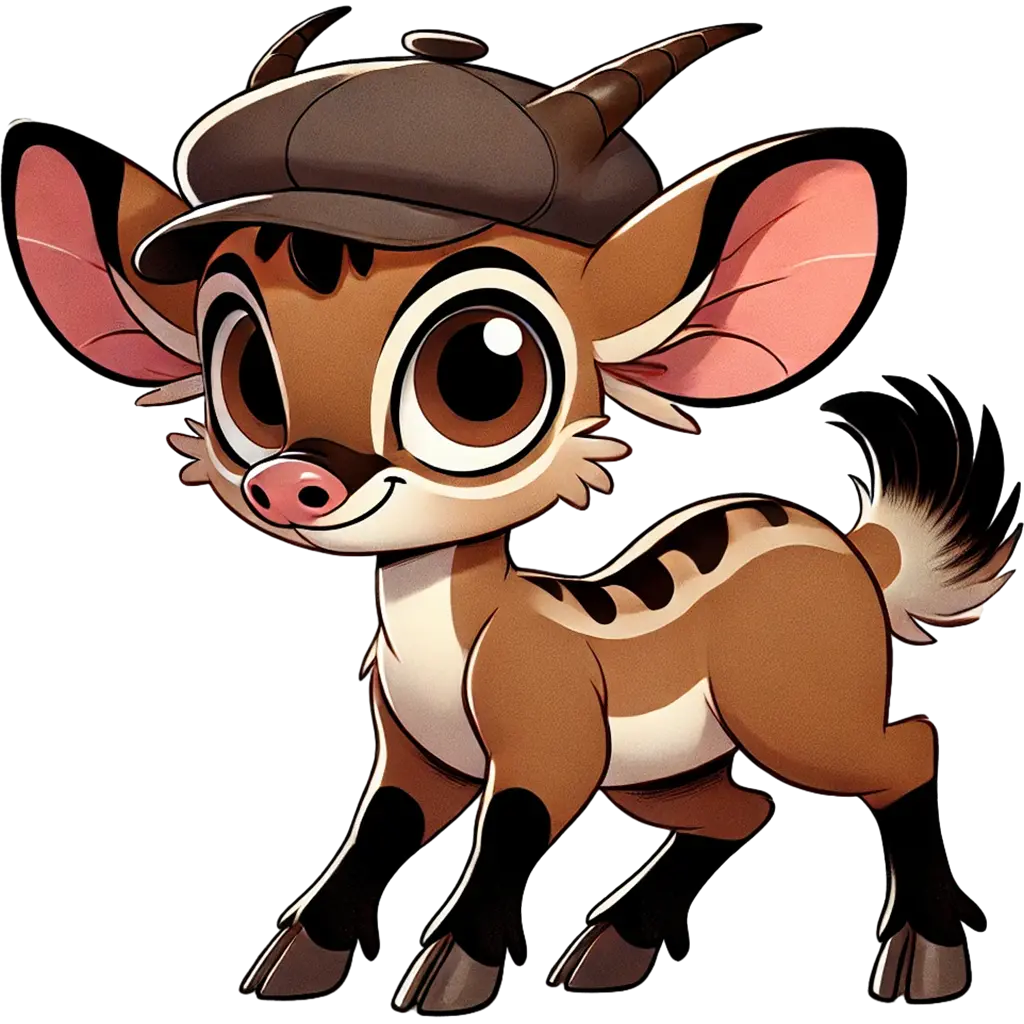
Oribi
Fun Fact
Oribis are small antelopes found in sub-Saharan Africa's grasslands and savannas.
They are known for their agility and speed, reaching up to 50 km/h. Oribis are highly territorial and often form monogamous pairs. They rely on their keen sense of smell and hearing to detect predators, making them adept at avoiding danger in the wild.

Download word search puzzles
Word Search Puzzles

Check Out Other Mammals
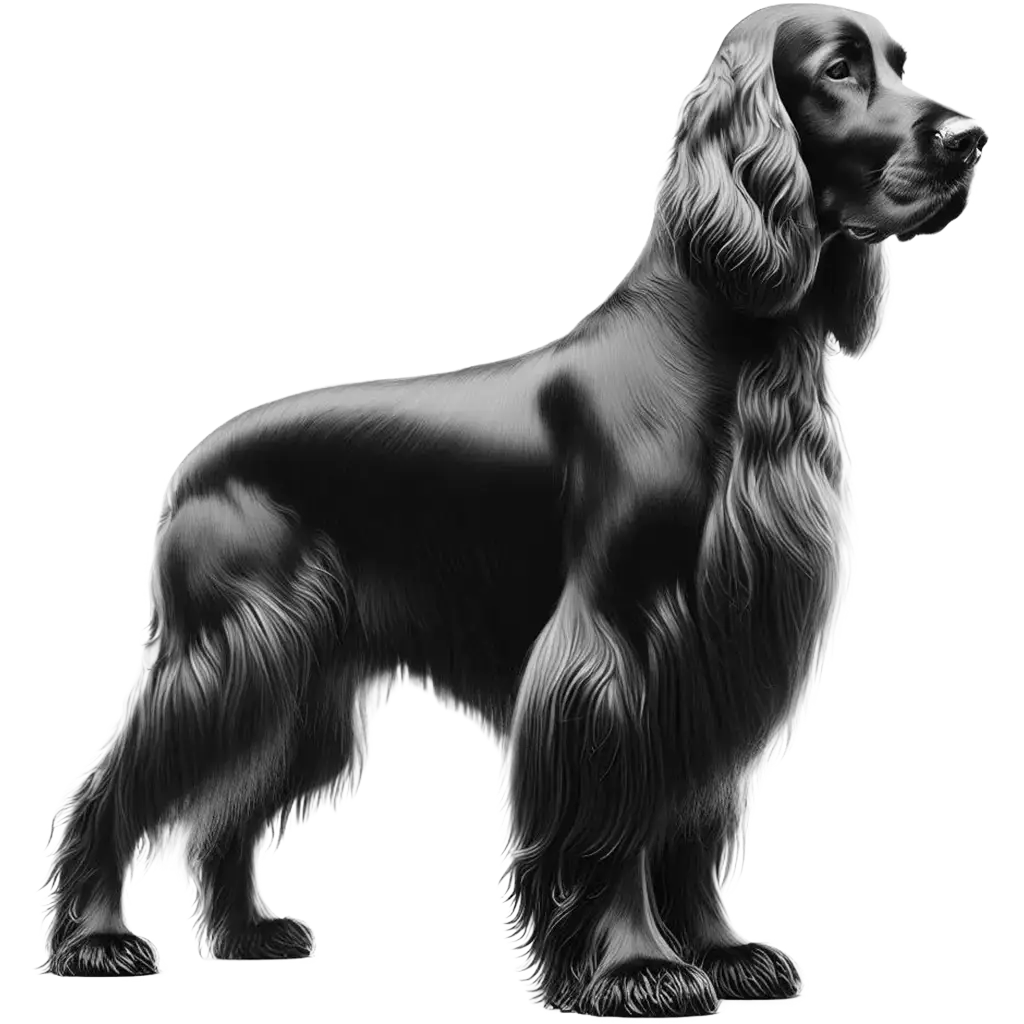
The Irish Setter, known for its striking rich mahogany coat and elegant appearance, is a breed of gun dog that originated in Ireland in the 18th century. These dogs are distinguished by their sleek, silky fur, long ears that frame their face, and a friendly, expressive gaze. Adult Irish Setters
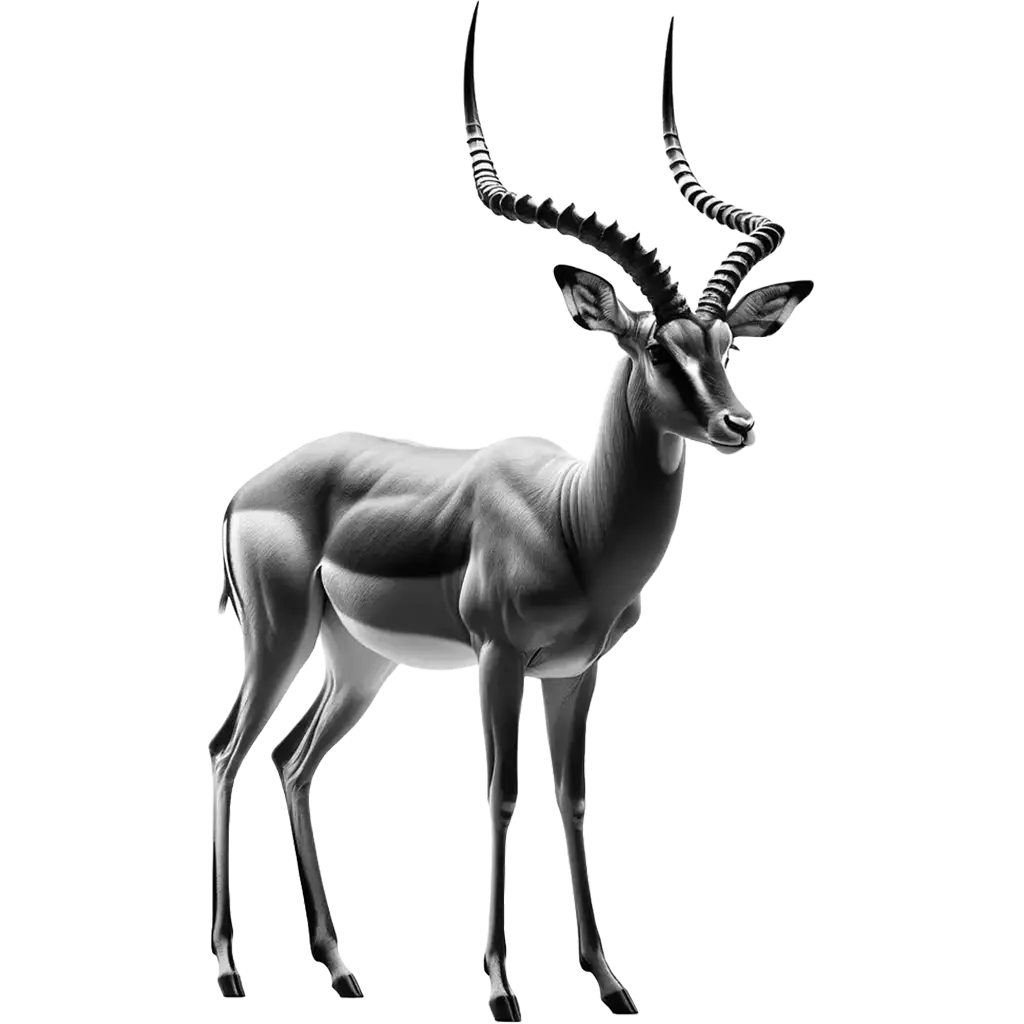
The Impala, aepyceros melampus, is a graceful and agile antelope found across the savannas and woodlands of eastern and southern Africa. Characterized by its slender, athletic build, the Impala has a glossy, reddish-brown coat, with lighter flanks and a distinctive white underbelly. Males boast impressive lyre-shaped horns, which can grow

The Newfoundland Dog, known for its remarkable size, strength, and gentle disposition, is a breed that originates from the Canadian island of Newfoundland. Males typically weigh between 130 to 150 pounds, with some reaching up to 200 pounds or more, and stand 28 inches tall at the shoulder. Females are
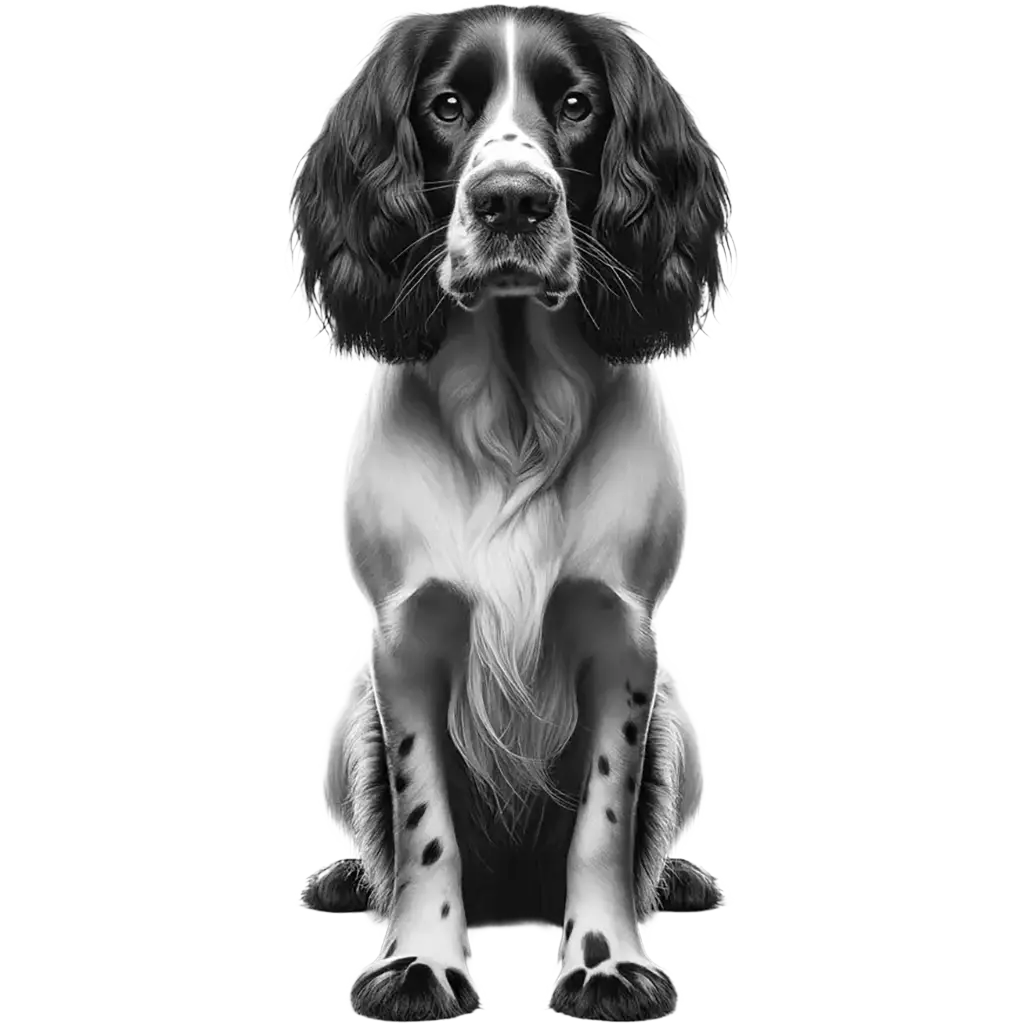
The English Springer Spaniel is a medium-sized, energetic breed known for its friendly demeanor and distinctive appearance. Typically weighing between 18 to 25 kg and standing about 46 to 51 cm at the shoulder, this breed possesses a compact body with strong, muscular legs, ideal for strenuous activity. Their coat,