
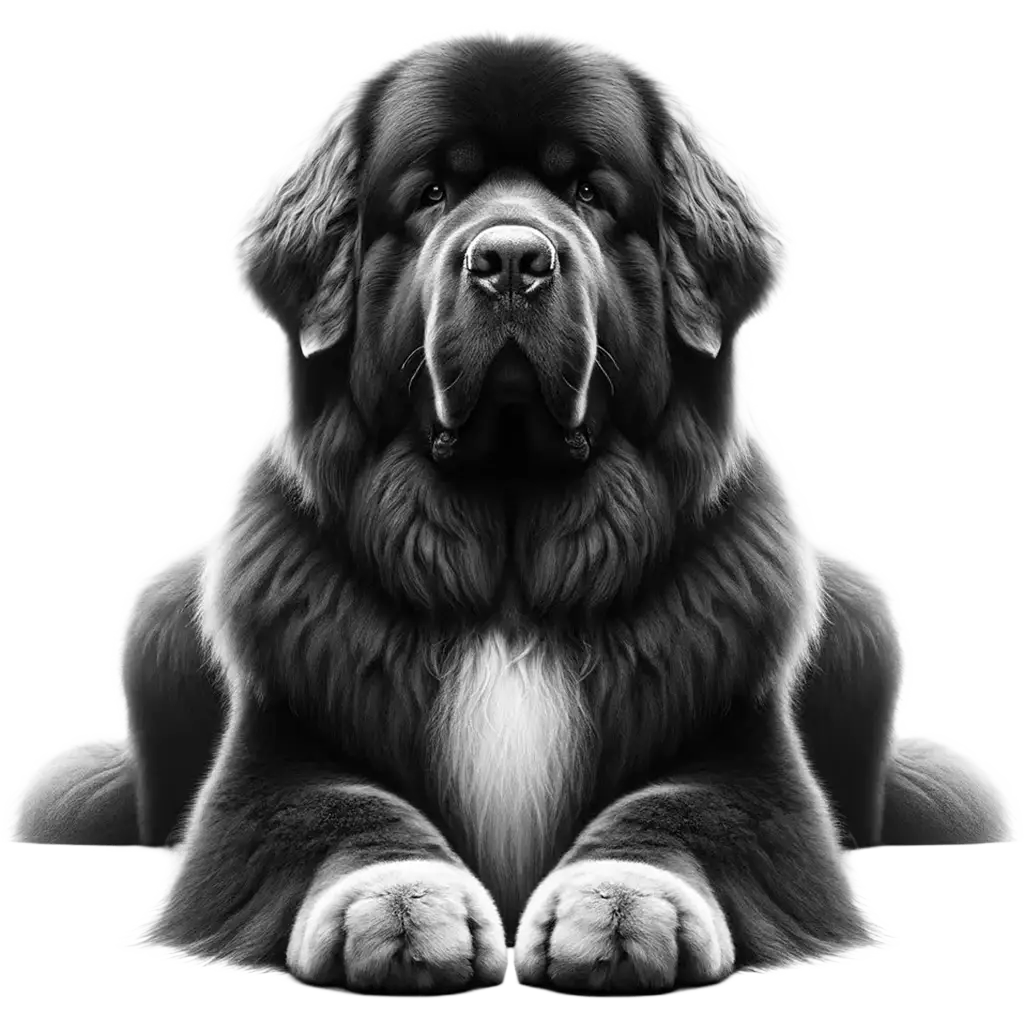
Canis Lupus
Newfoundland Dog
Domestic environments; adaptable to various living conditions but prefers cooler climates
The Newfoundland Dog, known for its remarkable size, strength, and gentle disposition, is a breed that originates from the Canadian island of Newfoundland. Males typically weigh between 130 to 150 pounds, with some reaching up to 200 pounds or more, and stand 28 inches tall at the shoulder. Females are slightly smaller but equally robust. The breed features a dense, water-resistant double coat, which can be black, brown, gray, or black and white (referred to as 'Landseer' after the artist who famously depicted them). Their large, webbed paws make them excellent swimmers, a trait that, along with their muscular build, has historically made them invaluable as working dogs, particularly in water rescue.
| Population: | Popular as a domestic breed, not endangered |
| Generation Length: | 4-5 years |
| Average Weight: | 45-70 kg |
| Average Length: | Height at the shoulder: 66-71 cm |
| Lifespan: | 8-10 years |
| Diet: | Dog food for large breeds, tailored to their needs |
| Conservation Status: | Not Evaluated (NE) |
Newfoundlands are known for their sweet temperament, loyalty, and patience, making them excellent family pets. They are particularly good with children, often referred to as 'gentle giants.' Despite their size, they are adaptable to various living situations, provided they have ample space to move around and access to regular exercise to maintain their health. Their calm nature and intelligence also make them suitable for roles such as therapy work and participation in water rescue operations.
The diet of a Newfoundland should be carefully managed to prevent obesity and ensure they receive the necessary nutrients to support their large size and active lifestyle. High-quality dog food appropriate for large breeds, divided into two meals a day, is recommended to maintain their health and energy levels.
Reproduction in Newfoundlands, as with all large breeds, requires careful consideration of health and genetics. Females typically have litters of 4 to 12 puppies. Due to their size and potential for inherited health issues, such as hip dysplasia and heart conditions, responsible breeding practices and health screenings are important for the wellbeing of both the parents and the offspring.
The population of Newfoundland Dogs is stable, with the breed enjoying popularity worldwide. While they do not face the same survival threats as many wild species, conservation of the breed's health and characteristics is a priority among breeders and enthusiasts. Their unique combination of strength, intelligence, and gentle temperament continues to endear them to dog lovers around the globe.
Classifications
The Key Attributes
Features
- Movement:
Walking, swimming
- Territorial Behavior:
Generally not territorial; known for its gentle and friendly nature
- Speed:
Moderate; not known for speed but for strength and endurance
- Diet:
Omnivore
- Physical Features:
- Large size with a heavy coat
- Webbed feet for swimming
- Thick, water-resistant double coat
- Strong, muscular build
- Primary Senses:
- Sight
- Hearing
- Smell
Understanding Habitat and Range
Geography
- Habitat:
Domestic environments; adaptable to various living conditions but prefers cooler climates
- Migration Patterns:
Non-applicable
- Geographical Range:
Originally from Newfoundland, Canada; now found worldwide as a domestic breed
- Climate Preferences:
Prefers cooler climates, can overheat in warm temperatures
Navigating the Wilderness
In the wild
- Predators:
Not applicable in domestic settings
- Prey:
Not applicable
- Feeding Behavior:
Fed by owners, requires a balanced diet to maintain health and prevent obesity
- Diet:
Dog food for large breeds, tailored to their needs
- Defensive Mechanisms:
- May use size and bark to deter intruders, but typically non-aggressive
- Preferred Food Sources:
- High-quality commercial dog foods with appropriate nutrients for large breeds
Insights Into Reproduction
Mating
- Mating System:
Controlled breeding in domestic settings
- Number of Offspring:
4-12 puppies
- Gestation Period:
Approximately 63 days
- Parental Involvement:
- Females nurse and care for the puppies, with human assistance for health monitoring and care
Youngsters Section
Newfoundland Dog
Fun Fact
Newfoundland dogs are known for their incredible swimming abilities and gentle nature.
Originally bred as working dogs for fishermen in Newfoundland, these dogs have webbed feet and a water-resistant coat, making them excellent swimmers. Their strength and stamina allowed them to perform tasks like hauling nets and rescuing people from the water, showcasing their remarkable versatility.

Download word search puzzles
Word Search Puzzles


Check Out Other Mammals
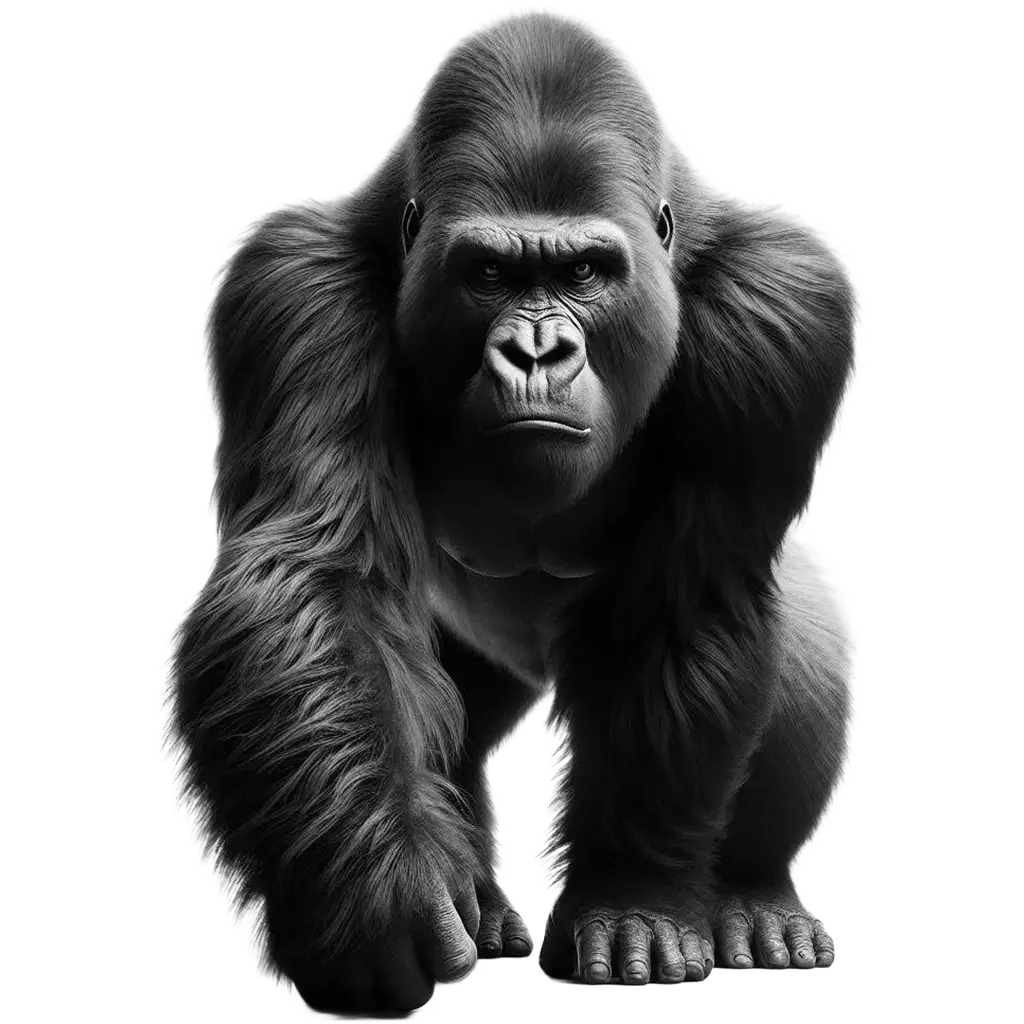
The Western Gorilla, gorilla gorilla, stands as a majestic primate, recognized by its dense, dark fur and a more prominent ridge along its brow compared to its Eastern counterpart. Adult males, known as silverbacks due to the distinctive silver-gray fur on their backs that develops with age, can reach heights
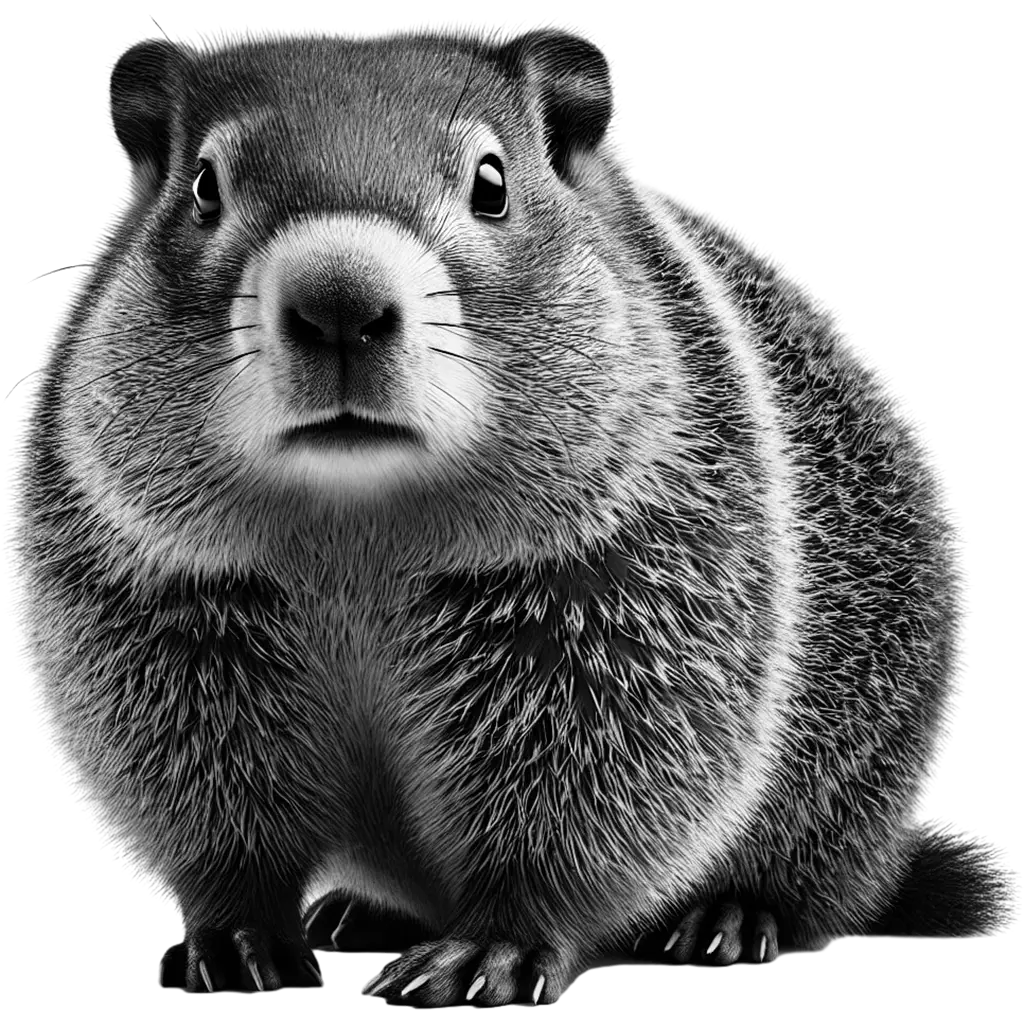
The groundhog is a stout, robust rodent characterized by its stocky body, short legs, and bushy tail. Its dense, coarse fur is typically a mix of brown and gray hues, which helps it blend into woodland and field environments. The broad, rounded head is complemented by prominent incisors and small,
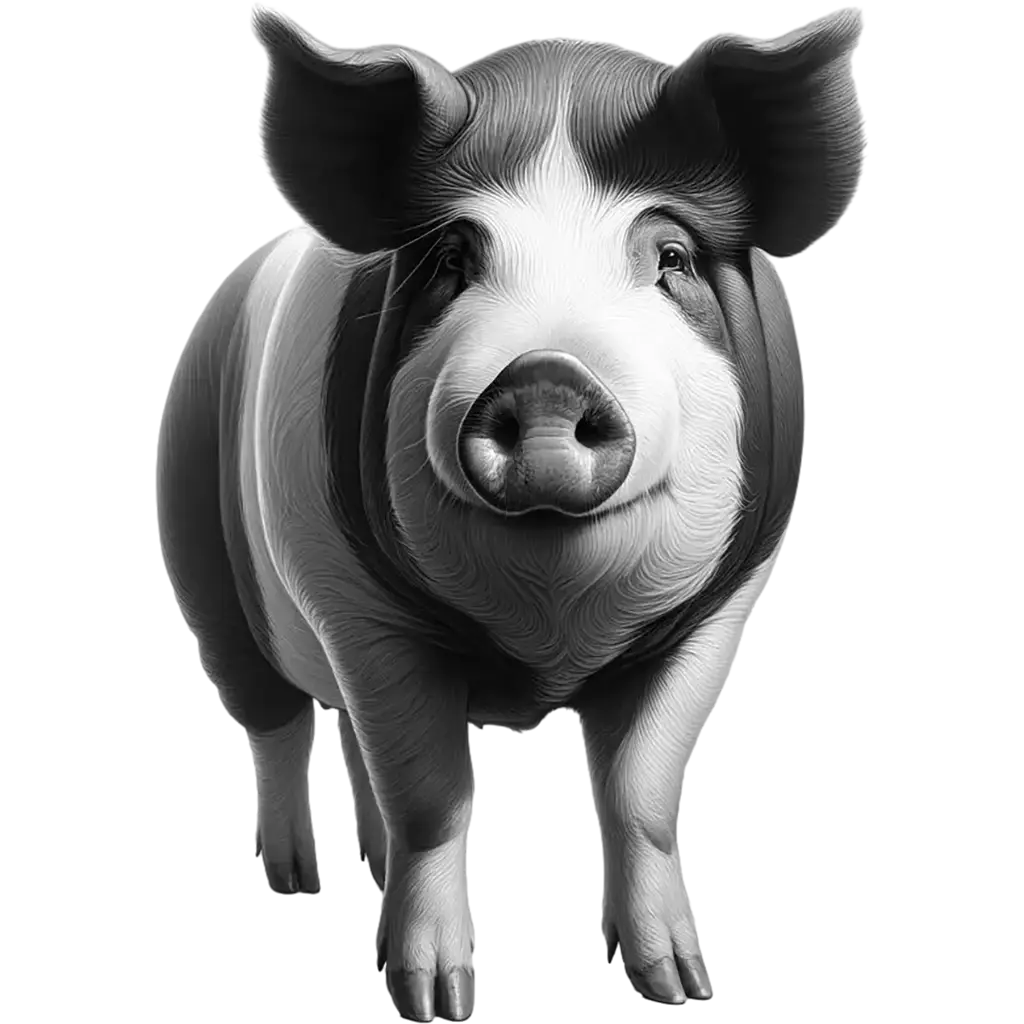
The Domestic Pig, sus domesticus, is a subspecies of the wild boar and a prominent figure in agricultural and culinary contexts worldwide. Adult pigs vary widely in size and weight, typically ranging from 50 to 350 kg, depending on the breed and conditions in which they are raised. Their bodies
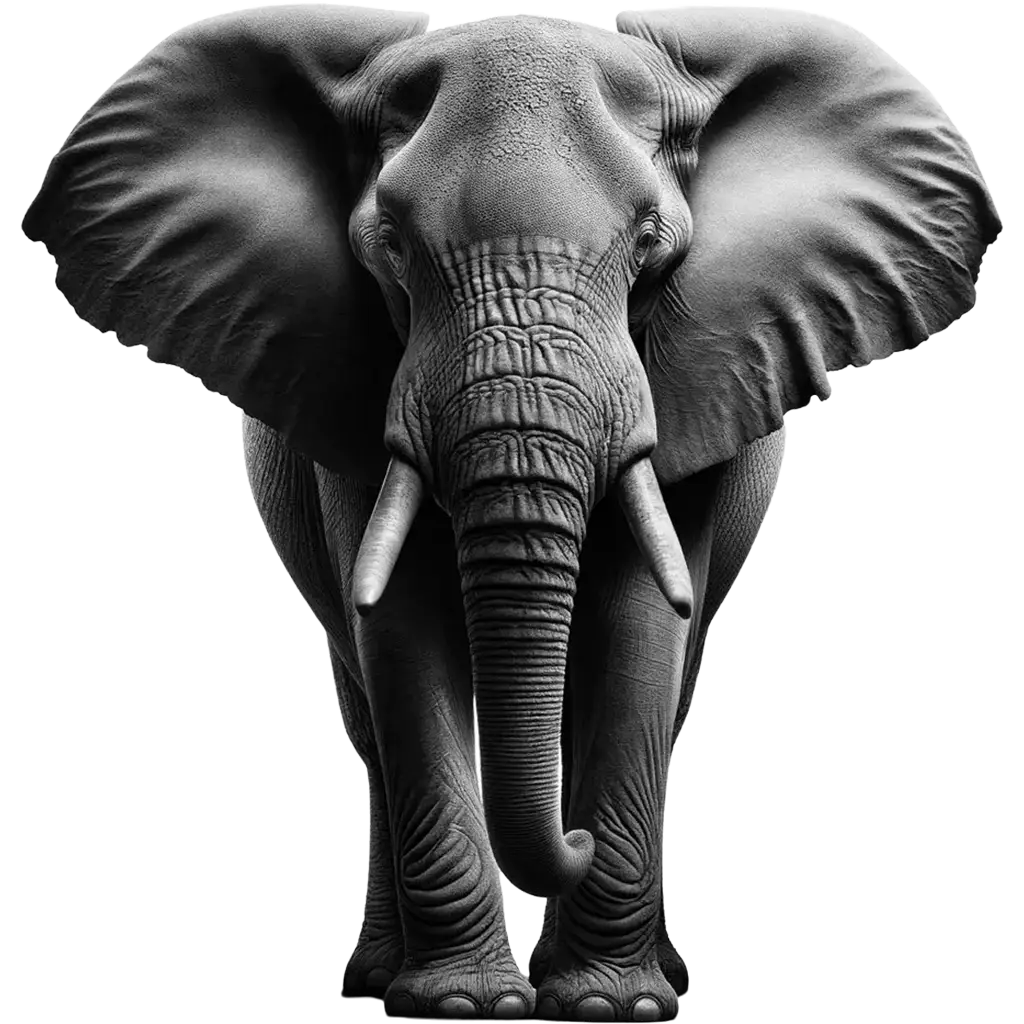
The African Forest Elephant, loxodonta cyclotis, is the smaller of the two African elephant species, distinguished by its more rounded ears and straighter tusks, which are thinner and downward pointing compared to those of its savannah cousin. Adults typically stand 2.5 meters tall at the shoulder, making them smaller than