
Sus Domesticus
Domestic Pig
Domesticated; natural habitats would include forests, grasslands, and wetlands
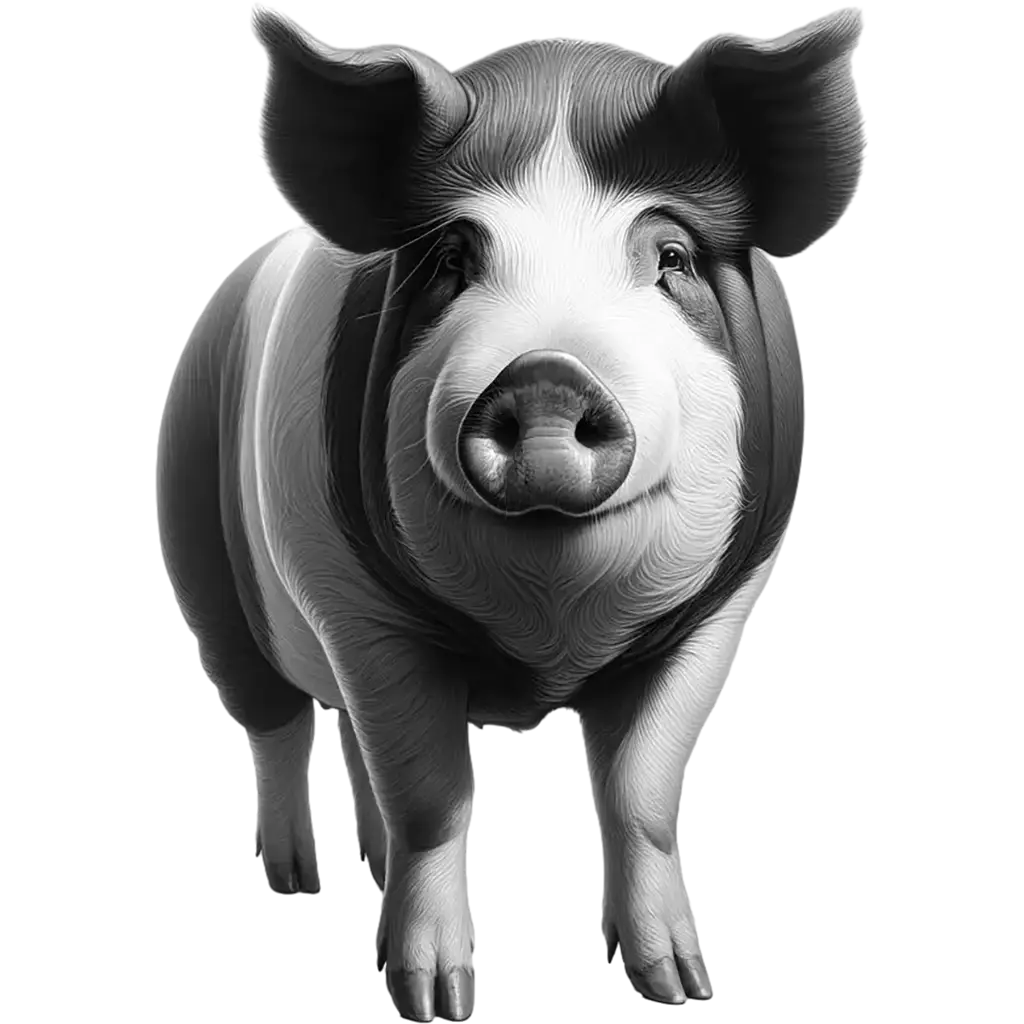
The Domestic Pig, sus domesticus, is a subspecies of the wild boar and a prominent figure in agricultural and culinary contexts worldwide. Adult pigs vary widely in size and weight, typically ranging from 50 to 350 kg, depending on the breed and conditions in which they are raised. Their bodies are compact and dense, covered in coarse hair that can vary in color from pink, black, brown, to spotted patterns. Pigs are known for their snout, which is used effectively for digging and foraging, and their relatively small, curled tails.
| Population: | Widely domesticated and bred in large numbers globally |
| Generation Length: | 1-2 years |
| Average Weight: | Varies widely, from 50 to 350 kg depending on the breed and use |
| Average Length: | Varies, typically 90-180 cm in length |
| Lifespan: | 15-20 years in domestic care, shorter in commercial production |
| Diet: | Omnivorous, including grains, vegetables, fruits, and protein sources in domestic settings |
| Conservation Status: | Not Evaluated (NE) |
Domestic Pigs are highly adaptable and intelligent animals, capable of learning complex tasks and demonstrating social behaviors. They have been domesticated for thousands of years, serving as a source of food, leather, and even as pets. Pigs are omnivorous, with a diet in agricultural settings typically consisting of grains, vegetables, and protein supplements, though they can also thrive on a diverse range of foodstuffs in less controlled environments.
The diet of the Domestic Pig is carefully managed in farming operations to ensure rapid growth and health, comprising mainly of commercially prepared feed that meets their nutritional needs. This feed includes a mix of grains, soy, corn, vitamins, and minerals, tailored to the different stages of a pig's life cycle, from gestation to finishing phases.
Reproduction is a key aspect of pig farming, with sows (female pigs) capable of producing large litters of piglets, usually ranging from 10 to 12 offspring per birthing event. Pigs have a relatively short gestation period of about 114 days, allowing for multiple breeding cycles within a year. This high fecundity rate is one of the reasons pigs are a valuable livestock commodity.
The population of Domestic Pigs is vast and continually expanding, thanks to their importance in global agriculture and food production. While not at risk as a species, individual welfare and environmental sustainability are significant concerns within the pig farming industry. Efforts to improve living conditions, reduce environmental impact, and ensure ethical treatment are ongoing challenges. The Domestic Pig's role in society underscores its economic and cultural significance, making it a central focus of livestock management and animal science studies.
Classifications
The Key Attributes
Features
- Movement:
Walking, trotting
- Territorial Behavior:
Social, living in groups in the wild; less territorial in domestic settings
- Speed:
Capable of quick bursts of speed over short distances
- Diet:
Omnivore
- Physical Features:
- Stout body with a broad snout
- Short legs with cloven hooves
- Variety of ear and tail types depending on the breed
- Coarse hair that varies in length and color
- Primary Senses:
- Smell
- Hearing
- Taste
Understanding Habitat and Range
Geography
- Habitat:
Domesticated; natural habitats would include forests, grasslands, and wetlands
- Migration Patterns:
Non-migratory; movements are human-controlled
- Geographical Range:
Domesticated worldwide, originating from wild boar ancestors
- Climate Preferences:
Adaptable to a wide range of climates
Navigating the Wilderness
In the wild
- Predators:
In wild settings, would include large carnivores; in domestic settings, protected by humans
- Prey:
Not applicable in domestic settings; would include roots, fruits, small animals, and carrion in the wild
- Feeding Behavior:
Eats a wide range of plant and animal materials
- Diet:
Omnivorous, including grains, vegetables, fruits, and protein sources in domestic settings
- Defensive Mechanisms:
- Thick skin and dense tissue
- Tusks in wild or feral breeds for defense
- Preferred Food Sources:
- Varied diet accommodated by farming practices; natural foraging if feral or wild
Insights Into Reproduction
Mating
- Mating System:
Controlled breeding in domestic settings
- Number of Offspring:
Litter size varies, commonly 6-12 piglets
- Gestation Period:
Approximately 114 days
- Parental Involvement:
- Sows nurse and care for their piglets until weaning; human-managed in domestic settings
Youngsters Section
Domestic Pig
Fun Fact
Domestic pigs are highly intelligent animals, often compared to dogs in their level of cognitive abilities.
They have excellent long-term memories and can learn tricks, navigate mazes, and even play video games. Pigs communicate with a range of grunts and squeals, each conveying different messages. They are also known to be very social animals, enjoying the company of both humans and other pigs.

Download word search puzzles
Word Search Puzzles

Check Out Other Mammals
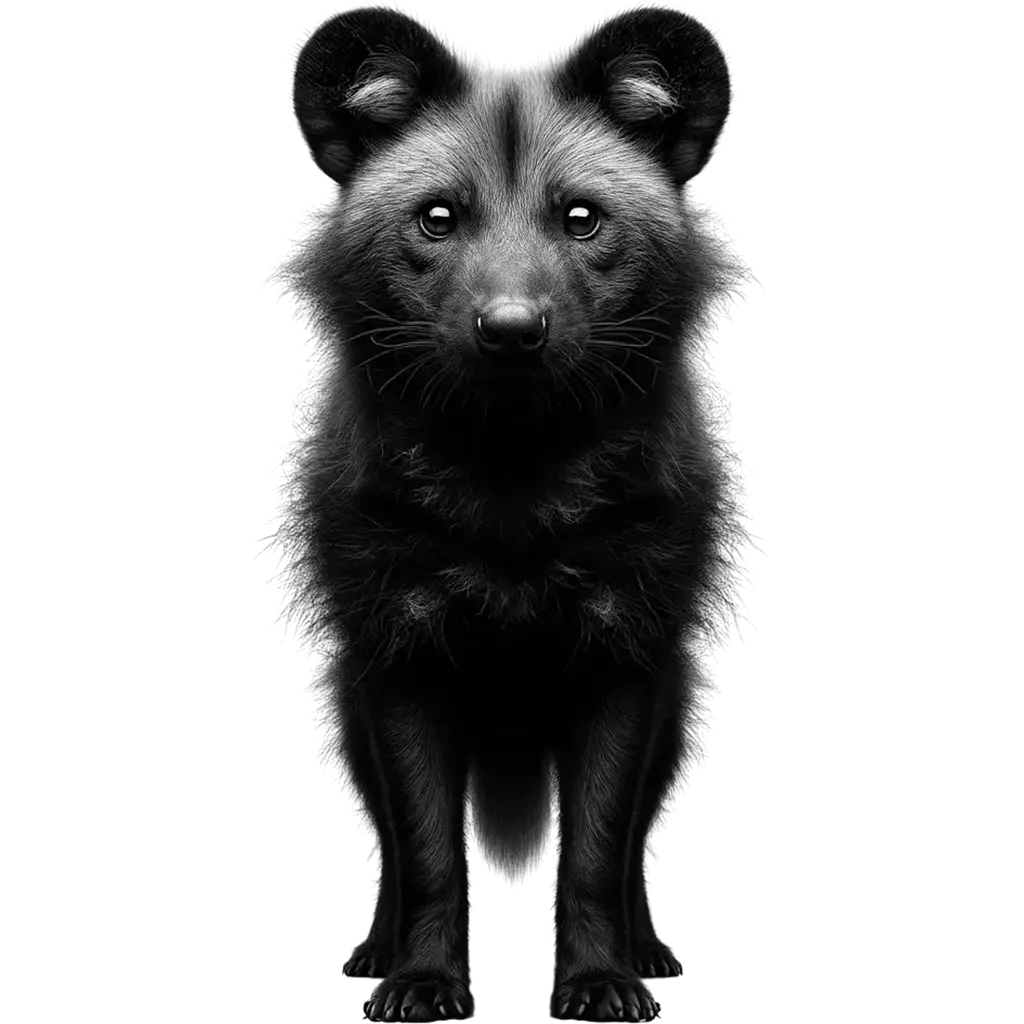
The Bush Dog, speothos venaticus, is a rare and elusive canid native to Central and South America's forests and wetlands. This small, otter-like dog stands around 30 cm tall at the shoulder and weighs between 5 to 7 kg. Its coat is dense and dark brown, effectively camouflaging it in

The Florida Panther is a majestic, large feline with a sleek, muscular body covered in a tawny coat that varies from reddish-brown to gray. Its long, powerful tail, piercing amber eyes, and streamlined head give it an appearance of both grace and strength, perfectly designed for stealth and agility. The
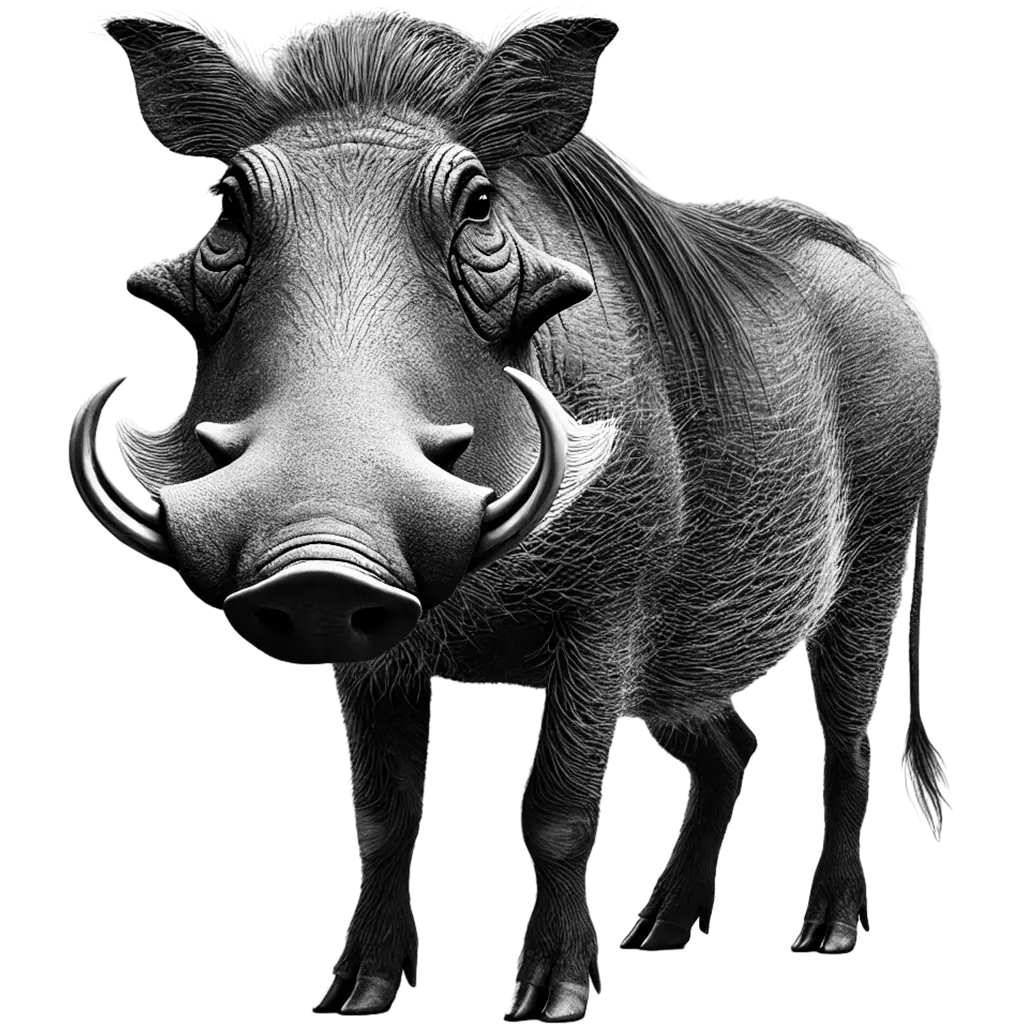
The Common Warthog exhibits a robust, pig-like face marked by prominent facial warts and a pair of upward-curving tusks. Its coarse, bristly hair displays a natural palette of grayish to light brown hues, while its muscular build, sturdy legs, and long, tapering snout give it a distinctive silhouette ideal for

The Irrawaddy Dolphin has a sturdy, compact body measuring between 2.3 and 2.75 meters in length and weighing 90 to 200 kilograms. Its smooth skin ranges from slate gray to bluish-gray, becoming lighter on the underside. The species features a high, rounded melon with no distinct beak, and a small,