

Puma Concolor Couguar
Florida Panther
Swamps, forests, and grasslands of southern Florida
The Florida Panther is a majestic, large feline with a sleek, muscular body covered in a tawny coat that varies from reddish-brown to gray. Its long, powerful tail, piercing amber eyes, and streamlined head give it an appearance of both grace and strength, perfectly designed for stealth and agility. The robust build and distinctive feline features, including sharp retractable claws, make this subspecies a striking symbol of the wild.
| Population: | Wild numbers estimated at fewer than 200 individuals |
| Generation Length: | Approximately 7-8 years |
| Average Weight: | Males: 60-80 kg; Females: 40-60 kg |
| Average Length: | Approximately 2.4-2.7 meters total length including tail |
| Lifespan: | Approximately 12-15 years in the wild; up to 15 years in captivity |
| Diet: | Carnivorous |
| Conservation Status: | Critically Endangered (CR) |
In the wild, Florida Panthers lead a solitary and elusive lifestyle, roaming expansive territories in the swamps, forests, and grasslands of southern Florida. They are most active during twilight and nighttime hours, relying on their keen senses to navigate dense vegetation and silently stalk prey. These panthers mark their territories with scent and vocalizations, ensuring minimal overlap with other individuals. Their daily activities are carefully timed to avoid human disturbances, a necessary adaptation in a fragmented habitat increasingly affected by urban expansion and environmental change. They often travel several miles each night in search of food and shelter.
The diet of the Florida Panther is exclusively carnivorous, with a preference for large prey such as white-tailed deer and wild hogs, supplemented by smaller mammals like raccoons. Utilizing an ambush strategy, they rely on stealth and rapid bursts of speed to capture unsuspecting prey. The high-protein intake from this varied diet supports their significant muscle mass and energetic demands, while also contributing to the balance of the local ecosystem by regulating prey populations. Their efficient hunting and dietary habits are crucial for sustaining their robust, powerful physiques.
During the mating season, Florida Panthers engage in brief, solitary encounters marked by subtle courtship behaviors such as scent marking and quiet vocalizations. Males and females come together solely for reproduction, after which the female undergoes a gestation period of approximately 90-95 days. Following birth, the female raises the cubs independently, ensuring they learn essential survival skills from an early age.
The wild population of Florida Panthers is critically low, with fewer than 200 individuals remaining in fragmented habitats. Ongoing threats from habitat loss, vehicle collisions, and genetic inbreeding continue to challenge their survival. Intensive conservation efforts, including habitat restoration and strict protective measures, are essential to safeguard the future of this iconic subspecies.
Classifications
The Key Attributes
Features
- Movement:
Agile and stealthy; the panther moves silently through dense habitats with impressive bursts of speed when stalking prey.
- Territorial Behavior:
Highly territorial and solitary; individuals mark large home ranges using scent markings.
- Speed:
Capable of rapid, explosive sprints during hunts.
- Diet:
Carnivorous; preys primarily on white-tailed deer, wild hogs, and smaller mammals.
- Physical Features:
- Sleek, muscular body with a tawny coat that shifts from reddish-brown to gray
- Long, powerful tail for balance
- Piercing amber eyes and a streamlined head with distinct feline features
- Sharp retractable claws and a robust jaw for capturing prey
- Primary Senses:
- Sight
- Hearing
- Smell
Understanding Habitat and Range
Geography
- Habitat:
Swamps, forests, and grasslands of southern Florida
- Migration Patterns:
Non-migratory; individuals maintain fixed, expansive territories.
- Geographical Range:
Endemic to southern Florida, USA, where its range has become increasingly fragmented.
- Climate Preferences:
Tropical and subtropical climates with warm temperatures and high humidity.
Navigating the Wilderness
In the wild
- Predators:
As an apex predator, adult panthers face few natural threats aside from human activities.
- Prey:
White-tailed deer, wild hogs, raccoons, and other small to medium-sized mammals.
- Feeding Behavior:
Employs ambush tactics, stealthily stalking prey before a sudden, powerful pounce; uses its acute senses to detect movement.
- Diet:
Carnivorous
- Defensive Mechanisms:
- Excellent camouflage in thick vegetation
- Powerful build and quick reflexes to evade threats
- Preferred Food Sources:
- Deer, wild hogs, and smaller mammals
Insights Into Reproduction
Mating
- Mating System:
Solitary outside the breeding season; individuals meet briefly for courtship.
- Number of Offspring:
Typically 1-4 cubs per litter.
- Incubation Period:
Gestation lasts about 90-95 days.
- Parental Involvement:
- Females raise the cubs alone; males do not participate in rearing.
Youngsters Section
Florida Panther
Fun Fact
The Florida panther is a sleek, powerful cat with a tawny coat and a long, graceful tail. It's a symbol of strength and beauty in the wild!
These panthers are skilled hunters, moving silently through the underbrush. They are mostly solitary animals and prefer to stay hidden in dense forests. With their sharp claws and keen senses, Florida panthers are excellent at tracking prey and navigating their environment.

Download word search puzzles
Word Search Puzzles


Check Out Other Mammals

The Fennec Fox, vulpes zerda, is the smallest species of canid, renowned for its distinctive large ears and diminutive size. Adults typically weigh between 0.9 to 1.5 kg and measure about 24 to 41 cm in length, with an additional 20 cm for the tail. Their most striking feature, the

The Bengal Tiger, panthera tigris, stands as a majestic symbol of the wilderness, embodying strength, agility, and grace. This subspecies is distinguished by its vibrant orange coat adorned with dark stripes, a characteristic that provides camouflage in the dense forests and grasslands of its habitat. Adult Bengal Tigers are formidable

The Fossa, cryptoprocta ferox, is a unique and elusive carnivore native to Madagascar, often described as a 'cat-like' predator despite its closer genetic ties to mongooses and civets. This apex predator of the Malagasy forests stands as the largest mammalian carnivore on the island, with adults measuring up to 80
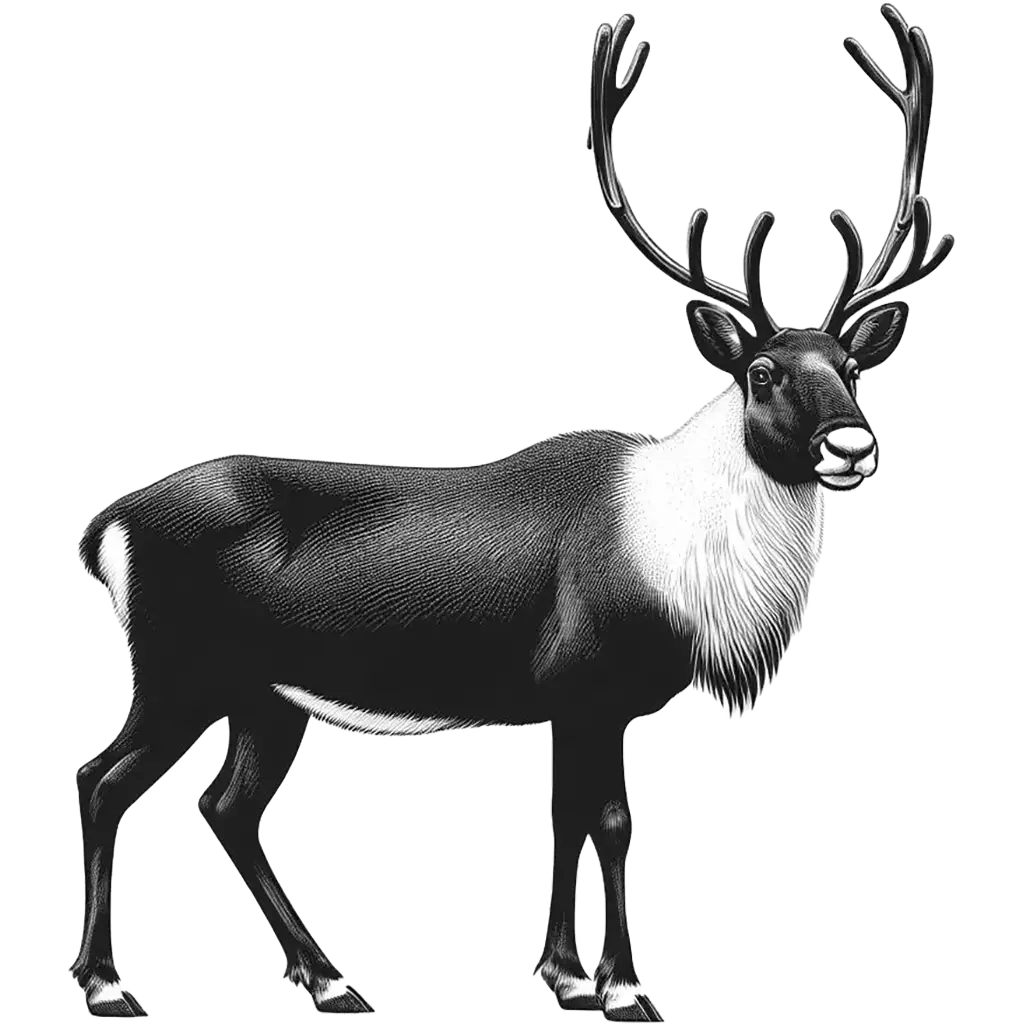
The Reindeer, rangifer tarandus, also known as the caribou in North America, is a species of deer native to Arctic, sub-Arctic, tundra, boreal, and mountainous regions of northern Europe, Siberia, and North America. This species is unique among deer for its adaptations to cold environments, including a thick coat of