

Canis Lupus
Chihuahua
Primarily domestic; adapted to living in home environments
The Chihuahua is a small dog breed with a big personality, known for its compact size and confident demeanor. Originating from Mexico, this breed is named after the Mexican state of Chihuahua. Adult Chihuahuas typically weigh between 2 to 6 pounds and stand about 6 to 9 inches tall at the shoulder, making them one of the smallest dog breeds in the world. Despite their diminutive stature, Chihuahuas possess a robust and alert appearance, with a rounded skull known as an 'apple head' or a deer-shaped head for those with a slightly longer nose. Their coats can be either short and smooth or long and soft, coming in a variety of colors and patterns.
| Population: | Very popular and widely bred as a companion animal |
| Generation Length: | 3-4 years |
| Average Weight: | 1.5-3 kg |
| Average Length: | 15-25 cm in height at the shoulder |
| Lifespan: | 12-20 years |
| Diet: | Domesticated, depends on commercial or home-prepared diets suitable for small dog breeds |
| Conservation Status: | Not Evaluated (NE) |
Chihuahuas are known for their loyalty and attachment to their owners, often becoming particularly bonded to one person. They can be reserved with strangers, which makes them excellent, albeit tiny, watchdogs. Their size makes them suitable for apartment living, though they also enjoy exploring outdoors and engaging in play. Regular exercise and mental stimulation are important to keep them happy and healthy.
The diet of a Chihuahua should be carefully considered due to their small size; they require high-quality dog food that meets their nutritional needs, which can vary based on their age, activity level, and health status. Overfeeding can lead to obesity, a common health issue in small breeds.
Reproduction in Chihuahuas, as with all dogs, should be undertaken responsibly. Females can have difficulty in whelping due to the large size of the puppies' heads in relation to their narrow pelvis, and cesarean sections are not uncommon. Ethical breeders will screen for genetic diseases, such as heart problems and patellar luxation, to ensure the health of the puppies.
The population of Chihuahuas is quite large, as they are a popular breed both in their native Mexico and internationally. While they are numerous, potential owners should consider adopting from shelters or rescue groups, where many Chihuahuas await homes. Their long lifespan, often exceeding 15 years, makes them a long-term commitment but a rewarding companion.
Classifications
The Key Attributes
Features
- Movement:
Walking, running
- Territorial Behavior:
Can be territorial, often forming strong bonds with their owners
- Speed:
Quick and agile over short distances
- Diet:
Carnivore
- Physical Features:
- Small size with an apple-shaped head or a deer-shaped head
- Large, upright ears and expressive eyes
- Short coat or long coat varieties
- Compact body with a fast, energetic gait
- Primary Senses:
- Sight
- Hearing
- Smell
Understanding Habitat and Range
Geography
- Habitat:
Primarily domestic; adapted to living in home environments
- Migration Patterns:
Non-migratory, stays close to its human family
- Geographical Range:
Originally from Mexico, now found worldwide due to their popularity
- Climate Preferences:
Prefers indoor environments; sensitive to extreme cold due to small size
Navigating the Wilderness
In the wild
- Predators:
Larger animals and birds of prey, though primarily shielded by human companionship
- Prey:
Not applicable
- Feeding Behavior:
Fed by owners, typically with commercial dog food
- Diet:
Domesticated, depends on commercial or home-prepared diets suitable for small dog breeds
- Defensive Mechanisms:
- Barking to alert owners to potential threats
- Quick movements to escape danger
- Preferred Food Sources:
- Dog food formulated for small breeds with high energy requirements
Insights Into Reproduction
Mating
- Mating System:
Controlled breeding in domestic settings
- Number of Offspring:
1-3 puppies
- Gestation Period:
About 58-68 days
- Parental Involvement:
- Owners usually care for both the mother and puppies post-birth
Youngsters Section
Chihuahua
Fun Fact
Chihuahuas are the world's smallest dog breed, often weighing less than 6 pounds.
Despite their small size, they have a big personality and are known for their loyalty and bravery. Originating from Mexico, Chihuahuas are often seen as symbols of Mexican culture. Their petite stature makes them ideal for city living.

Download word search puzzles
Word Search Puzzles


Check Out Other Mammals

The Cheetah, acinonyx jubatus, stands as a symbol of speed and agility in the animal kingdom, holding the title of the fastest land animal, capable of reaching speeds up to 75 mph (120 km/h) in short bursts covering distances up to 1,500 feet (460 meters). This slender, long-legged feline is

The Baird's Tapir, tapirus bairdii, is the largest indigenous mammal in Central America and the third-largest land mammal in South America. Characterized by its distinctive prehensile snout, similar to a shortened elephant's trunk, this tapir stands about 1 to 1.2 meters tall at the shoulder and can weigh between 150
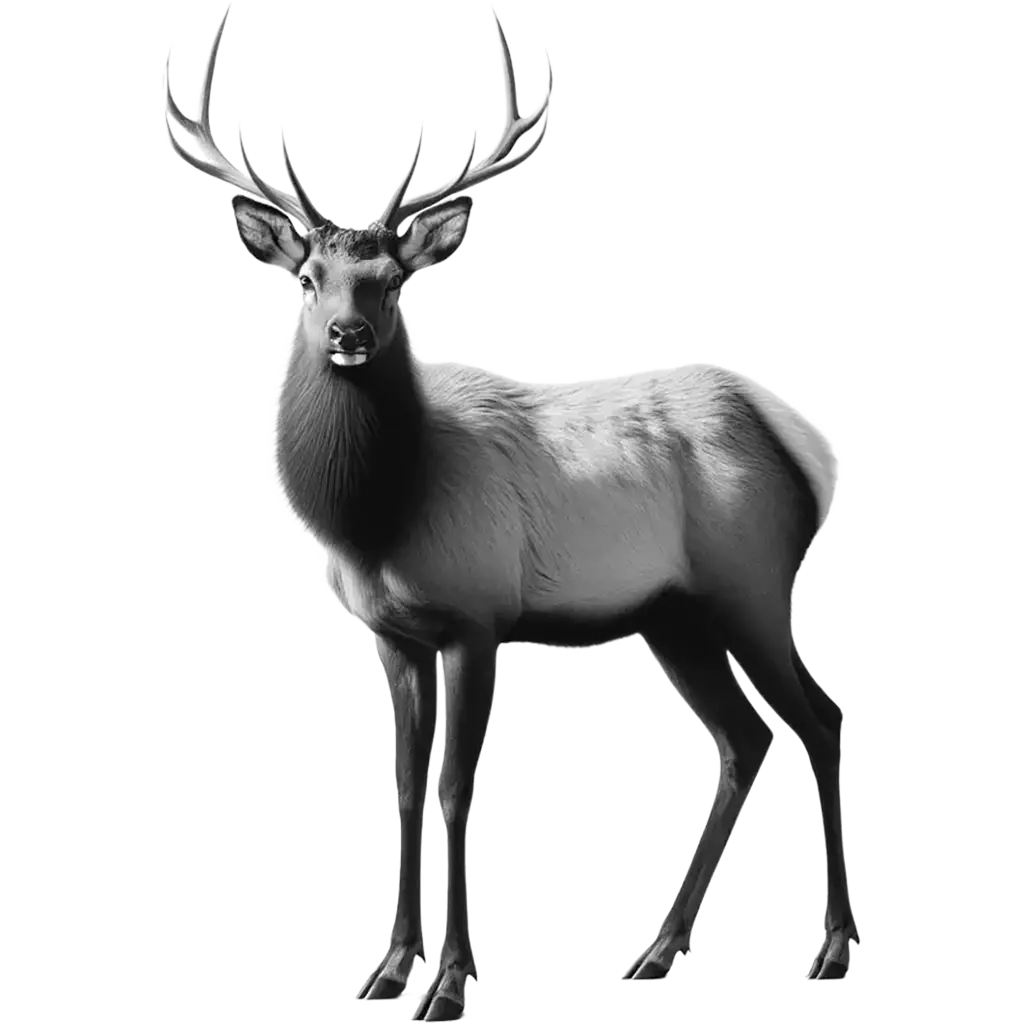
The Tule Elk, cervus canadensis nannodes, is a distinctive subspecies of elk found exclusively in California, primarily in the grasslands and marshlands of the state's central and coastal regions. Notably smaller than other elk subspecies, adult Tule Elk bulls weigh between 200 to 320 kg, while cows are lighter, weighing

The Syrian Brown Bear, ursus arctos syriacus, is a subspecies of the brown bear that once roamed the Middle East, from Turkey to Iran, including parts of Syria, Iraq, and the Caucasus region. Characterized by its relatively small size compared to other brown bear subspecies, adults can weigh between 90