
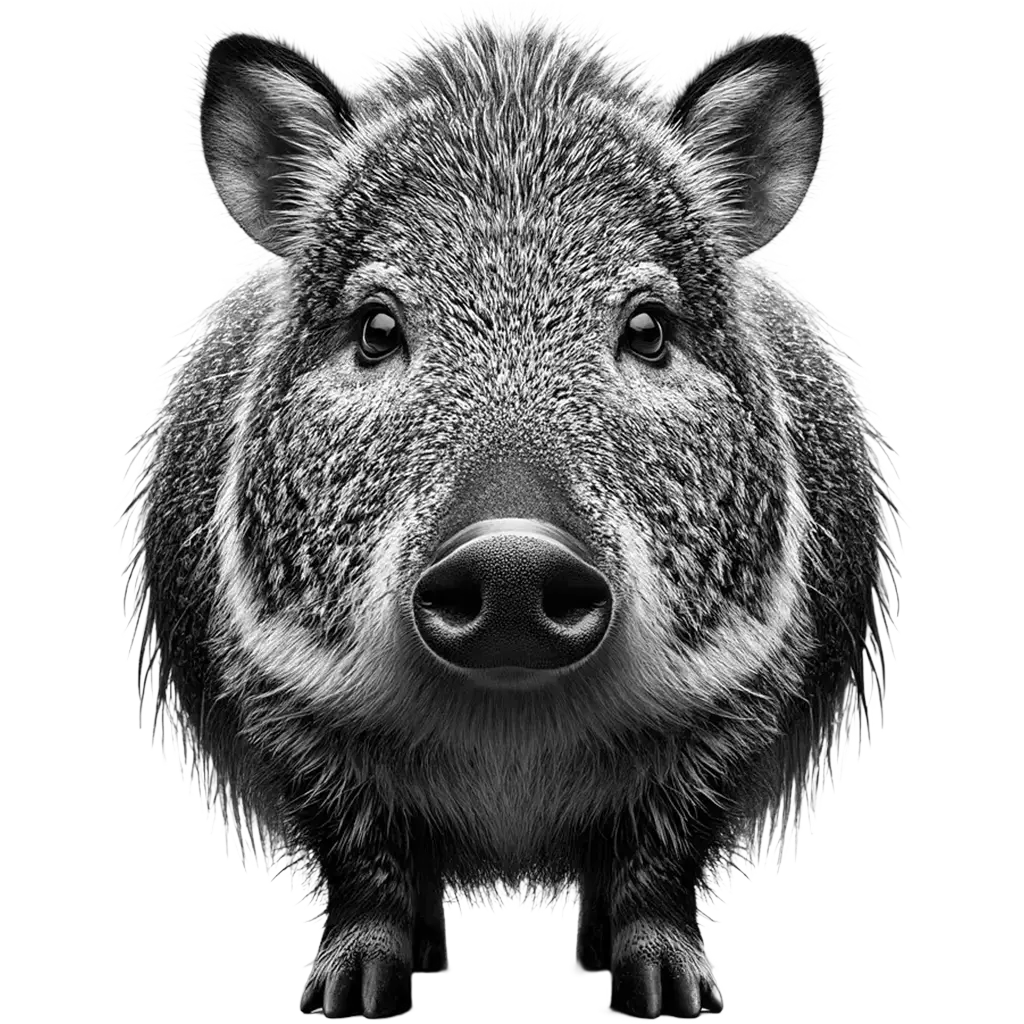
Dicotyles Tajacu
Collared Peccary
Deserts, scrublands, and forests
The Collared Peccary, dicotyles tajacu, commonly referred to as the javelina, is a medium-sized, hoofed mammal of the New World pig family, found throughout Central and South America and the southwestern United States. Distinguished by its dark gray body, coarse hair, and a white to yellowish collar of fur around its neck, the Collared Peccary measures approximately 1 to 1.5 meters in length and weighs between 16 to 27 kg. Its compact body is supported by short, sturdy legs, and it features a short tail. The species is well-adapted to a variety of habitats, including arid deserts, scrublands, and tropical rainforests, where it is often found near water sources.
| Population: | Listed as Least Concern, with stable populations |
| Generation Length: | 4-5 years |
| Average Weight: | 16-25 kg |
| Average Length: | 90-130 cm, including the tail |
| Lifespan: | 8-15 years in the wild |
| Diet: | Primarily herbivorous but opportunistically omnivorous |
| Conservation Status: | Least Concern (LC) |
Collared Peccaries are highly social animals, living in groups called 'squadrons,' consisting of up to 50 individuals, though smaller groups are more common. These groups maintain complex social structures and communicate through a variety of sounds, body language, and scent markings produced by a gland located on their back. They are primarily diurnal, though their activity patterns can vary with temperature and human presence.
The diet of the Collared Peccary is omnivorous, feeding on a wide range of foods, including fruits, nuts, seeds, roots, tubers, and green vegetation, as well as insects and small vertebrates. This varied diet allows them to play an important role in their ecosystems as seed dispersers and as a source of prey for larger predators.
Reproduction in the Collared Peccary can occur year-round, with females giving birth to litters of one to three offspring after a gestation period of approximately 145 to 150 days. The young are born well-developed and are able to follow the group within a few days of birth, receiving care and protection from the entire squadron.
The population of the Collared Peccary is considered stable across much of its range, but it faces threats from habitat loss due to agricultural expansion, hunting for meat and hide, and competition with domestic livestock. Conservation efforts focus on habitat protection and management, hunting regulation, and research to better understand their ecological role and requirements for survival.
Classifications
The Key Attributes
Features
- Movement:
Walking, running
- Territorial Behavior:
Social, living in groups called herds or bands
- Speed:
Can run quickly, especially when threatened
- Diet:
Omnivore
- Physical Features:
- Compact, robust body with short legs
- Distinctive collar-like white or yellowish band around the neck
- Sharp tusks used for defense and foraging
- Coarse hair covering the body
- Primary Senses:
- Smell
- Hearing
- Sight
Understanding Habitat and Range
Geography
- Habitat:
Deserts, scrublands, and forests
- Migration Patterns:
Non-migratory, but may move within their range for food and water
- Geographical Range:
Southwestern United States to northern Argentina in South America
- Climate Preferences:
Adaptable to a range of climates, from arid to tropical
Navigating the Wilderness
In the wild
- Predators:
Large predators like jaguars, pumas, and alligators, and humans
- Prey:
Cacti, fruits, roots, tubers, and occasionally small animals and insects
- Feeding Behavior:
Feeds on a variety of plant material, fruits, nuts, and occasionally small animals and insects
- Diet:
Primarily herbivorous but opportunistically omnivorous
- Defensive Mechanisms:
- Sharp tusks for defense
- Aggressive behavior when threatened
- Staying in close-knit groups for protection
- Preferred Food Sources:
- Areas with abundant plant foods, particularly where cacti, fruits, and roots are available
Insights Into Reproduction
Mating
- Mating System:
Polygynous
- Number of Offspring:
1-4 offspring, typically 2
- Gestation Period:
About 145-160 days
- Parental Involvement:
- Both parents, along with other herd members, may help in protecting and nurturing the young
Youngsters Section
Collared Peccary
Fun Fact
Collared peccaries have a scent gland on their backs that produces a strong, musky odor.
This odor is used for marking territory and identifying members of their group. Living in the Americas, they can be found in deserts, rainforests, and shrublands. They are social creatures, often forming groups of up to 50 individuals.

Download word search puzzles
Word Search Puzzles

Check Out Other Mammals
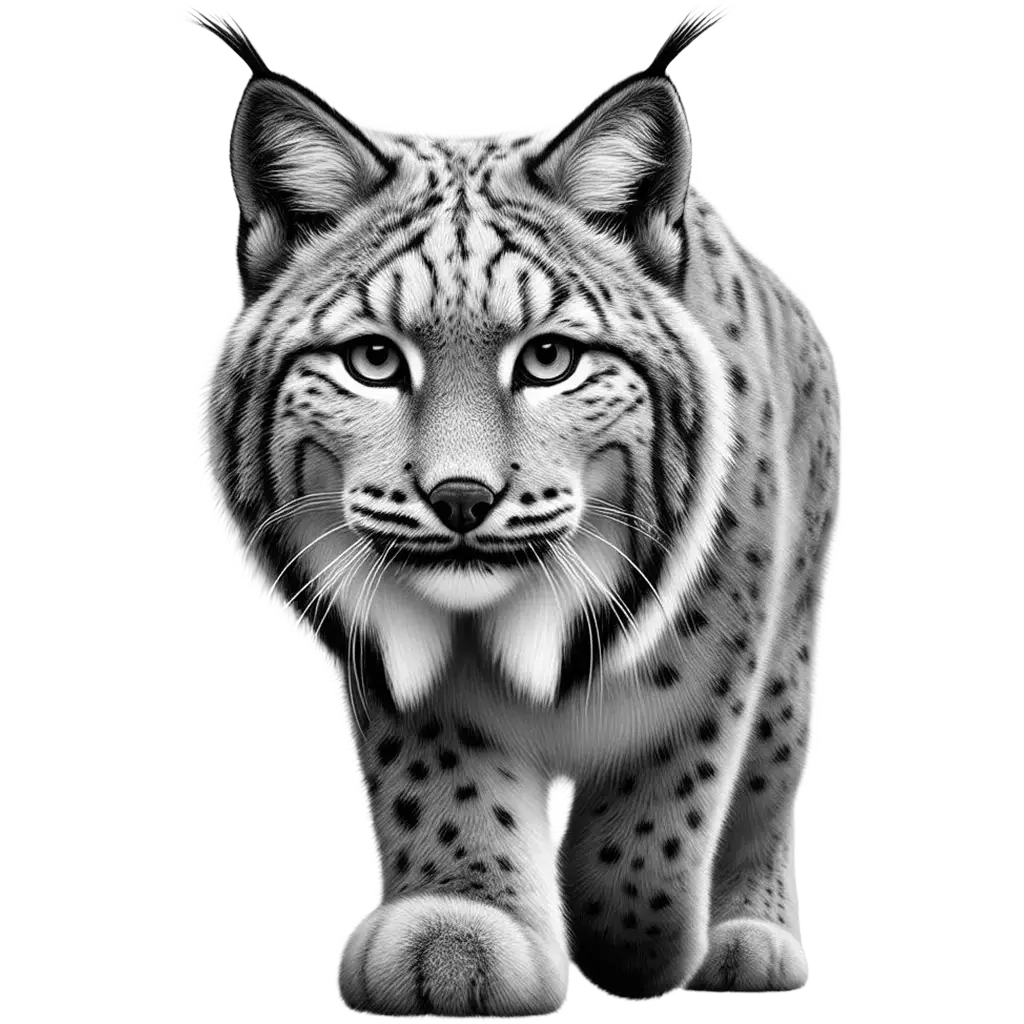
The Canada lynx, lynx canadensis, is a medium-sized wildcat native to North America, primarily found in the boreal forests of Canada and Alaska, with smaller populations extending into the northern United States. Characterized by its thick fur, prominent ear tufts, and large, padded paws that act as natural snowshoes, the
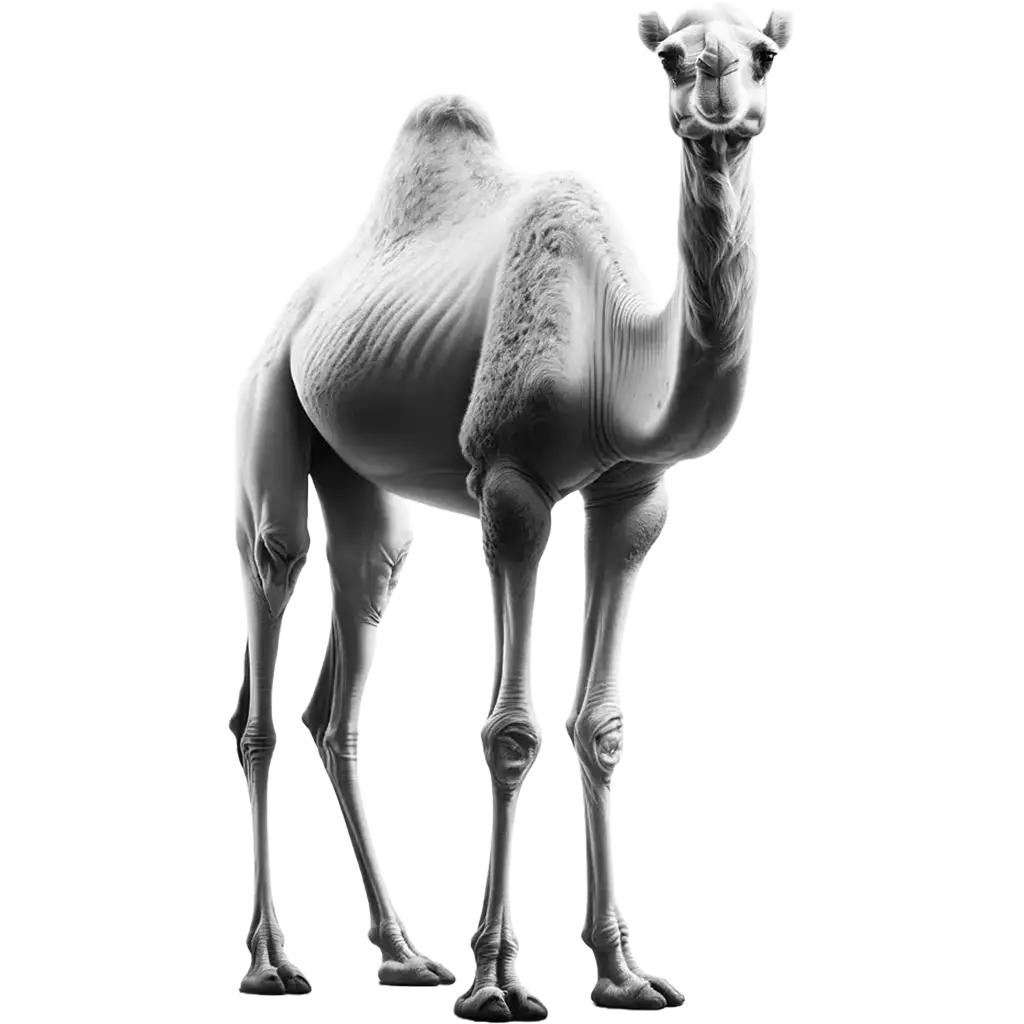
The Dromedary, camelus dromedarius, is an iconic animal of the desert, easily recognized by its single large hump on its back. This hump is a reservoir of fatty tissue, which the camel can convert into water and energy, enabling it to endure long periods without food or water. Adult dromedaries
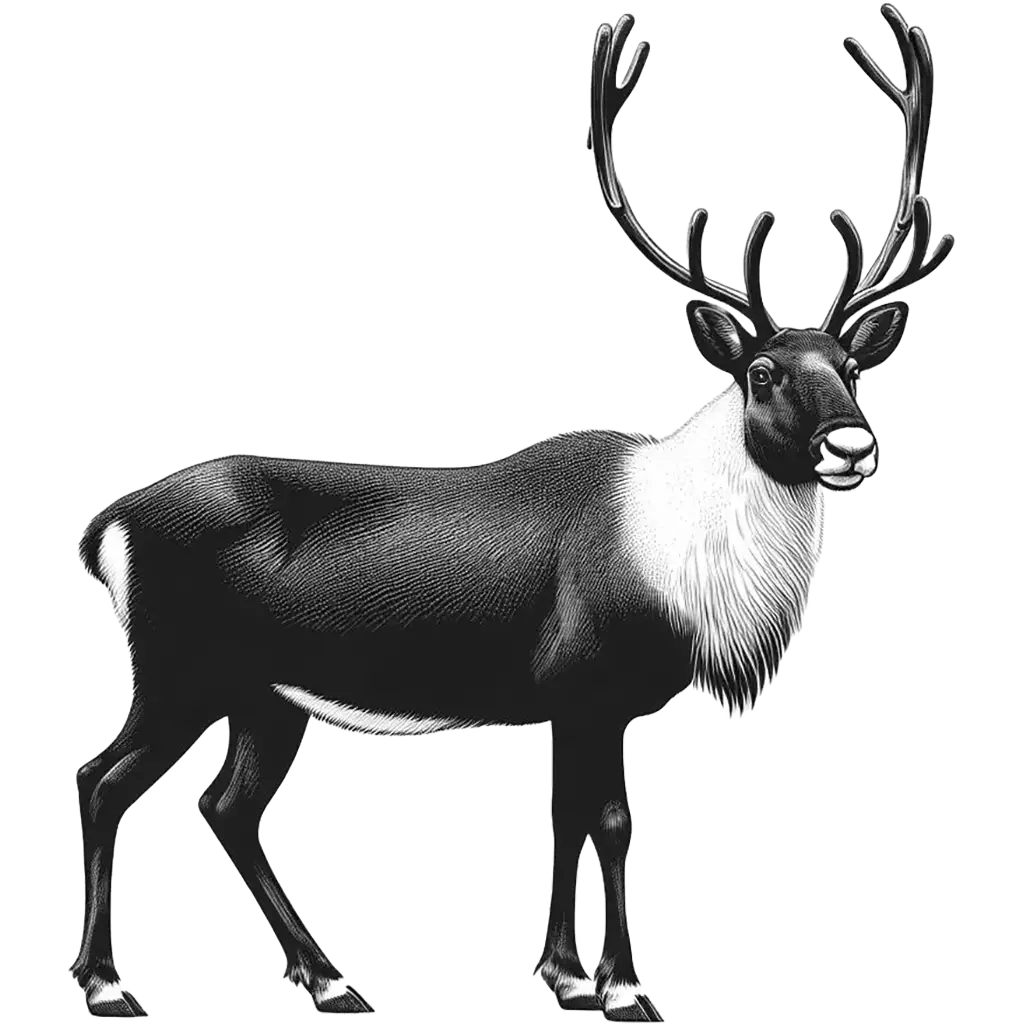
The Reindeer, rangifer tarandus, also known as the caribou in North America, is a species of deer native to Arctic, sub-Arctic, tundra, boreal, and mountainous regions of northern Europe, Siberia, and North America. This species is unique among deer for its adaptations to cold environments, including a thick coat of
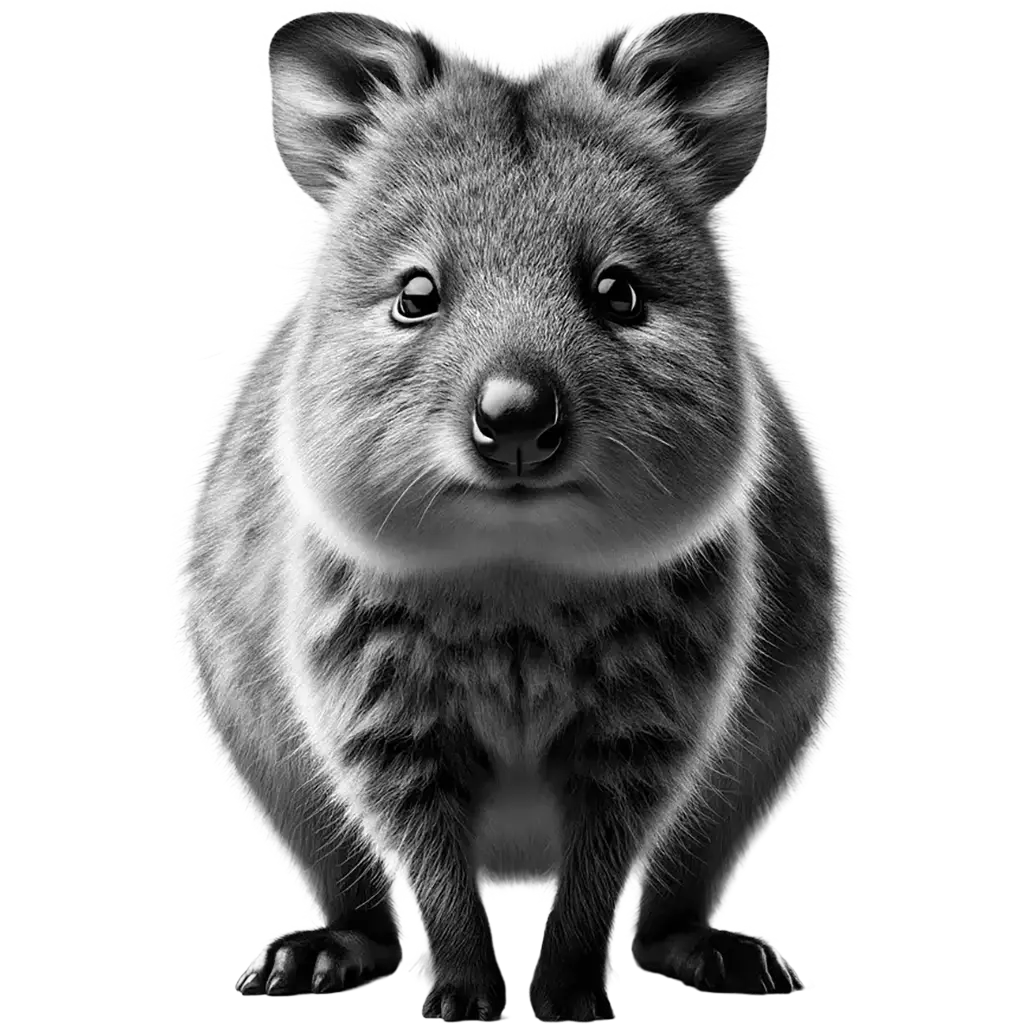
The Quokka, setonix brachyurus, is a small marsupial native to small islands off the coast of Western Australia, most notably Rottnest Island, as well as some areas in the mainland's southwestern part. Recognizable by its compact, rounded body, the Quokka is roughly the size of a domestic cat, with adults