
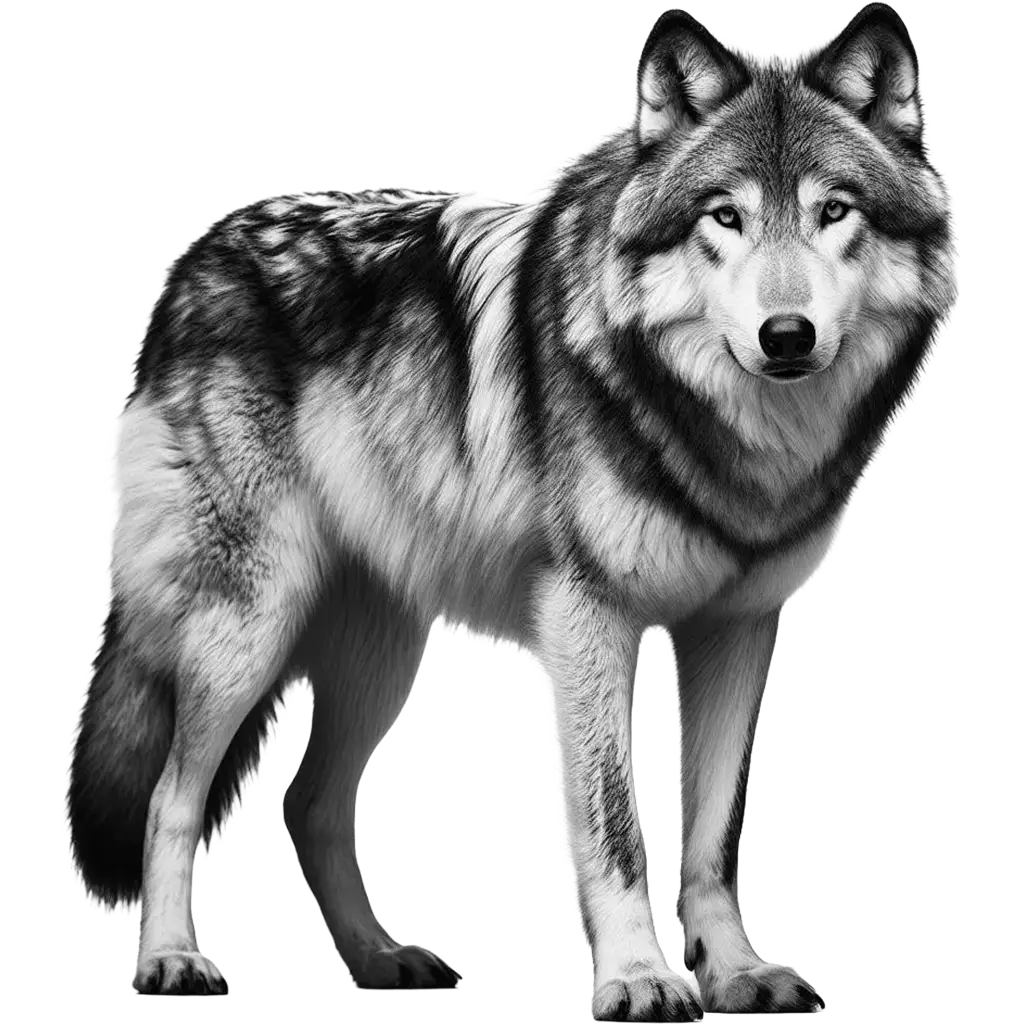
Canis Lupus
Gray Wolf
Diverse, including forests, tundras, grasslands, deserts, and mountainous regions
The Gray Wolf, canis lupus, is a highly adaptable and widely distributed canine, recognized for its role as a top predator within its ecosystem. Adult gray wolves vary significantly in size based on their geographical location, with weights ranging from 30 to 80 kilograms (66 to 176 pounds) and lengths up to 2 meters (6.6 feet) from nose to tail tip. Their fur color can range from pure white in Arctic populations to blacks and grays, with the most common being a mix of gray and brown, providing camouflage in their natural habitats.
| Population: | Estimated in the tens of thousands worldwide, varying by region; Least Concern globally, with some endangered subpopulations |
| Generation Length: | 4-5 years |
| Average Weight: | 30-80 kg, depending on the subspecies and region |
| Average Length: | 105-160 cm (body length), with a tail of 30-50 cm |
| Lifespan: | 6-8 years in the wild, up to 13 years in captivity |
| Diet: | Primarily large ungulates, supplemented by smaller animals |
| Conservation Status: | Least Concern (LC) |
Gray wolves have historically roamed across the Northern Hemisphere, from the wilds of North America and Europe to the vast terrains of Asia. They prefer habitats such as forests, tundras, grasslands, and deserts, where they can hunt and roam freely. Wolves are known for their complex social structures, forming packs that consist of a mated pair, their offspring, and sometimes unrelated individuals, cooperating in hunting, territory defense, and raising young.
The diet of the Gray Wolf primarily consists of ungulates (hoofed animals) like deer, elk, and moose, but they can adapt their diet based on availability, including smaller mammals, livestock, carrion, and garbage. This adaptability has allowed them to survive in diverse environments.
Reproduction in wolves is highly social, with only the dominant alpha male and female in a pack typically breeding once a year. After a gestation period of about 63 days, the female gives birth to a litter of 4 to 6 pups, who are blind and deaf at birth. The pack raises the pups collectively, teaching them hunting skills and social behaviors essential for survival.
The Gray Wolf is listed as Least Concern by the IUCN, though its status varies by region, with some populations endangered due to habitat destruction, persecution, and depletion of prey species. Conservation efforts, including legal protection, habitat restoration, and the reintroduction of wolves to their historical ranges, aim to stabilize and increase wolf populations, highlighting the importance of this keystone species in maintaining the health and diversity of ecosystems.
Classifications
The Key Attributes
Features
- Movement:
Quadrupedal, capable of covering long distances
- Territorial Behavior:
Highly social, living in packs with complex social structures
- Speed:
Can maintain speeds of 50-60 km/h in short bursts
- Diet:
Carnivore
- Physical Features:
- Thick fur coat that varies in color from pure white to black, but most commonly grey
- Powerful jaws and teeth
- Large paws with non-retractable claws
- Primary Senses:
- Sight
- Hearing
- Smell
Understanding Habitat and Range
Geography
- Habitat:
Diverse, including forests, tundras, grasslands, deserts, and mountainous regions
- Migration Patterns:
Non-migratory, but with territory expansion and contraction depending on environmental conditions and prey availability
- Geographical Range:
Northern hemisphere, including North America, Europe, Asia, and the Middle East
- Climate Preferences:
Adaptable to a wide range of climates
Navigating the Wilderness
In the wild
- Predators:
Humans are the primary threat; young wolves may fall prey to bears, tigers, and other large carnivores in certain regions
- Prey:
Large ungulates such as deer, elk, moose, and bison; also small mammals and livestock
- Feeding Behavior:
Hunts in packs, primarily preying on large ungulates, but can adapt to include smaller animals and livestock
- Diet:
Primarily large ungulates, supplemented by smaller animals
- Defensive Mechanisms:
- Pack cooperation in defense
- Agility and strength
- Camouflage in their environment
- Preferred Food Sources:
- Deer
- Elk
- Moose
- Bison
Insights Into Reproduction
Mating
- Mating System:
Monogamous within packs, with typically only the alpha pair breeding
- Number of Offspring:
4-6 pups
- Gestation Period:
About 63 days
- Parental Involvement:
- Intensive care by the entire pack, with all members involved in feeding and protecting the pups
Youngsters Section
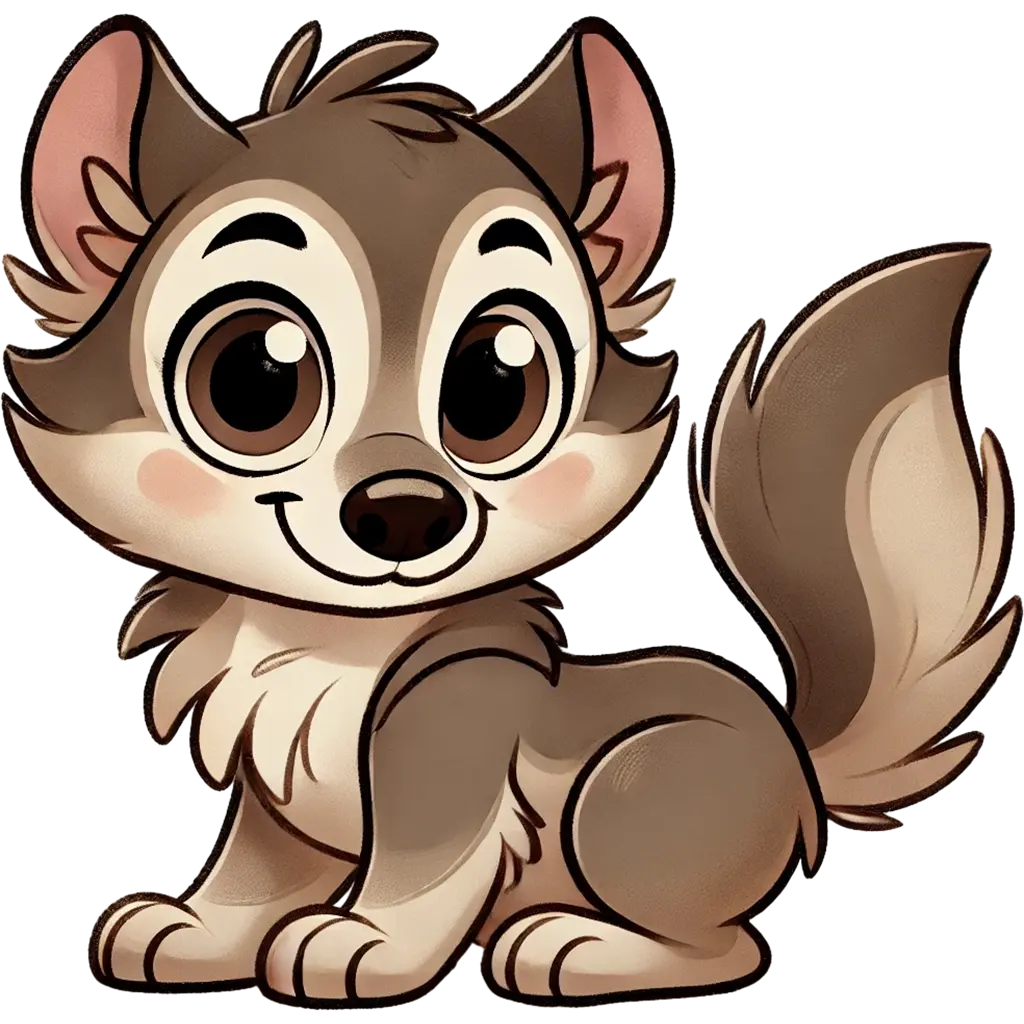
Gray Wolf
Fun Fact
Gray wolves have a complex social structure, living in packs that usually consist of family members.
These packs are led by an alpha pair, typically the dominant male and female. Wolves communicate through vocalizations, body language, and scent marking. This social structure helps them hunt more efficiently, raise pups, and defend their territory.

Download word search puzzles
Word Search Puzzles

Check Out Other Mammals
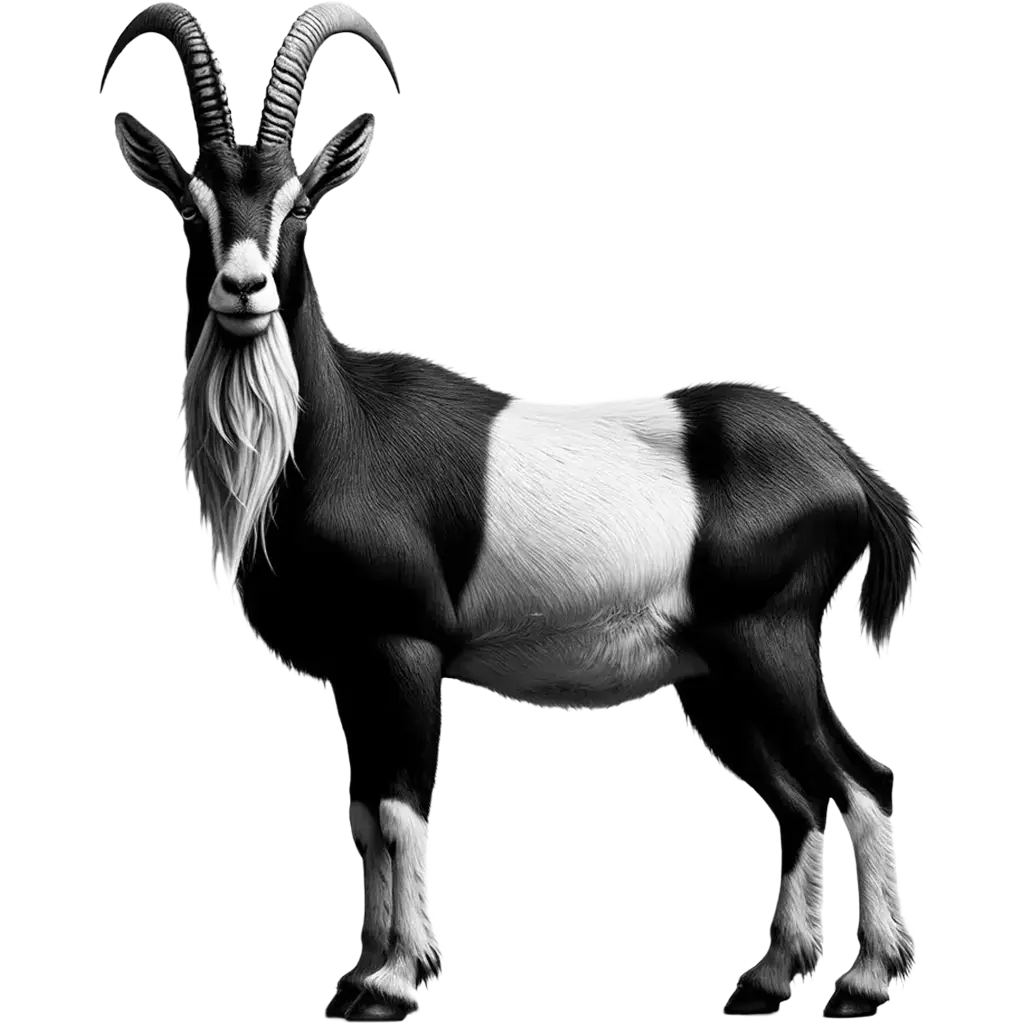
The Wild Goat, capra aegagrus, is the ancestral species from which domestic goats (Capra aegagrus hircus) are derived. It exhibits a robust and agile physique, with adults typically measuring 120 to 150 cm in length and standing 70 to 90 cm tall at the shoulder. Males are larger and more
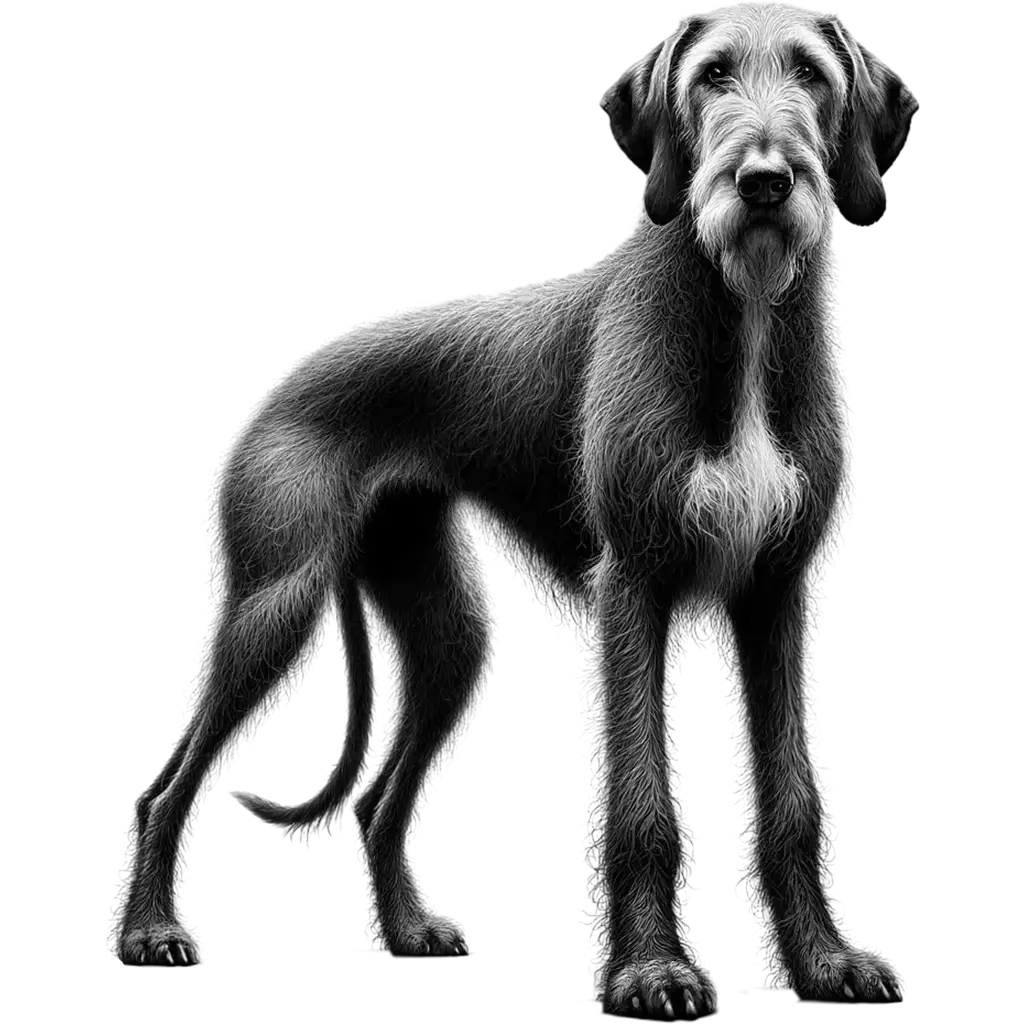
The Scottish Deerhound, a breed of majestic stature and gentle temperament, is revered for its grace and dignity. Standing up to 32 inches at the shoulder and weighing as much as 110 pounds, this breed possesses a rough coat that can range from gray to brindle, sandy, and blue-gray, providing
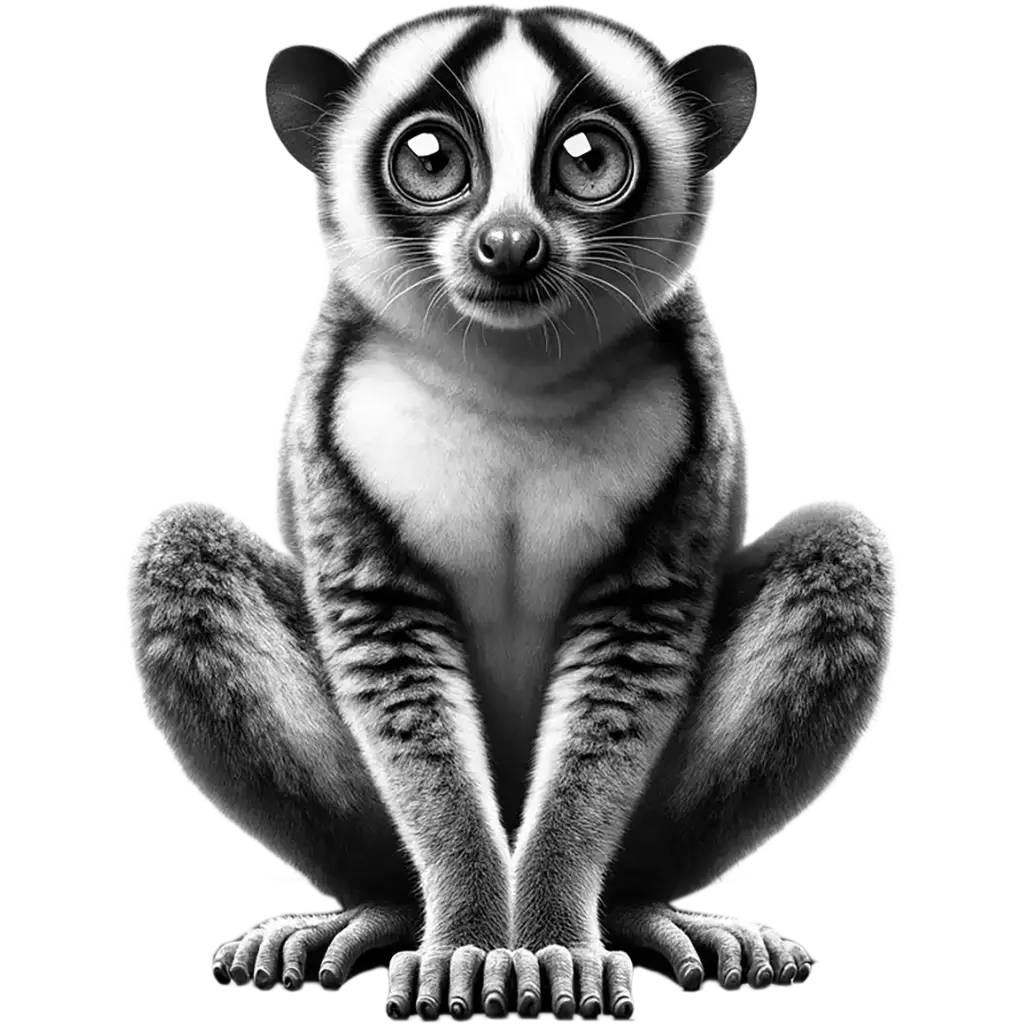
The Gray Slender Loris, loris lydekkerianus, is a small, nocturnal primate native to the forests and thickets of Sri Lanka and parts of India. This elusive creature is characterized by its slender body, large forward-facing eyes, and short, rounded ears, which are essential for its nocturnal lifestyle. It possesses a
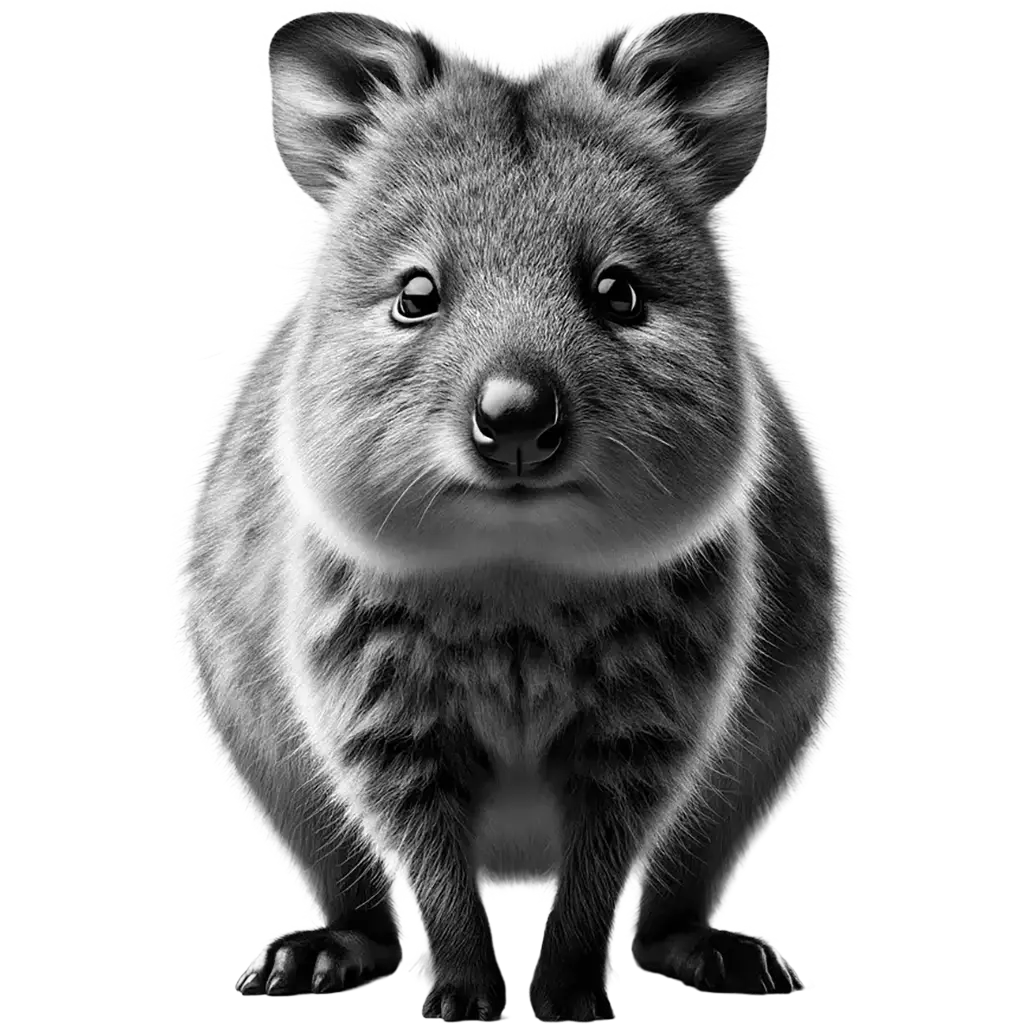
The Quokka, setonix brachyurus, is a small marsupial native to small islands off the coast of Western Australia, most notably Rottnest Island, as well as some areas in the mainland's southwestern part. Recognizable by its compact, rounded body, the Quokka is roughly the size of a domestic cat, with adults