
Canis Lupus
Scottish Deerhound
Adaptable to various living environments, from rural to suburban settings
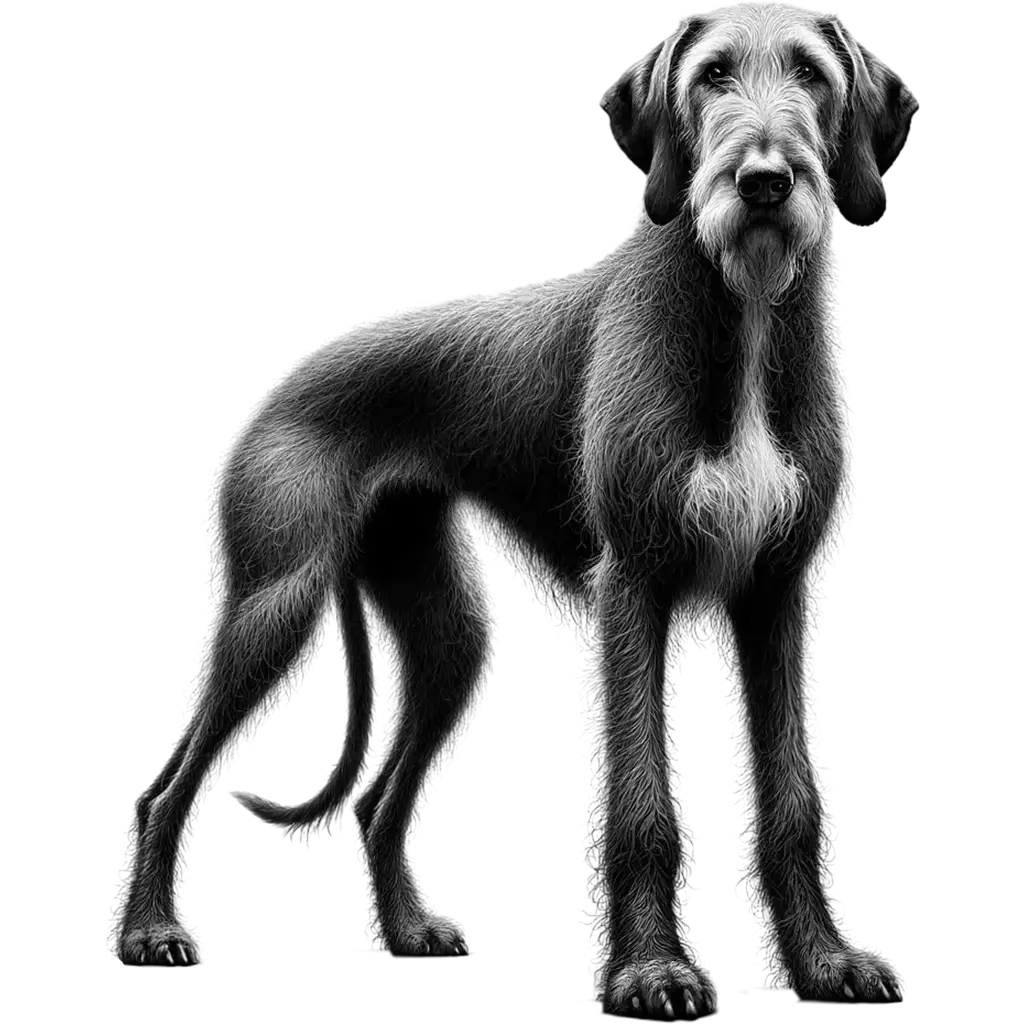
The Scottish Deerhound, a breed of majestic stature and gentle temperament, is revered for its grace and dignity. Standing up to 32 inches at the shoulder and weighing as much as 110 pounds, this breed possesses a rough coat that can range from gray to brindle, sandy, and blue-gray, providing it with protection against harsh climates. Its body is elongated, with a deep chest and a tail that tapers to a point. The Scottish Deerhound's bearing is one of quiet elegance, with a head that is broadest at the ears, narrowing slightly to the eyes, with a taper more pronounced towards the muzzle.
| Population: | Stable within controlled breeding programs; not considered endangered |
| Generation Length: | 3-5 years |
| Average Weight: | 34-50 kg |
| Average Length: | Height of 71-81 cm at the shoulder |
| Lifespan: | 8-11 years |
| Diet: | Primarily meat-based, often supplemented with grains, vegetables, and commercial dog foods |
| Conservation Status: | Not Evaluated (NE) |
Originally bred for coursing red deer in the rugged Scottish Highlands, the Scottish Deerhound requires ample space to roam and exercise. Despite their size, they are known for their incredible speed and agility, traits that were essential for the hunting of game across vast terrains. Today, while they may no longer hunt deer, these dogs still thrive on physical activity and enjoy spacious environments where they can run freely. They are equally content to relax at home, displaying a calm and affectionate nature that makes them excellent companions.
The diet of the Scottish Deerhound should be carefully managed to support their large size and active lifestyle. High-quality dog food, appropriate to their age, weight, and activity level, is essential for maintaining their health and vitality. Given their propensity for growth-related issues, particularly during puppyhood, their diet requires particular attention to ensure proper development.
Reproduction in Scottish Deerhounds follows typical canine patterns, with careful consideration given to genetic diversity and health screening to prevent the transmission of inheritable conditions. Litters average six to ten puppies, which require early socialization and training to develop into well-adjusted adults. The breed's gentle nature makes them excellent family pets, though their size and exercise needs should be considered.
The population of the Scottish Deerhound is stable, but as a breed, they are considered relatively rare. Enthusiasts and breeders are committed to preserving the breed's health, heritage, and characteristics. Their noble appearance, coupled with their gentle demeanor, continues to endear them to dog lovers and ensures their place as a cherished breed.
Classifications
The Key Attributes
Features
- Movement:
Running, walking
- Territorial Behavior:
Gentle and friendly, often good with families and other pets
- Speed:
Fast and capable of endurance running
- Diet:
Carnivore
- Physical Features:
- Tall and slender with a rough coat
- Elongated head and neck
- Deep chest and long tail
- Strong legs built for speed and agility
- Primary Senses:
- Sight
- Hearing
- Smell
Understanding Habitat and Range
Geography
- Habitat:
Adaptable to various living environments, from rural to suburban settings
- Migration Patterns:
Non-migratory, but can be relocated by owners
- Geographical Range:
Originally from Scotland, now found worldwide due to popularity as a pet
- Climate Preferences:
Adaptable, but may prefer cooler climates due to its coat and size
Navigating the Wilderness
In the wild
- Predators:
Not applicable in domestic settings
- Prey:
Not applicable
- Feeding Behavior:
Domestic diet usually includes commercially prepared dog food or a balanced raw diet
- Diet:
Primarily meat-based, often supplemented with grains, vegetables, and commercial dog foods
- Defensive Mechanisms:
- May use speed and size as a deterrent, but generally known for a gentle disposition
- Preferred Food Sources:
- Dependent on human-provided food
Insights Into Reproduction
Mating
- Mating System:
Managed breeding in domestication
- Number of Offspring:
6-10 puppies
- Gestation Period:
Approximately 63 days
- Parental Involvement:
- Care primarily provided by the owner, with the mother nursing and nurturing the puppies until weaned
Youngsters Section
Scottish Deerhound
Fun Fact
Scottish Deerhounds are known for their gentle demeanor and incredible speed.
Originally bred to hunt deer, they can reach speeds of up to 28 miles per hour. These elegant dogs are affectionate, loyal, and tend to be calm indoors. Their size and speed make them exceptional in coursing sports, and they require regular exercise to stay healthy.

Download word search puzzles
Word Search Puzzles
Check Out Other Mammals
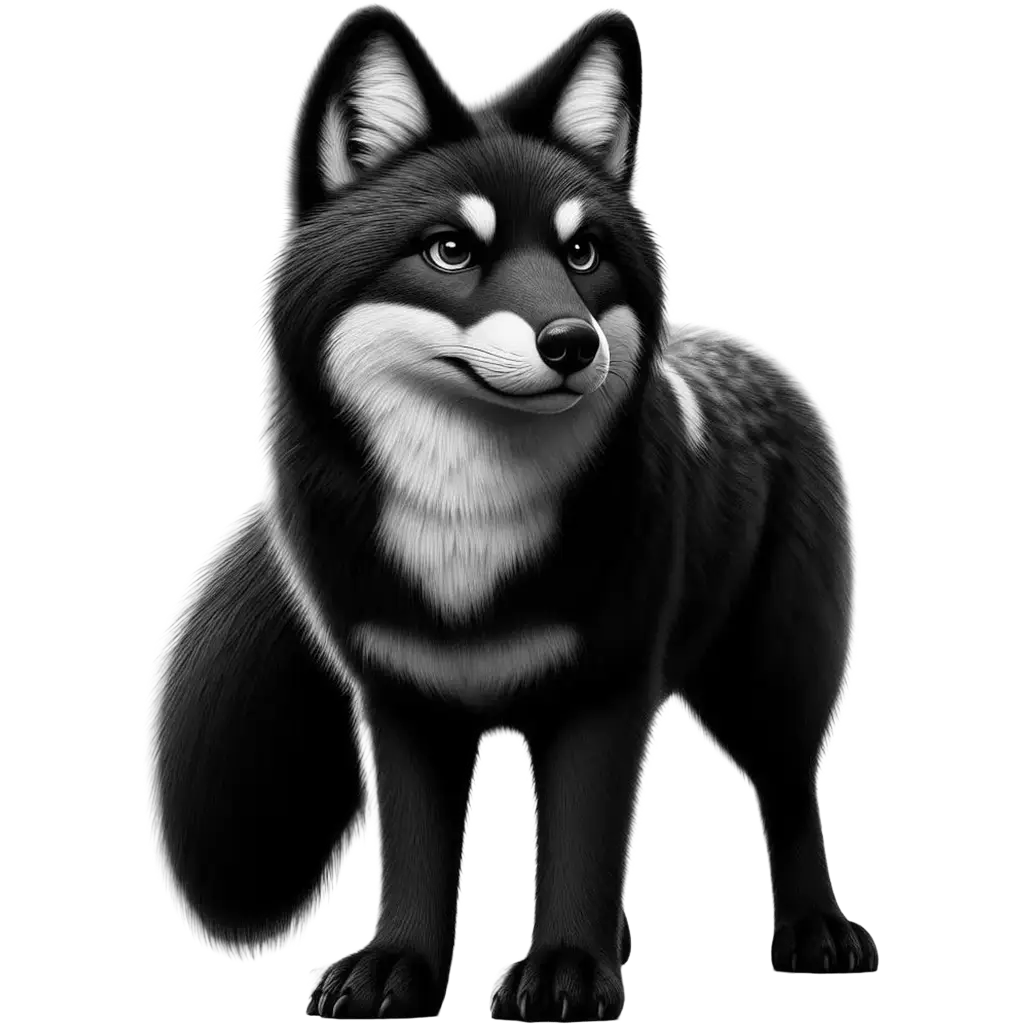
The Golden Jackal, canis aureus, is a highly adaptable and versatile canid species native to North and East Africa, Southeastern Europe, and South Asia, extending through the Middle East to Southeast Asia. Characterized by its golden, yellowish-brown fur, the Golden Jackal is of medium size, typically weighing between 7 to
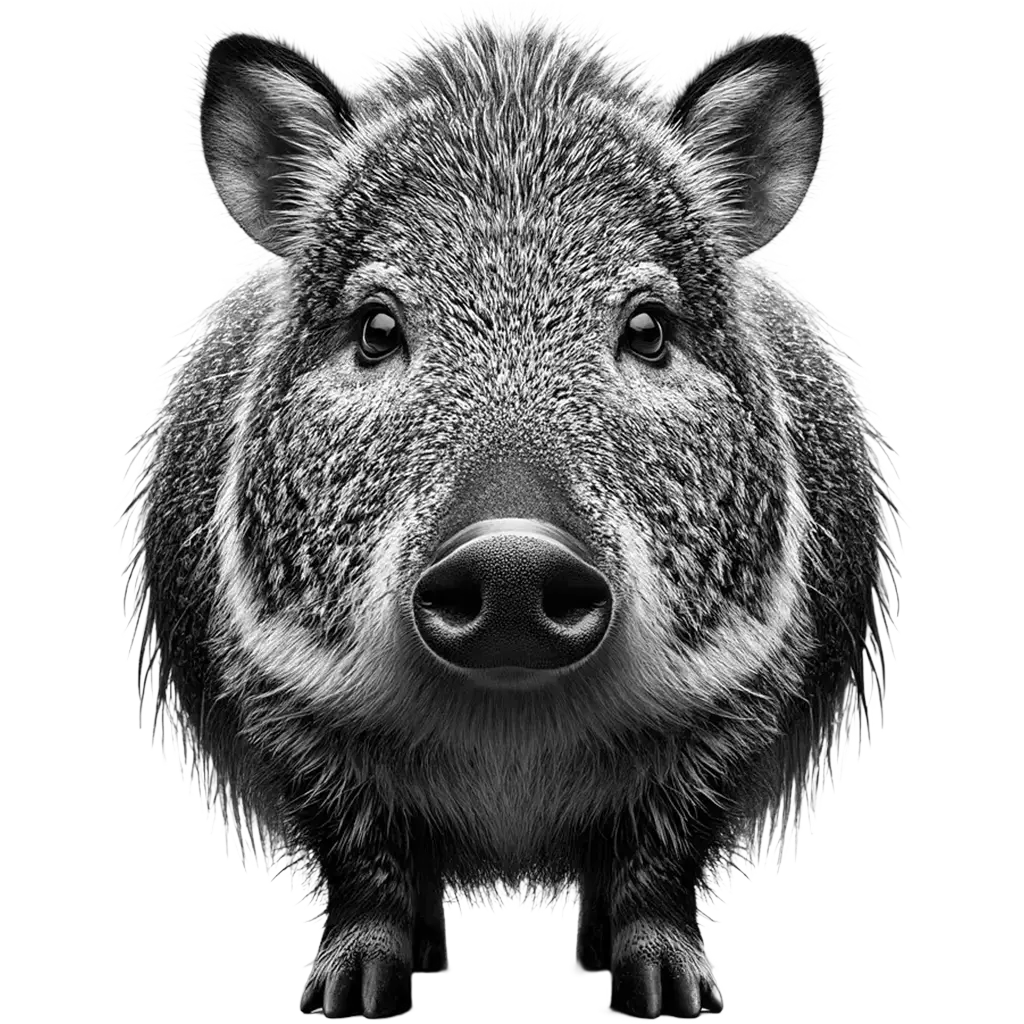
The Collared Peccary, dicotyles tajacu, commonly referred to as the javelina, is a medium-sized, hoofed mammal of the New World pig family, found throughout Central and South America and the southwestern United States. Distinguished by its dark gray body, coarse hair, and a white to yellowish collar of fur around
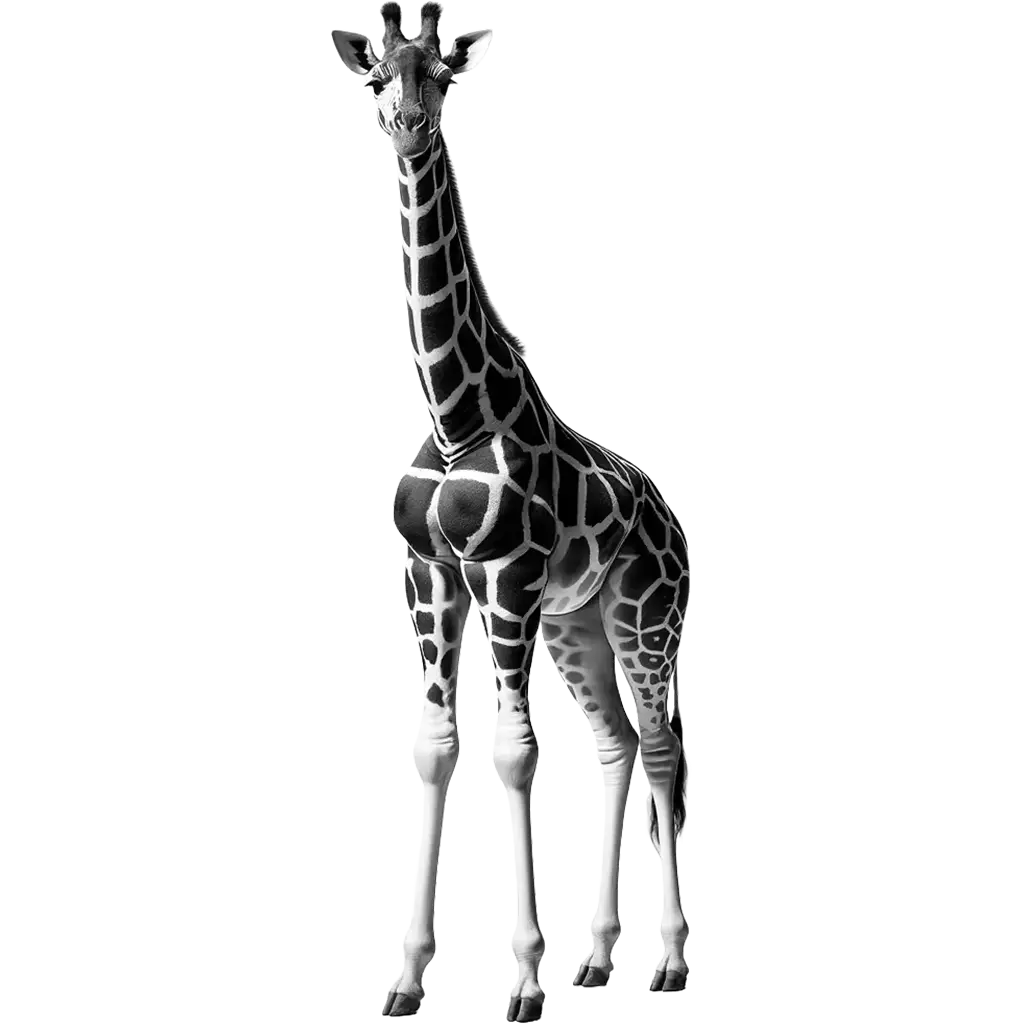
The Giraffe, giraffa camelopardalis, is the tallest land animal, with adult males capable of reaching heights up to 5.5 meters and females slightly shorter. Their most striking features include long necks, which comprise nearly half of their height, and distinctive coat patterns of brown patches separated by lighter lines, unique
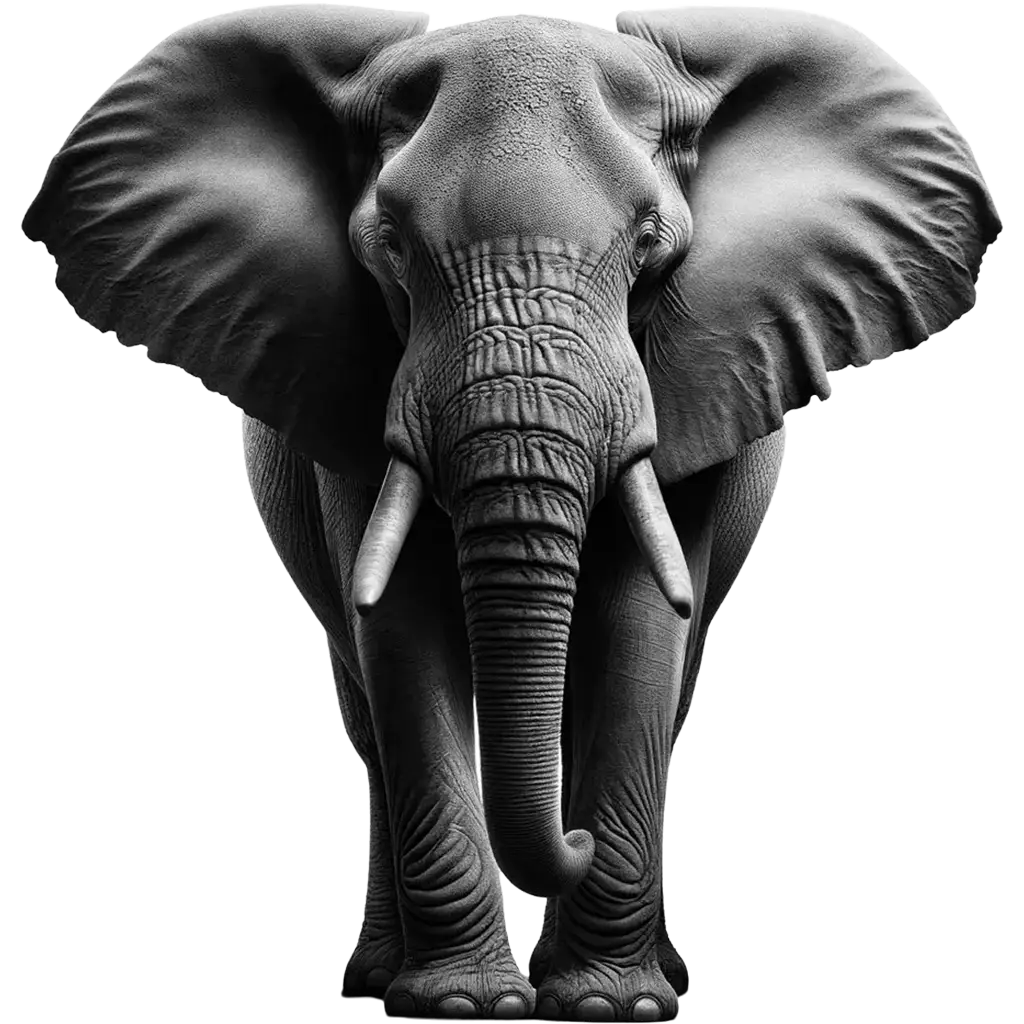
The African Forest Elephant, loxodonta cyclotis, is the smaller of the two African elephant species, distinguished by its more rounded ears and straighter tusks, which are thinner and downward pointing compared to those of its savannah cousin. Adults typically stand 2.5 meters tall at the shoulder, making them smaller than