

Panthera Tigris Sumatrae
Sumatran Tiger
Dense lowland and mountainous forests, including peat swamp forests
The Sumatran Tiger, Panthera tigris ssp. sumatrae, is the smallest of the surviving tiger subspecies, native exclusively to the Indonesian island of Sumatra. Adults typically weigh between 100 to 140 kilograms (220 to 310 pounds) for males and 75 to 110 kilograms (165 to 243 pounds) for females, with a body length ranging from 2.2 to 2.5 meters (7.2 to 8.2 feet), including the tail. This subspecies is distinguished by its dense fur, which is a darker orange and more heavily striped with black than other tiger subspecies, an adaptation to the dense, humid forests of its habitat.
| Population: | Listed as Critically Endangered with fewer than 400 individuals in the wild |
| Generation Length: | 8-10 years |
| Average Weight: | 100-140 kg |
| Average Length: | 2.4-2.5 meters, including tail |
| Lifespan: | 10-15 years in the wild |
| Diet: | Strictly carnivorous, primarily preying on ungulates and other forest animals |
| Conservation Status: | Not Evaluated (NE) |
Sumatran Tigers are solitary and territorial animals, inhabiting the remaining patches of forests across Sumatra, including lowland, montane, and peat swamp forests. Their habitat preferences reflect the need for dense vegetative cover, proximity to water, and abundant prey. They are apex predators, playing a critical role in maintaining the health and balance of the ecosystem by controlling prey populations.
The diet of the Sumatran Tiger mainly consists of large and medium-sized mammals, including deer, wild boar, and occasionally smaller animals like fish and monkeys. Their hunting strategy involves stealth and power, taking advantage of their camouflaged fur to ambush prey.
Reproduction for Sumatran Tigers involves a gestation period of about 3.5 months, after which the female gives birth to a litter of 2 to 3 cubs. Cubs are born blind and helpless, depending entirely on their mother for protection and nourishment. They begin to learn hunting skills at around 6 months of age but may stay with their mother for up to two years before setting out to establish territories of their own.
The Sumatran Tiger is classified as Critically Endangered by the IUCN Red List, with fewer than 400 individuals estimated to remain in the wild. Threats to their survival include habitat loss due to deforestation for palm oil plantations, poaching for their fur and body parts, and conflicts with humans. Conservation efforts for the Sumatran Tiger include anti-poaching patrols, habitat restoration projects, and initiatives to mitigate human-tiger conflicts. The survival of this subspecies is critical, not only for biodiversity but also for the health of the ecosystems in which they play a pivotal role.
Classifications
The Key Attributes
Features
- Movement:
Walking, running, swimming
- Territorial Behavior:
Solitary and highly territorial
- Speed:
Capable of high speeds over short distances
- Diet:
Carnivore
- Physical Features:
- Strong and agile body
- Distinctive dark stripes on orange fur with a lighter underside
- Powerful jaws and teeth for hunting
- Excellent night vision and acute hearing
- Primary Senses:
- Sight
- Hearing
- Smell
Understanding Habitat and Range
Geography
- Habitat:
Dense lowland and mountainous forests, including peat swamp forests
- Migration Patterns:
Non-migratory, with individuals maintaining large home ranges
- Geographical Range:
Endemic to the Indonesian island of Sumatra
- Climate Preferences:
Tropical forest environments
Navigating the Wilderness
In the wild
- Predators:
No natural predators, but humans pose significant risks
- Prey:
Large and medium-sized mammals
- Feeding Behavior:
Apex predator, hunting large prey like deer, wild boar, and occasionally smaller animals
- Diet:
Strictly carnivorous, primarily preying on ungulates and other forest animals
- Defensive Mechanisms:
- Camouflage within the forest
- Physical strength and stealth in hunting
- Preferred Food Sources:
- Dense forests with abundant prey populations
Insights Into Reproduction
Mating
- Mating System:
Polygynous
- Number of Offspring:
2-3 cubs
- Gestation Period:
Approximately 3.5 months
- Parental Involvement:
- Females rear the cubs alone, teaching them to hunt and survive in the wild
Youngsters Section
Sumatran Tiger
Fun Fact
Sumatran tigers are the smallest tiger subspecies. They exhibit unique features adapted to their environment.
Found exclusively on the Indonesian island of Sumatra, these tigers have darker fur and thicker black stripes, aiding camouflage in dense forests. Their webbed feet help them swim efficiently, a skill crucial for hunting in the island's swampy areas and crossing rivers. Sadly, they are critically endangered, with fewer than 400 individuals left due to habitat loss and poaching. Conservation efforts are vital for their survival.

Download word search puzzles
Word Search Puzzles


Check Out Other Mammals

The Asian Palm Civet is a small, nocturnal mammal found throughout South and Southeast Asia. It has a slender body covered in coarse fur, typically dark brown to gray with lighter markings. Its long, bushy tail and sharp claws make it an excellent climber, allowing it to navigate through dense
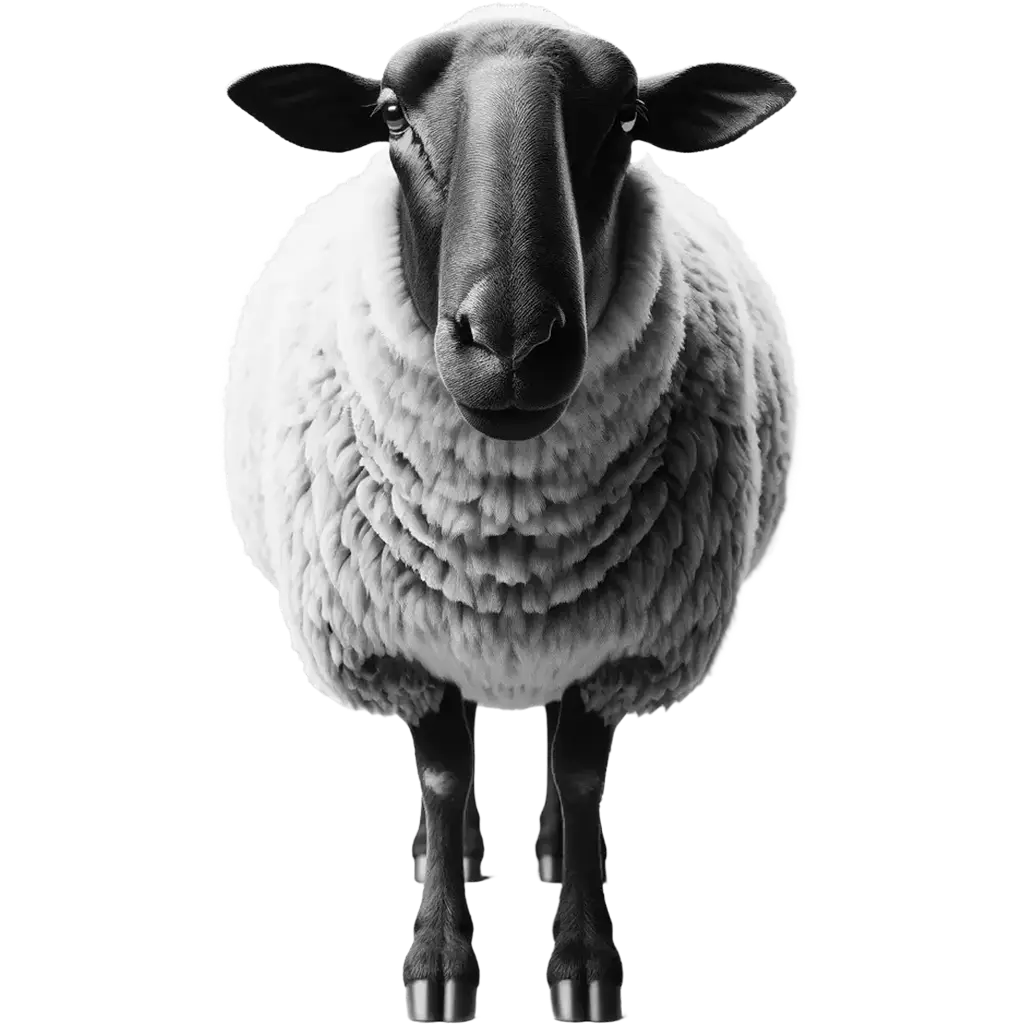
The Domestic Sheep, ovis aries, is a key livestock species that has been domesticated for thousands of years, playing an integral role in agriculture and human society. Adult sheep typically weigh between 45 to 160 kg, depending on the breed, sex, and age, with males (rams) usually larger than females

The Asian Elephant is the largest land mammal in Asia, distinguished by its smaller ears, domed head, and a more rounded back compared to its African relatives. Males grow larger than females and may have long tusks, while many females lack tusks altogether. Their long, muscular trunk is used for
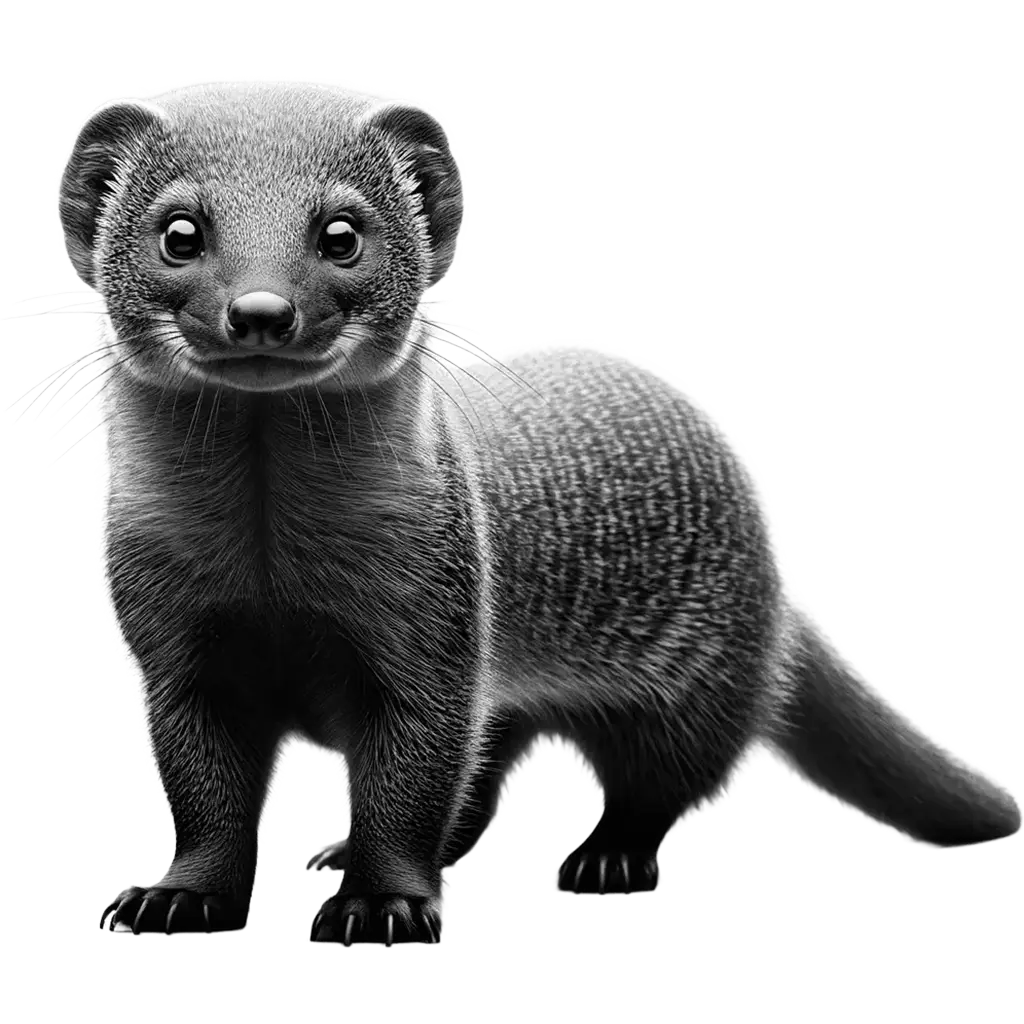
The Indian Brown Mongoose, urva fusca, previously known as Herpestes fuscus, is a small, elusive mammal native to the forests and shrublands of southern India and Sri Lanka. This species is characterized by its dark brown or reddish-brown fur, which helps it blend into the forest floor. It has a