
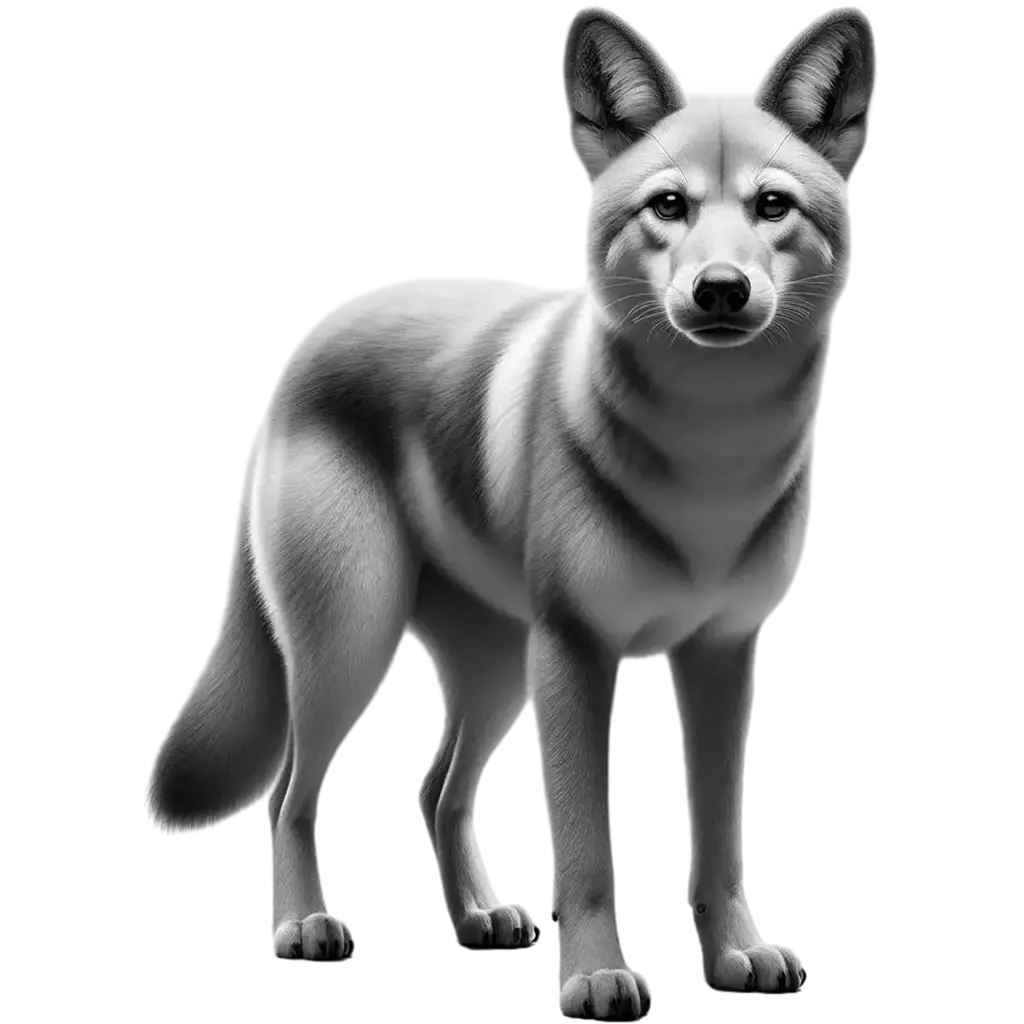
Canis Lupus Dingo
Dingo
Diverse, including forests, grasslands, deserts, and the edges of forests
The Dingo, canis lupus Dingo, stands as a distinctive member of the canine family, notable for its role in Australia's natural environment. Adult Dingoes typically exhibit a lean, athletic build, standing up to 60 cm at the shoulder and weighing around 13 to 20 kg. They possess a short coat that varies in color from sandy to reddish-brown, often with white markings on the chest, paws, and tail tip. Their broad head, pointed muzzle, and erect ears contribute to their alert and wild appearance. Unlike many domestic dogs, Dingoes have a more elongated body shape and a bushy tail, reflecting their adaptation to a wide range of habitats across Australia.
| Population: | Listed as Vulnerable due to interbreeding with domestic dogs and habitat loss |
| Generation Length: | 5 years |
| Average Weight: | 15-20 kg |
| Average Length: | 100-120 cm in total length, including the tail |
| Lifespan: | 5-10 years in the wild |
| Diet: | Primarily carnivorous, with a diet that includes a variety of small to large prey |
| Conservation Status: | Not Evaluated (NE) |
Dingoes are highly adaptable predators that occupy diverse ecosystems, from the deserts of Central Australia to the tropical forests of the northern regions. They live as solitary individuals or in small packs that are primarily formed for hunting and territorial defense. Dingoes are known for their intelligence and complex social behaviors, which include vocalizations, body language, and social hierarchy within packs. Their diet is versatile, consisting mainly of small to medium-sized mammals, birds, reptiles, and occasionally plant matter, showcasing their opportunistic feeding habits.
The diet of the Dingo is predominantly carnivorous, focusing on kangaroos, wallabies, and other native mammals in rural areas, while in closer proximity to human settlements, they may scavenge food waste or prey on livestock, leading to conflicts with farmers. Their hunting strategy emphasizes stamina, as they often pursue prey over long distances until it is exhausted.
Reproduction in Dingoes occurs once a year, with the breeding season typically falling between March and May. Females give birth to an average litter of four to six pups, which are raised in dens, often repurposed rabbit holes or hollow logs. Both parents, and sometimes other pack members, are involved in rearing the young, teaching them essential survival skills.
The population of the Dingo is considered vulnerable due to interbreeding with domestic dogs, habitat loss, and control measures implemented by humans. Conservation efforts focus on maintaining pure populations by implementing measures to prevent crossbreeding and managing their numbers in a way that minimizes conflict with agricultural interests. As apex predators, Dingoes play a crucial role in maintaining the balance of ecosystems by controlling the populations of herbivores and smaller predators.
Classifications
The Key Attributes
Features
- Movement:
Walking, running
- Territorial Behavior:
Solitary or in packs
- Speed:
Capable of speeds up to 60 km/h (37 mph)
- Diet:
Carnivore
- Physical Features:
- Medium-sized, lean build
- Broad head with a pointed snout
- Erect ears and bushy tail
- Coat color ranges from sandy to reddish-brown, sometimes with white markings
- Primary Senses:
- Sight
- Hearing
- Smell
Understanding Habitat and Range
Geography
- Habitat:
Diverse, including forests, grasslands, deserts, and the edges of forests
- Migration Patterns:
Non-migratory, but can roam large distances within their territory
- Geographical Range:
Australia, primarily in the outback and bushland
- Climate Preferences:
Adaptable to a variety of climates, from arid desert to tropical forest
Navigating the Wilderness
In the wild
- Predators:
Humans and larger predators in some areas
- Prey:
Kangaroos, wallabies, rabbits, rats, birds, and reptiles
- Feeding Behavior:
Opportunistic feeder, preying on small to medium-sized animals, including mammals, birds, and reptiles
- Diet:
Primarily carnivorous, with a diet that includes a variety of small to large prey
- Defensive Mechanisms:
- Camouflage in their environment
- Speed and agility to escape threats
- Pack cooperation for defense and hunting
- Preferred Food Sources:
- Areas with abundant prey and water sources
Insights Into Reproduction
Mating
- Mating System:
Generally monogamous within packs
- Number of Offspring:
4-6 pups
- Gestation Period:
Approximately 63 days
- Parental Involvement:
- Both parents, along with other pack members, may contribute to rearing the young
Youngsters Section
Dingo
Fun Fact
Dingos are wild dogs native to Australia with a distinctive golden coat.
They are highly adaptable and can be found in diverse habitats ranging from deserts to woodlands. Dingos typically hunt in packs, showcasing sophisticated teamwork and communication skills. Unlike domestic dogs, they rarely bark and instead use howls to communicate over long distances.
Download word search puzzles
Word Search Puzzles


Check Out Other Mammals
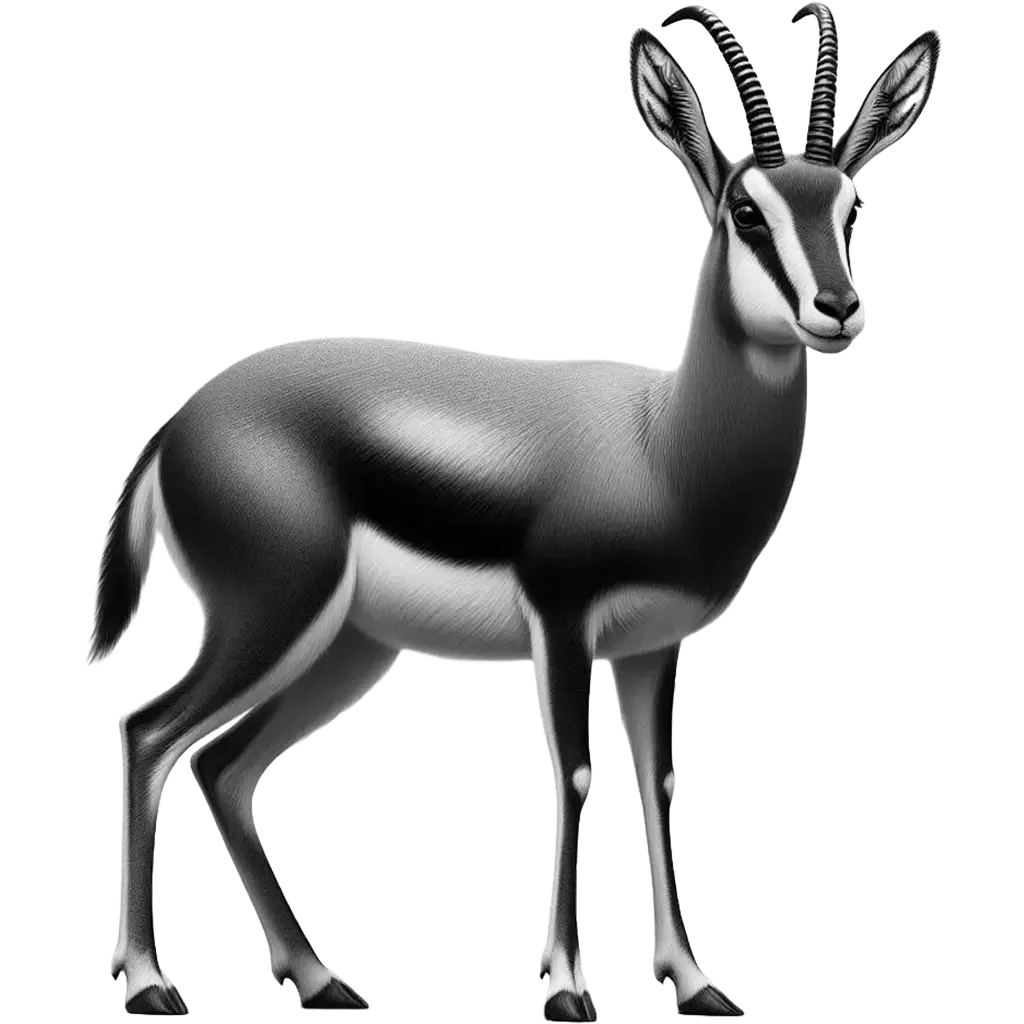
The Dorcas Gazelle, gazella dorcas, is a small and slender antelope that is well-adapted to arid environments, making its home in the deserts and savannahs of North Africa, the Middle East, and the Sahara. This species is notable for its beautiful and delicate appearance, with a light brown or sandy
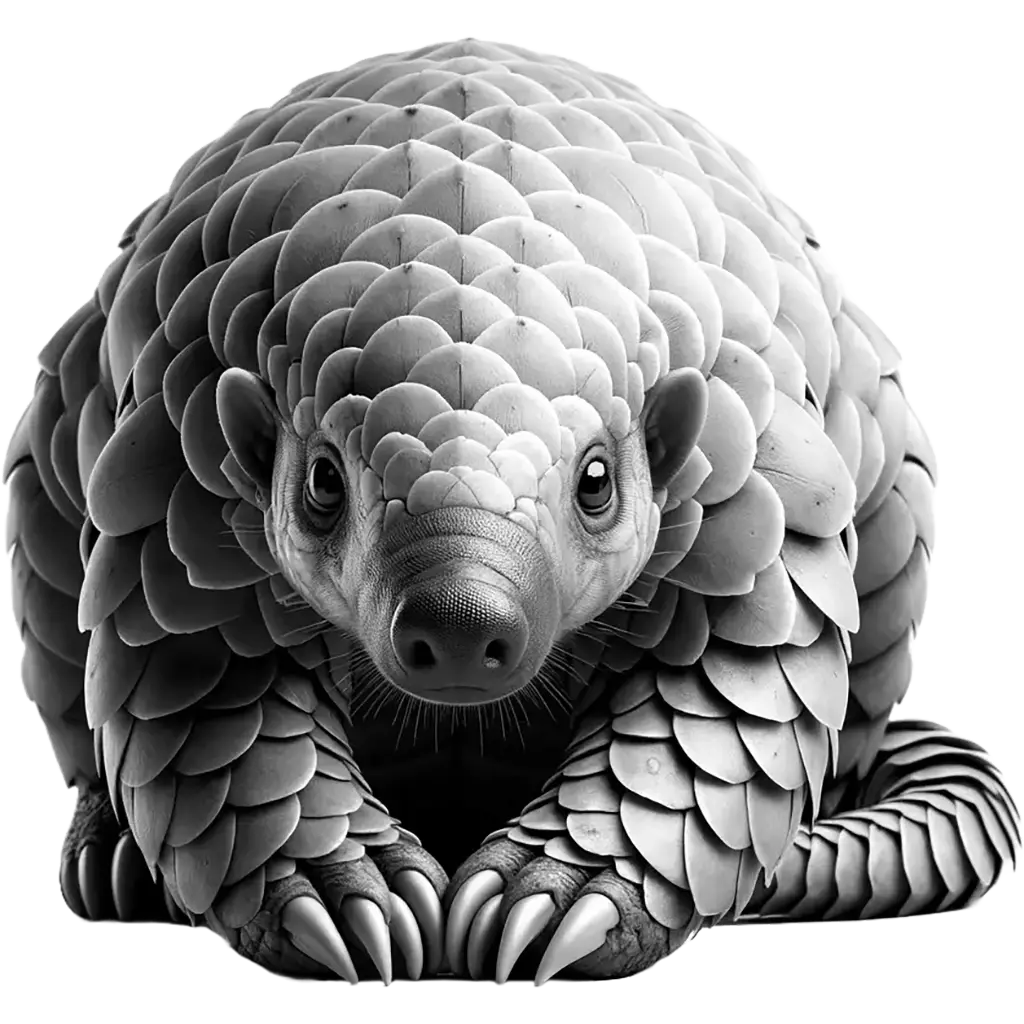
The Indian Pangolin, manis crassicaudata, is a unique and elusive mammal native to the Indian subcontinent, including parts of India, Sri Lanka, Bangladesh, and Pakistan. Characterized by its armored scales, which cover most of its body except for the underside, face, and inner limbs, the Indian Pangolin is an anteater
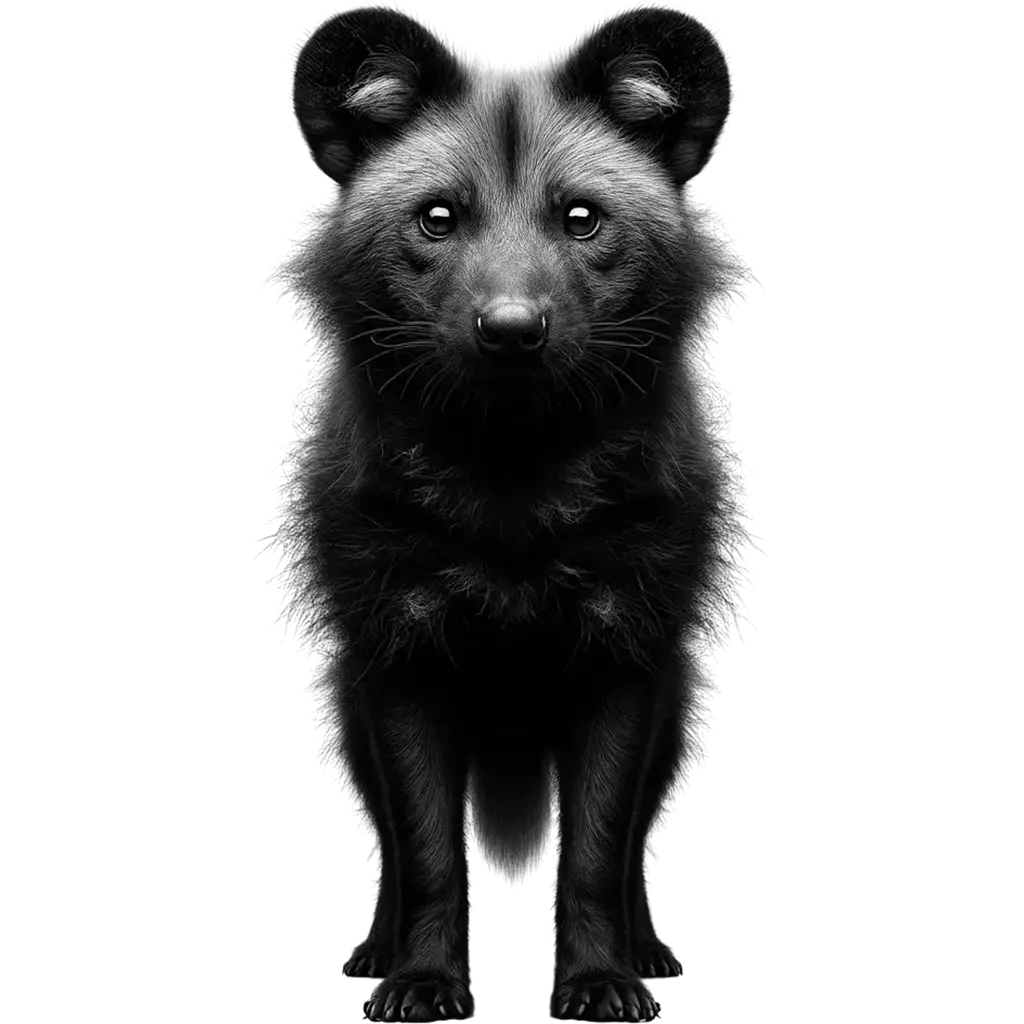
The Bush Dog, speothos venaticus, is a rare and elusive canid native to Central and South America's forests and wetlands. This small, otter-like dog stands around 30 cm tall at the shoulder and weighs between 5 to 7 kg. Its coat is dense and dark brown, effectively camouflaging it in
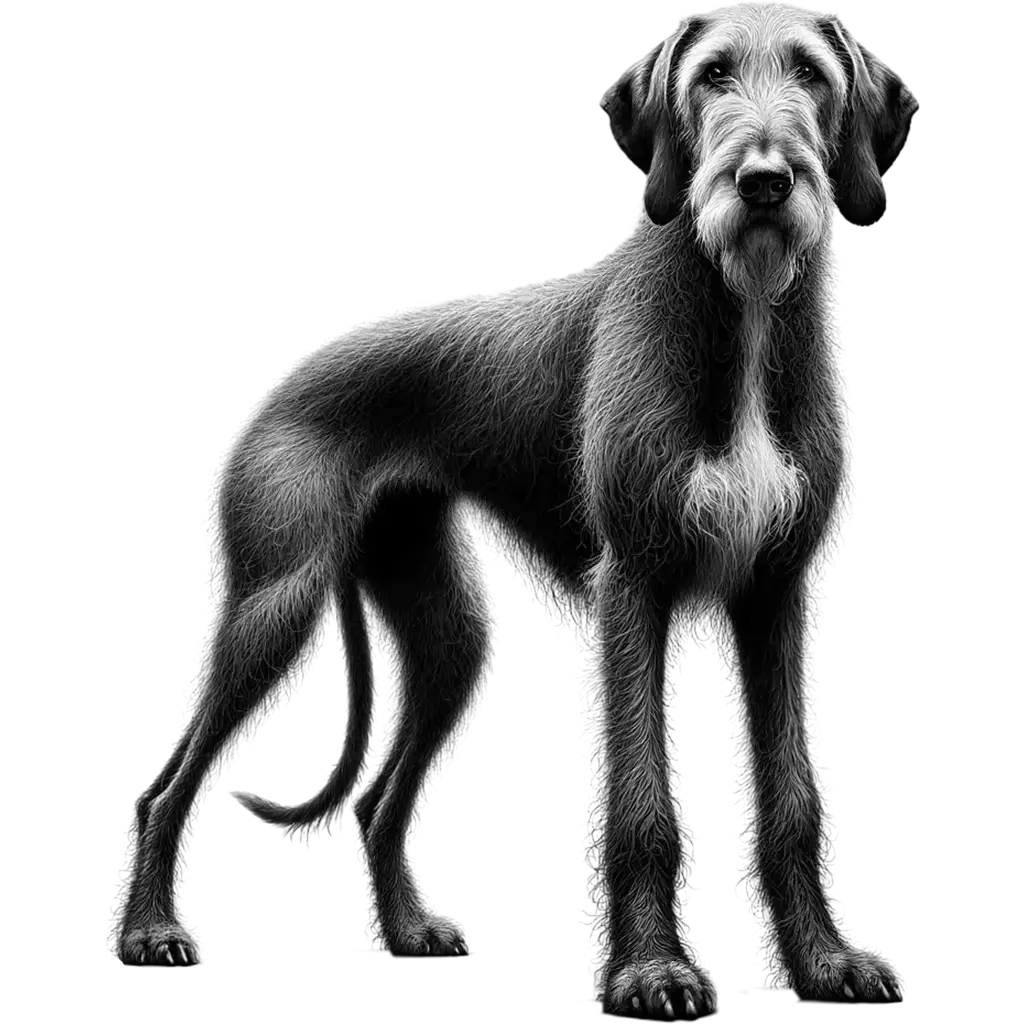
The Scottish Deerhound, a breed of majestic stature and gentle temperament, is revered for its grace and dignity. Standing up to 32 inches at the shoulder and weighing as much as 110 pounds, this breed possesses a rough coat that can range from gray to brindle, sandy, and blue-gray, providing