
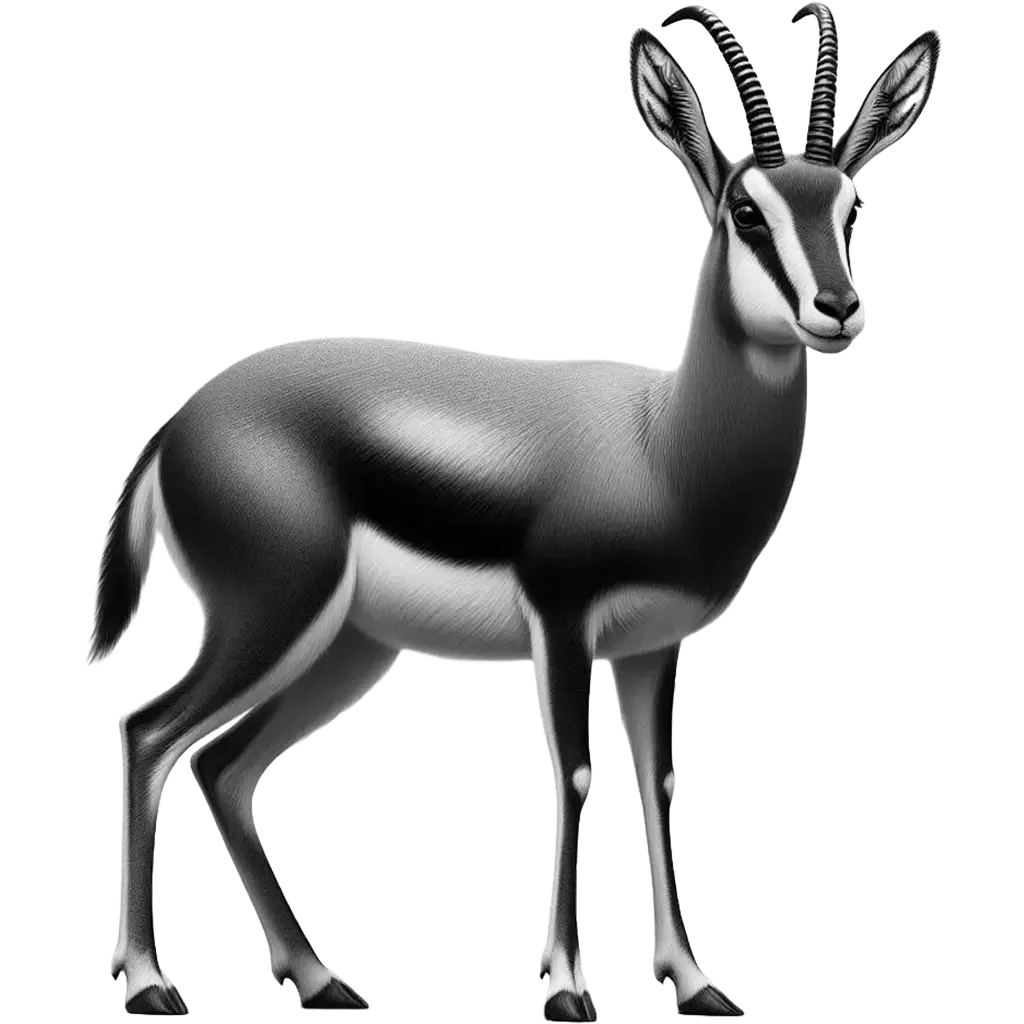
Gazella Dorcas
Dorcas Gazelle
Desert, semi-desert, and arid grassland areas
The Dorcas Gazelle, gazella dorcas, is a small and slender antelope that is well-adapted to arid environments, making its home in the deserts and savannahs of North Africa, the Middle East, and the Sahara. This species is notable for its beautiful and delicate appearance, with a light brown or sandy coat that helps it blend into the desert landscape. Adult Dorcas Gazelles typically stand about 55 to 65 centimeters at the shoulder and weigh between 15 to 20 kilograms. They possess distinctive long, ringed horns that curve backwards, present in both males and females, though those of males are thicker and longer, reaching up to 40 centimeters in length.
| Population: | Classified as Vulnerable with declining trends |
| Generation Length: | 5-6 years |
| Average Weight: | 15-20 kg |
| Average Length: | 90-110 cm (total length), 45-65 cm at the shoulder |
| Lifespan: | 10-12 years in the wild, up to 15 years in captivity |
| Diet: | Primarily vegetation including leaves, shoots, and fruits |
| Conservation Status: | Vulnerable (VU) |
Dorcas Gazelles are highly adapted to life in extreme conditions, able to survive in areas with scarce water and vegetation. They are predominantly diurnal, becoming more active during the cooler parts of the day to forage. Their diet consists mainly of leaves, grasses, and shoots, with an ability to derive sufficient moisture from their food, reducing their dependence on water sources. This adaptation is crucial for survival in their arid habitats.
Reproduction in Dorcas Gazelles can occur throughout the year, with peaks that correspond to the rainy season in their respective habitats. Females typically give birth to one, occasionally two, fawns after a gestation period of around six months. The young are hidden in vegetation for the first weeks of life, receiving only brief visits from their mothers for nursing until they are strong enough to join the herd.
The Dorcas Gazelle is classified as Vulnerable by the IUCN Red List, facing threats from habitat degradation, hunting, and competition with livestock for food resources. Their populations have declined significantly in many areas, leading to local extinctions in some regions where they were once common.
Conservation efforts for the Dorcas Gazelle include habitat protection, anti-poaching measures, and reintroduction programs in areas where they have been extirpated. Protected areas and wildlife reserves play a crucial role in preserving suitable habitats for this species, alongside international cooperation to tackle cross-border challenges such as illegal hunting and trade. The survival of the Dorcas Gazelle is emblematic of the broader challenges facing desert ecosystems and the species that inhabit them.
Classifications
The Key Attributes
Features
- Movement:
Quadrupedal, capable of fast running
- Territorial Behavior:
Social, forming herds; also observed in pairs or solitary
- Speed:
Can reach speeds up to 80 km/h in short bursts
- Diet:
Herbivore
- Physical Features:
- Small, slender build
- Pale fawn to reddish-brown coat
- White underparts
- Long, ringed horns in both sexes
- Large eyes and ears
- Primary Senses:
- Sight
- Hearing
- Smell
Understanding Habitat and Range
Geography
- Habitat:
Desert, semi-desert, and arid grassland areas
- Migration Patterns:
Non-migratory, but may move in search of food and water
- Geographical Range:
North Africa, including Sahara desert and surrounding areas; fragmented populations across the Middle East
- Climate Preferences:
Arid and semi-arid climates
Navigating the Wilderness
In the wild
- Predators:
Jackals, leopards, hyenas, and large birds of prey
- Prey:
Not applicable
- Feeding Behavior:
Browsers and grazers, feeding on leaves, flowers, and fruits of desert vegetation
- Diet:
Primarily vegetation including leaves, shoots, and fruits
- Defensive Mechanisms:
- Speed and agility to escape predators
- Camouflage in their environment
- Preferred Food Sources:
- Acacia leaves
- Desert melons and fruits
Insights Into Reproduction
Mating
- Mating System:
Polygynous
- Number of Offspring:
Usually 1 fawn
- Gestation Period:
About 6 months
- Parental Involvement:
- Mother hides the fawn for weeks while it gains strength; fawn is weaned at 3-4 months
Youngsters Section
Dorcas Gazelle
Fun Fact
Dorcas gazelles are renowned for their remarkable ability to survive in arid desert environments.
These gazelles can endure without direct water intake, obtaining moisture from the plants they consume. They are also highly adapted to extreme heat, often becoming active during cooler nighttime hours to conserve water and energy. Their slender build and long legs enable them to efficiently navigate and escape predators in their harsh habitats.

Download word search puzzles
Word Search Puzzles


Check Out Other Mammals

The Central American Squirrel Monkey, saimiri oerstedii, is a small and vibrant primate native to the tropical forests of Costa Rica and Panama. This species is distinguished by its bright fur, with a back of olive or yellowish-green and a white or yellowish belly, creating a striking contrast. Adults weigh
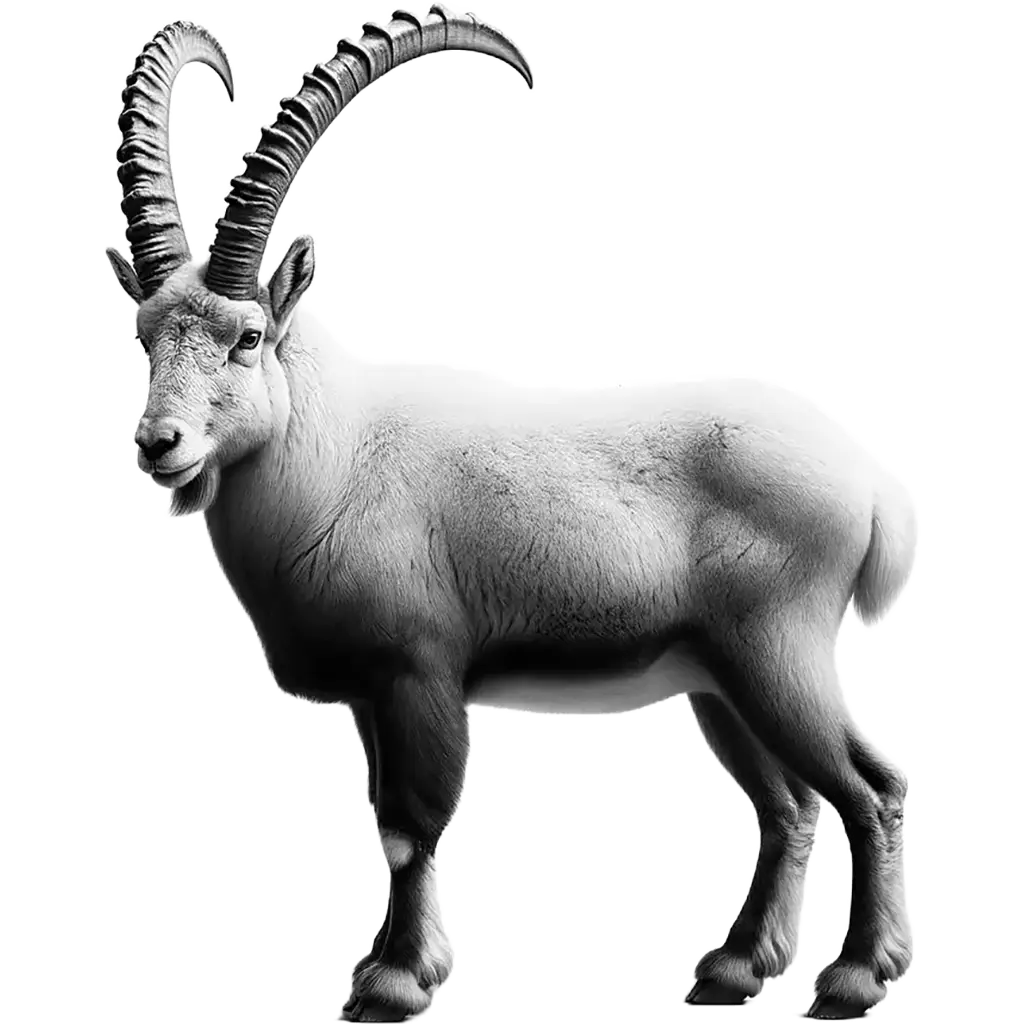
The Siberian Ibex, capra sibirica, is a robust and agile species of wild goat known for its impressive curved horns, which can reach up to 130 cm in length in males. These animals exhibit a coat that varies seasonally, being thicker and lighter in color during winter, and shorter and

The Volpino Italiano is a small, Spitz-type breed of dog, originating from Italy, known for its fluffy coat and fox-like appearance. It stands between 25 to 30 cm tall at the shoulder and weighs around 4 to 5 kg. The breed features a dense, long coat that can be white,

The Scottish Deerhound, a breed of majestic stature and gentle temperament, is revered for its grace and dignity. Standing up to 32 inches at the shoulder and weighing as much as 110 pounds, this breed possesses a rough coat that can range from gray to brindle, sandy, and blue-gray, providing