

Canis Lupus
Volpino Italiano
Adaptable to home environments, both urban and rural
The Volpino Italiano is a small, Spitz-type breed of dog, originating from Italy, known for its fluffy coat and fox-like appearance. It stands between 25 to 30 cm tall at the shoulder and weighs around 4 to 5 kg. The breed features a dense, long coat that can be white, red, or champagne, with a distinctive ruff around the neck and a curled tail over the back. Their alert expression is accentuated by their pointed ears and bright, dark eyes, making them an attractive companion.
| Population: | Rare breed, with efforts to increase numbers |
| Generation Length: | 3-4 years |
| Average Weight: | 4-5 kg |
| Average Length: | 25-30 cm in height at the shoulder |
| Lifespan: | 14-16 years |
| Diet: | Domesticated, usually on a diet provided by the owner, suitable for small breeds |
| Conservation Status: | Not Evaluated (NE) |
Volpino Italianos are known for their lively and affectionate nature, making them excellent family pets. They are highly social and enjoy being part of daily activities, showing a particular fondness for children. Despite their small size, they are alert and make excellent watchdogs, often vocalizing to alert their owners of anything unusual. Volpinos require regular interaction and do not like being left alone for long periods, thriving in environments where they can engage with their human companions or other pets.
Diet and nutrition are crucial for maintaining the health and vitality of a Volpino Italiano. They should be fed a balanced diet of high-quality dog food, suitable for small breeds with high energy levels. Portion control is important to prevent obesity, especially considering their small size. Regular, moderate exercise, along with a diet tailored to their age, size, and energy level, will help keep a Volpino Italiano in good shape.
Volpino Italianos have a breeding cycle similar to other small dog breeds, with females typically coming into heat twice a year. Responsible breeding practices involve health screenings for genetic conditions common to small breeds, such as patellar luxation and heart issues, to ensure the health of the puppies. The breed's small size means that litters are often small, usually consisting of 1 to 5 puppies.
The population of the Volpino Italiano is relatively small, making them a rare breed outside of Italy. Efforts are being made by breed enthusiasts and clubs to preserve and promote the Volpino Italiano, focusing on maintaining breed standards and health. Despite their rarity, the breed has a devoted following due to their charming temperament and striking appearance.
Classifications
The Key Attributes
Features
- Movement:
Walking, running
- Territorial Behavior:
Often protective and alert, making good watchdogs
- Speed:
Agile and quick, especially during play and alert activities
- Diet:
Carnivore
- Physical Features:
- Small, spitz-type appearance with a fluffy coat
- Curled tail over the back
- Pointed, erect ears and a wedge-shaped face
- Thick fur around the neck like a mane
- Primary Senses:
- Hearing
- Sight
- Smell
Understanding Habitat and Range
Geography
- Habitat:
Adaptable to home environments, both urban and rural
- Migration Patterns:
Non-migratory, typically remains within home area
- Geographical Range:
Originally from Italy, with small populations in other countries
- Climate Preferences:
Adaptable to various climates, but may prefer moderate climates due to dense fur
Navigating the Wilderness
In the wild
- Predators:
Protected from large predators due to domestic status
- Prey:
Not applicable
- Feeding Behavior:
Typically fed by owners with commercial dog food
- Diet:
Domesticated, usually on a diet provided by the owner, suitable for small breeds
- Defensive Mechanisms:
- Barking to alert to danger or intruders
- Quick to escape threats due to agility
- Preferred Food Sources:
- Dependent on human-provided food
Insights Into Reproduction
Mating
- Mating System:
Controlled breeding within domestic settings
- Number of Offspring:
1-5 puppies
- Gestation Period:
Approximately 60 days
- Parental Involvement:
- Care primarily provided by the female with human assistance for the puppies
Youngsters Section
Volpino Italiano
Fun Fact
Volpino Italiano is a small, fluffy dog breed known for its lively personality and fox-like appearance.
Originating from Italy, this breed has been a favorite of Italian nobility for centuries. Despite its small size, the Volpino Italiano is an excellent watchdog, known for its alertness and loud bark. Their thick, fluffy coat requires regular grooming to prevent matting. They are affectionate, intelligent, and good with families, making them perfect companions.

Download word search puzzles
Word Search Puzzles


Check Out Other Mammals
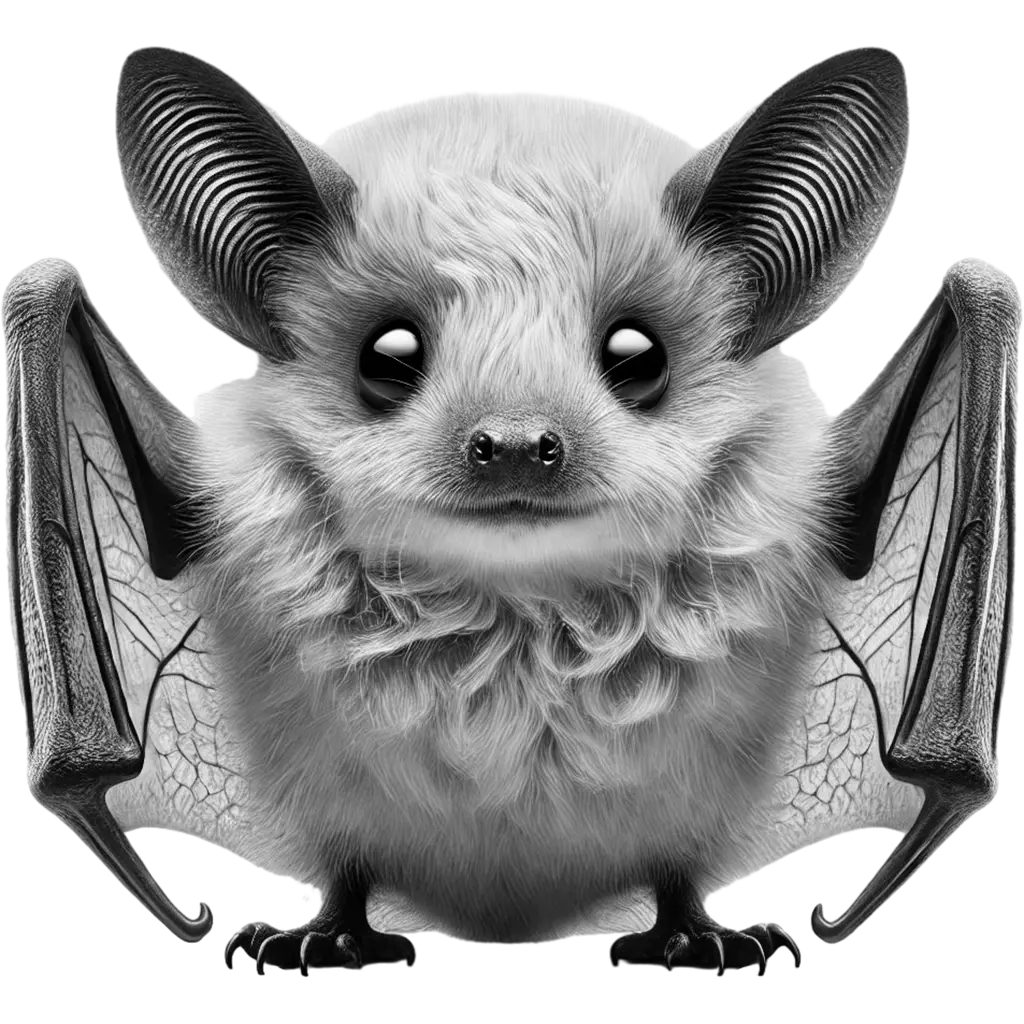
The Yellowish Myotis is a small, delicate bat with a slender body covered in soft fur that carries a subtle yellowish tint over a dark gray base. Its long, delicate wings and large, expressive ears enable it to navigate the night sky with grace and precision. A compact, pointed snout

The Fossa, cryptoprocta ferox, is a unique and elusive carnivore native to Madagascar, often described as a 'cat-like' predator despite its closer genetic ties to mongooses and civets. This apex predator of the Malagasy forests stands as the largest mammalian carnivore on the island, with adults measuring up to 80

Neofelis nebulosa, the Clouded Leopard, is a medium-sized wild cat with a sleek, muscular body and a long tail that aids in balance during arboreal pursuits. Its coat features unique, cloud-like markings on a pale background, which serve as natural camouflage in the dappled light of dense forests. With a

The African Wild Ass, equus africanus, is an endangered species and the ancestor of the domestic donkey, known for its hardiness and adaptability to harsh desert environments. This species exhibits a light gray to fawn-colored coat, with distinctive zebra-like stripes on its legs and a dark dorsal stripe running down