
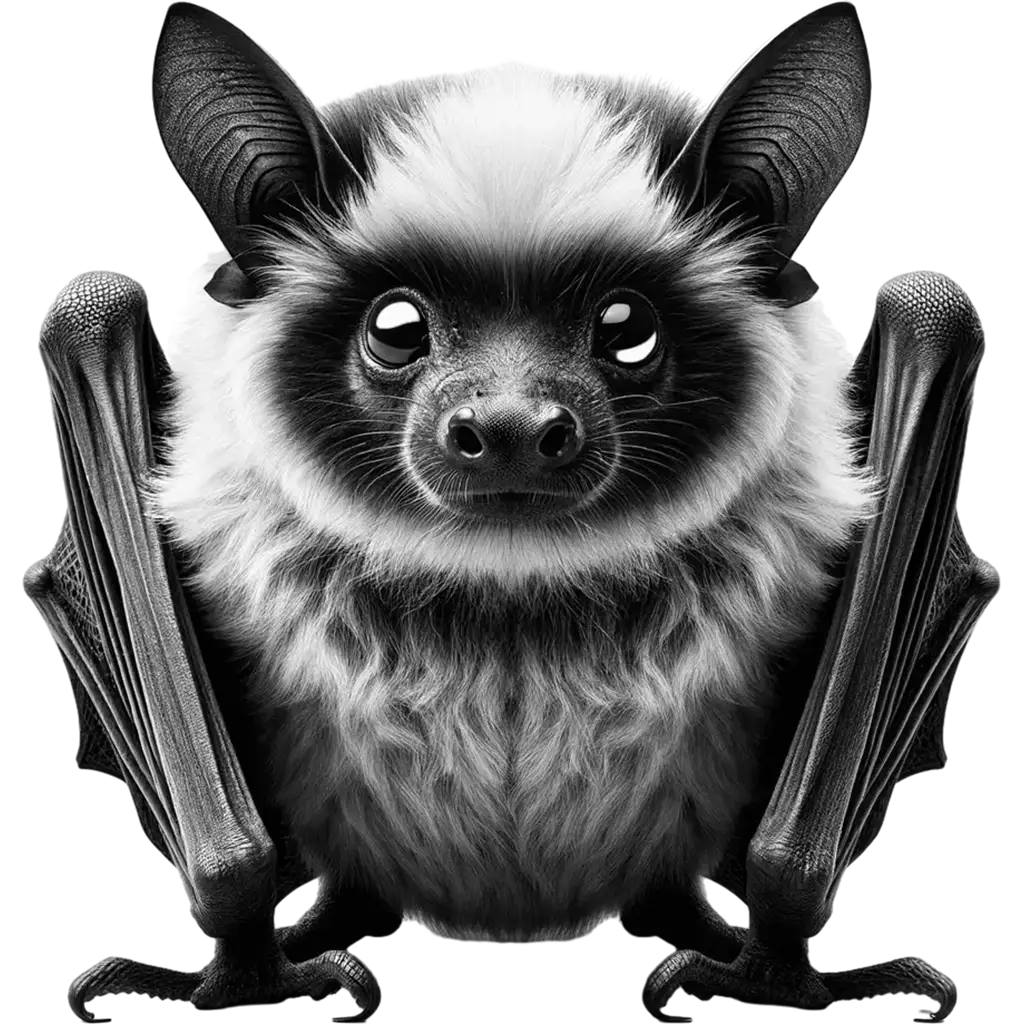
Vespertilio Murinus
Parti-Coloured Bat
Woodlands, forest edges, urban areas, and near water bodies
The Parti-Coloured Bat, vespertilio murinus, is a medium-sized bat species distinguished by its unique two-toned fur, from which it derives its name. The back of the bat features a contrasting pattern of dark brown or black with frosted tips, while the underside is a lighter grey or white, providing it with excellent camouflage against predators during the day. Adult Parti-Coloured Bats have a wingspan ranging from 24 to 28 cm and a body length of about 6 to 7 cm, making them one of the larger species within their geographic range.
| Population: | Listed as Least Concern but facing threats from habitat destruction and pesticide use |
| Generation Length: | 3-4 years |
| Average Weight: | 6-15 grams |
| Average Length: | Body length: 5.5-6.5 cm, Wingspan: 24-28 cm |
| Lifespan: | Up to 15 years in the wild |
| Diet: | Feeds primarily on a variety of nocturnal insects |
| Conservation Status: | Least Concern (LC) |
Native to a wide expanse of Eurasia, from Western Europe across to Japan, this species inhabits a variety of environments including forests, parklands, and urban areas where they roost in tree holes, buildings, and bat boxes. They are highly adaptable and can be found at various elevations, from sea level up to mountainous regions. The Parti-Coloured Bat is a migratory species, with individuals traveling considerable distances between their summer and winter habitats.
The diet of the Parti-Coloured Bat primarily consists of small flying insects, such as moths, beetles, and flies, which they catch in flight during their nocturnal foraging trips. Their foraging strategy involves high-speed pursuit in open areas, using echolocation to detect and capture their prey.
Reproduction in the Parti-Coloured Bat occurs once a year, with females forming maternity colonies in the spring to give birth and raise their young. A single pup is born after a gestation period of 50 to 70 days, typically in late June or early July. The young are cared for in the maternity colony and are able to fly and forage on their own after four to five weeks.
The population of the Parti-Coloured Bat is considered of Least Concern by the IUCN, although it faces threats from habitat loss, pesticide use, and disturbances to roosting sites. Conservation efforts are focused on habitat protection, monitoring populations, and promoting the importance of bats in ecosystems as pest controllers. The Parti-Coloured Bat's role in insect population control highlights the ecological importance of bats and the need for continued conservation support.
Classifications
The Key Attributes
Features
- Movement:
Flying
- Territorial Behavior:
Not highly territorial; forms large communal roosts
- Speed:
Fast and agile flier, capable of quick maneuvers during flight
- Diet:
Insectivore
- Physical Features:
- Small size with a distinctive two-tone (parti-colored) fur
- Pointed wings adapted for fast flight
- Short, rounded ears
- Tail membrane (uropatagium) extending beyond the tail
- Primary Senses:
- Echolocation
- Hearing
- Sight
Understanding Habitat and Range
Geography
- Habitat:
Woodlands, forest edges, urban areas, and near water bodies
- Migration Patterns:
Partially migratory, with some populations moving to warmer areas in winter
- Geographical Range:
Widespread across Europe and Asia, extending into parts of North Africa
- Climate Preferences:
Temperate to cool temperate regions
Navigating the Wilderness
In the wild
- Predators:
Birds of prey, larger bats, and terrestrial predators like cats and foxes
- Prey:
Moths, flies, beetles, and other flying insects
- Feeding Behavior:
Catches insects in flight, using echolocation to navigate and locate prey
- Diet:
Feeds primarily on a variety of nocturnal insects
- Defensive Mechanisms:
- Evasive flying patterns
- Roosting in concealed or inaccessible places
- Preferred Food Sources:
- Areas abundant with insect activity, often near water or open fields
Insights Into Reproduction
Mating
- Mating System:
Polygynous
- Number of Offspring:
Usually one pup, occasionally two
- Gestation Period:
40-50 days
- Parental Involvement:
- Females form maternity colonies to rear young, with little to no male involvement
Youngsters Section
Parti-Coloured Bat
Fun Fact
Parti-Coloured Bats are known for their striking two-toned fur, which is a mix of dark and light colors.
These bats are migratory and can travel up to 1,000 miles between summer and winter habitats. They primarily feed on insects and are most active at dusk and dawn. Found across Europe and Asia, they often roost in buildings and tree hollows.

Download word search puzzles
Word Search Puzzles
Check Out Other Mammals

The Cheetah, acinonyx jubatus, stands as a symbol of speed and agility in the animal kingdom, holding the title of the fastest land animal, capable of reaching speeds up to 75 mph (120 km/h) in short bursts covering distances up to 1,500 feet (460 meters). This slender, long-legged feline is
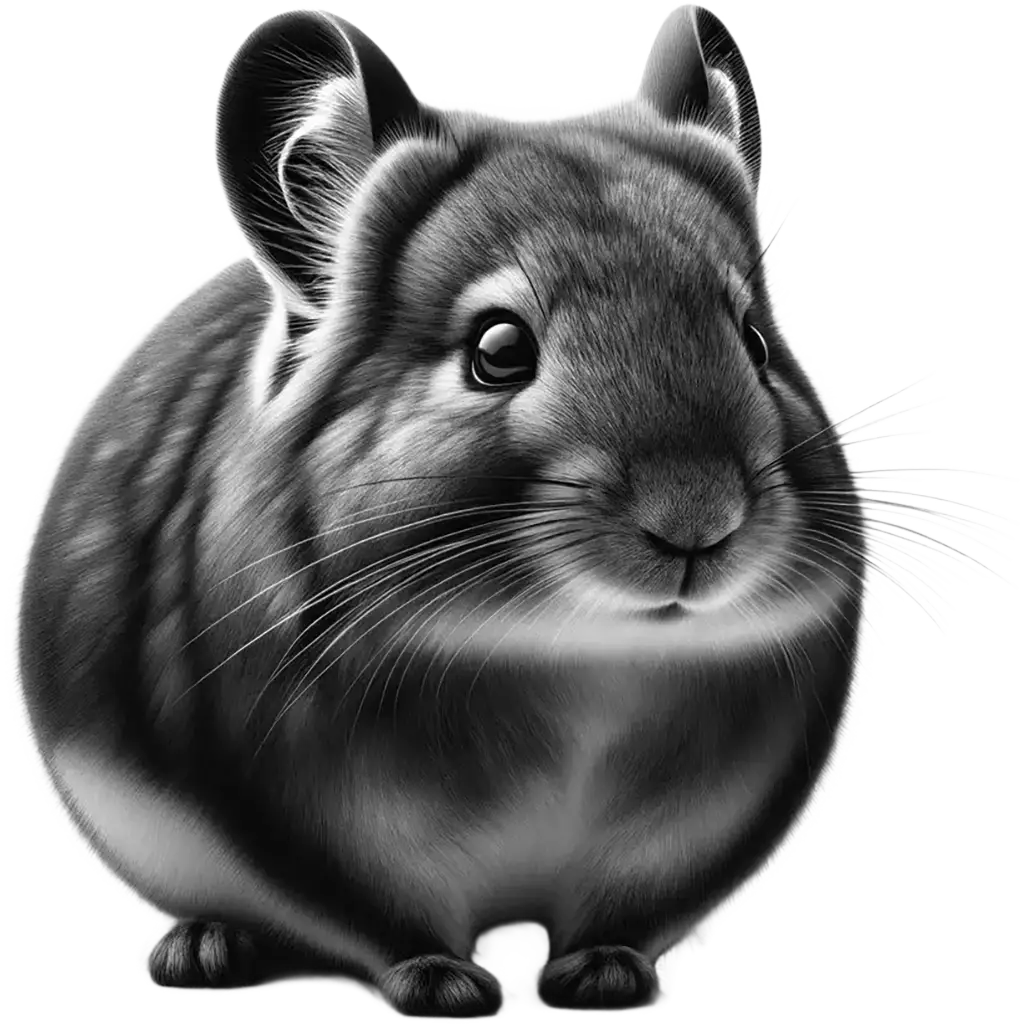
The Daurian Pika, ochotona dauurica, is a small, herbivorous mammal belonging to the pika family, which resides predominantly in the steppe regions of Mongolia, parts of Russia, and northern China. This species is characterized by its compact body, rounded ears, and absence of a visible tail, typical of pikas. Adult

The Jaguar, panthera onca, is the largest cat in the Americas and the third-largest feline in the world, after tigers and lions. Known for its powerful build, the Jaguar has a broad head, muscular limbs, and a robust body that enables it to excel in climbing, swimming, and crawling through

The Common dolphin, delphinus delphis, is a highly social and widely distributed species of dolphin known for its striking coloration and slender body. Adults typically range from 1.9 to 2.5 meters in length and weigh between 70 to 110 kg. They are characterized by their distinctive crisscross or hourglass color