

Genetta Genetta
Common Genet
Forests, scrublands, and rocky areas
The Common Genet, genetta genetta, is a slender, cat-like mammal, part of the Viverridae family, which also includes civets and mongooses. Characterized by its striking coat pattern, it has a pale, yellowish-grey fur with a series of black stripes running down its back and rows of spots on its sides, culminating in a long, bushy tail marked with black rings. Adults can measure between 40 to 60 cm in length, not including the tail, which adds another 40 to 50 cm, and weigh between 1.5 to 3 kg. Its elongated body, short legs, and retractable claws make it adept at climbing and stealthy movement.
| Population: | Widespread and relatively common, not currently considered threatened |
| Generation Length: | 3-4 years |
| Average Weight: | 1.5-2.5 kg |
| Average Length: | Body length: 40-60 cm, Tail length: 40-50 cm |
| Lifespan: | Up to 13-15 years in the wild, longer in captivity |
| Diet: | Primarily small vertebrates and insects |
| Conservation Status: | Least Concern (LC) |
Native to Africa, the Common Genet has been introduced to parts of Europe, where it inhabits a variety of woodland, scrubland, and forest environments. It is nocturnal and solitary, spending its days in hollow trees, rock crevices, or abandoned burrows, emerging at night to hunt.
The diet of the Common Genet is varied, including small mammals, birds, insects, and sometimes fruits. This makes it an opportunistic feeder, capable of adapting its diet based on the availability of prey. Its role as a predator helps control the populations of smaller animals and insects, contributing to the ecological balance of its habitat.
Reproduction in the Common Genet involves a gestation period of 10 to 11 weeks, after which the female gives birth to one to four offspring. The young are born in a den, which the mother lines with leaves and fur. They are weaned at around three months of age but may stay with the mother for up to a year, learning the skills necessary for survival.
The population of the Common Genet is considered stable across its range, and it is classified as of 'Least Concern' by the IUCN Red List. However, it faces threats from habitat loss and fragmentation, as well as persecution due to its occasional predation on poultry. Conservation efforts focus on habitat preservation and reducing conflicts with humans to ensure the continued survival of this species. The Common Genet's adaptability to different environments and roles in controlling pest populations highlight its importance within its ecosystem.
Classifications
The Key Attributes
Features
- Movement:
Climbing, walking
- Territorial Behavior:
Solitary and territorial
- Speed:
Not specifically quantified; agile and capable of quick movements
- Diet:
Carnivore
- Physical Features:
- Small, slender body with short legs
- Distinctive spotted coat with a long, bushy, black-tipped tail
- Pointed muzzle and large ears
- Retractable claws
- Primary Senses:
- Sight
- Hearing
- Smell
Understanding Habitat and Range
Geography
- Habitat:
Forests, scrublands, and rocky areas
- Migration Patterns:
Non-migratory
- Geographical Range:
Widely distributed in North Africa, parts of the Middle East, and southwestern Europe
- Climate Preferences:
Adaptable to a range of climates, from Mediterranean landscapes to arid regions
Navigating the Wilderness
In the wild
- Predators:
Larger carnivores, birds of prey
- Prey:
Rodents, small birds, insects
- Feeding Behavior:
Nocturnal hunter, preying on small mammals, birds, insects, and occasionally fruits
- Diet:
Primarily small vertebrates and insects
- Defensive Mechanisms:
- Climbing trees to escape predators
- Camouflage within their habitat
- Agility and stealth when hunting or evading threats
- Preferred Food Sources:
- Diverse, based on prey availability within their habitat
Insights Into Reproduction
Mating
- Mating System:
Polygynous
- Number of Offspring:
1-4 kittens per litter
- Gestation Period:
About 10-11 weeks
- Parental Involvement:
- Females rear the young, providing them with food, protection, and learning opportunities
Youngsters Section
Common Genet
Fun Fact
The common genet is a small, nocturnal carnivore native to Africa and parts of Europe.
Despite their cat-like appearance, genets are more closely related to civets and mongooses. They are excellent climbers and have retractable claws, which they use to hunt birds, insects, and small mammals. Their long, slender bodies and spotted coats help them blend into their forest habitats.

Download word search puzzles
Word Search Puzzles


Check Out Other Mammals

The African Wild Dog is a highly social and uniquely patterned canid found in Sub-Saharan Africa. Known for its distinctive mottled coat, no two individuals have the same pattern of black, white, and tan fur. It has large, rounded ears that enhance its hearing and help with thermoregulation, as well
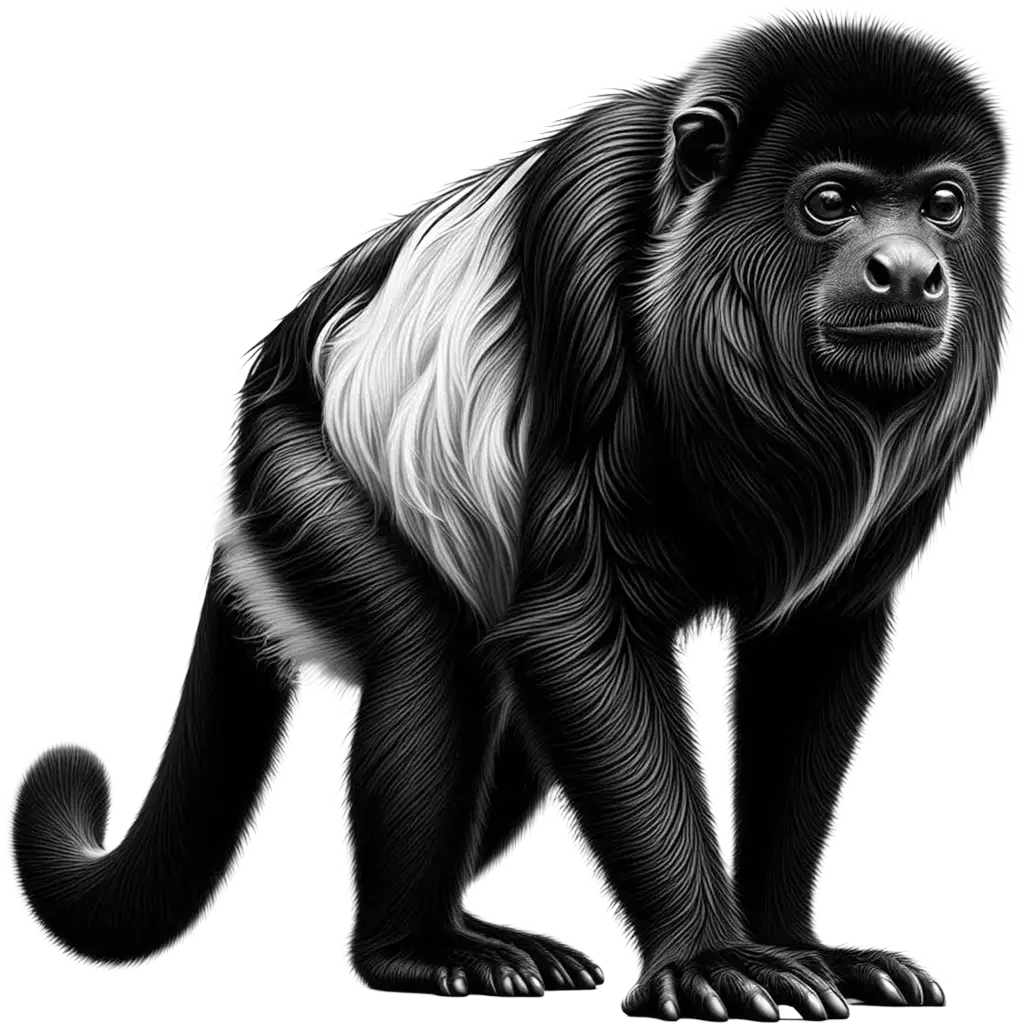
The Brown Howler, alouatta guariba, is a robust primate characterized by its thick brown fur, which can vary in shade from light brown to almost black. This species is notable for its large throat sac, used to amplify their distinctive howling calls, which can be heard up to several kilometers

The Newfoundland Dog, known for its remarkable size, strength, and gentle disposition, is a breed that originates from the Canadian island of Newfoundland. Males typically weigh between 130 to 150 pounds, with some reaching up to 200 pounds or more, and stand 28 inches tall at the shoulder. Females are

The Miniature Pinscher, often referred to as the 'Min Pin', is a small breed of dog known for its spirited and fearless personality. With a sleek, short coat that comes in colors such as red, stag-red, black, and chocolate, this breed is both elegant and athletic. Adult Miniature Pinschers stand