
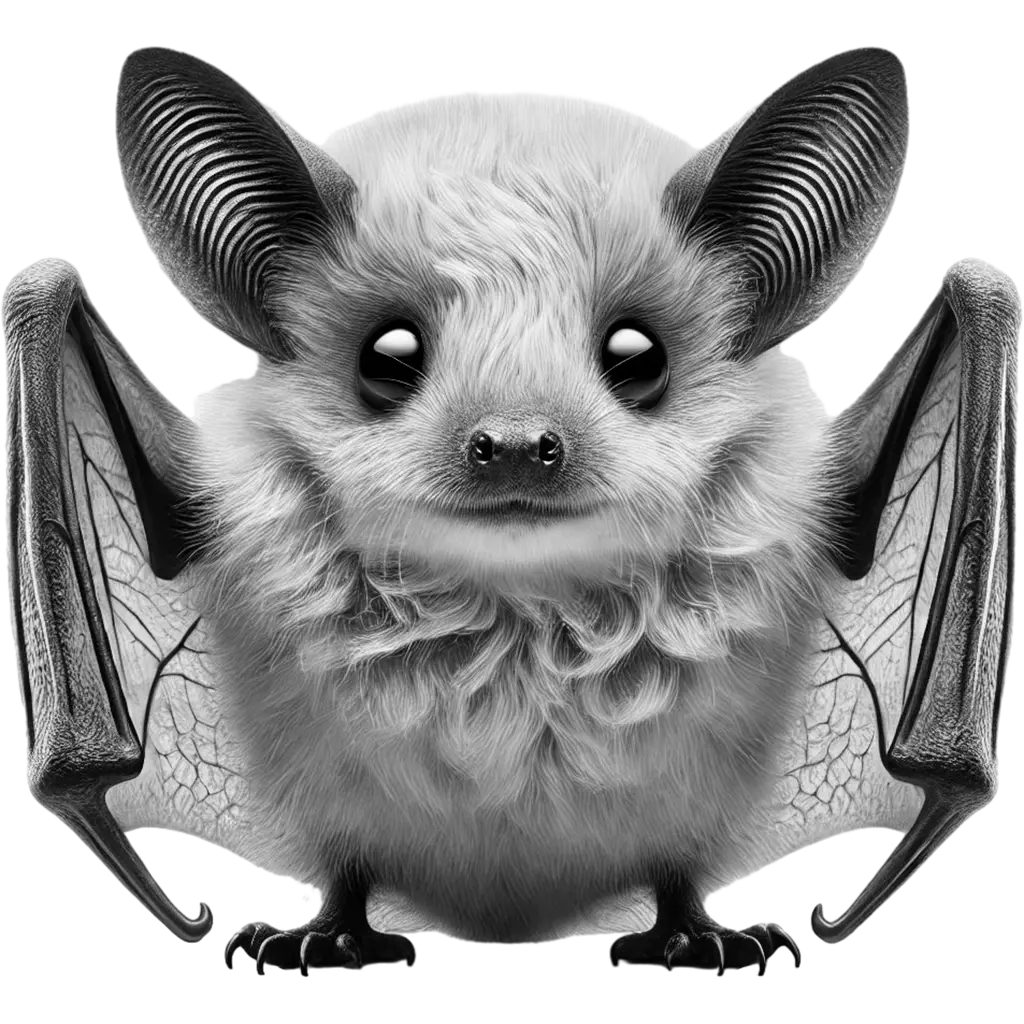
Myotis Levis
Yellowish Myotis
Tropical and subtropical forests in South America
The Yellowish Myotis is a small, delicate bat with a slender body covered in soft fur that carries a subtle yellowish tint over a dark gray base. Its long, delicate wings and large, expressive ears enable it to navigate the night sky with grace and precision. A compact, pointed snout and agile frame complete its distinctive, elegant appearance, making it a fascinating nocturnal insect hunter.
| Population: | Widespread in South America's forests, stable in protected areas, but threatened by habitat loss |
| Generation Length: | Approximately 1-2 years |
| Average Weight: | Approximately 7-10 grams |
| Average Length: | Approximately 7-9 cm (body length) |
| Lifespan: | Approximately 4-8 years in the wild; up to 10 years in captivity |
| Diet: | Insectivorous |
| Conservation Status: | Least Concern (LC) |
Active during the night, the Yellowish Myotis emerges from its roosts in caves or tree hollows to forage among tropical forest canopies. Its agile, erratic flight allows it to dart swiftly between trees and across open spaces in search of prey. Living in small colonies, these bats rely on sophisticated echolocation calls to communicate and coordinate their movements, ensuring efficient foraging and predator avoidance. Their nocturnal lifestyle is characterized by a constant search for insects, and they often return to the same roosts night after night, fostering strong social bonds within their groups.
The diet of the Yellowish Myotis is primarily insectivorous, consisting of a diverse array of nocturnal insects such as moths, beetles, and mosquitoes. It uses echolocation to pinpoint each target with remarkable accuracy, launching rapid, precise strikes to capture prey mid-flight. This high-protein diet is vital for maintaining the bat's high energy levels and supports its agile, sustained flight. Occasional supplementation with other small invertebrates ensures a well-rounded nutritional intake that bolsters its overall health and resilience, while also playing a crucial role in controlling insect populations within its ecosystem.
During the breeding season, Yellowish Myotis engage in brief, promiscuous mating encounters characterized by soft vocalizations and subtle body contact. Females typically give birth to a single pup after a gestation period of 40-60 days, nurturing the young in the safety of their communal roosts until it is ready to embark on independent flights.
The Yellowish Myotis maintains stable populations across its native range in South America, although local numbers may vary due to habitat loss and environmental disturbances. Continuous monitoring and conservation efforts are essential to protect its roosting sites and foraging areas, ensuring that this agile, nocturnal insect hunter continues to thrive in its natural environment.
Classifications
The Key Attributes
Features
- Movement:
Yellowish Myotis are agile fliers, using rapid, erratic bursts to evade predators and capture prey.
- Territorial Behavior:
Generally non-territorial; they often roost in small colonies within caves or tree hollows and disperse locally when foraging at night.
- Speed:
Capable of quick, nimble maneuvers during foraging and evasive actions when threatened.
- Diet:
Primarily insectivorous, feeding on a diverse array of flying insects such as moths, beetles, and mosquitoes. This high-protein diet supports their high-energy nocturnal lifestyle.
- Physical Features:
- Small, slender body with soft, fine fur that carries a subtle yellowish tint over a dark gray base
- Long, delicate wings with a lightweight membrane ideal for agile flight
- Large, expressive ears and a compact, pointed snout that aid in echolocation
- A graceful, diminutive frame that is perfectly adapted to nocturnal foraging
- Primary Senses:
- Echolocation
- Hearing
- Sight
Understanding Habitat and Range
Geography
- Habitat:
Tropical and subtropical forests in South America
- Migration Patterns:
Non-migratory; individuals make local, seasonal movements in response to food availability and roosting conditions.
- Geographical Range:
Found across parts of the Amazon Basin and other forested regions in South America.
- Climate Preferences:
Prefers warm, humid climates with abundant insect populations and suitable roosting sites.
Navigating the Wilderness
In the wild
- Predators:
Potential predators include owls, larger bats, and small carnivorous mammals, particularly preying on juveniles.
- Prey:
Feeds primarily on moths, beetles, mosquitoes, and other small nocturnal insects.
- Feeding Behavior:
Forages at night using echolocation to detect and capture small, flying insects. It employs rapid, unpredictable flight patterns to seize prey in mid-air.
- Diet:
Insectivorous
- Defensive Mechanisms:
- Rapid, erratic flight to avoid predators
- Roosting in concealed, dark shelters to reduce detection
- Preferred Food Sources:
- Flying insects active at dusk and throughout the night
Insights Into Reproduction
Mating
- Mating System:
Promiscuous; during the breeding season, individuals engage in brief, random mating encounters.
- Number of Offspring:
Typically one offspring is produced per breeding cycle.
- Incubation Period:
Females give birth to a single pup after a gestation period of approximately 40-60 days.
- Parental Involvement:
- Females provide all parental care, nursing and protecting the pup until it is capable of independent flight and foraging.
Youngsters Section
Yellowish Myotis
Fun Fact
The yellowish myotis is a small, agile bat with soft fur that has a slight yellowish tint, making it blend in with its surroundings.
This bat is excellent at catching insects in mid-air, using its sharp senses to hunt at night. With its tiny size and quick, flitting movements, the yellowish myotis is a skilled flyer, helping to keep insect populations in check. It's a fascinating little creature, perfectly adapted to its nocturnal lifestyle!

Download word search puzzles
Word Search Puzzles


Check Out Other Mammals
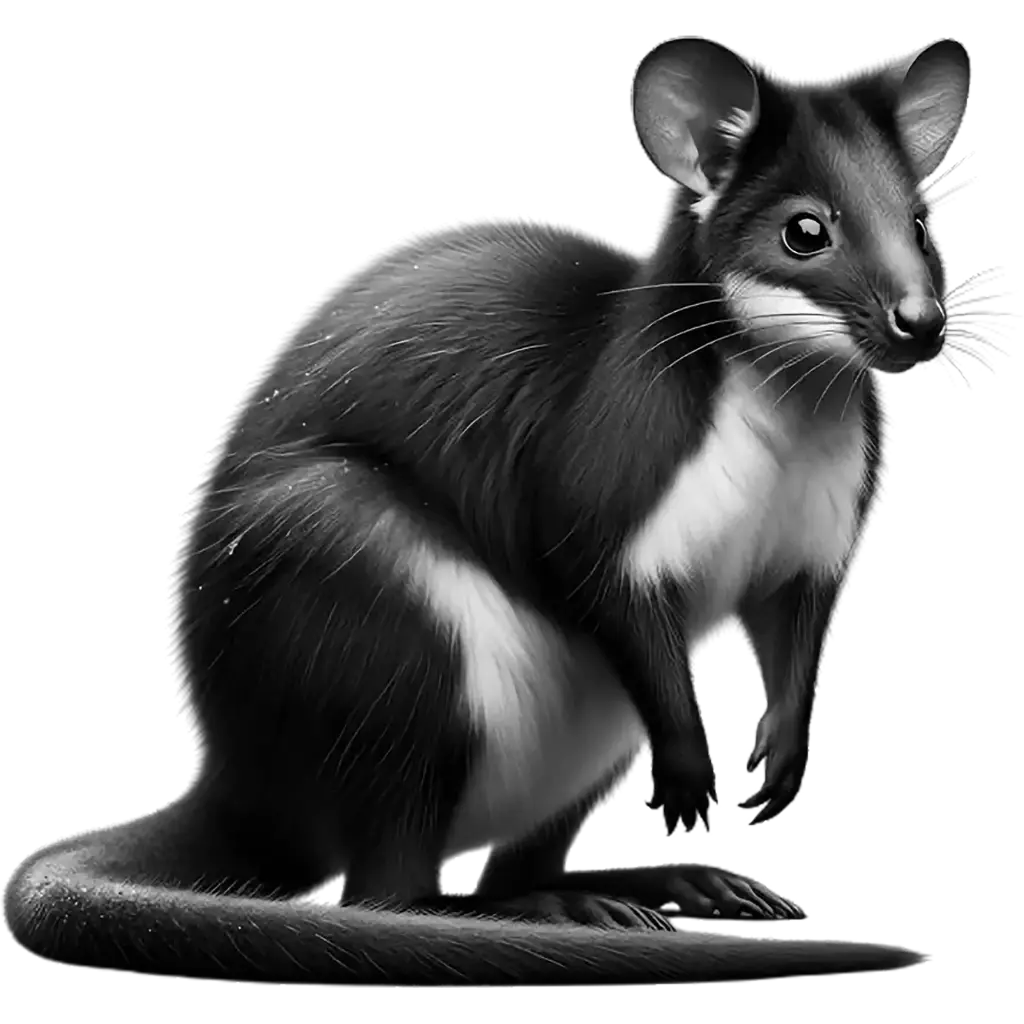
The Musky Rat-Kangaroo, hypsiprymnodon moschatus, is a unique and diminutive marsupial, residing in the dense, wet tropical rainforests of northeastern Queensland, Australia. This species stands out as the smallest and most primitive of the kangaroo family, with adults measuring about 23 to 34 cm in length, including the tail, and

The Domestic Pig, sus domesticus, is a subspecies of the wild boar and a prominent figure in agricultural and culinary contexts worldwide. Adult pigs vary widely in size and weight, typically ranging from 50 to 350 kg, depending on the breed and conditions in which they are raised. Their bodies
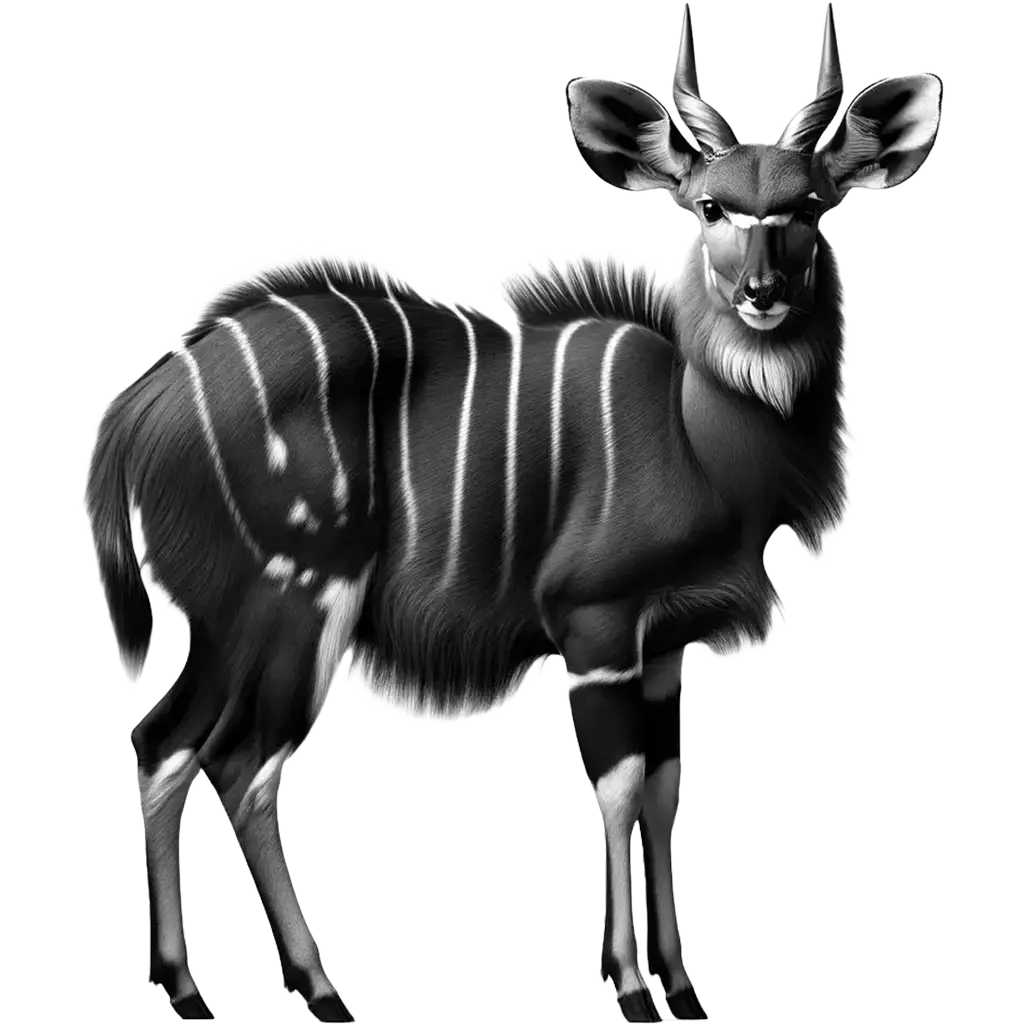
The Nyala, tragelaphus angasii, is a graceful and medium-sized antelope native to the southern regions of Africa. Characterized by its striking sexual dimorphism, males and females exhibit significantly different appearances. Males are larger, with a dark grey-brown coat adorned with faint vertical white stripes and a long, shaggy mane on
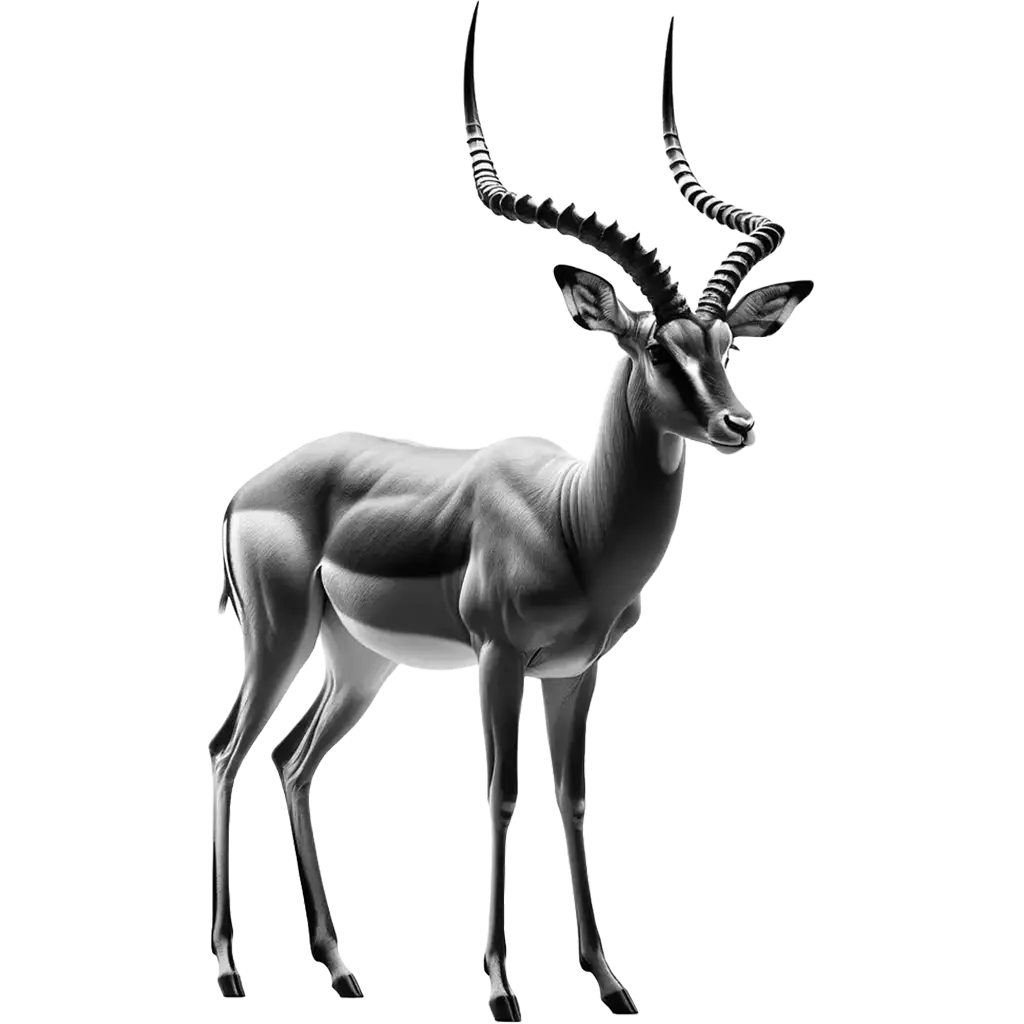
The Impala, aepyceros melampus, is a graceful and agile antelope found across the savannas and woodlands of eastern and southern Africa. Characterized by its slender, athletic build, the Impala has a glossy, reddish-brown coat, with lighter flanks and a distinctive white underbelly. Males boast impressive lyre-shaped horns, which can grow