
Canis Lupus
Welsh Sheepdog
Primarily rural and farm environments
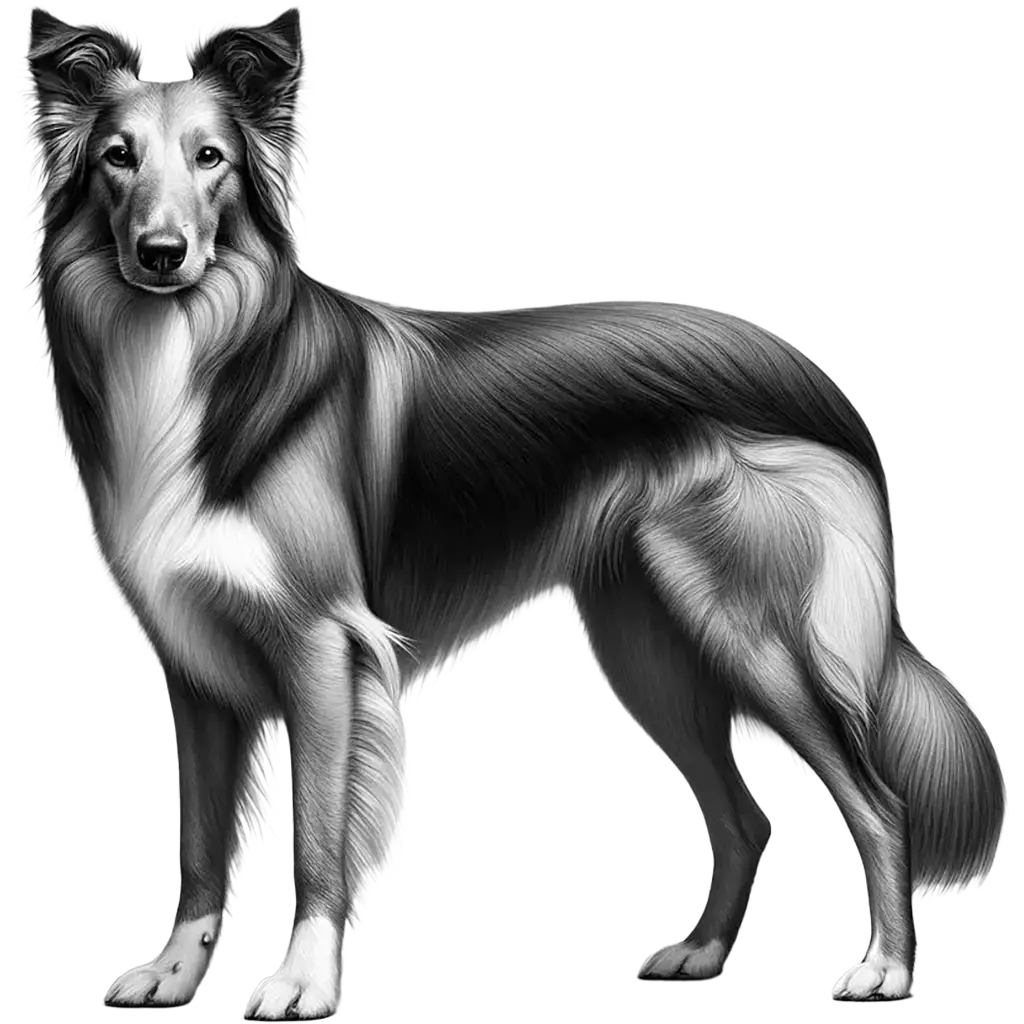
The Welsh Sheepdog, a native breed of Wales, is a highly skilled and intelligent herding dog, valued for its agility, stamina, and working ability. Traditionally bred for herding sheep and cattle, these medium-sized dogs exhibit a variety of coat colors, including black, blue merle, red, and tricolor, often with white markings. Adults typically weigh between 15 to 20 kg and stand 45 to 50 cm tall at the shoulder. Their athletic build enables them to maneuver quickly and efficiently in rugged terrain, making them indispensable on Welsh farms.
| Population: | Not officially quantified, considered relatively rare compared to more popular herding breeds |
| Generation Length: | 6 years |
| Average Weight: | 15-20 kg |
| Average Length: | Height of 45-50 cm at the shoulder |
| Lifespan: | 12-15 years |
| Diet: | Domestic diet often includes commercially prepared dog food, tailored to high-energy working dogs |
| Conservation Status: | Not Evaluated (NE) |
Welsh Sheepdogs are known for their independent working style, often working at a distance from their handlers to gather and move livestock with minimal guidance. They are versatile, capable of adapting to different types of livestock and working environments. Despite their working heritage, Welsh Sheepdogs also make loyal and affectionate family pets, provided they are given enough physical and mental exercise to keep them stimulated.
The diet of a Welsh Sheepdog should be carefully considered to match their high energy levels and nutritional needs, typically consisting of high-quality commercial dog food or a well-balanced raw diet. Regular, vigorous exercise is essential for their physical health and to prevent boredom-related behaviors.
Reproduction in Welsh Sheepdogs follows similar patterns to other dog breeds, with careful consideration given to genetics, health, and temperament when breeding. Puppies require early socialization and training, particularly if they are to be raised as working dogs, to ensure they develop the necessary skills and behaviors.
The population of Welsh Sheepdogs is relatively small but stable, with efforts by breed enthusiasts to preserve and promote the breed. Unlike some herding breeds that have seen a decline in working roles due to modern farming practices, Welsh Sheepdogs continue to be highly valued for their working abilities. Conservation of the breed focuses on maintaining its working heritage while also ensuring healthy, genetically diverse populations.
Classifications
The Key Attributes
Features
- Movement:
Running, herding
- Territorial Behavior:
Working dog, often protective of its flock or territory
- Speed:
Fast and agile, capable of quick turns and sprints
- Diet:
Carnivore
- Physical Features:
- Medium size with a strong, athletic build
- Thick, often weather-resistant coat
- Alert expression with erect or semi-erect ears
- Tail may be long or naturally bobbed
- Primary Senses:
- Sight
- Hearing
- Smell
Understanding Habitat and Range
Geography
- Habitat:
Primarily rural and farm environments
- Migration Patterns:
Non-migratory, typically remains within its working farm or property
- Geographical Range:
Originated in Wales, United Kingdom; mostly remains in the region with some presence in other areas due to breeding and work requirements
- Climate Preferences:
Adaptable to various climates, often found in temperate regions
Navigating the Wilderness
In the wild
- Predators:
Not applicable in domestic settings
- Prey:
Not applicable
- Feeding Behavior:
Primarily fed a controlled diet by owners, usually consisting of commercial dog food and possibly supplements for working dogs
- Diet:
Domestic diet often includes commercially prepared dog food, tailored to high-energy working dogs
- Defensive Mechanisms:
- Barking and herding behavior to protect livestock
- Agility and speed for evasion and control in working environments
- Preferred Food Sources:
- Provided by human caretakers, adjusted for nutritional needs
Insights Into Reproduction
Mating
- Mating System:
Breeding managed by humans, often selecting for herding ability and temperament
- Number of Offspring:
4-6 puppies on average
- Gestation Period:
Approximately 63 days
- Parental Involvement:
- Care is primarily managed by human breeders; mothers nurse and care for puppies until weaned
Youngsters Section
Welsh Sheepdog
Fun Fact
Welsh Sheepdogs are renowned for their intelligence and versatility in herding livestock.
These agile dogs are not recognized by major kennel clubs, emphasizing their working abilities over physical traits. They adapt well to various terrains and are known for their stamina and loyalty. Their herding style is more free and less regimented compared to other herding breeds.

Download word search puzzles
Word Search Puzzles


Check Out Other Mammals

The Sea Otter is a marine mammal known for its dense fur, which is the thickest of any animal, with up to a million hairs per square inch. This fur provides essential insulation, as they lack blubber like other marine mammals. They are highly adapted to aquatic life, with webbed

The Barbary Macaque, Macaca sylvanus, also known as the Barbary Ape despite being a true monkey, holds the distinction of being the only primate aside from humans to live freely in Europe, particularly in the British Overseas Territory of Gibraltar, as well as in fragmented forested areas in the Atlas

The Sunda Stink Badger, mydaus javanensis, also known as the Javan Stink Badger or Teledu, is a small, skunk-like mammal endemic to the islands of Java, Sumatra, and Borneo in Indonesia and Malaysia. This creature is characterized by its stocky body, short legs, and a distinctive white stripe that runs

The Common Marmoset, callithrix jacchus, is a small, vivacious primate native to the northeastern regions of Brazil. Characterized by its diminutive size, adults typically weigh between 150 to 400 grams and measure around 18 to 28 centimeters in body length, with a tail that can extend up to 25 to