
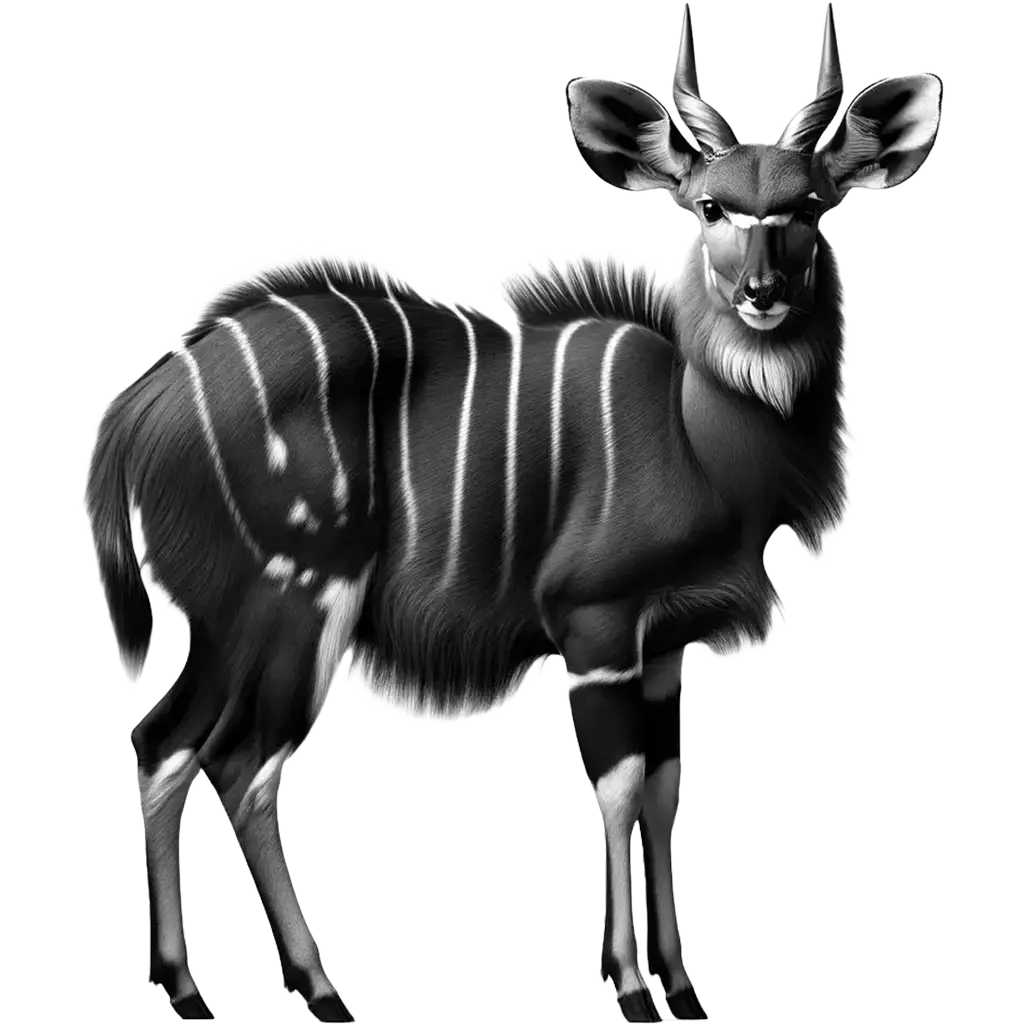
Tragelaphus Angasii
Nyala
Woodland, thickets, and dense bush in savanna regions
The Nyala, tragelaphus angasii, is a graceful and medium-sized antelope native to the southern regions of Africa. Characterized by its striking sexual dimorphism, males and females exhibit significantly different appearances. Males are larger, with a dark grey-brown coat adorned with faint vertical white stripes and a long, shaggy mane on the underside of their body to the back of their knees. They also possess impressive spiral horns, which can grow up to 83 cm (33 inches) in length. Females, on the other hand, are much smaller and have a reddish-brown coat with more prominent white stripes and no horns.
| Population: | Listed as Least Concern, though facing pressures from habitat loss and hunting |
| Generation Length: | 5-6 years |
| Average Weight: | 55-140 kg, males are significantly larger than females |
| Average Length: | Height at the shoulder: 90-110 cm |
| Lifespan: | 15-20 years in the wild |
| Diet: | Primarily browsers with a varied diet depending on seasonal availability |
| Conservation Status: | Least Concern (LC) |
Nyalas are primarily found in dense bush and forested areas near water sources, where they feed on a variety of foliage, including leaves, grass, and fruits. This preference for dense vegetation provides them with both food and protection from predators. They are both diurnal and nocturnal, adapting their activity patterns to the environmental conditions and threat levels.
The diet of the Nyala consists mainly of leaves and shoots from a variety of plants, supplemented by fruits and flowers when available. This varied diet helps them to survive in environments with changing seasonal resources. Nyalas are known for their selective feeding behavior, choosing high-quality and nutritious food items.
Reproduction in Nyalas occurs throughout the year, with a peak in mating activities linked to the local rainy season when food resources are most abundant. After a gestation period of about 7 months, females give birth to a single calf, which is hidden in dense vegetation for the first few weeks of its life. This strategy helps protect the vulnerable young from predators.
The population of the Nyala is currently stable in protected areas but faces threats from habitat loss and poaching outside these regions. Their preference for dense vegetation near water sources makes them particularly vulnerable to the effects of habitat fragmentation and human encroachment on their natural habitats. Conservation efforts for the Nyala include habitat preservation, anti-poaching measures, and the establishment of protected areas and wildlife corridors to ensure their survival. The Nyala's beauty and the role it plays in the ecosystem as a browser make it a key species for biodiversity conservation in southern Africa.
Classifications
The Key Attributes
Features
- Movement:
Walking, running
- Territorial Behavior:
Males are territorial during the breeding season
- Speed:
Capable of quick bursts of speed when threatened
- Diet:
Herbivore
- Physical Features:
- Males have long, spiraled horns and a shaggy mane on the neck and underbelly
- Females lack horns and have a more reddish-brown coat
- Both sexes have white vertical stripes on the body
- Dense and bushy tail
- Primary Senses:
- Sight
- Hearing
- Smell
Understanding Habitat and Range
Geography
- Habitat:
Woodland, thickets, and dense bush in savanna regions
- Migration Patterns:
Non-migratory, but may move locally due to environmental pressures
- Geographical Range:
Southern Africa, particularly in South Africa, Eswatini, Zimbabwe, and Mozambique
- Climate Preferences:
Prefers areas with adequate cover and access to water, tolerates a range of climates
Navigating the Wilderness
In the wild
- Predators:
Lions, leopards, and hyenas
- Prey:
Not applicable
- Feeding Behavior:
Browses on leaves, twigs, fruits, and occasionally grazes on grass
- Diet:
Primarily browsers with a varied diet depending on seasonal availability
- Defensive Mechanisms:
- Camouflage in dense vegetation
- Fleet-footedness to escape predators
- Males use horns in defense against predators and rivals
- Preferred Food Sources:
- Diverse habitats with rich undergrowth and access to water sources
Insights Into Reproduction
Mating
- Mating System:
Polygynous
- Number of Offspring:
Usually one calf
- Gestation Period:
7 months
- Parental Involvement:
- Females are solely responsible for raising the young, hiding them in dense cover for the first few weeks
Youngsters Section
Nyala
Fun Fact
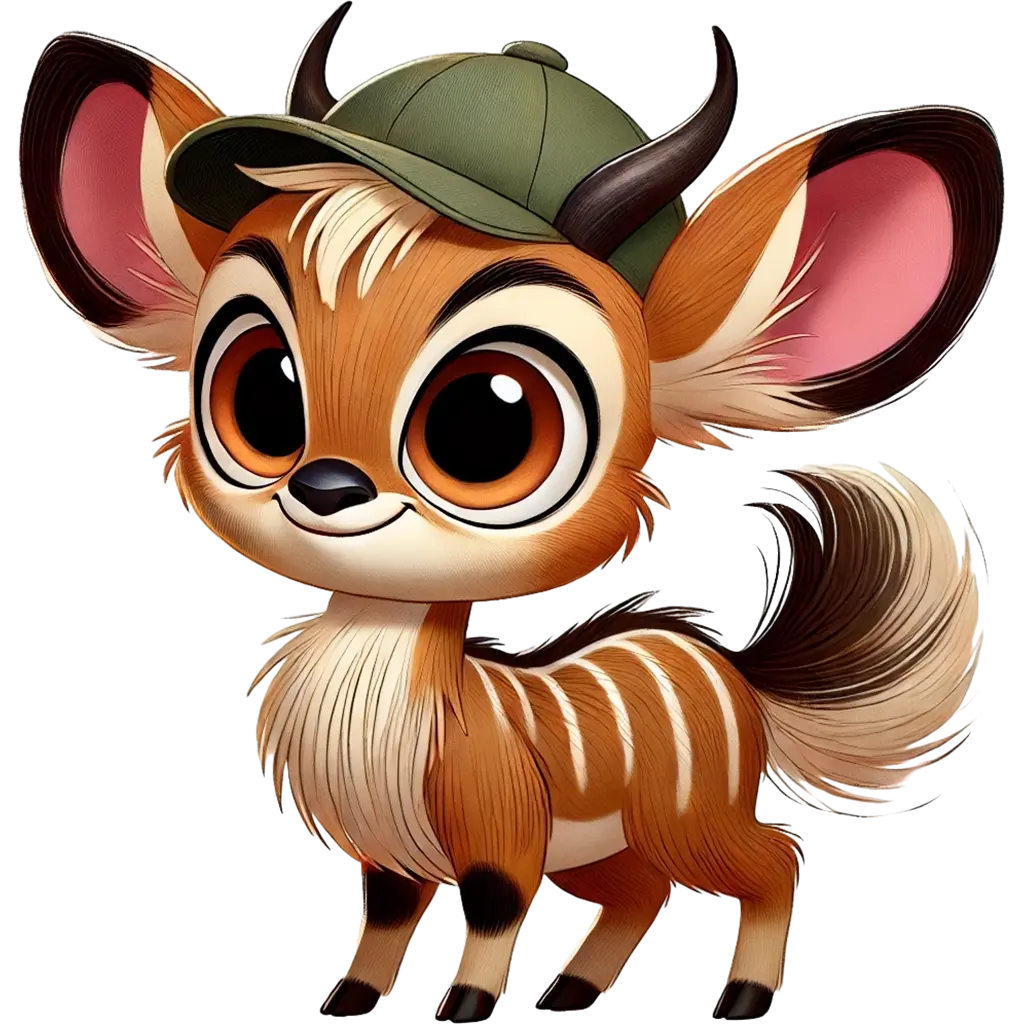
Nyala have striking spiral horns and beautiful body markings. They are native to Southern Africa.
These antelopes prefer dense, bushy habitats near water sources. Males and females have different appearances, with males being larger and having darker, shaggy coats. Nyalas are browsers, feeding on foliage, fruits, and twigs. They play a crucial role in their ecosystem, supporting biodiversity.

Download word search puzzles
Word Search Puzzles

Check Out Other Mammals
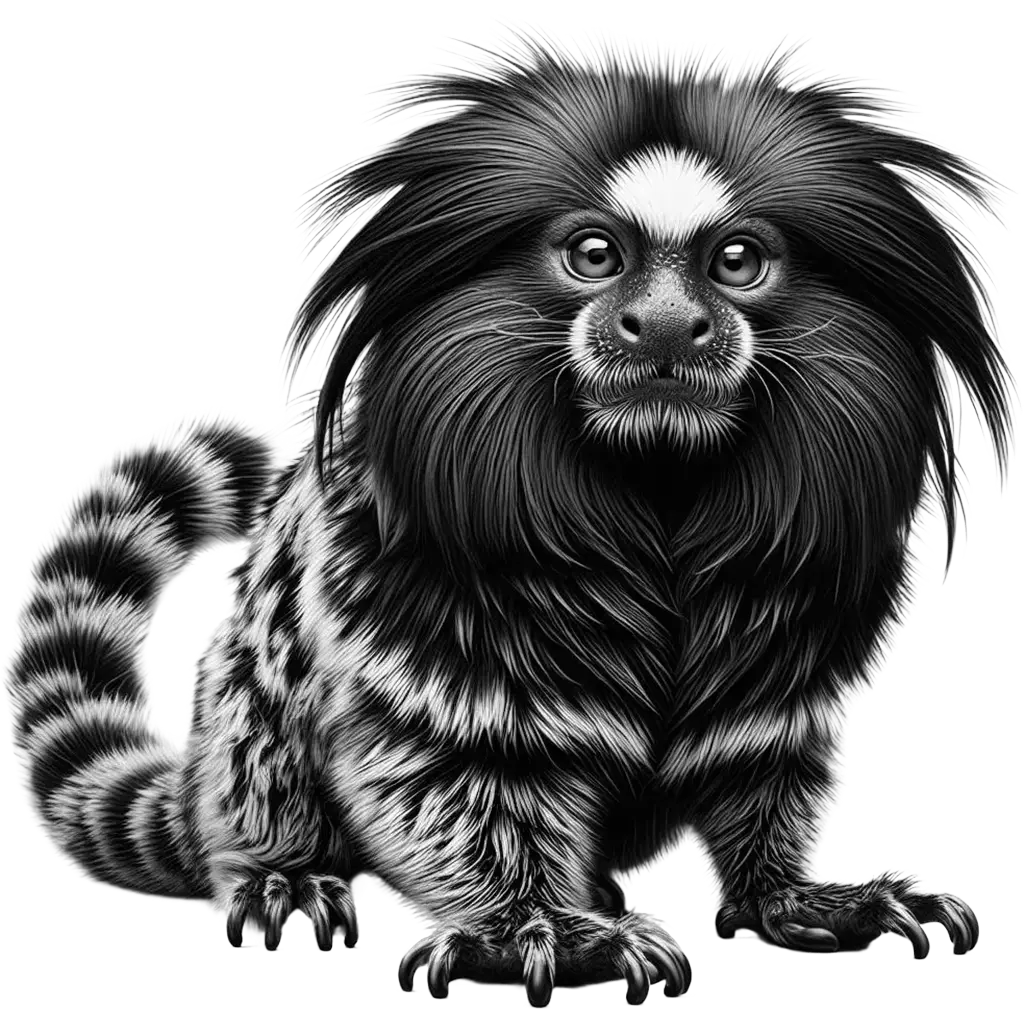
The Common Marmoset, callithrix jacchus, is a small, vivacious primate native to the northeastern regions of Brazil. Characterized by its diminutive size, adults typically weigh between 150 to 400 grams and measure around 18 to 28 centimeters in body length, with a tail that can extend up to 25 to

The Golden Jackal, canis aureus, is a highly adaptable and versatile canid species native to North and East Africa, Southeastern Europe, and South Asia, extending through the Middle East to Southeast Asia. Characterized by its golden, yellowish-brown fur, the Golden Jackal is of medium size, typically weighing between 7 to
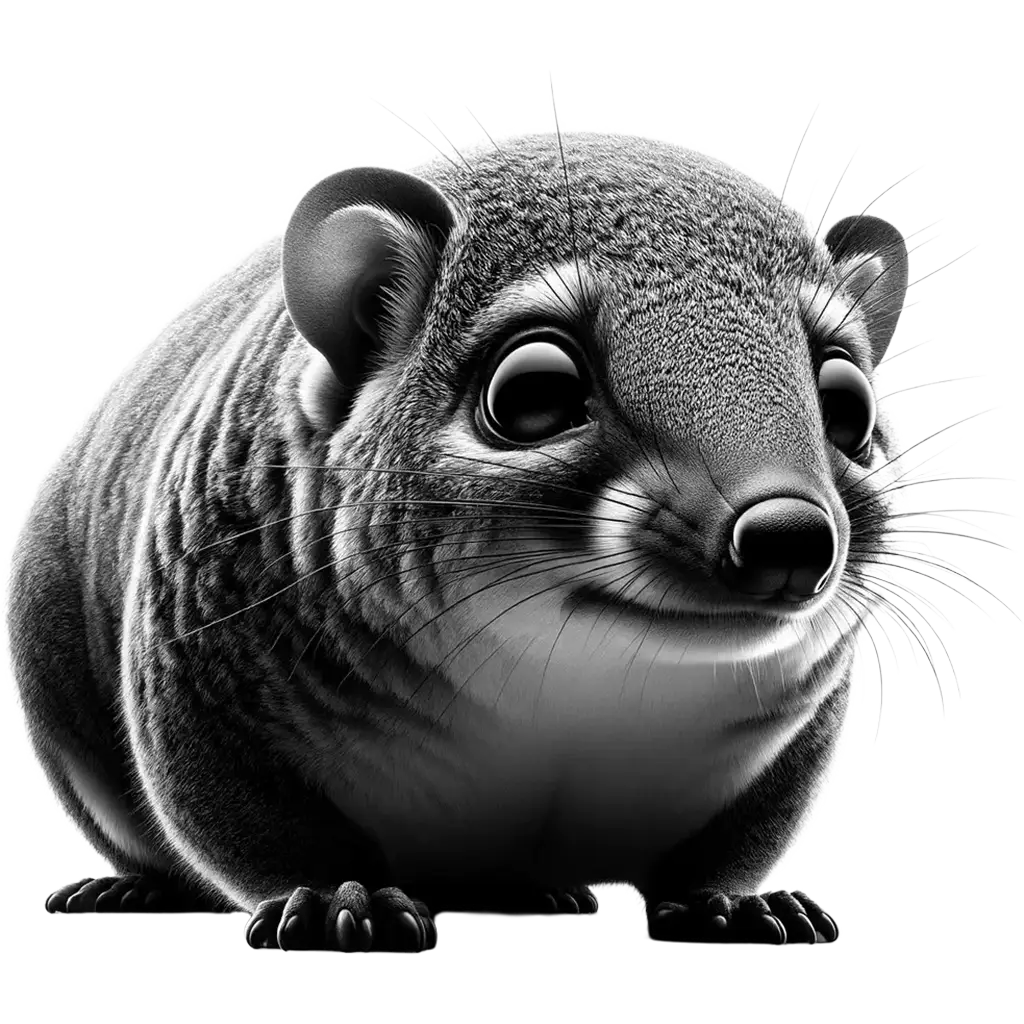
The Common Treeshrew, tupaia glis, is a small mammal native to the dense tropical forests of Southeast Asia, including Thailand, Malaysia, and Indonesia. Resembling a squirrel in appearance, the Common Treeshrew has a slender body, measuring about 16 to 21 cm in length with a tail nearly as long, and
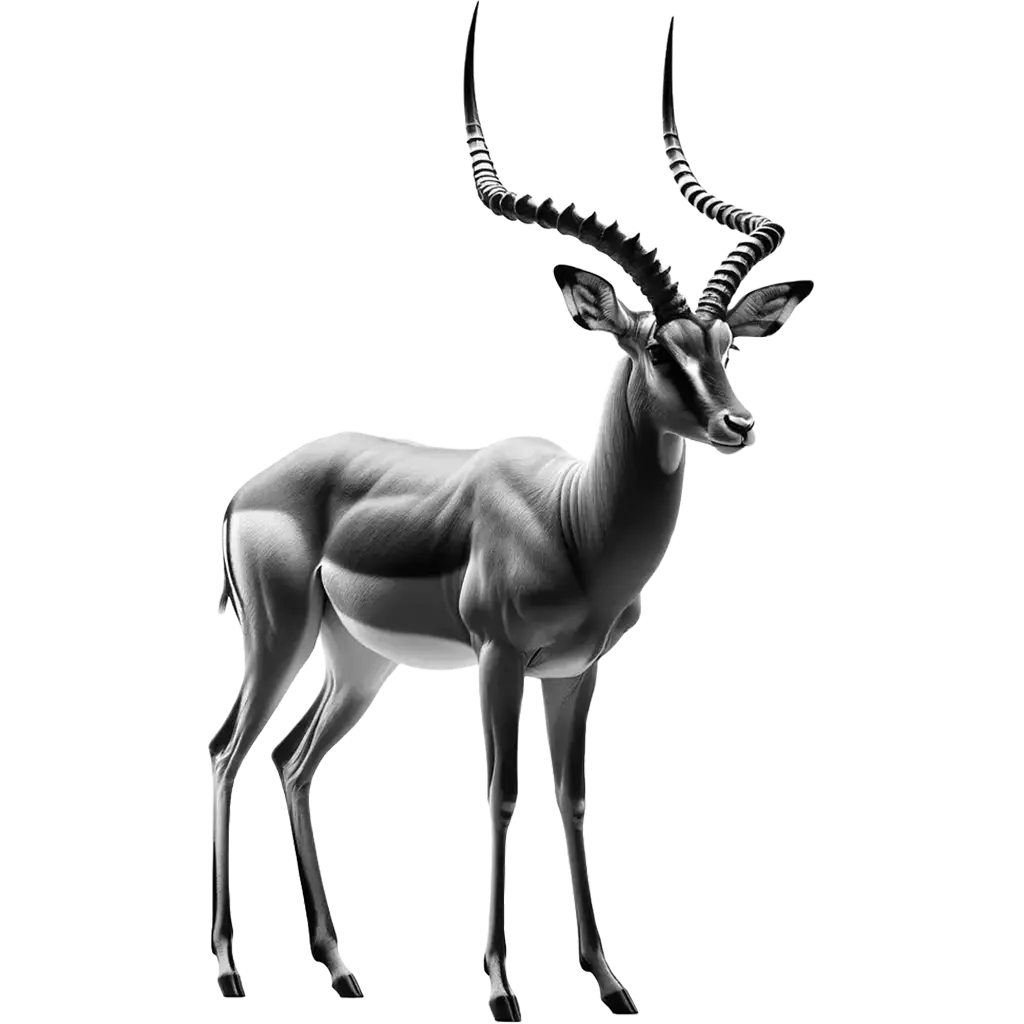
The Impala, aepyceros melampus, is a graceful and agile antelope found across the savannas and woodlands of eastern and southern Africa. Characterized by its slender, athletic build, the Impala has a glossy, reddish-brown coat, with lighter flanks and a distinctive white underbelly. Males boast impressive lyre-shaped horns, which can grow