

Bandicota Bengalensis
Lesser Bandicoot Rat
Agricultural lands, grasslands, and urban areas
The Lesser Bandicoot Rat, bandicota bengalensis, is a robust and adaptable species of rodent, widespread across South and Southeast Asia. This species is characterized by its large size for a rat, with adults typically reaching body lengths of 25 to 29 cm, not including the tail, which adds an additional 20 to 25 cm. Their fur is coarse and dark brown to black on the upper parts, with a lighter underbelly, and they possess a distinctively long, bicolored tail. The Lesser Bandicoot Rat's strong limbs and sharp claws are well-suited for digging extensive burrow systems, which they use for shelter and to store food.
| Population: | Not specifically quantified but considered common in its range |
| Generation Length: | 1 year |
| Average Weight: | 150-300 grams |
| Average Length: | 25-30 cm including the tail |
| Lifespan: | 2-3 years in the wild |
| Diet: | Varied diet including plant material and small animals |
| Conservation Status: | Least Concern (LC) |
Primarily nocturnal, the Lesser Bandicoot Rat is known for its remarkable adaptability, thriving in a variety of habitats including agricultural fields, grasslands, and urban areas. This species plays a significant role in the ecosystem as both a prey item for larger predators and a seed disperser, although it is often considered a pest in agricultural and urban settings due to its tendency to raid crops and stored grains.
The diet of the Lesser Bandicoot Rat is omnivorous, consisting of grains, seeds, fruits, roots, and invertebrates. This varied diet allows them to exploit a range of food sources, contributing to their success in diverse environments. Their feeding habits, however, can lead to significant agricultural losses, making them a target for control measures in farming communities.
Reproduction in the Lesser Bandicoot Rat can occur throughout the year, with females capable of producing multiple litters annually. Each litter typically consists of 5 to 10 offspring, which develop rapidly and can reproduce within a few months of birth. This high reproductive rate contributes to their ability to quickly colonize and dominate a variety of ecological niches.
The population of the Lesser Bandicoot Rat is considered stable and is not currently at risk of extinction. However, their status as a common pest results in ongoing conflict with human interests, leading to extensive control efforts. Despite this, their resilience and reproductive capacity ensure their persistence in both natural and human-altered landscapes. Conservation efforts are generally focused on mitigating their impact on agriculture and public health, rather than on the species' preservation.
Classifications
The Key Attributes
Features
- Movement:
Running, burrowing
- Territorial Behavior:
Territorial, especially during breeding season
- Speed:
Quick, agile movements
- Diet:
Omnivore
- Physical Features:
- Robust body with a short tail
- Coarse brown fur, often darker on the upper parts
- Large incisors for gnawing
- Well-developed limbs for digging
- Primary Senses:
- Hearing
- Smell
- Touch
Understanding Habitat and Range
Geography
- Habitat:
Agricultural lands, grasslands, and urban areas
- Migration Patterns:
Non-migratory
- Geographical Range:
South Asia, particularly in India, Bangladesh, and Sri Lanka
- Climate Preferences:
Prefers warm, tropical climates
Navigating the Wilderness
In the wild
- Predators:
Snakes, birds of prey, and carnivorous mammals
- Prey:
Grains, seeds, fruits, and small invertebrates
- Feeding Behavior:
Feeds on grains, seeds, fruits, roots, and invertebrates
- Diet:
Varied diet including plant material and small animals
- Defensive Mechanisms:
- Burrowing to escape predators
- Nocturnal habits to reduce risk of predation
- Preferred Food Sources:
- Areas with abundant food resources, particularly in cultivated lands and storages
Insights Into Reproduction
Mating
- Mating System:
Polygynous
- Number of Offspring:
5-10 offspring per litter
- Gestation Period:
About 21 days
- Parental Involvement:
- Females primarily care for the young in the nest
Youngsters Section
Lesser Bandicoot Rat
Fun Fact
The Lesser Bandicoot Rat is known for its burrowing habits and is commonly found in urban areas.
These rats are proficient diggers, creating extensive burrow systems that can damage fields and gardens. Predominantly nocturnal, they venture out at night to forage for food, often raiding crops and stored grains. Despite being a pest, they play a role in the ecosystem by aerating soil and controlling insect populations through their diet.

Download word search puzzles
Word Search Puzzles


Check Out Other Mammals
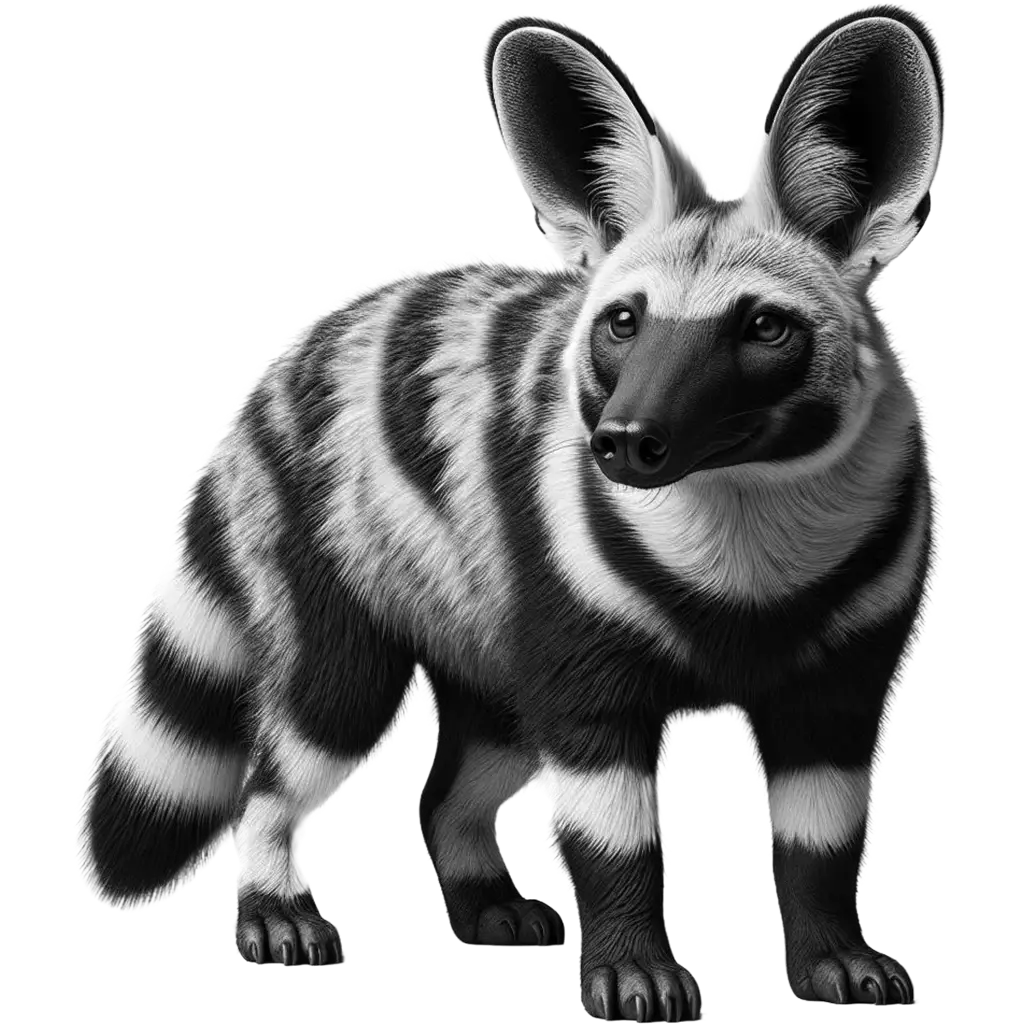
The Aardwolf, proteles cristatus, is a small, insectivorous mammal, distinct from its larger carnivorous relatives in the Hyaenidae family, such as hyenas. With a shoulder height of about 40 to 50 cm and weighing between 8 to 14 kg, the Aardwolf possesses a slender frame, covered in a coarse yellow-brown

The Impala, aepyceros melampus, is a graceful and agile antelope found across the savannas and woodlands of eastern and southern Africa. Characterized by its slender, athletic build, the Impala has a glossy, reddish-brown coat, with lighter flanks and a distinctive white underbelly. Males boast impressive lyre-shaped horns, which can grow

The Common Marmoset, callithrix jacchus, is a small, vivacious primate native to the northeastern regions of Brazil. Characterized by its diminutive size, adults typically weigh between 150 to 400 grams and measure around 18 to 28 centimeters in body length, with a tail that can extend up to 25 to

The Harrier, a medium-sized breed of dog, is known for its prowess in hunting hares and foxes in packs, embodying a blend of stamina and agility. Adults typically stand between 48 to 53 centimeters (19 to 21 inches) at the shoulder and weigh between 18 to 27 kilograms (40 to