
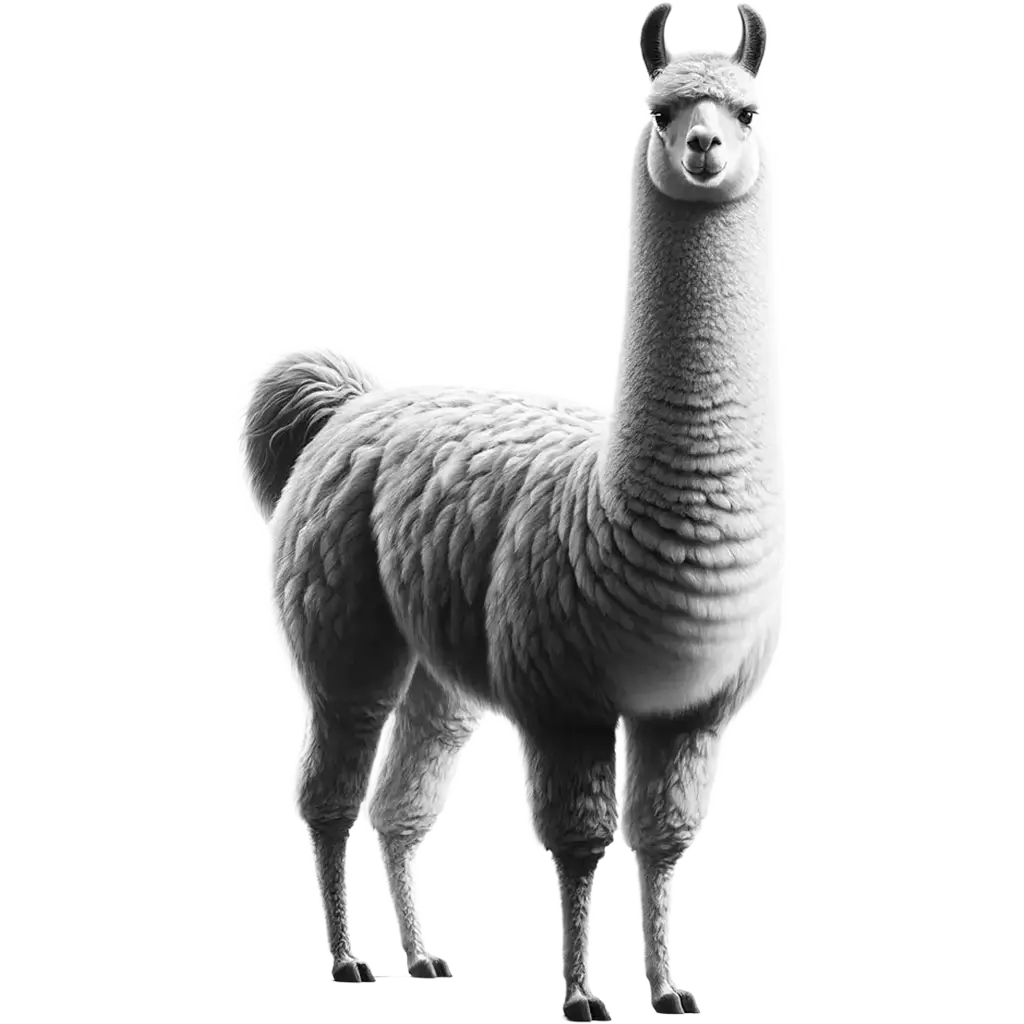
Lama Glama
Llama
Primarily kept in agricultural settings, adaptable to a wide range of environments
The Llama, lama glama, is a domesticated mammal from the camelid family, known for its long neck, large ears, and distinctive coat which can vary in color from white to black, including shades of brown and gray. Adults stand about 1.7 to 1.8 meters tall at the top of the head, weighing between 130 to 200 kg. Their thick, woolly fur is especially adapted to the cold environments of the Andes Mountains, where they originate.
| Population: | Domesticated with stable populations; not considered threatened |
| Generation Length: | 5-8 years |
| Average Weight: | 130-200 kg |
| Average Length: | Height at the shoulder: 1.7-1.8 meters |
| Lifespan: | 15-20 years, sometimes longer under good care |
| Diet: | Herbivorous diet consisting mainly of grasses, herbs, and other vegetation |
| Conservation Status: | Not Evaluated (NE) |
Llamas are highly social animals, thriving in herds where they develop complex social structures. They are known for their gentle and curious nature, although they can express displeasure by spitting. Adapted to rugged terrain and high altitudes, Llamas have been used by Andean cultures for thousands of years as pack animals, capable of carrying 25% to 30% of their body weight over long distances. Besides being effective at navigating the challenging Andean landscapes, Llamas serve as companions and protectors of sheep and goat herds, using their alertness to ward off predators.
As herbivores, Llamas primarily feed on grass, hay, and other plant materials. Their efficient digestive systems allow them to thrive on sparse vegetation available in high altitudes. Llamas require less water than most animals, making them perfectly suited to arid and mountainous environments. Their diet is supplemented with minerals and vitamins when necessary, especially when used as pack animals or raised in lower altitudes.
Llamas exhibit induced ovulation, meaning the act of mating triggers the female to release an egg for fertilization. They do not have a specific breeding season, allowing them to mate at any time of year. Gestation lasts approximately 11 months, resulting in a single cria (baby Llama), which is nursed for about six months. Llamas can live for 20 to 30 years, providing many years of companionship and utility.
The global population of Llamas is stable, with no immediate threats endangering their status. They continue to be an integral part of Andean communities, not only for their practical uses but also for cultural and economic reasons. In recent years, their popularity has grown internationally, both as pets and for their wool, which is prized for its softness and warmth.
Classifications
The Key Attributes
Features
- Movement:
Walking, running
- Territorial Behavior:
Herding behavior, with some territorial traits
- Speed:
Capable of speeds up to 56 km/h over short distances
- Diet:
Herbivore
- Physical Features:
- Long neck and legs
- Coarse outer coat with a softer undercoat
- Large, banana-shaped ears
- Distinct facial features with a long snout
- Primary Senses:
- Sight
- Hearing
- Smell
Understanding Habitat and Range
Geography
- Habitat:
Primarily kept in agricultural settings, adaptable to a wide range of environments
- Migration Patterns:
Non-migratory, but may be moved by human owners between locations
- Geographical Range:
Originally from the Andes Mountains in South America; now found worldwide due to domestication and farming
- Climate Preferences:
Adaptable, but native to cool, mountainous regions
Navigating the Wilderness
In the wild
- Predators:
Pumas and other large predators in their native habitat
- Prey:
Not applicable
- Feeding Behavior:
Grazes on a variety of plant material, including grasses, shrubs, and crops
- Diet:
Herbivorous diet consisting mainly of grasses, herbs, and other vegetation
- Defensive Mechanisms:
- Spitting as a defense mechanism
- Fleeing from threats
- Herding together for protection
- Preferred Food Sources:
- Grasslands and mountainous areas with abundant vegetation
Insights Into Reproduction
Mating
- Mating System:
Polygynous
- Number of Offspring:
Usually one offspring, called a cria
- Gestation Period:
About 11.5 months
- Parental Involvement:
- Mothers care for the crias, with weaning occurring at about 6 months
Youngsters Section
Llama
Fun Fact
Llamas are social animals and are often used as livestock guardians due to their protective nature.
They have a unique way of communicating through humming sounds. Llamas can carry about 25-30% of their body weight, making them excellent pack animals for trekking in mountainous regions. Their wool is soft and lanolin-free, suitable for people with wool allergies.

Download word search puzzles
Word Search Puzzles

Check Out Other Mammals

The Grizzly Bear, ursus arctos horribilis, is a formidable subspecies of the brown bear, residing primarily in the forests, mountains, and tundras of North America, particularly in Alaska, western Canada, and parts of the northwestern United States. Characterized by its distinctive hump on its back—a result of powerful muscles used

The Greyhound, canis lupus familiaris, is a breed of dog distinguished by its slender, elegant build and remarkable speed, making it one of the fastest dog breeds, capable of reaching speeds up to 45 miles per hour (72 kilometers per hour). This breed typically weighs between 27 to 40 kilograms

The Common dolphin, delphinus delphis, is a highly social and widely distributed species of dolphin known for its striking coloration and slender body. Adults typically range from 1.9 to 2.5 meters in length and weigh between 70 to 110 kg. They are characterized by their distinctive crisscross or hourglass color
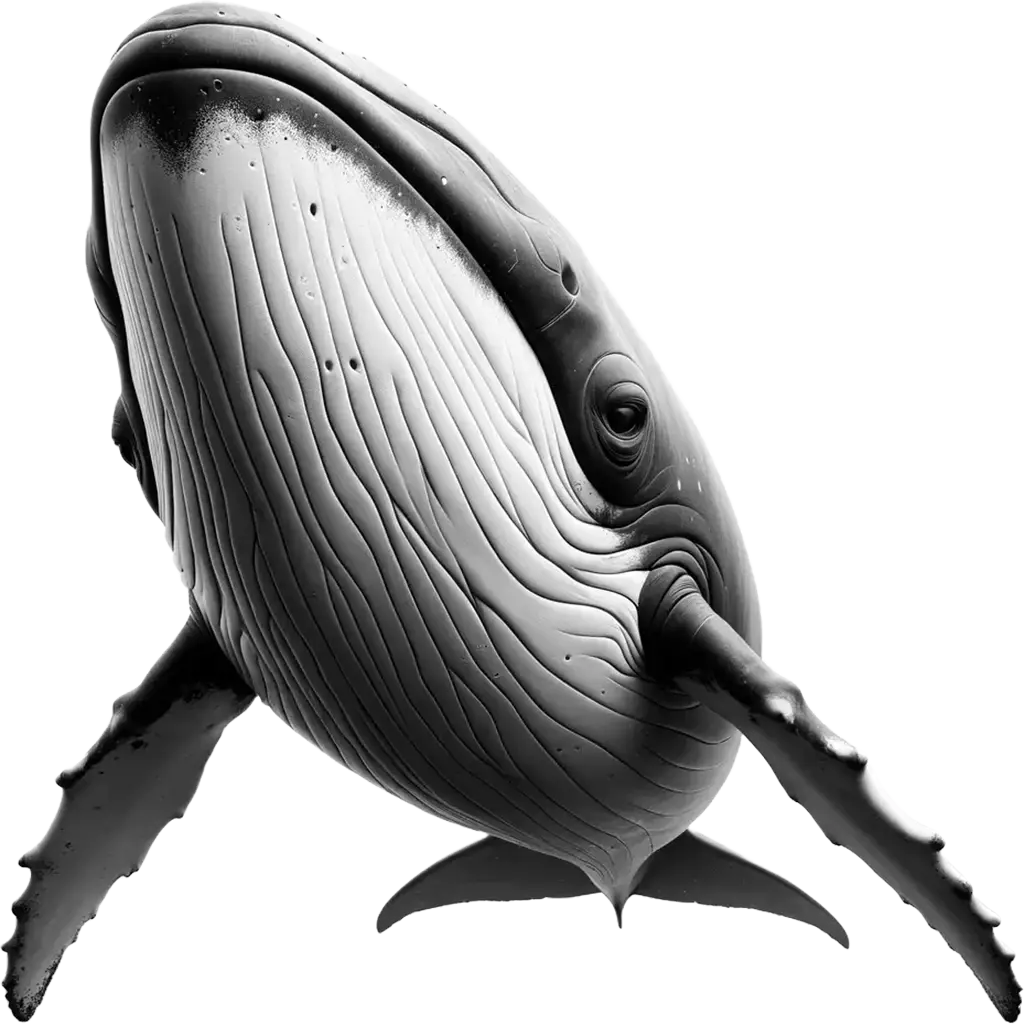
The Southern Right Whale, eubalaena australis, is a large baleen whale known for its distinctive body shape, broad back without a dorsal fin, and callosities on its head. This species can reach lengths of up to 18 meters and weigh as much as 80 tons, with females generally larger than