
Canis Lupus
Greyhound
Domestic environments; adaptable to various living situations but requires space for exercise
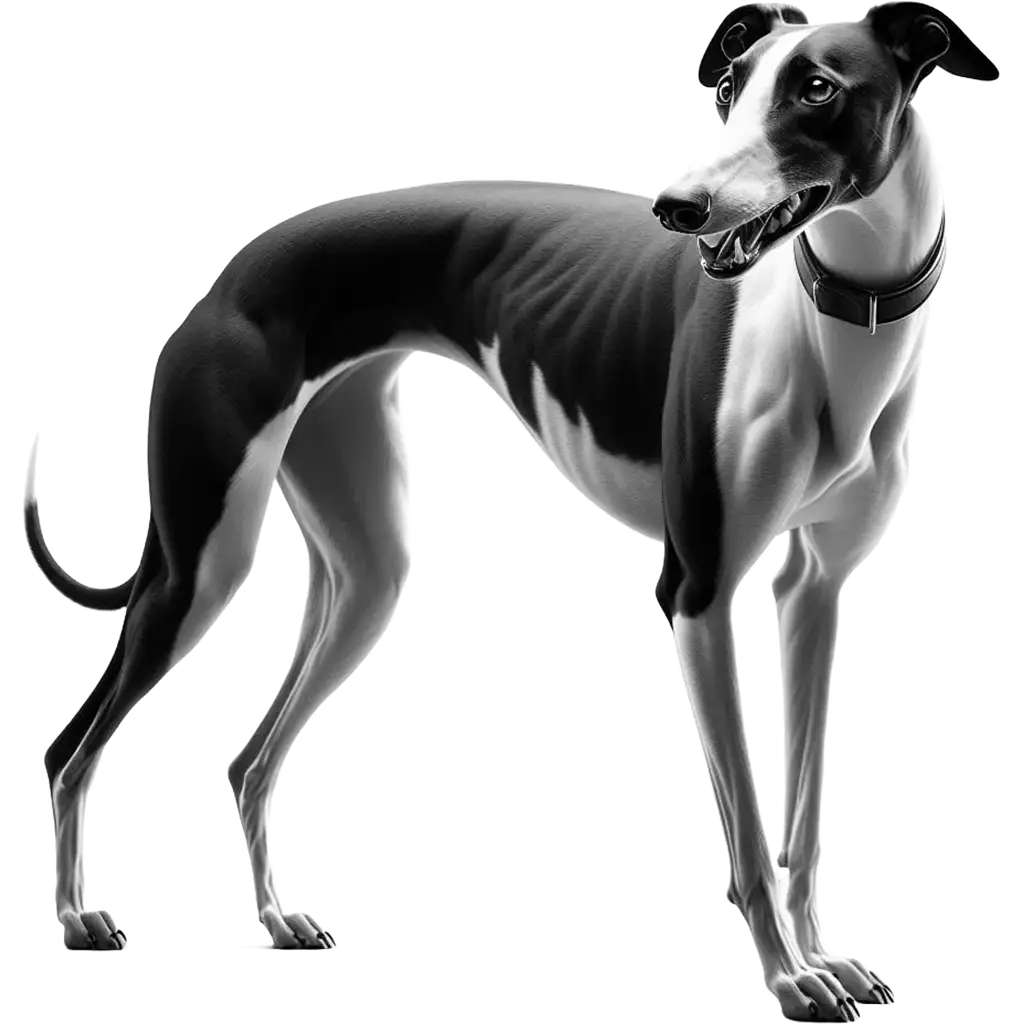
The Greyhound, canis lupus familiaris, is a breed of dog distinguished by its slender, elegant build and remarkable speed, making it one of the fastest dog breeds, capable of reaching speeds up to 45 miles per hour (72 kilometers per hour). This breed typically weighs between 27 to 40 kilograms (60 to 88 pounds) and stands 68 to 76 centimeters (27 to 30 inches) tall at the shoulder. Greyhounds possess a short, smooth coat that comes in a wide variety of colors, including black, white, red, blue, fawn, and brindle, sometimes combined in patches or as a solid hue with white markings.
| Population: | Popular breed worldwide, specific numbers not quantified |
| Generation Length: | 3-4 years |
| Average Weight: | 25-40 kg |
| Average Length: | Not typically measured; males 68-76 cm at the withers, slightly less for females |
| Lifespan: | 10-14 years |
| Diet: | Controlled by caretakers; generally includes a balance of proteins, carbohydrates, and fats |
| Conservation Status: | Not Evaluated (NE) |
Originally bred for hunting and coursing game due to their keen sight and swift running, Greyhounds have a rich history that traces back over thousands of years, depicted in ancient Egyptian, Greek, and Roman art. Today, they are celebrated for their gentle, calm demeanor, making them excellent companions and family pets. Despite their racing lineage, Greyhounds are surprisingly good indoor dogs, known for their quiet and reserved nature.
Greyhounds have adapted well to domestic life, requiring regular, moderate exercise to maintain their health and happiness. They are known for their 'sprinting' rather than 'endurance' capabilities, enjoying short bursts of high-speed running followed by relaxation. Their diet should be well-balanced, high-quality dog food appropriate for their age, size, and activity level to support their lean muscle mass and energy needs.
Reproduction in Greyhounds, as with other dog breeds, follows a biannual estrous cycle in females, with gestation lasting approximately 63 days. Litters can vary widely in size, averaging from 6 to 8 puppies. Greyhound puppies are energetic and require early socialization and training to grow into well-adjusted adults.
The Greyhound is not considered an endangered breed, but they do face specific health challenges, including sensitivity to anesthesia, a predisposition to osteosarcoma (bone cancer), and issues related to their skin and coat due to the lack of body fat. Responsible breeding practices, regular veterinary care, and appropriate lifestyle adjustments can mitigate these health concerns. Additionally, numerous rescue organizations specialize in rehoming retired racing Greyhounds, emphasizing the breed's adaptability and suitability as loving pets beyond their racing careers.
Classifications
The Key Attributes
Features
- Movement:
Quadrupedal running
- Territorial Behavior:
Varies; generally friendly but can be reserved with strangers
- Speed:
Known for their speed, capable of reaching up to 72 km/h
- Diet:
Omnivore (domesticated dog diet)
- Physical Features:
- Slim, aerodynamic build
- Long legs
- Deep chest
- Narrow waist
- Short coat
- Primary Senses:
- Sight
- Hearing
- Smell
Understanding Habitat and Range
Geography
- Habitat:
Domestic environments; adaptable to various living situations but requires space for exercise
- Migration Patterns:
Non-applicable
- Geographical Range:
Worldwide
- Climate Preferences:
Adaptable, but sensitive to extreme cold due to low body fat
Navigating the Wilderness
In the wild
- Predators:
Not applicable in domestic settings
- Prey:
Not applicable
- Feeding Behavior:
Fed by owners; diet can include commercial dog food, cooked meats, and vegetables
- Diet:
Controlled by caretakers; generally includes a balance of proteins, carbohydrates, and fats
- Defensive Mechanisms:
- Speed for escaping threats in a natural setting
- May show wariness or bark at unknown individuals or animals as a domesticated trait
- Preferred Food Sources:
- Commercial dog foods
- Meats
- Vegetables
Insights Into Reproduction
Mating
- Mating System:
Controlled breeding in domesticated settings
- Number of Offspring:
Average litter size is 6-8 puppies
- Gestation Period:
Approximately 63 days
- Parental Involvement:
- Care primarily provided by the mother with human assistance for health monitoring and feeding
Youngsters Section
Greyhound
Fun Fact
Greyhounds are one of the fastest dog breeds, capable of reaching speeds up to 45 mph.
Their slender bodies and long legs make them exceptional sprinters. Originally bred for hunting, greyhounds have keen eyesight to spot prey from afar. Despite their speed, they are known for being gentle and affectionate companions, often enjoying a relaxed lifestyle.

Download word search puzzles
Word Search Puzzles
Check Out Other Mammals
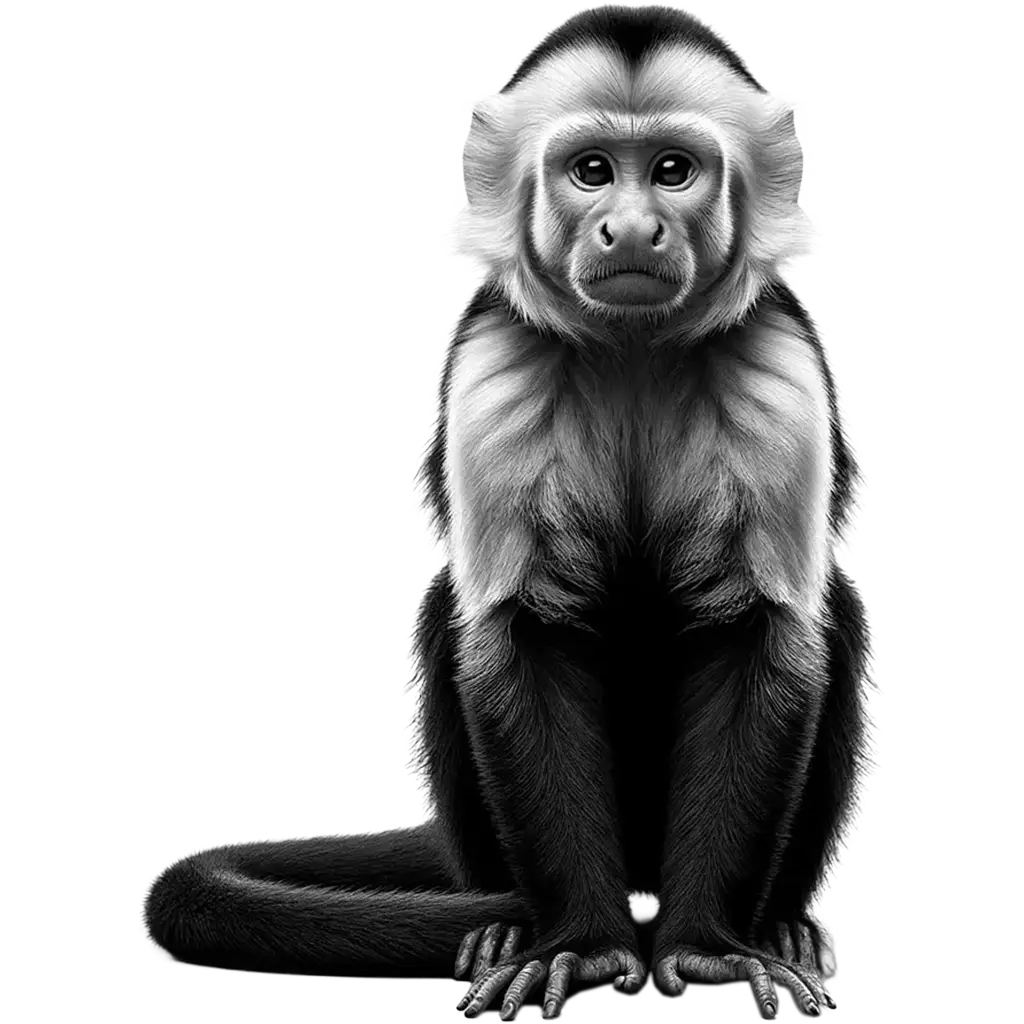
The Colombian White-Faced Capuchin, cebus capucinus, is a highly intelligent and adaptable New World monkey, recognized for its distinctive white face and dark body. Adults can weigh between 2.5 to 4 kilograms, with a body length ranging from 33 to 45 centimeters, not including their prehensile tail which is used
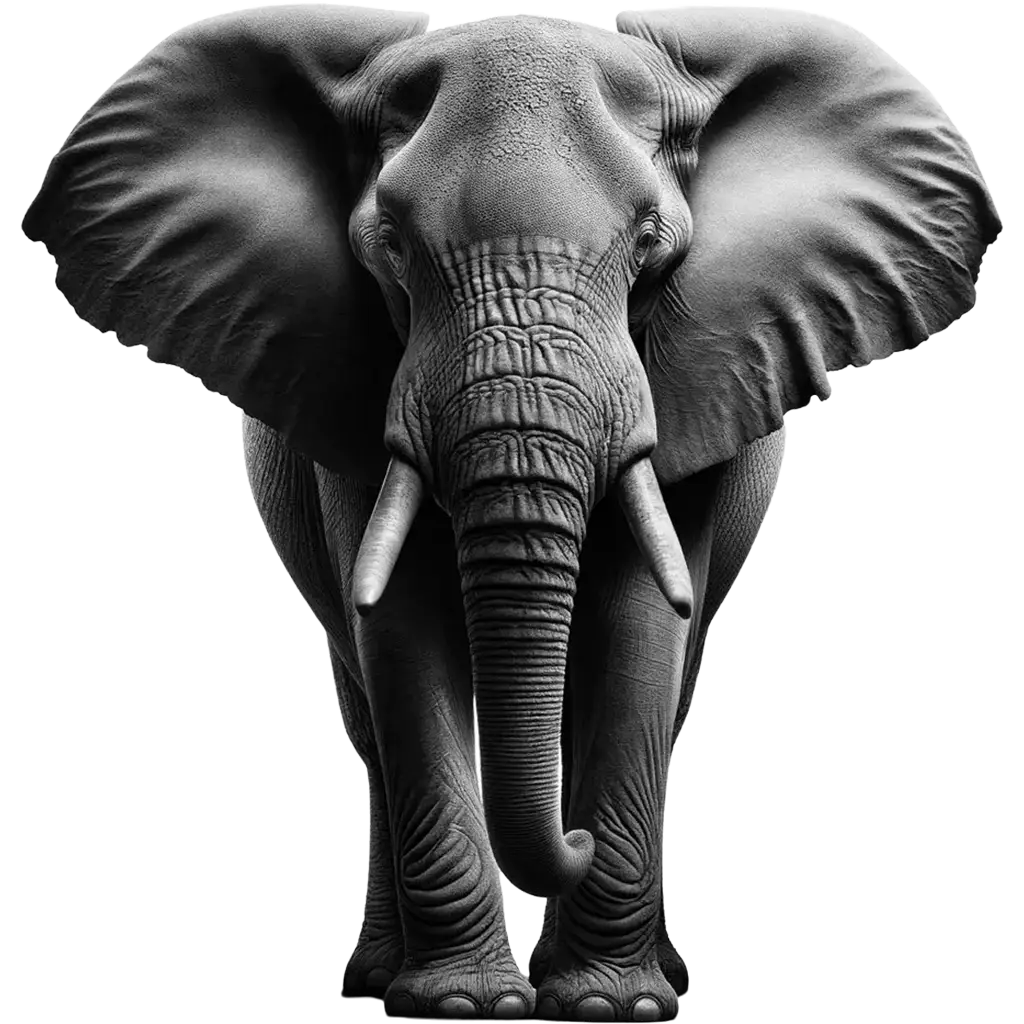
The African Forest Elephant, loxodonta cyclotis, is the smaller of the two African elephant species, distinguished by its more rounded ears and straighter tusks, which are thinner and downward pointing compared to those of its savannah cousin. Adults typically stand 2.5 meters tall at the shoulder, making them smaller than
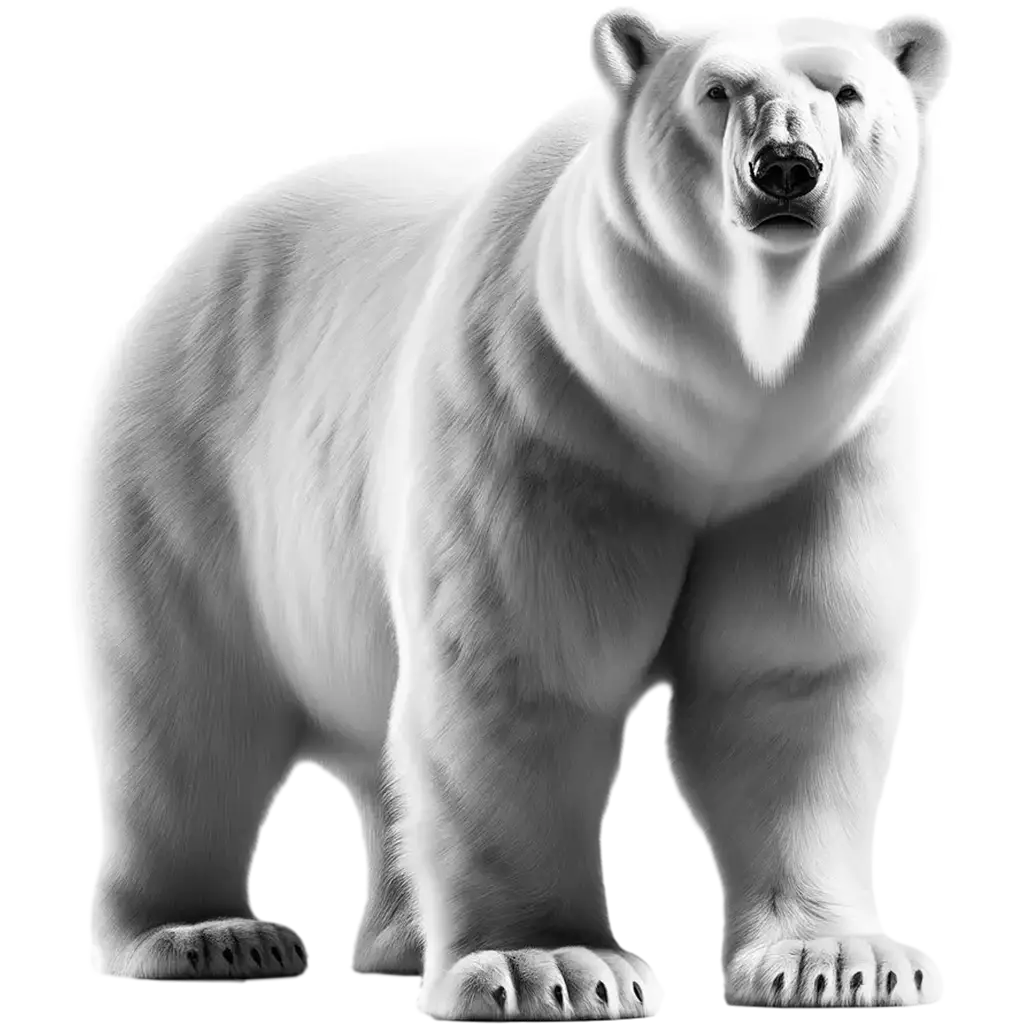
The Polar Bear, ursus maritimus, is the largest land carnivore, symbolizing the Arctic's wild beauty. Characterized by its thick, white fur which provides camouflage in snowy habitats and a layer of fat for insulation, adult males can weigh between 350 to more than 650 kg (770 to over 1,430 lbs),
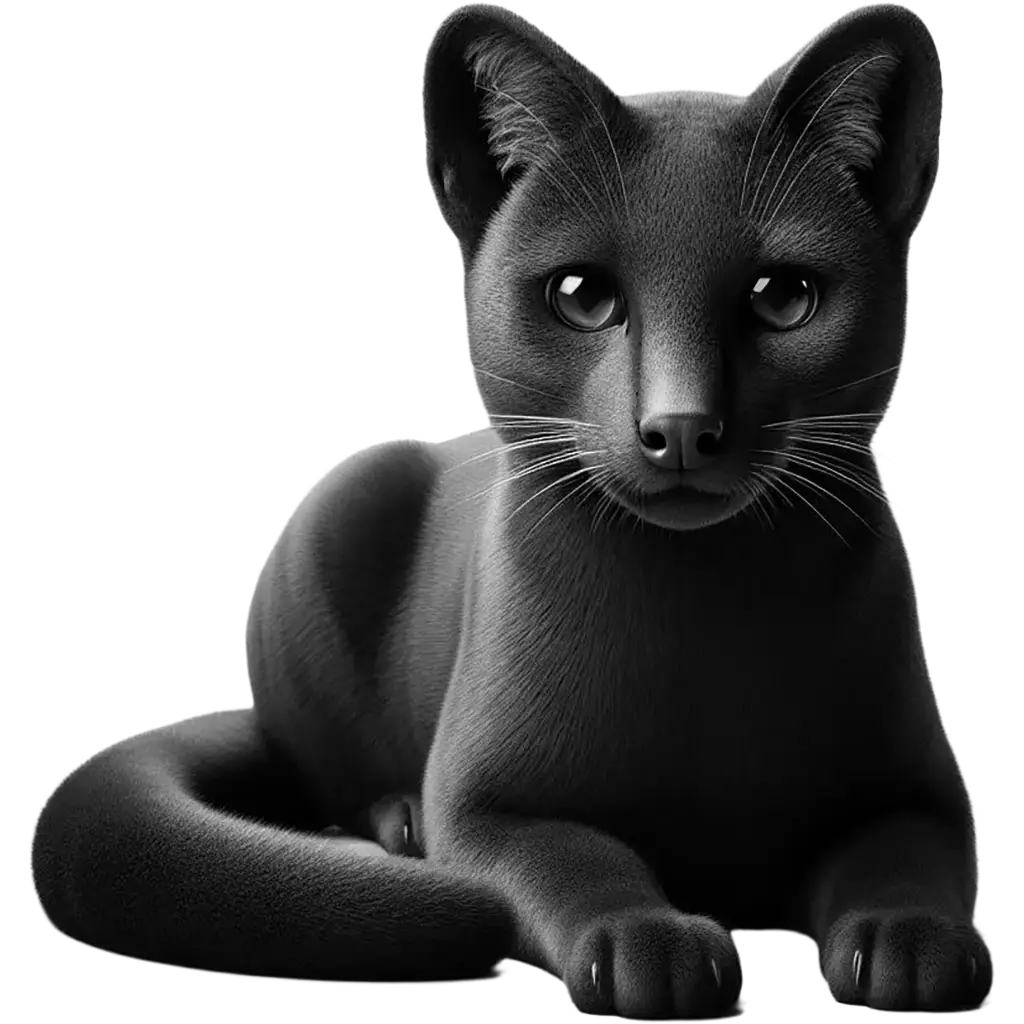
The Fossa, cryptoprocta ferox, is a unique and elusive carnivore native to Madagascar, often described as a 'cat-like' predator despite its closer genetic ties to mongooses and civets. This apex predator of the Malagasy forests stands as the largest mammalian carnivore on the island, with adults measuring up to 80