
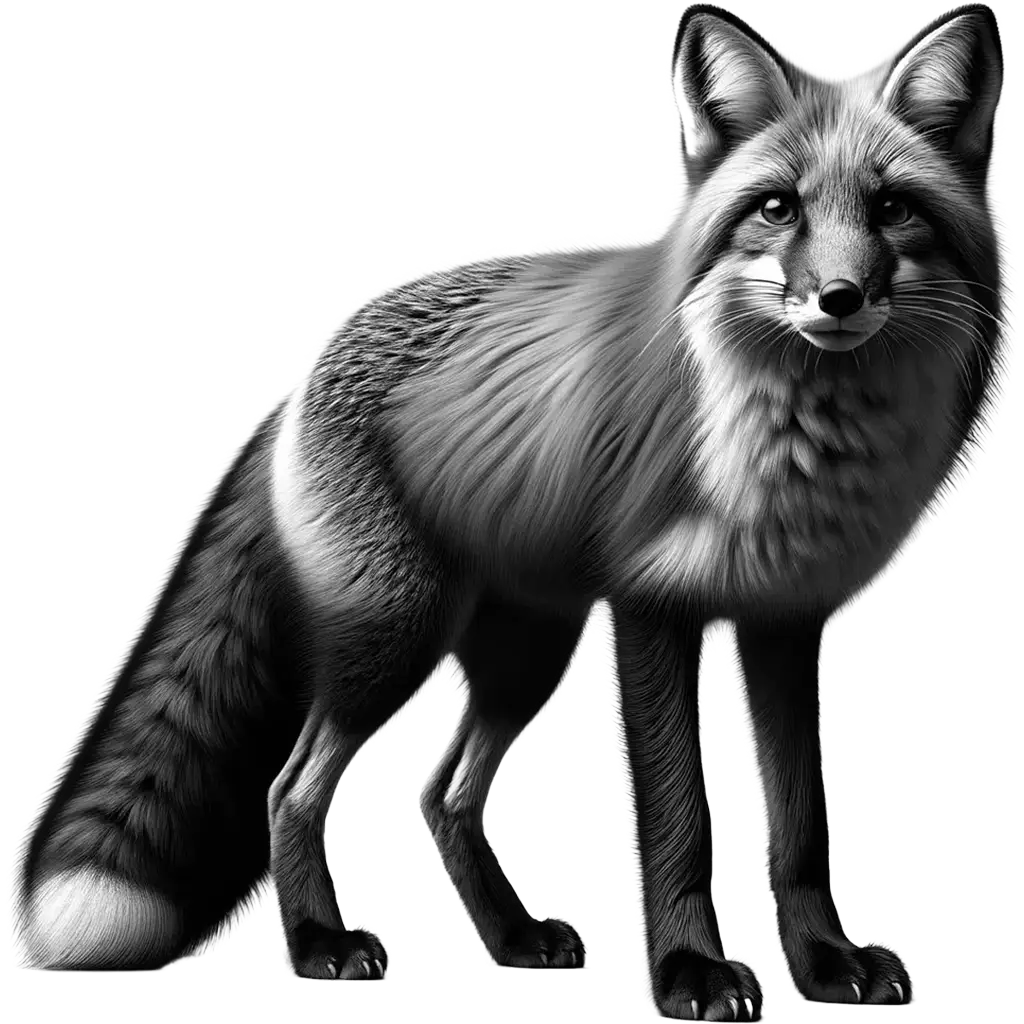
Vulpes Vulpes Cascadensis
Cascade Red Fox
Mountainous regions, alpine and subalpine zones
The Cascade Red Fox, vulpes vulpes cascadensis, is a rare and distinctive subspecies of the red fox that is native to the Cascade Range in the United States. This subspecies is characterized by its unique coloration, which ranges from a bright copper-red to a dark, almost black hue, and includes a variety of intermediate morphs such as silver, cross, and mixed. Adults typically measure about 90 to 112 centimeters in length, including their bushy tail, and weigh between 4 to 5 kilograms. Their dense fur not only provides insulation against the cold mountain climates but also aids in camouflage within their forested and alpine habitats.
| Population: | Data not precisely quantified; considered rare and potentially vulnerable |
| Generation Length: | 2-3 years |
| Average Weight: | 3.6-6.8 kg |
| Average Length: | 90-112 cm (including tail) |
| Lifespan: | 3-4 years in the wild, longer in captivity |
| Diet: | Varied, including mammals, birds, insects, and plant matter |
| Conservation Status: | Not Evaluated (NE) |
The Cascade Red Fox is highly adapted to life in high-altitude environments, often found above the tree line in subalpine and alpine zones. They are solitary and elusive creatures, with territories that encompass a wide range of elevations to include diverse food sources and shelter options. These foxes are known for their intelligence and versatility, exhibiting a remarkable ability to navigate and survive in challenging terrains.
The diet of the Cascade Red Fox is omnivorous and highly variable, reflecting the diversity of their habitat. They primarily feed on small mammals, such as rodents and rabbits, but will also consume birds, insects, carrion, and a variety of fruits and berries depending on seasonal availability. This flexibility in diet allows them to adapt to the changing conditions of their mountainous environment.
Reproduction for the Cascade Red Fox occurs once a year, with mating typically taking place in late winter. After a gestation period of about 51 to 53 days, the female gives birth to a litter of 4 to 5 kits. The dens are often located in rocky crevices or under tree roots, providing protection from predators and the elements. Both parents are involved in raising the young, teaching them to hunt and fend for themselves before they disperse to find their own territories in the fall.
The Cascade Red Fox is considered vulnerable due to threats such as habitat fragmentation, climate change, and competition with non-native species. Their dependence on large, contiguous areas of wilderness makes them particularly susceptible to the impacts of human activity and environmental changes. Conservation efforts are focused on habitat preservation, research to understand their ecological role, and monitoring populations to assess the effectiveness of management strategies. Protecting the Cascade Red Fox is crucial for maintaining the biodiversity and ecological integrity of the Cascade Range.
Classifications
The Key Attributes
Features
- Movement:
Quadrupedal
- Territorial Behavior:
Solitary, except during mating season
- Speed:
Can reach speeds up to 50 km/h
- Diet:
Omnivore
- Physical Features:
- Reddish coat with white underparts
- Black legs
- Bushy tail with a white tip
- Primary Senses:
- Hearing
- Smell
- Sight
Understanding Habitat and Range
Geography
- Habitat:
Mountainous regions, alpine and subalpine zones
- Migration Patterns:
Non-migratory, but may move within its range in response to seasonal changes in food availability
- Geographical Range:
Endemic to the Cascade Mountains of Washington state, USA
- Climate Preferences:
Cold, mountainous environments
Navigating the Wilderness
In the wild
- Predators:
Larger predators like coyotes and eagles
- Prey:
Small mammals, birds, insects
- Feeding Behavior:
Adaptable feeder, hunting small mammals, birds, and insects, as well as consuming fruits and berries
- Diet:
Varied, including mammals, birds, insects, and plant matter
- Defensive Mechanisms:
- Agility
- Camouflage
- Preferred Food Sources:
- Rodents
- Rabbits
- Berries
- Insects
Insights Into Reproduction
Mating
- Mating System:
Monogamous
- Number of Offspring:
4-5 kits
- Gestation Period:
About 53 days
- Parental Involvement:
- Both parents involved in raising the offspring
Youngsters Section
Cascade Red Fox
Fun Fact
The Cascade Red Fox is a unique subspecies of the red fox found in the Cascade Range of Washington.
This fox is adapted to high-altitude environments and has a distinct coloration, often with a silver or black phase. It's known for its elusive nature and is rarely seen by humans. Conservation efforts are ongoing to protect its specialized habitat from threats like climate change and human encroachment.

Download word search puzzles
Word Search Puzzles


Check Out Other Mammals
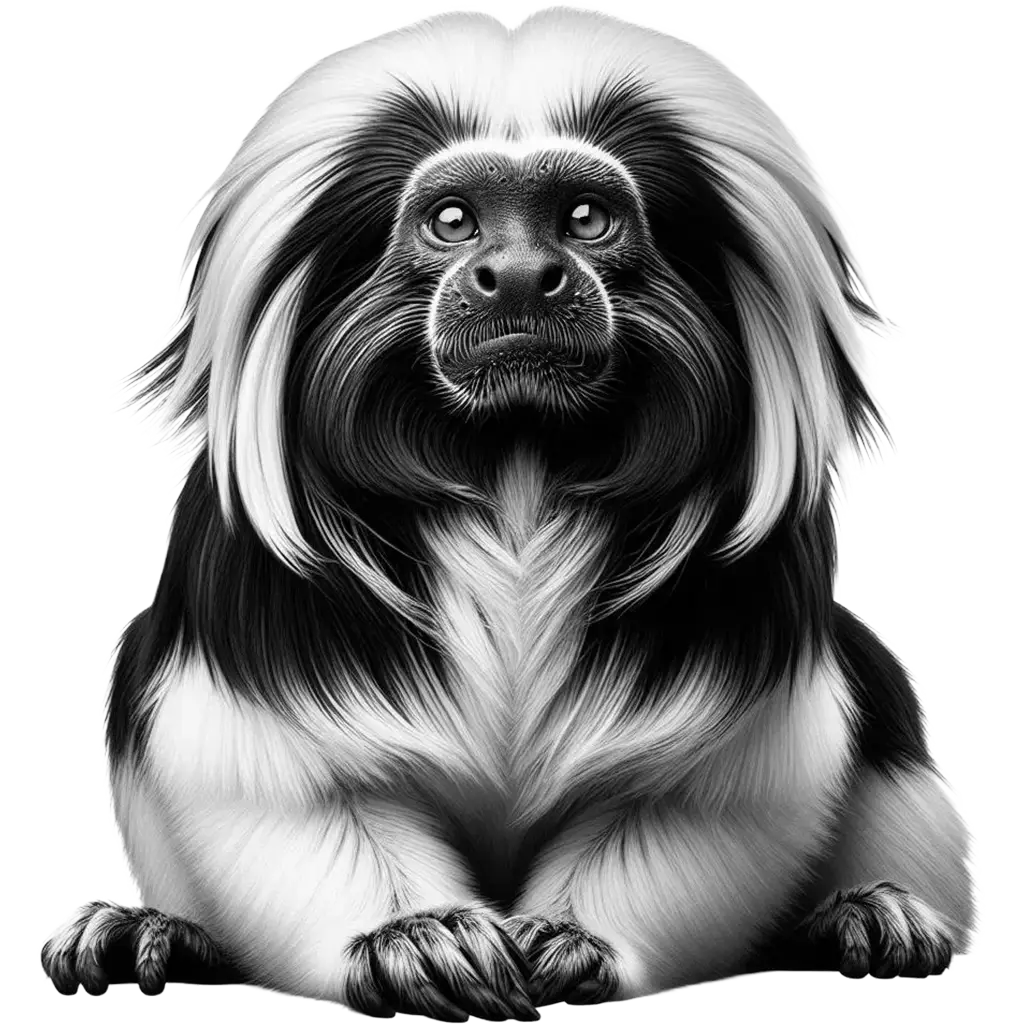
The Golden Lion Tamarin, leontopithecus rosalia, also known as the Golden Marmoset, is a small, brightly colored primate native to the Atlantic coastal forests of southeastern Brazil. This striking species is most notable for its vibrant golden-orange fur, expressive face, and long, silky mane, reminiscent of a lion's, which frames
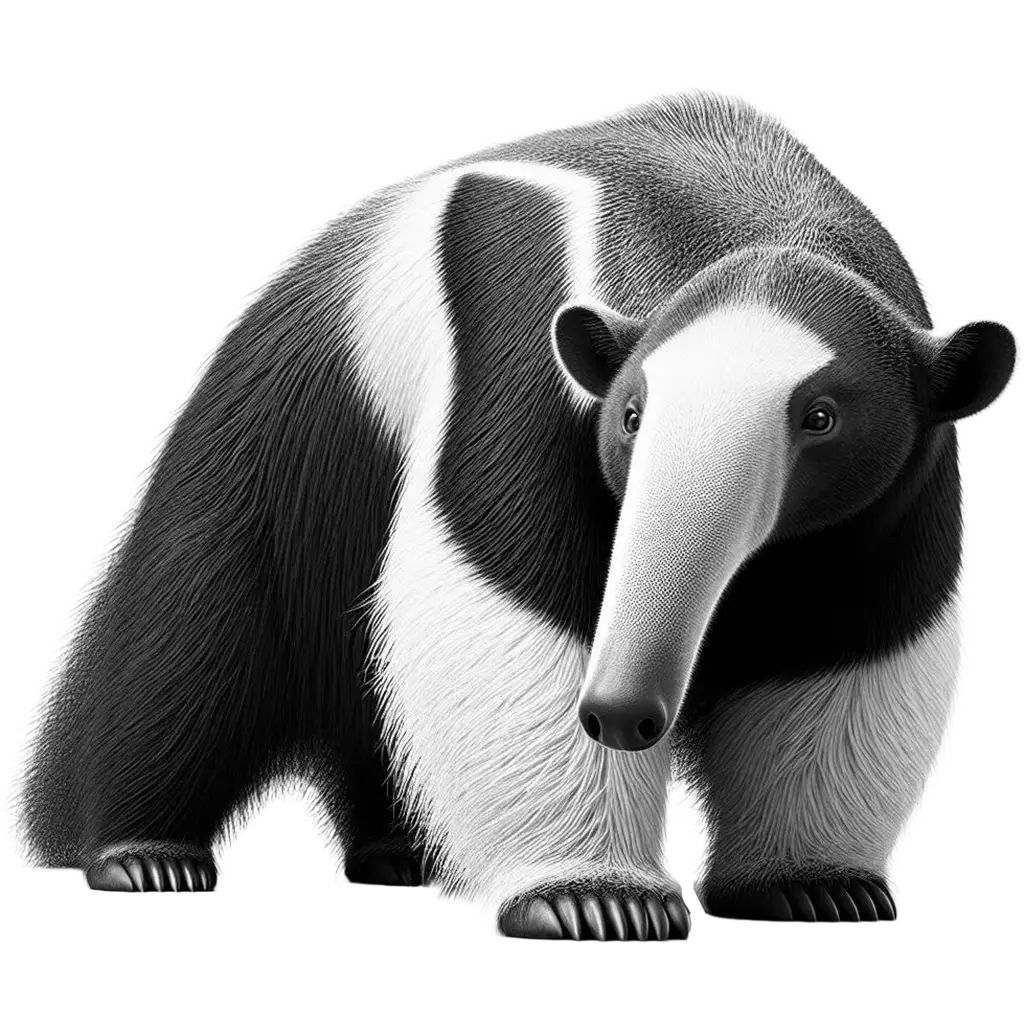
The Giant Anteater, myrmecophaga tridactyla, is an easily recognizable mammal known for its elongated snout, bushy tail, and distinctive black and white shoulder stripes. Adults can grow up to 2.1 meters (7 feet) in length, including the tail, and weigh between 18 to 39 kilograms (40 to 86 pounds). Their
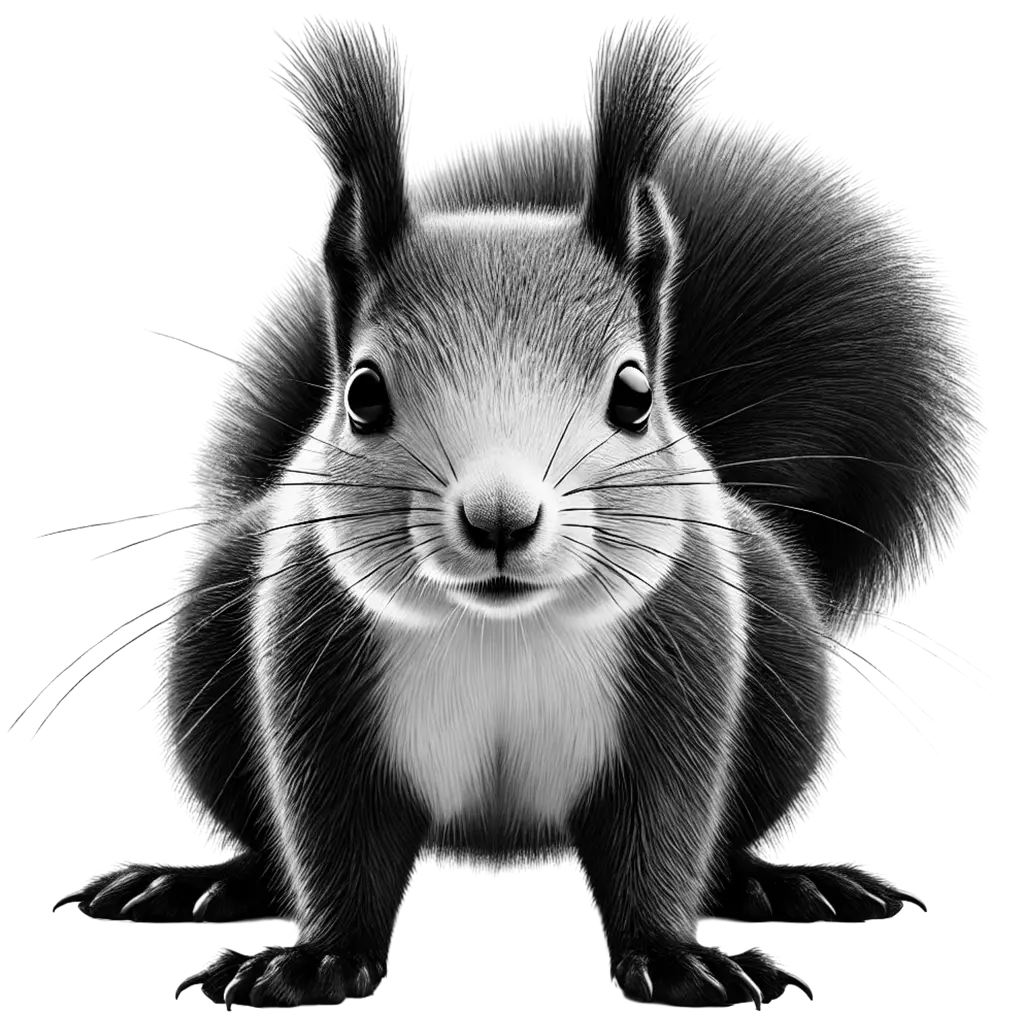
The red-hipped squirrel is a medium-sized, agile rodent distinguished by its soft, dense fur in shades of gray and brown, accented with bright red patches on its hips. Its bushy tail, slender limbs, and sharp, alert eyes contribute to its graceful appearance. The vivid red markings serve as a unique
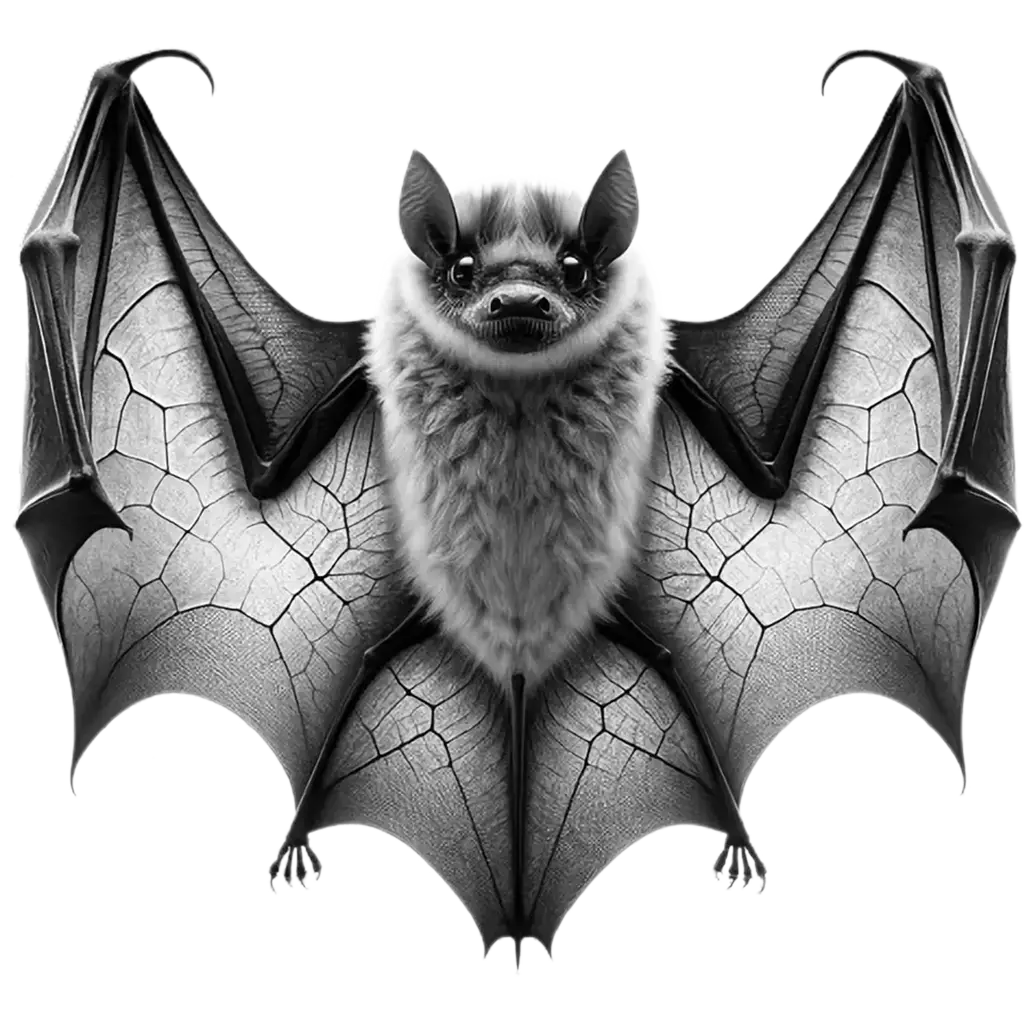
The Pearson's Horseshoe Bat, rhinolophus pearsonii, is a small to medium-sized bat species, distinguished by its unique nasal structure resembling a horseshoe, which serves as an adaptation for its echolocation abilities. This bat typically exhibits a fur color ranging from gray to brown, providing camouflage in its roosting environments. With