

Mydaus Javanensis
Sunda Stink Badger
Tropical rainforests, montane forests, and agricultural lands
The Sunda Stink Badger, mydaus javanensis, also known as the Javan Stink Badger or Teledu, is a small, skunk-like mammal endemic to the islands of Java, Sumatra, and Borneo in Indonesia and Malaysia. This creature is characterized by its stocky body, short legs, and a distinctive white stripe that runs from the top of its head down its back, set against its otherwise dark brown or black fur. Adults typically measure about 37 to 51 cm in length, including a short tail, and weigh around 1 to 3.5 kg. Unlike true badgers, the Sunda Stink Badger has a more elongated snout and uses its powerful claws for digging.
| Population: | Listed as Least Concern, but facing habitat loss and persecution |
| Generation Length: | 3-4 years |
| Average Weight: | 1-3.5 kg |
| Average Length: | 37-45 cm, including the tail |
| Lifespan: | Unknown in the wild, estimated to be similar to other badger species (4-10 years) |
| Diet: | Varied diet including both animal and plant material |
| Conservation Status: | Least Concern (LC) |
The Sunda Stink Badger leads a predominantly nocturnal and solitary life, spending its days in burrows and emerging at night to forage. Its habitat ranges from montane forests to lowland areas, where it can find shelter and ample food. This badger is known for its ability to spray a foul-smelling secretion from glands near its anus, a defense mechanism used to deter predators and threats.
The diet of the Sunda Stink Badger is omnivorous, consisting of insects, worms, small vertebrates, and plant material. Its strong forelimbs and claws are well-adapted for digging into the soil to uncover food, and its keen sense of smell helps it locate prey beneath the ground. This varied diet allows it to thrive in diverse forest environments.
Reproduction in the Sunda Stink Badger involves the female giving birth to one or two young after a gestation period of about 2 to 3 months. The offspring are born in a den and rely on their mother for care and nourishment during their early life stages. Little is known about their mating habits due to the elusive nature of these animals.
The population of the Sunda Stink Badger is currently classified as Least Concern by the IUCN, although it faces threats from habitat destruction and fragmentation due to agricultural expansion and deforestation. Conservation efforts are needed to protect their natural habitats and ensure the sustainability of this unique species. The Sunda Stink Badger plays an important role in its ecosystem as both a predator and prey, contributing to the biodiversity and ecological balance of its environment.
Classifications
The Key Attributes
Features
- Movement:
Walking, burrowing
- Territorial Behavior:
Solitary, with a well-defined territory
- Speed:
Not specifically quantified; not known for speed but for digging and foraging abilities
- Diet:
Omnivore
- Physical Features:
- Small, stocky body with short legs
- Distinctive white stripe running from head to tail
- Powerful claws for digging
- Ability to release a foul-smelling secretion from anal glands as a defense mechanism
- Primary Senses:
- Smell
- Hearing
- Sight
Understanding Habitat and Range
Geography
- Habitat:
Tropical rainforests, montane forests, and agricultural lands
- Migration Patterns:
Non-migratory
- Geographical Range:
Found in the Sundaland region, including Java, Sumatra, Borneo, and parts of the Malay Peninsula
- Climate Preferences:
Prefers humid, tropical environments
Navigating the Wilderness
In the wild
- Predators:
Humans, dogs, and large birds of prey
- Prey:
Insects, earthworms, small vertebrates, and fruits
- Feeding Behavior:
Forages at night for insects, worms, and plant material
- Diet:
Varied diet including both animal and plant material
- Defensive Mechanisms:
- Emitting a strong odor from its anal glands to deter predators and threats
- Burrowing to hide from predators
- Preferred Food Sources:
- Diverse, depending on availability in its forest and grassland habitats
Insights Into Reproduction
Mating
- Mating System:
Polygynous
- Number of Offspring:
Usually one, sometimes two
- Gestation Period:
About 2-3 months
- Parental Involvement:
- Female provides all care, nursing and protecting the young until they become independent
Youngsters Section
Sunda Stink Badger
Fun Fact
The Sunda stink badger can spray a foul-smelling liquid from its anal glands to deter predators.
This unique defense mechanism is similar to that of skunks, making them a part of the skunk family. Despite their name, Sunda stink badgers are not true badgers. They are found in Indonesia and Malaysia, primarily in forests and grasslands, where they dig for insects and other small creatures.

Download word search puzzles
Word Search Puzzles


Check Out Other Mammals

The Dingo, canis lupus Dingo, stands as a distinctive member of the canine family, notable for its role in Australia's natural environment. Adult Dingoes typically exhibit a lean, athletic build, standing up to 60 cm at the shoulder and weighing around 13 to 20 kg. They possess a short coat

The Red Panda, ailurus fulgens, is a small mammal native to the temperate forests of the Himalayas and southwestern China. Characterized by its reddish-brown fur, bushy tail with six alternating yellowish-red and dark rings, and a wistful face with white markings, it resembles a raccoon more than its namesake, the

The Mohol Bushbaby, galago moholi, is a small, nocturnal primate native to the southern regions of Africa. This agile creature is characterized by its large, expressive eyes, which are well-adapted to its nighttime activities, and its soft, grey to brown fur, which provides camouflage in its woodland and savannah habitats.
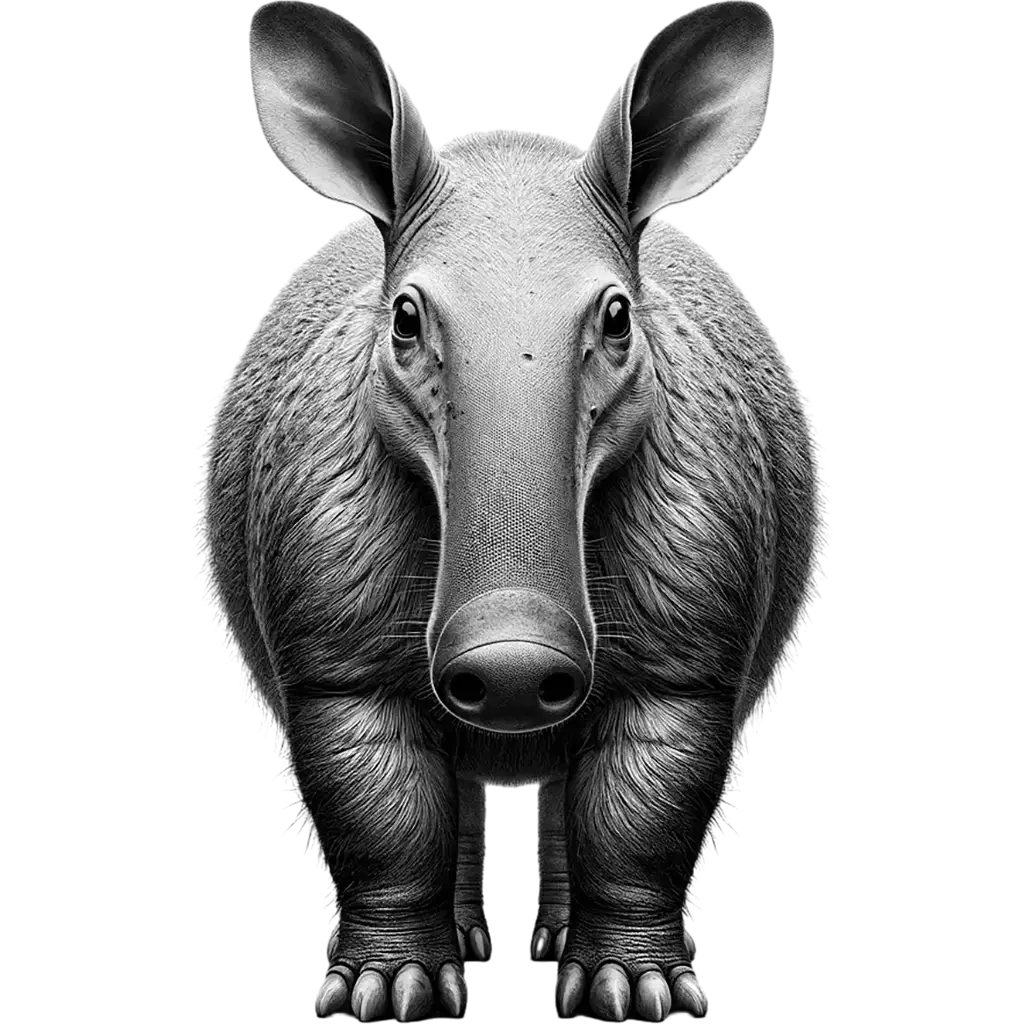
The Aardvark, orycteropus afer, is a unique mammal native to Africa, distinguished by its pig-like snout, long ears, and powerful limbs equipped with large claws. It measures approximately 1 to 1.5 meters in length and weighs between 40 to 65 kg. The Aardvark's body is covered in coarse, sparse fur