Setonix Brachyurus
Quokka
Dense shrublands and forests
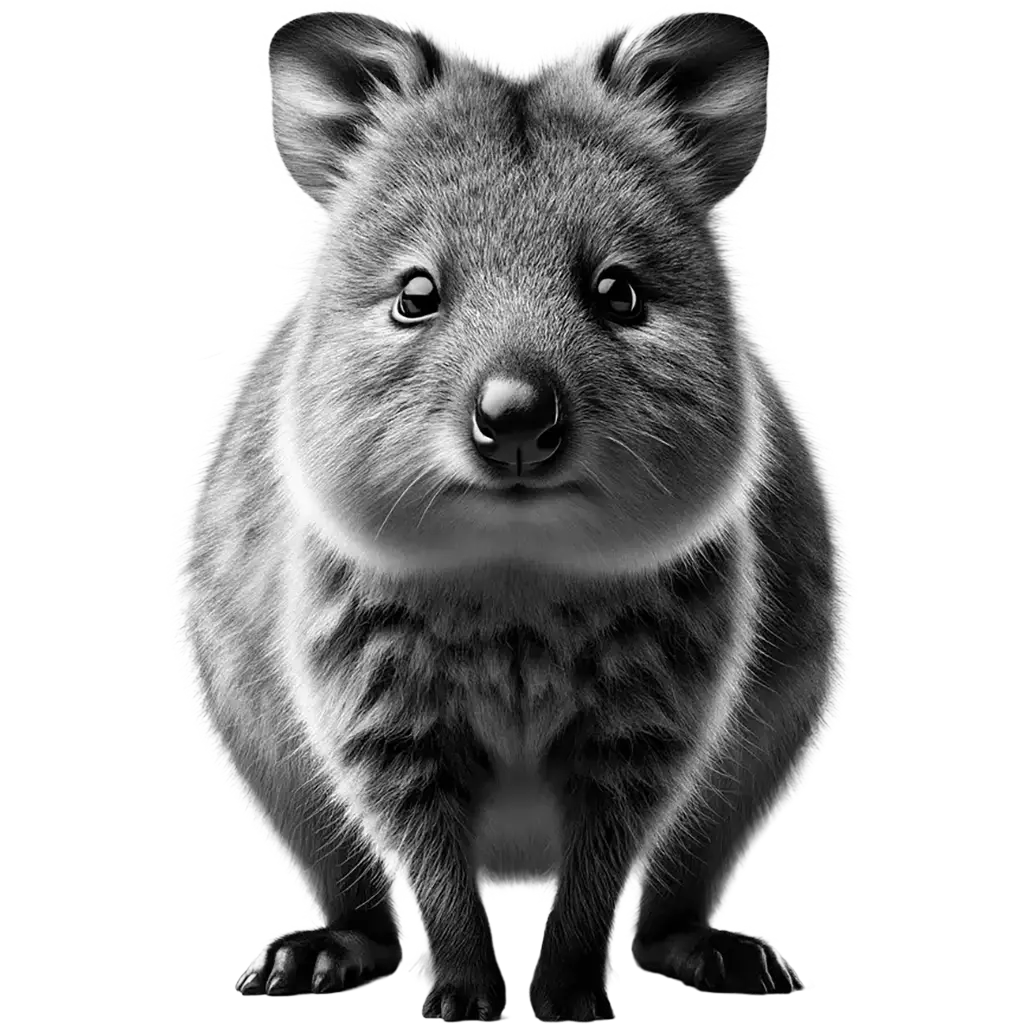
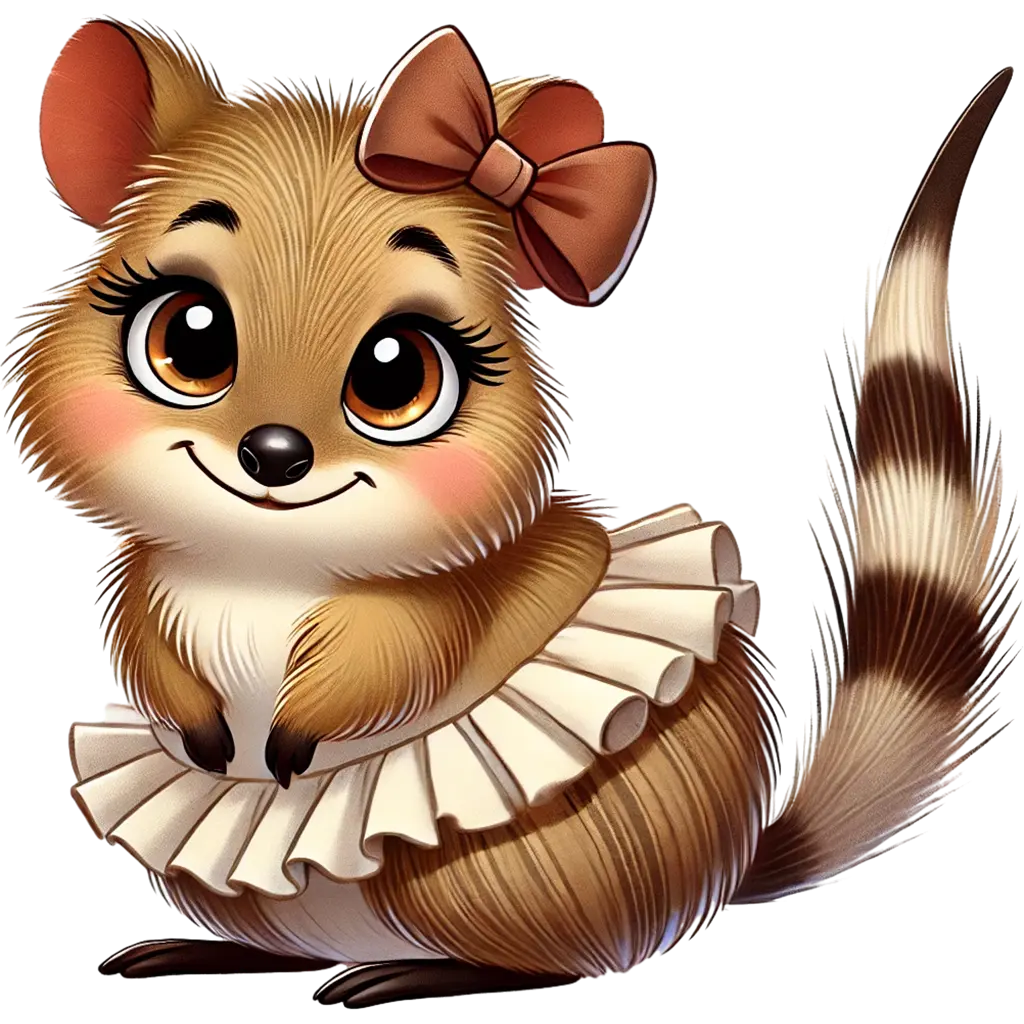
The Quokka, setonix brachyurus, is a small marsupial native to small islands off the coast of Western Australia, most notably Rottnest Island, as well as some areas in the mainland's southwestern part. Recognizable by its compact, rounded body, the Quokka is roughly the size of a domestic cat, with adults standing about 30 to 40 cm tall and weighing between 2.5 to 5 kg. Its fur is coarse and brown, with lighter underparts. The Quokka's friendly and curious nature, combined with its tendency to approach humans, has made it a popular attraction. Its facial expressions often resemble a smile, leading to its reputation as the world's happiest animal.
| Population: | Listed as Vulnerable due to limited distribution and habitat loss |
| Generation Length: | 2-3 years |
| Average Weight: | 2.5-5 kg |
| Average Length: | 40-54 cm, with a tail of 25-30 cm |
| Lifespan: | Up to 10 years in the wild |
| Diet: | Primarily herbivorous, consuming a variety of vegetation |
| Conservation Status: | Vulnerable (VU) |
Quokkas are primarily nocturnal and spend most of the day resting in shaded areas. At night, they venture out to feed, showing a preference for a herbivorous diet that includes leaves, stems, and bark from a variety of plants. Despite their small size, Quokkas are excellent climbers and can scale small trees and shrubs to reach food.
The diet of the Quokka consists mainly of grasses, leaves, and small plants. They have adapted to survive with minimal fresh water, obtaining most of their hydration from their food. This adaptation is particularly useful in their dry, island habitats, where fresh water can be scarce.
Reproduction in Quokkas is characterized by the marsupial's unique reproductive system. Females can give birth to a single joey after a gestation period of about one month. The newborn then crawls into its mother's pouch, where it continues to develop over the next six months. Quokkas have a high reproductive potential, with females capable of breeding twice a year and immediately becoming pregnant again after giving birth if conditions allow.
The Quokka population faces threats from habitat destruction, introduced predators such as foxes and cats, and human interaction, although they are protected within their range. Conservation efforts focus on habitat preservation, predator control, and research into their ecology and biology to ensure the survival of this iconic Australian marsupial. Despite challenges, the Quokka remains a symbol of Australian wildlife and conservation efforts.
Classifications
The Key Attributes
Features
- Movement:
Hopping, walking
- Territorial Behavior:
Not highly territorial; lives in small, loose groups
- Speed:
Capable of quick movements to escape predators or when foraging
- Diet:
Herbivore
- Physical Features:
- Small, stocky body with a short tail
- Round ears and a small, black nose
- Thick, coarse fur with a grey-brown color
- Powerful hind legs for hopping
- Primary Senses:
- Sight
- Hearing
- Smell
Understanding Habitat and Range
Geography
- Habitat:
Dense shrublands and forests
- Migration Patterns:
Non-migratory, but may move within its habitat for food and shelter
- Geographical Range:
Restricted to small islands and parts of the coast in southwestern Australia
- Climate Preferences:
Prefers mild, wet climates with dense vegetation for cover
Navigating the Wilderness
In the wild
- Predators:
Introduced predators such as foxes, cats, and dogs, as well as large birds of prey
- Prey:
Not applicable
- Feeding Behavior:
Feeds on leaves, stems, and roots of a variety of plants, as well as seeds and fruits
- Diet:
Primarily herbivorous, consuming a variety of vegetation
- Defensive Mechanisms:
- Hiding in dense vegetation
- Quick hopping to evade predators
- Preferred Food Sources:
- Areas with abundant vegetation and fresh water sources
Insights Into Reproduction
Mating
- Mating System:
Polygynous
- Number of Offspring:
Usually one joey
- Gestation Period:
About 27 days
- Parental Involvement:
- Females carry the joey in their pouch for up to six months after birth
Youngsters Section
Quokka
Fun Fact
Quokkas are small marsupials native to Australia, known for their friendly and photogenic nature.
Despite their cute appearance, quokkas can be quite resourceful. They primarily feed on grasses and leaves, and have a unique ability to recycle nutrients from their food through a special digestive process. Quokkas are also known for their ability to climb small trees and shrubs, which helps them access more food sources in their habitat.
Download word search puzzles
Word Search Puzzles
Check Out Other Mammals
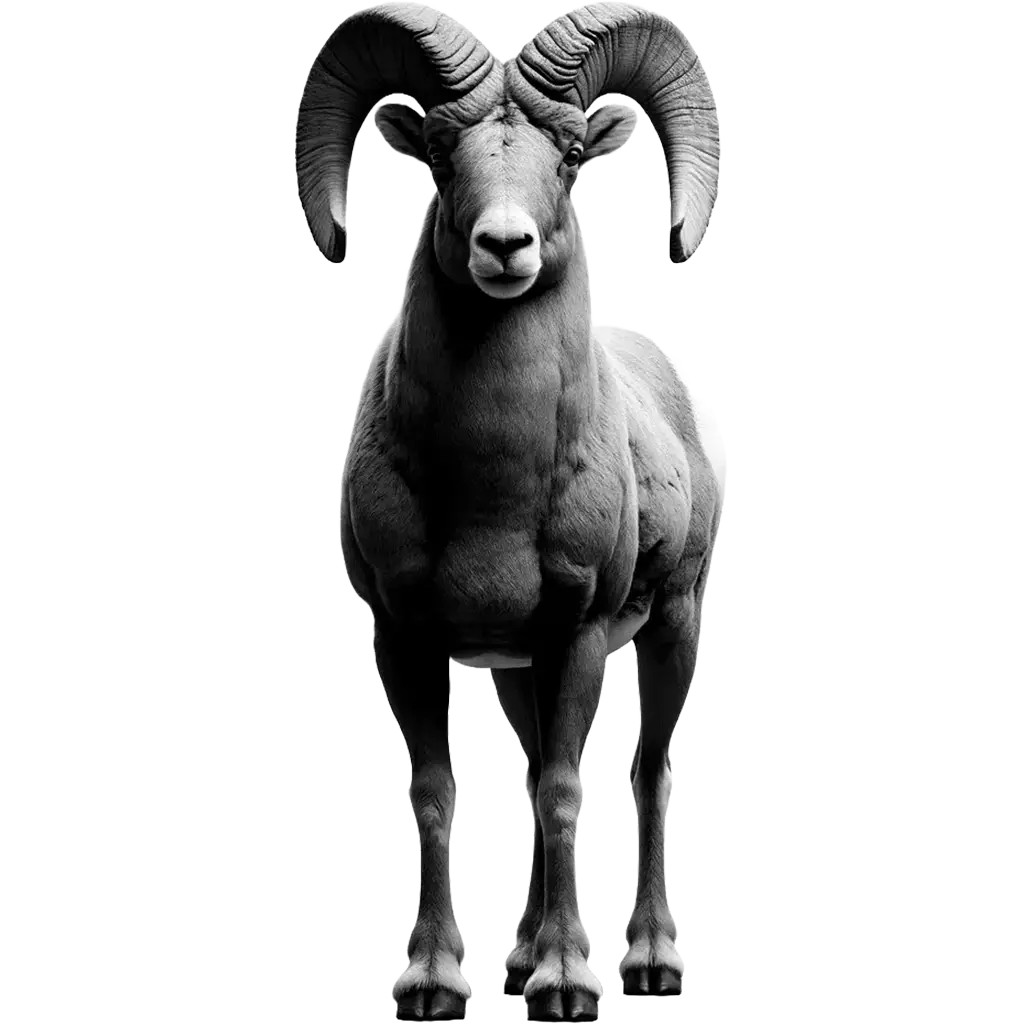
The Bighorn Sheep, Ovis canadensis, is a symbol of the rugged mountain ranges of North America, from Canada's cold northern regions down through the western United States and into Mexico's desert landscapes. Distinguished by their large, curved horns, which can weigh up to 14 kilograms in males, Bighorn Sheep exhibit
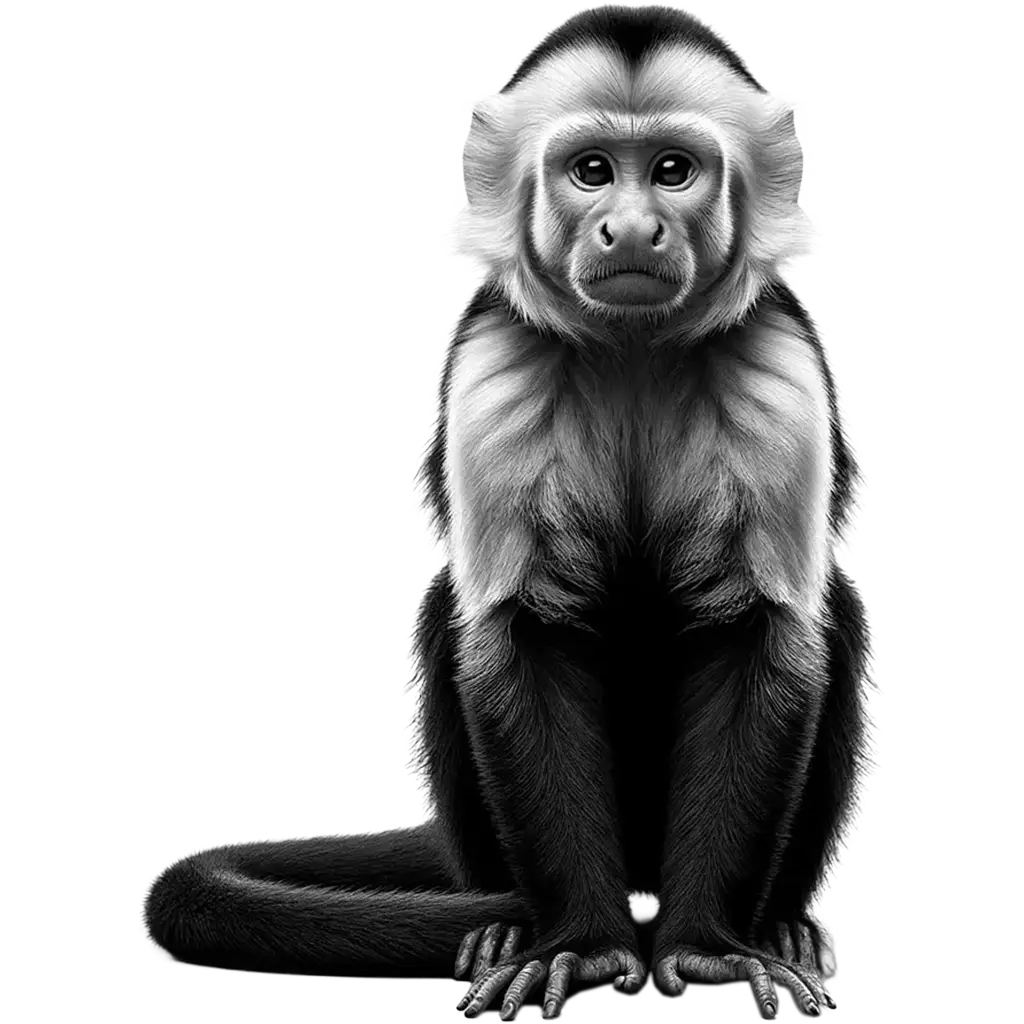
The Colombian White-Faced Capuchin, cebus capucinus, is a highly intelligent and adaptable New World monkey, recognized for its distinctive white face and dark body. Adults can weigh between 2.5 to 4 kilograms, with a body length ranging from 33 to 45 centimeters, not including their prehensile tail which is used
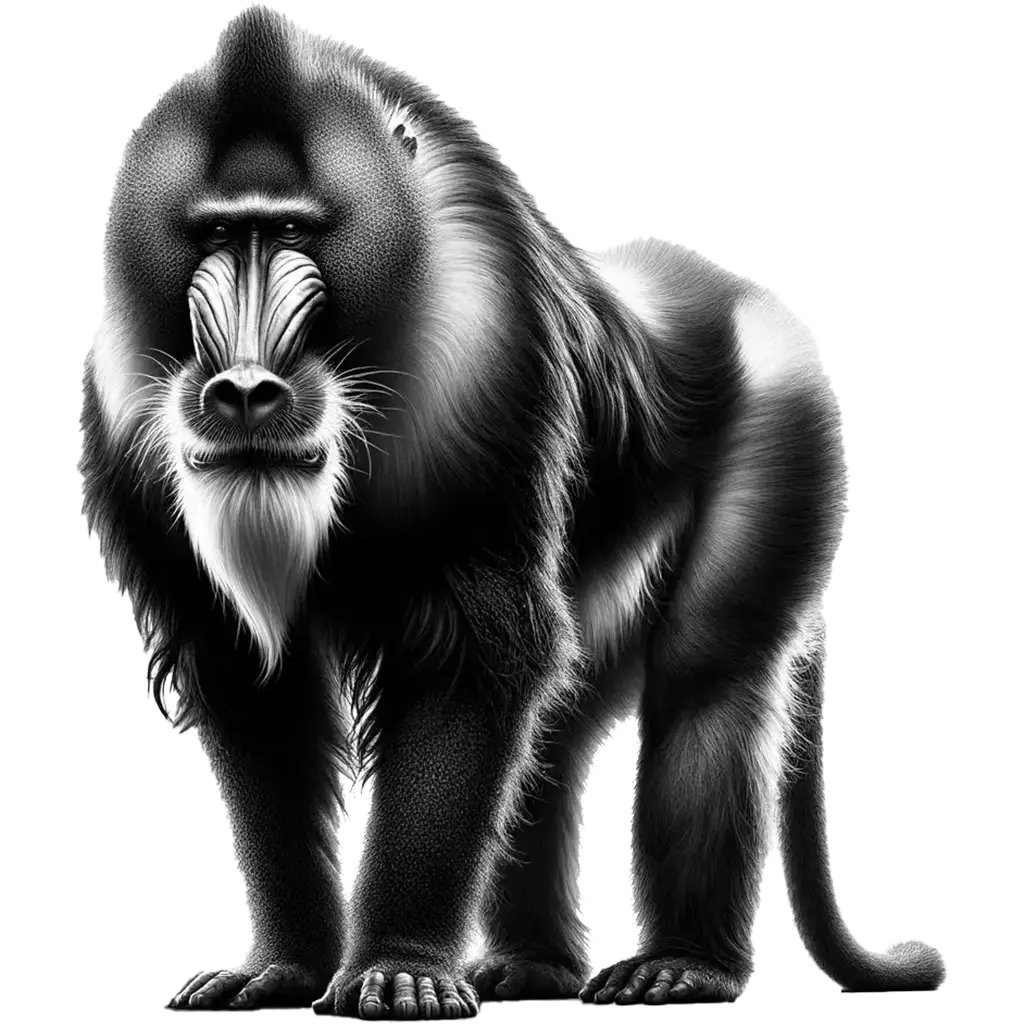
The Mandrill, Mandrillus sphinx, is a large and colorful primate, recognized as one of the most striking of all monkeys. Adult males are particularly notable for their vibrant blue and red facial coloration and a yellow beard, standing out against their primarily olive green or dark grey fur. They boast
The Hausa Genet, Genetta thierryi, is a small, elusive carnivore native to West Africa, with its range extending from Senegal to Nigeria. This species is one of the lesser-known members of the Viverridae family, which includes genets and civets. Adult Hausa Genets typically measure between 40 to 46 centimeters (15.7