

Cercopithecus Diana
Diana Monkey
Primary and secondary rainforests, often near rivers
The Diana Monkey, cercopithecus diana, is a striking and colorful primate native to the West African rainforests, ranging from Sierra Leone to the Ivory Coast. Adults exhibit a distinctive pelage with a black or dark grey back, white throat, chest, and a crescent-shaped white brow above the eyes, which gives the species its name, reminiscent of the Roman goddess Diana's bow. The long, white beard and sideburns contrast sharply with the dark face. Their underparts are typically white, with the rump and legs being a reddish or golden color. Diana Monkeys are relatively small, with males being larger than females, weighing up to 7 kilograms and measuring around 50 centimeters in body length, excluding the tail which can be as long as their body.
| Population: | Listed as Vulnerable due to declining population trends |
| Generation Length: | 5-6 years |
| Average Weight: | 4-7 kg |
| Average Length: | 40-55 cm (body length), with a tail length of 50-75 cm |
| Lifespan: | Up to 20 years in the wild |
| Diet: | Primarily fruits, supplemented with leaves, insects, and small animals |
| Conservation Status: | Endangered (EN) |
Diana Monkeys prefer the high canopy of primary and secondary rainforests, where they are primarily arboreal, rarely descending to the ground. They are known for their agility, moving swiftly among the trees. These monkeys are highly social animals, living in groups of up to 20 individuals, organized in a complex social structure that includes a dominant male, several females, and their offspring. They communicate using a variety of vocalizations, which play a crucial role in social interactions and alerting each other to predators.
The diet of the Diana Monkey is mainly frugivorous, consisting of a variety of fruits, supplemented with leaves, flowers, and insects. This varied diet helps to make them an important species for seed dispersal within their forest habitats, contributing to the health and regeneration of the rainforest.
Reproduction in Diana Monkeys typically involves a gestation period of about 5 to 6 months, after which a single infant is born. Infants are cared for primarily by their mothers but may also receive attention from other females in the group. The strong social bonds within the group play a crucial role in the protection and upbringing of the young.
The Diana Monkey is classified as Vulnerable by the IUCN Red List, facing threats from habitat destruction due to logging and agricultural expansion, as well as from hunting for bushmeat and the illegal pet trade. Conservation efforts for the Diana Monkey include habitat preservation, anti-poaching measures, and education initiatives aimed at local communities to reduce hunting pressure. Protecting these monkeys and their habitat is essential for the conservation of West Africa's biodiverse rainforests.
Classifications
The Key Attributes
Features
- Movement:
Arboreal quadrupedalism and leaping
- Territorial Behavior:
Social, living in groups with complex hierarchies
- Speed:
Agile and quick in the trees
- Diet:
Omnivore
- Physical Features:
- Striking black and white fur with a long white beard
- Reddish-brown back in males
- Black limbs and tail
- White eyebrow strips
- Primary Senses:
- Sight
- Hearing
- Smell
Understanding Habitat and Range
Geography
- Habitat:
Primary and secondary rainforests, often near rivers
- Migration Patterns:
Non-migratory, but may move locally in response to food availability and habitat disturbance
- Geographical Range:
West Africa, specifically Sierra Leone, Liberia, Ivory Coast, and into Ghana
- Climate Preferences:
Tropical rainforest climate
Navigating the Wilderness
In the wild
- Predators:
Leopards, crowned eagles, and large snakes
- Prey:
Fruits, leaves, insects, small vertebrates
- Feeding Behavior:
Diurnal, foraging for fruits, leaves, insects, and occasionally small animals
- Diet:
Primarily fruits, supplemented with leaves, insects, and small animals
- Defensive Mechanisms:
- Group vigilance
- Alarm calls
- Agility to escape predators
- Preferred Food Sources:
- Fruits
- Leaves
- Insects
Insights Into Reproduction
Mating
- Mating System:
Polygynous
- Number of Offspring:
Usually 1 offspring
- Gestation Period:
About 5 months
- Parental Involvement:
- Mother primarily cares for the young; males may protect the group
Youngsters Section
Diana Monkey
Fun Fact
Diana monkeys are known for their striking facial markings resembling the Roman goddess Diana's crescent moon.
These monkeys exhibit a unique communication system with specific alarm calls for different predators. Their vocalizations alert group members to dangers like eagles or leopards, enhancing their survival. This complex system helps maintain their social structure and safety in West African forests.

Download word search puzzles
Word Search Puzzles


Check Out Other Mammals
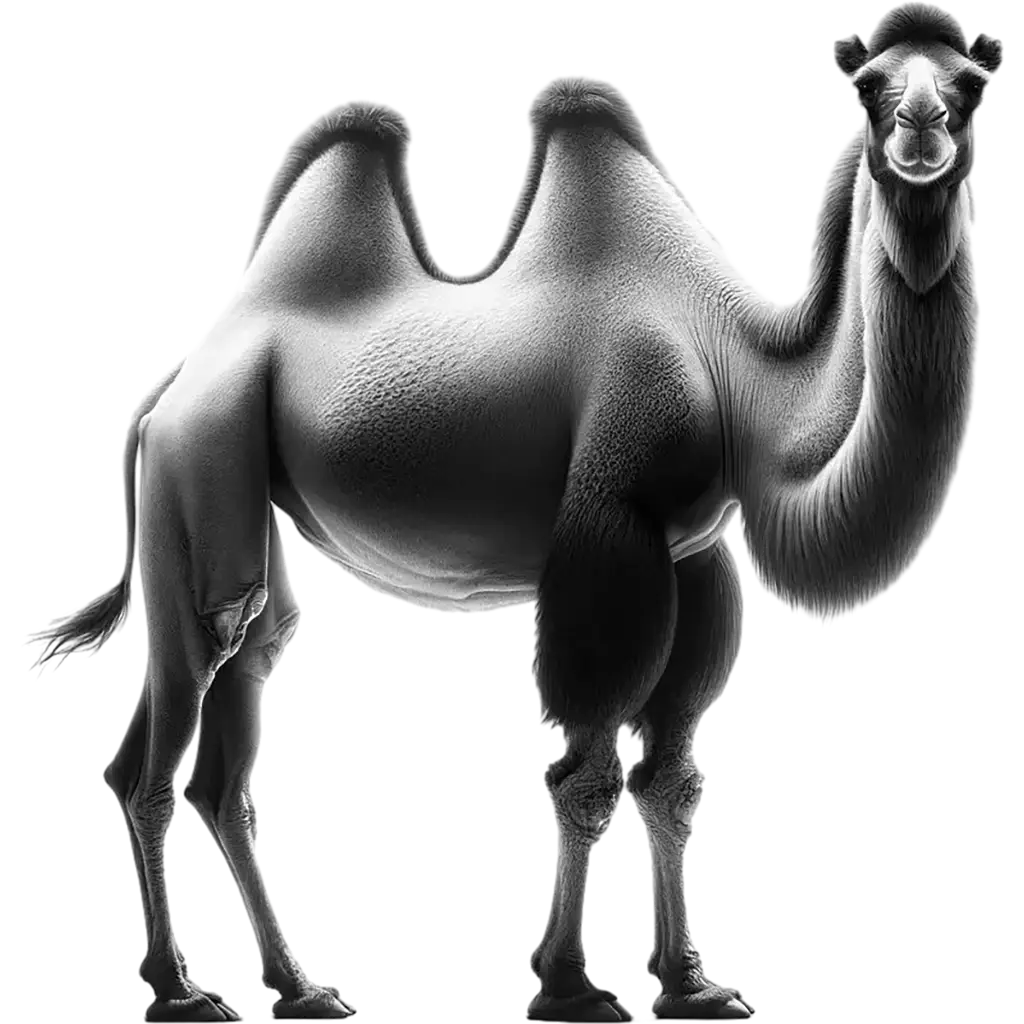
The Bactrian Camel, camelus bactrianus, is a large, even-toed ungulate native to the steppes of Central Asia. Distinguished by its two humps, in contrast to the single-humped dromedary camel, Bactrian Camels are well adapted to life in harsh desert and mountainous environments. Adults can weigh between 300 to 1,000 kg
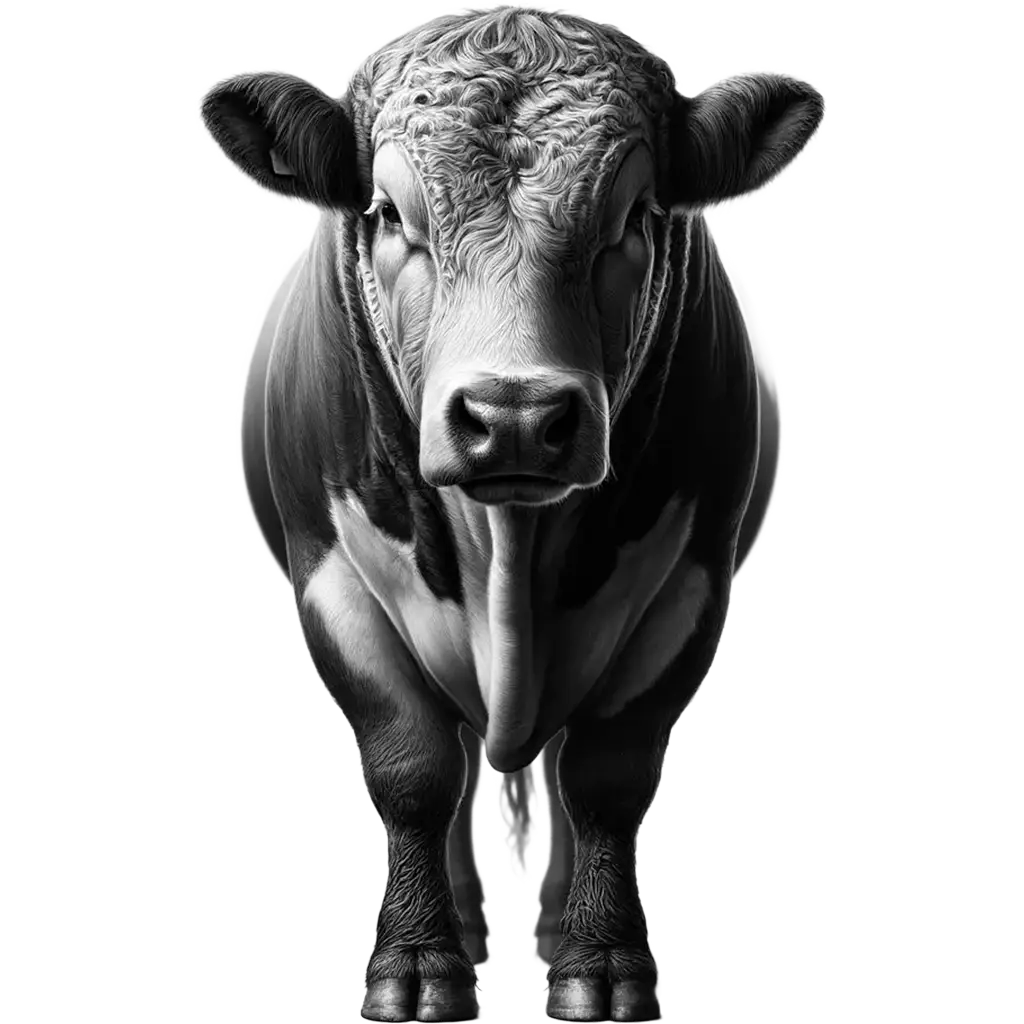
The Shorthorn breed of cattle, known for its diverse utility in both dairy and beef production, showcases a variety of coat colors including red, white, and the distinctive roan, which is a mix of the two. This medium to large-sized breed features a broad and deep body, strong legs, and
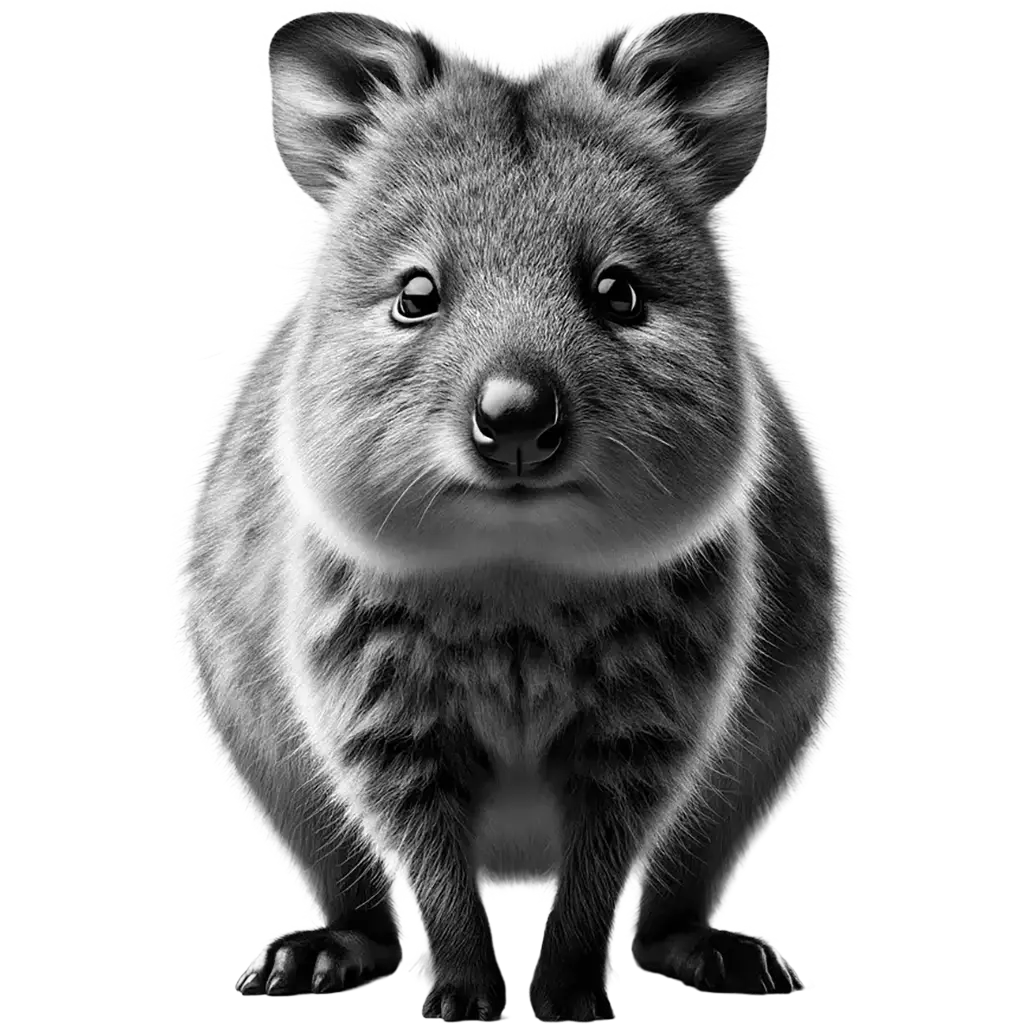
The Quokka, setonix brachyurus, is a small marsupial native to small islands off the coast of Western Australia, most notably Rottnest Island, as well as some areas in the mainland's southwestern part. Recognizable by its compact, rounded body, the Quokka is roughly the size of a domestic cat, with adults

The Walrus, odobenus rosmarus, is a large marine mammal known for its distinctive tusks, whiskers, and massive bulk. Adult males can weigh between 800 to 1,700 kg, with females being somewhat smaller, averaging 400 to 1,250 kg. Both sexes possess long tusks, which can grow up to 1 meter in