
Capra Aegagrus
Wild Goat
Mountainous regions, rocky outcrops, and arid to semi-arid landscapes
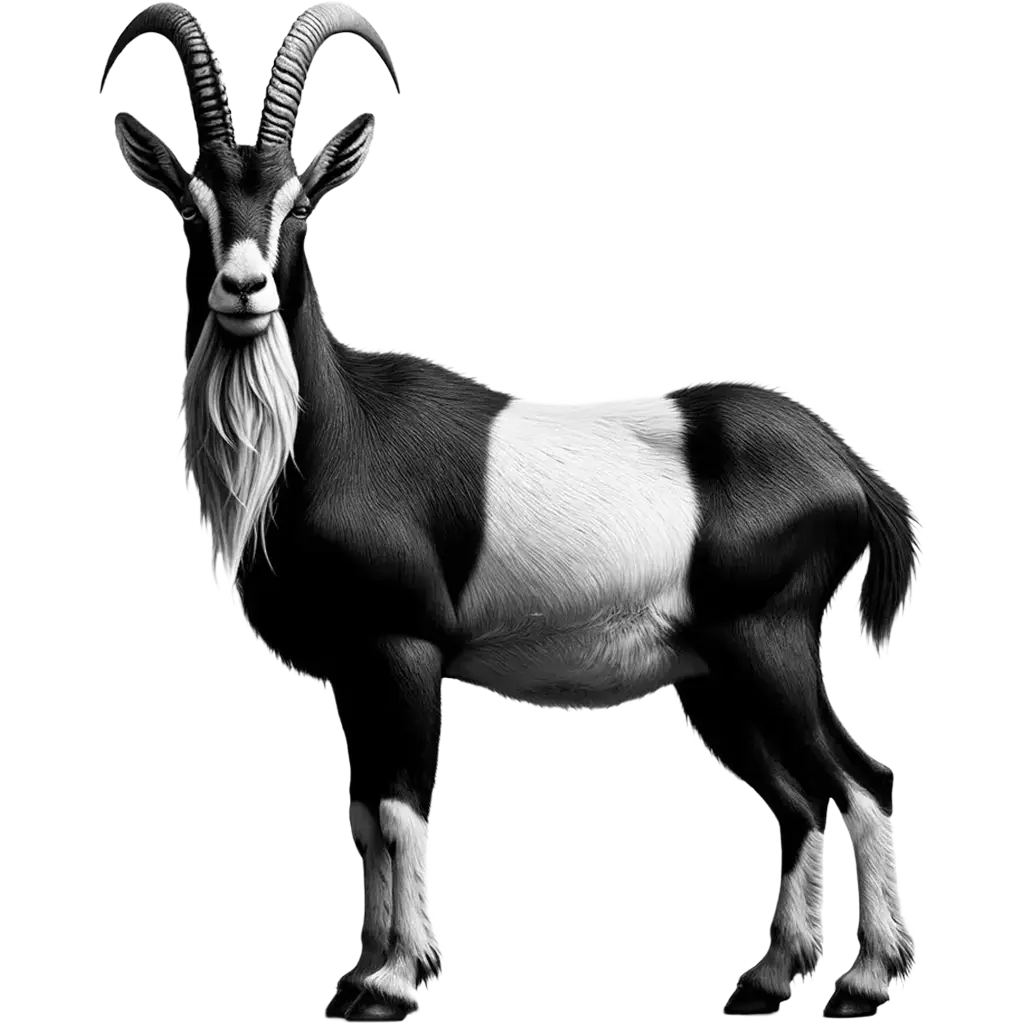
The Wild Goat, capra aegagrus, is the ancestral species from which domestic goats (Capra aegagrus hircus) are derived. It exhibits a robust and agile physique, with adults typically measuring 120 to 150 cm in length and standing 70 to 90 cm tall at the shoulder. Males are larger and more muscular than females, and they boast impressive, backward-curving horns that can reach up to 1 meter in length. The coat of the Wild Goat is generally short and varies in color from light brown to gray, with a darker band along the back and lighter underparts. Both males and females have beards, though those of males are more pronounced.
| Population: | Listed as Vulnerable due to overhunting and habitat loss |
| Generation Length: | 5-6 years |
| Average Weight: | 40-60 kg |
| Average Length: | 120-150 cm in body length, with a height of 70-90 cm at the shoulder |
| Lifespan: | 15-18 years in the wild |
| Diet: | Herbivorous, feeding on a variety of plants and leaves |
| Conservation Status: | Near Threatened (NT) |
Wild Goats are highly adaptable, inhabiting rocky mountain ranges, arid grasslands, and woodland areas. They are skilled climbers, capable of navigating steep and rugged terrains with ease. Socially, Wild Goats live in herds, which are often segregated by sex outside of the breeding season. Males tend to be solitary or form small bachelor groups, while females and their offspring live in larger, more cohesive groups. This social structure plays a crucial role in their survival, offering protection from predators and facilitating access to food and water resources.
The diet of the Wild Goat is herbivorous, consisting predominantly of grasses, herbs, leaves, and twigs. Their feeding behavior is characterized by browsing rather than grazing, allowing them to exploit a variety of plant materials. This dietary flexibility enables them to thrive in environments where food sources may be seasonally scarce or varied.
Reproduction in Wild Goats is seasonal, with mating typically occurring in the late autumn. Males compete for access to females through displays of strength and dominance, including clashing their horns in battles that can be both noisy and dramatic. Females give birth to one or two offspring in the spring, following a gestation period of approximately 150 to 180 days. The young are precocial, able to stand and follow their mothers within hours of birth.
The population of the Wild Goat is considered vulnerable in many of its native habitats, primarily due to overhunting, habitat loss, and competition with livestock for resources. Conservation efforts are focused on habitat protection and the establishment of protected areas to ensure the survival of this species. Despite these challenges, the Wild Goat remains an emblem of wilderness and a key species for biodiversity in the regions it inhabits.
Classifications
The Key Attributes
Features
- Movement:
Walking, climbing
- Territorial Behavior:
Social, forming herds, but males can be solitary or form bachelor groups
- Speed:
Agile and sure-footed in mountainous terrain
- Diet:
Herbivore
- Physical Features:
- Robust body with backward-curved horns in both sexes
- Short-haired coat, with males having a beard and longer hair on the back and shoulders
- Well-adapted hooves for rocky environments
- Primary Senses:
- Sight
- Hearing
- Smell
Understanding Habitat and Range
Geography
- Habitat:
Mountainous regions, rocky outcrops, and arid to semi-arid landscapes
- Migration Patterns:
Sedentary, with seasonal movements related to food availability and weather conditions
- Geographical Range:
Native to the Middle East and Eastern Europe, extending to parts of Asia and the Arabian Peninsula
- Climate Preferences:
Adaptable to a range of climates, but predominantly found in arid and mountainous regions
Navigating the Wilderness
In the wild
- Predators:
Wolves, leopards, and large birds of prey
- Prey:
Not applicable
- Feeding Behavior:
Grazes on a variety of vegetation including grasses, herbs, and shrubs
- Diet:
Herbivorous, feeding on a variety of plants and leaves
- Defensive Mechanisms:
- Using rugged terrain for escape
- Horns used for defense against predators
- Preferred Food Sources:
- Mountainous regions with abundant vegetation
Insights Into Reproduction
Mating
- Mating System:
Polygynous
- Number of Offspring:
1-2 kids
- Gestation Period:
Approximately 5 months
- Parental Involvement:
- Females solely care for the young, with weaning occurring at 4-6 months
Youngsters Section
Wild Goat
Fun Fact
Wild goats are expert climbers, often found on steep and rocky terrains.
Their impressive climbing ability helps them escape predators and access food. They have specialized hooves with rubber-like pads, providing grip and stability on uneven surfaces. These adaptations allow wild goats to navigate mountains with ease, making them one of nature's most agile creatures.

Download word search puzzles
Word Search Puzzles

Check Out Other Mammals
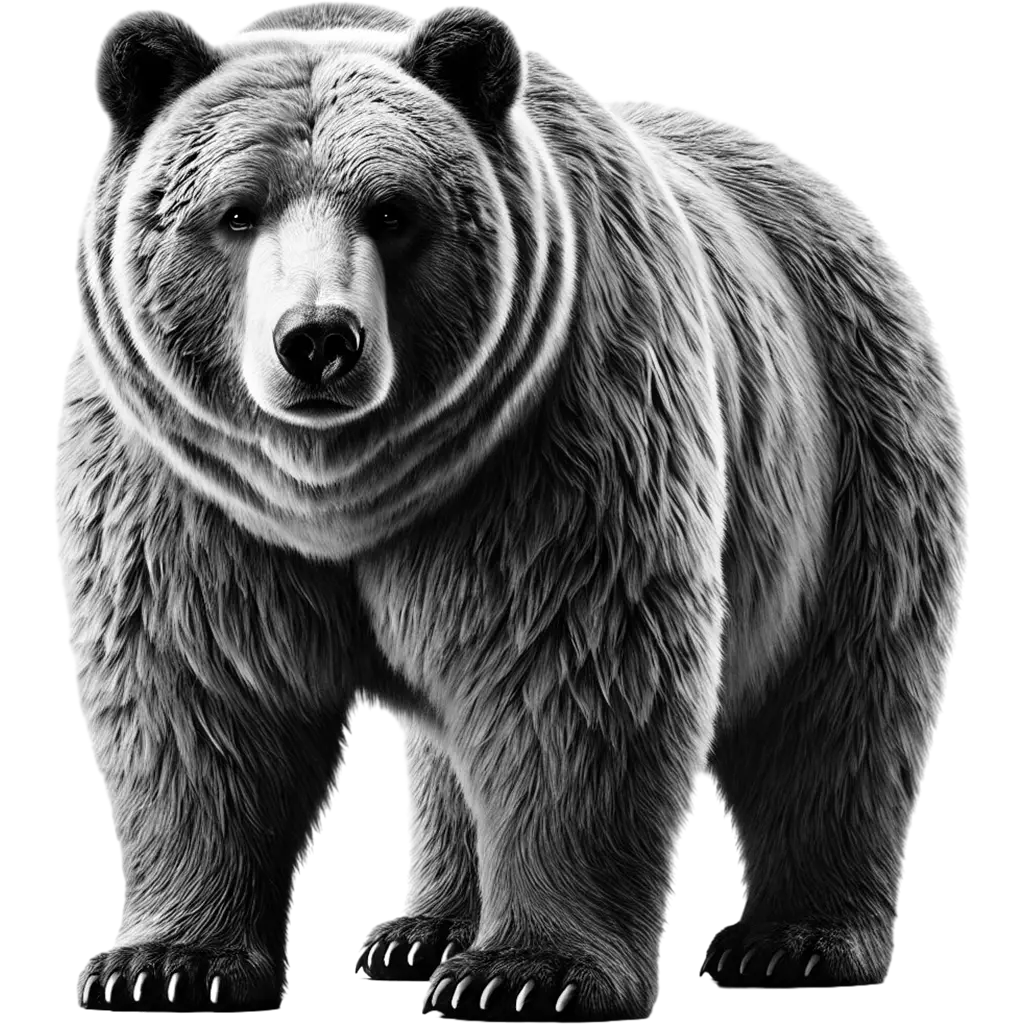
The California Grizzly Bear was a massive, golden-brown bear once abundant throughout California. It was one of the largest subspecies of brown bear, with males reaching weights of up to 900 kg and lengths of over 3 meters. Known for its immense strength and adaptability, this bear thrived in a
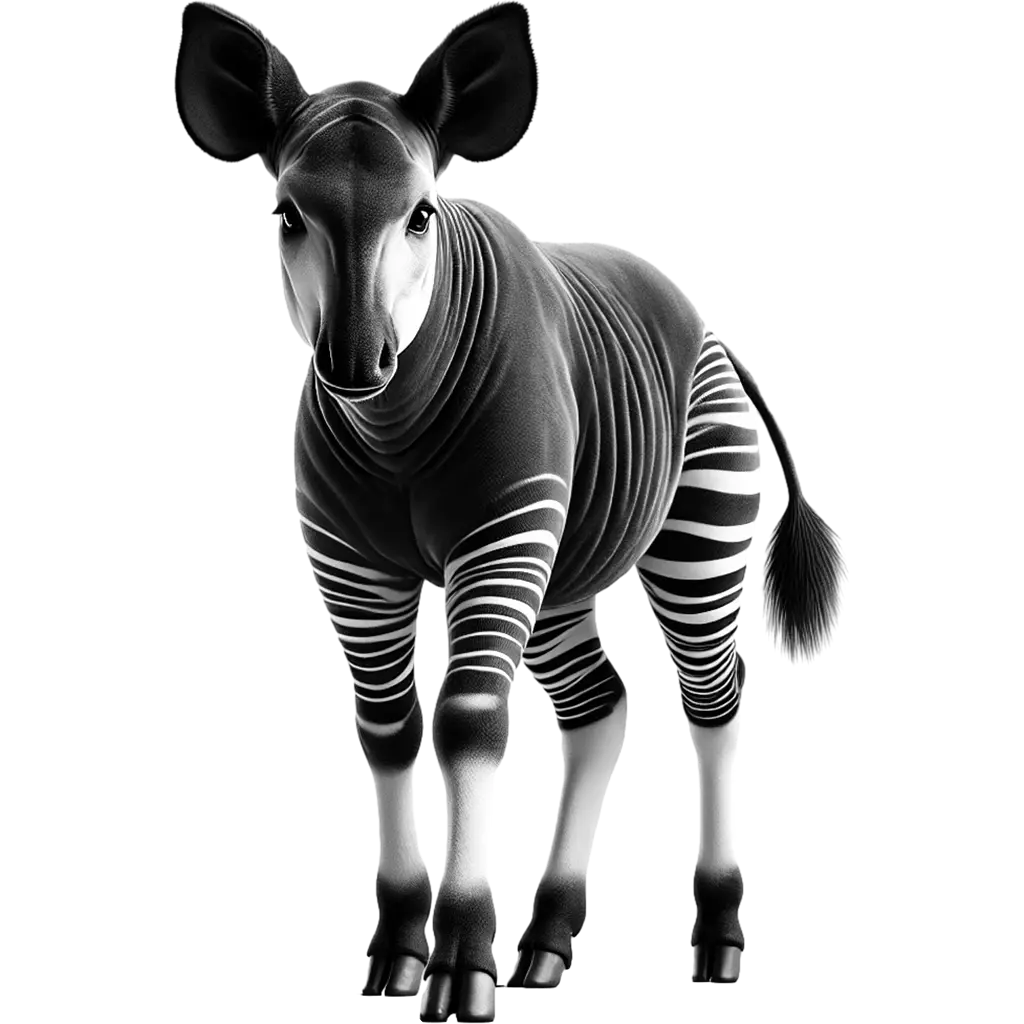
The Okapi, Okapia johnstoni, is a unique mammal endemic to the dense tropical rainforests of the northeastern Democratic Republic of the Congo. Resembling a cross between a giraffe and a zebra, the okapi stands about 1.5 meters tall at the shoulder and measures approximately 2.5 meters in body length. Weighing
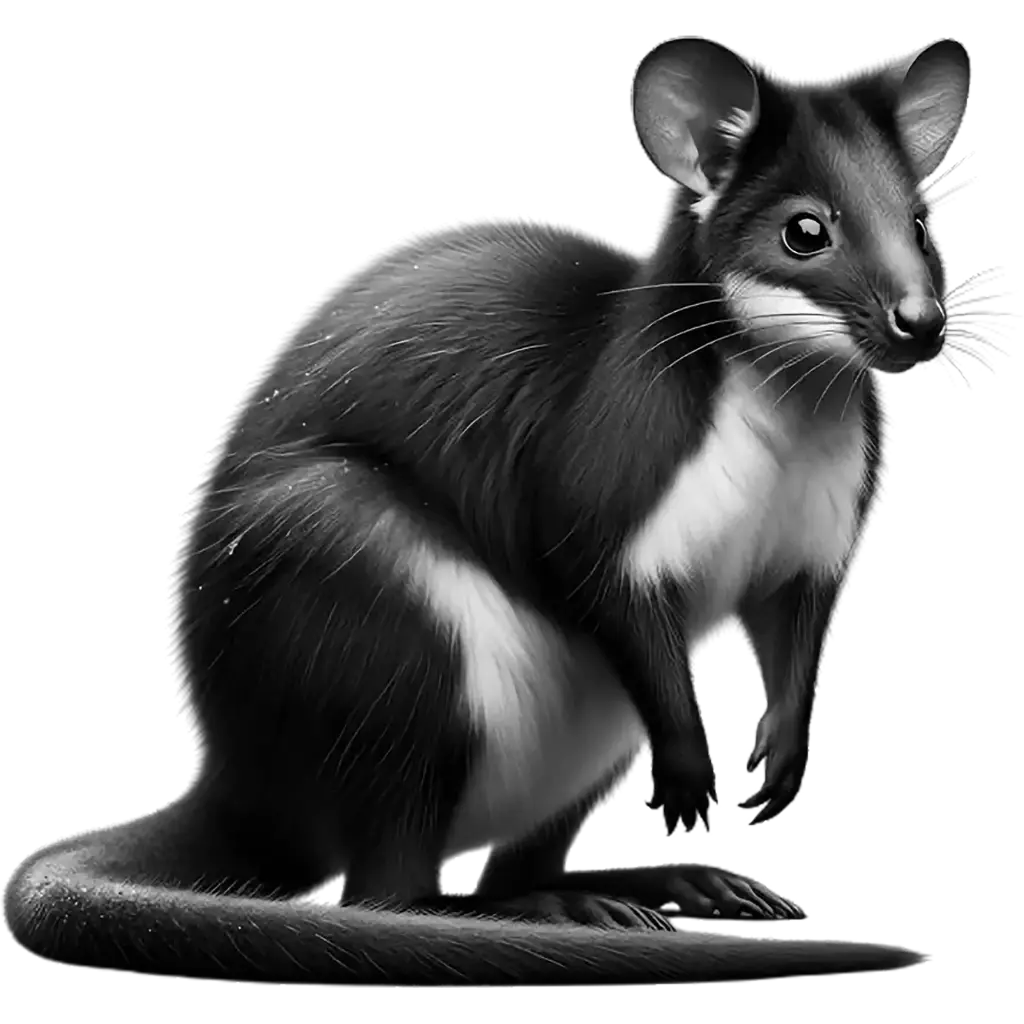
The Musky Rat-Kangaroo, hypsiprymnodon moschatus, is a unique and diminutive marsupial, residing in the dense, wet tropical rainforests of northeastern Queensland, Australia. This species stands out as the smallest and most primitive of the kangaroo family, with adults measuring about 23 to 34 cm in length, including the tail, and
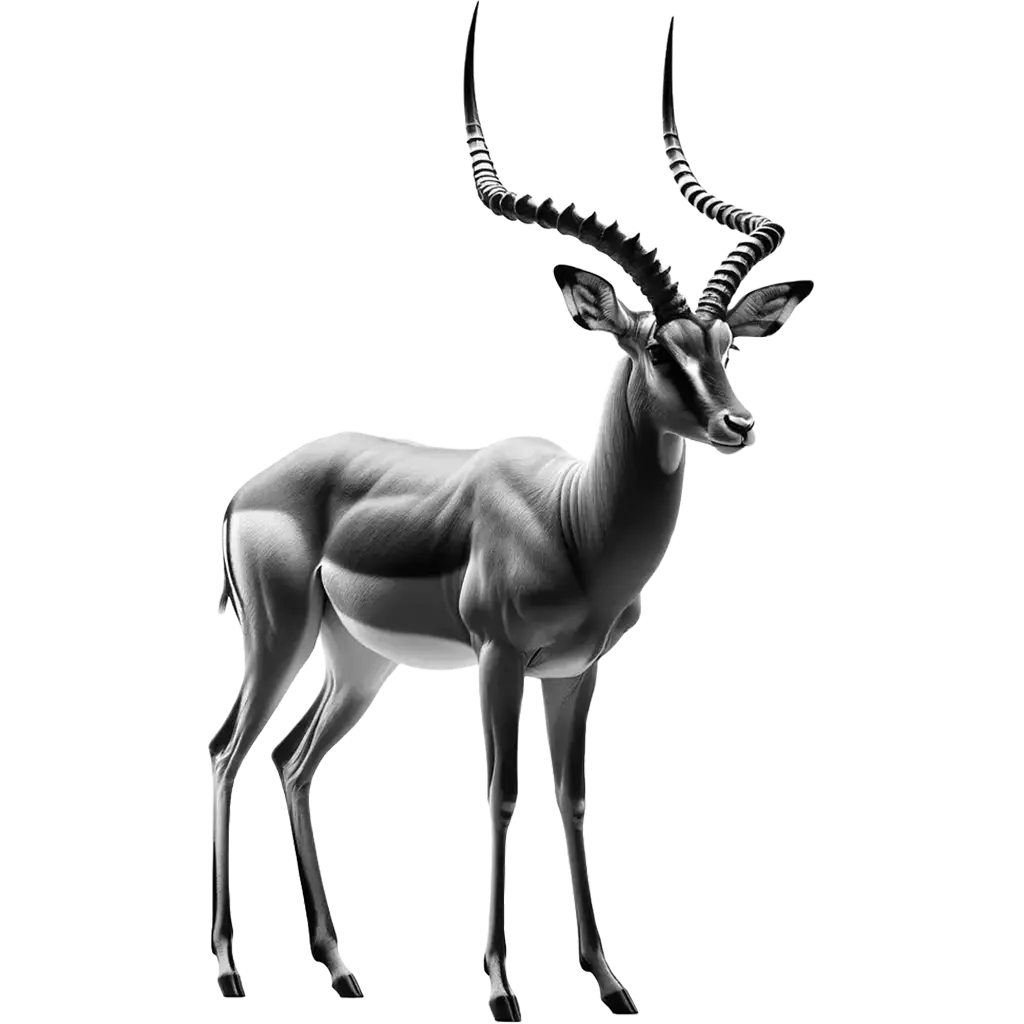
The Impala, aepyceros melampus, is a graceful and agile antelope found across the savannas and woodlands of eastern and southern Africa. Characterized by its slender, athletic build, the Impala has a glossy, reddish-brown coat, with lighter flanks and a distinctive white underbelly. Males boast impressive lyre-shaped horns, which can grow