
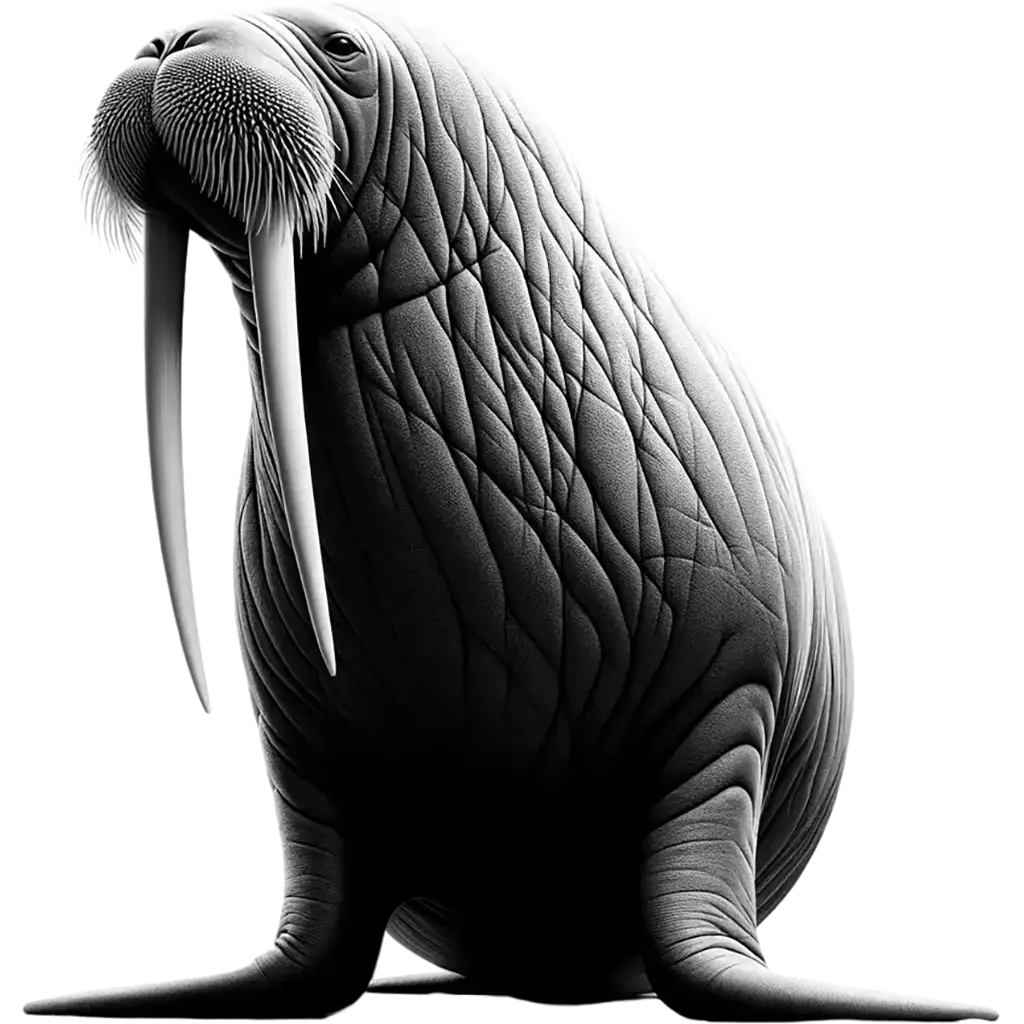
Odobenus Rosmarus
Walrus
Arctic and sub-Arctic regions, on sea ice and in coastal waters
The Walrus, odobenus rosmarus, is a large marine mammal known for its distinctive tusks, whiskers, and massive bulk. Adult males can weigh between 800 to 1,700 kg, with females being somewhat smaller, averaging 400 to 1,250 kg. Both sexes possess long tusks, which can grow up to 1 meter in length, serving as tools for dominance and defense, as well as aids in hauling their hefty bodies out of frigid waters onto ice or land. The Walrus's body is covered in a thick layer of blubber, which provides insulation in the cold Arctic and sub-Arctic waters where they reside.
| Population: | Listed as Vulnerable due to habitat loss and melting sea ice |
| Generation Length: | 15 years |
| Average Weight: | 900-1500 kg for males, 600-800 kg for females |
| Average Length: | 2.5-3.5 meters |
| Lifespan: | Up to 40 years in the wild |
| Diet: | Primarily molluscivorous, using strong suction to extract prey from shells |
| Conservation Status: | Vulnerable (VU) |
Walruses are found primarily in the shallow waters of the Arctic Ocean and the northern seas off North America and Eurasia. They are divided into two subspecies: the Atlantic Walrus (Odobenus rosmarus rosmarus) and the Pacific Walrus (Odobenus rosmarus divergens), with the latter being slightly larger. These animals are social, often found in large herds on sea ice or rocky coastlines, where they rest between feeding sessions.
The diet of the Walrus consists mainly of benthic bivalve mollusks, which they detect with their sensitive whiskers and excavate from the ocean floor using jets of water and their powerful flippers. They may also consume other invertebrates, such as sea cucumbers and gastropods, and occasionally fish.
Reproduction in Walruses involves aquatic courtship that starts in late winter, with males vocalizing and displaying their tusks to attract females. Females give birth to a single calf after a 15 to 16-month gestation period, which includes a delayed implantation of the embryo. Calves are born during the spring migration, on the ice floes in the northern birthing grounds, and are nursed for over a year while remaining closely attached to their mothers.
The population of the Walrus has been affected by historical overhunting, but conservation efforts and international regulations have helped stabilize some populations. However, they face new threats from climate change, particularly the loss of sea ice habitat, which is crucial for their resting, breeding, and feeding behaviors. Conservation initiatives focus on habitat protection, climate change mitigation, and monitoring the impact of industrial activities in the Arctic.
Classifications
The Key Attributes
Features
- Movement:
Swimming, crawling on ice or land
- Territorial Behavior:
Social, living in large herds
- Speed:
Not particularly fast on land but agile in water
- Diet:
Carnivore
- Physical Features:
- Large, robust body with thick skin and blubber
- Long tusks used for defense, dominance displays, and ice navigation
- Whiskered snout with sensitive bristles for detecting food on the seafloor
- Powerful flippers for swimming
- Primary Senses:
- Touch (whiskers), Hearing, Smell
Understanding Habitat and Range
Geography
- Habitat:
Arctic and sub-Arctic regions, on sea ice and in coastal waters
- Migration Patterns:
Migratory, following the movement of sea ice and food sources
- Geographical Range:
Circumpolar Arctic, including the Bering Sea, the Chukchi Sea, and the Atlantic and Laptev sectors of the Arctic Ocean
- Climate Preferences:
Cold, Arctic environments, dependent on sea ice for resting and birthing
Navigating the Wilderness
In the wild
- Predators:
Few natural predators; primarily polar bears and orcas for calves
- Prey:
Clams, snails, worms, and other benthic organisms
- Feeding Behavior:
Feeds on benthic invertebrates like clams, mollusks, and small fish
- Diet:
Primarily molluscivorous, using strong suction to extract prey from shells
- Defensive Mechanisms:
- Tusks for defense and social interactions
- Herding in large groups to deter predators
- Preferred Food Sources:
- Shallow waters rich in benthic invertebrates
Insights Into Reproduction
Mating
- Mating System:
Polygynous
- Number of Offspring:
Usually one calf
- Gestation Period:
About 15-16 months, including delayed implantation
- Parental Involvement:
- Calves are cared for by the mother, with weaning occurring at about 2 years of age
Youngsters Section
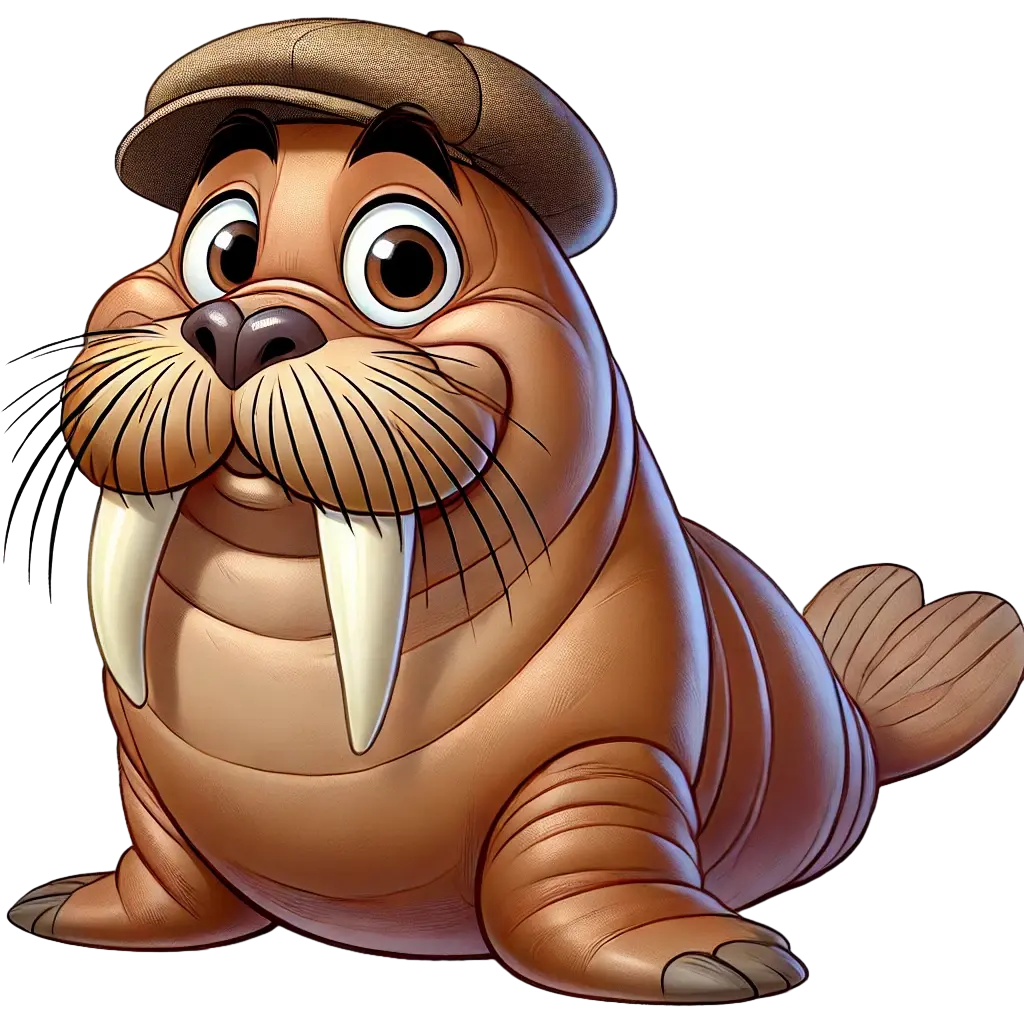
Walrus
Fun Fact
Walruses are known for their impressive tusks, which can grow up to 3 feet long.
These tusks are used for various purposes, such as helping them haul their massive bodies out of icy waters, breaking breathing holes in the ice, and establishing dominance within their social groups. Walruses are social animals often found in large herds, and their tusks are a crucial tool for survival in the Arctic environment.

Download word search puzzles
Word Search Puzzles

Check Out Other Mammals
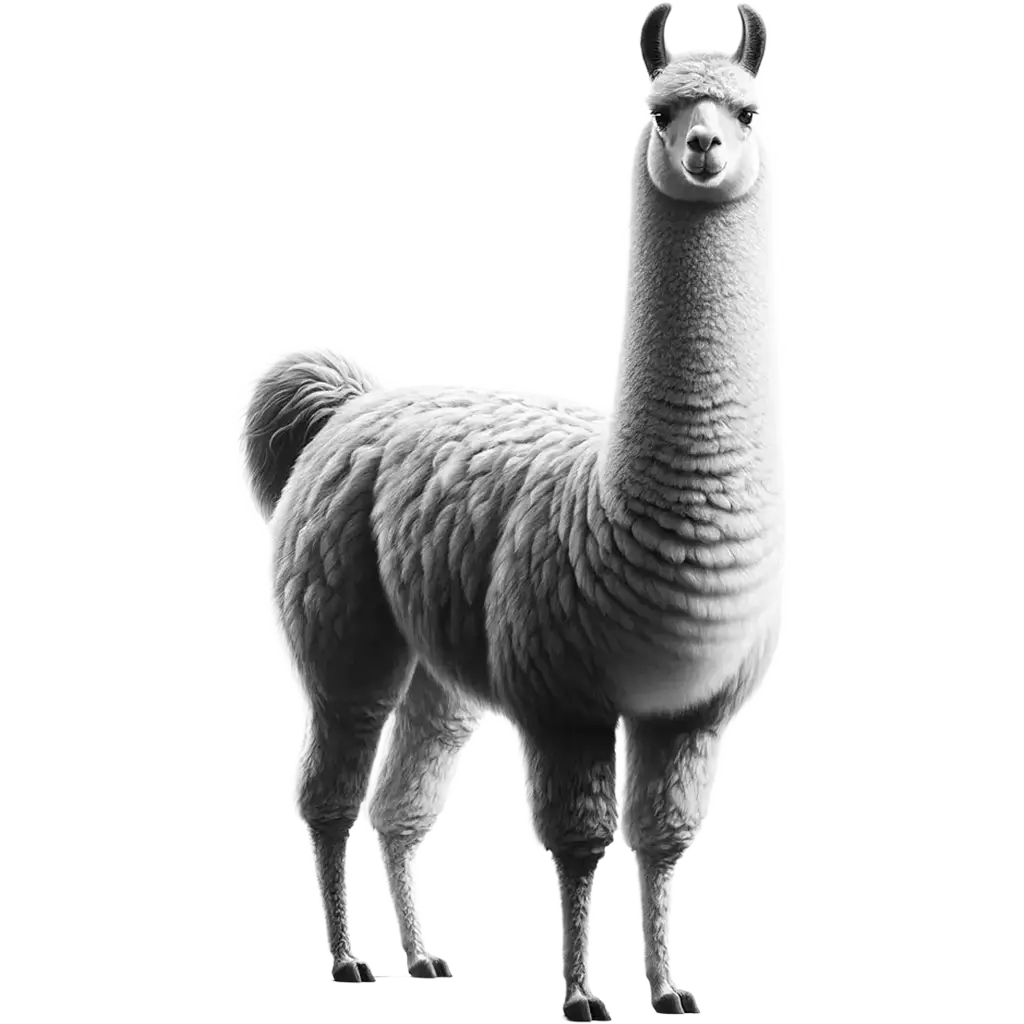
The Llama, lama glama, is a domesticated mammal from the camelid family, known for its long neck, large ears, and distinctive coat which can vary in color from white to black, including shades of brown and gray. Adults stand about 1.7 to 1.8 meters tall at the top of the
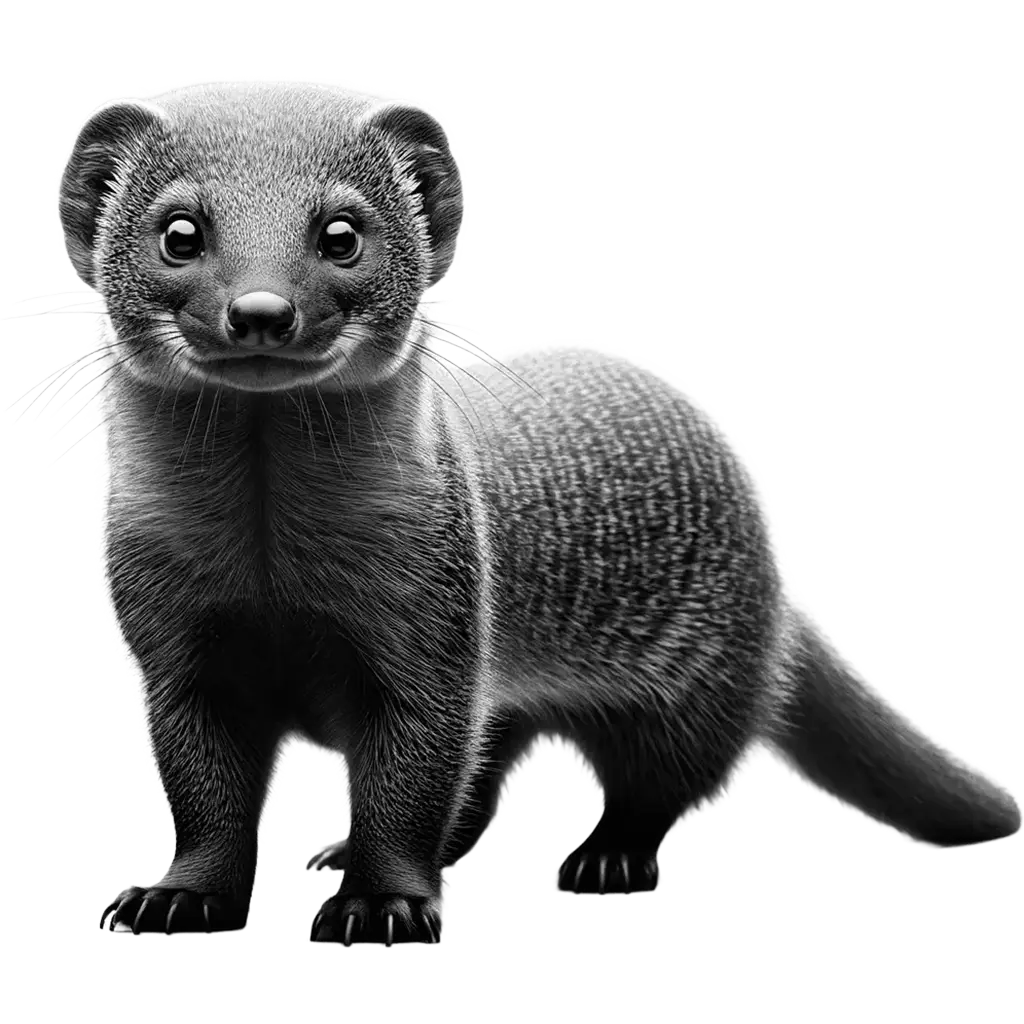
The Indian Brown Mongoose, urva fusca, previously known as Herpestes fuscus, is a small, elusive mammal native to the forests and shrublands of southern India and Sri Lanka. This species is characterized by its dark brown or reddish-brown fur, which helps it blend into the forest floor. It has a
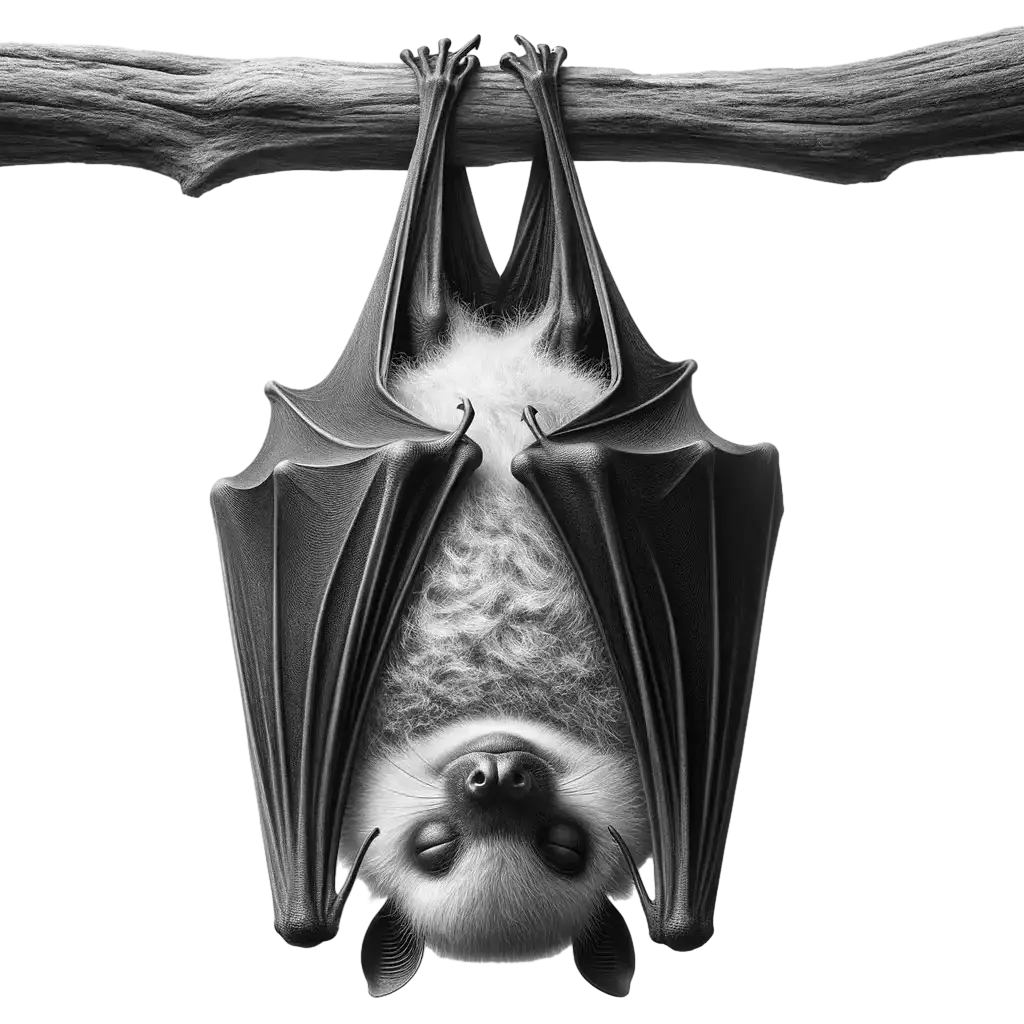
The Japanese House Bat, pipistrellus abramus, is a small, agile bat species prevalent across East Asia, including Japan, Korea, China, and parts of Russia. This species is characterized by its diminutive size, with a body length ranging from 4.5 to 5.5 cm and a wingspan of approximately 22 to 25
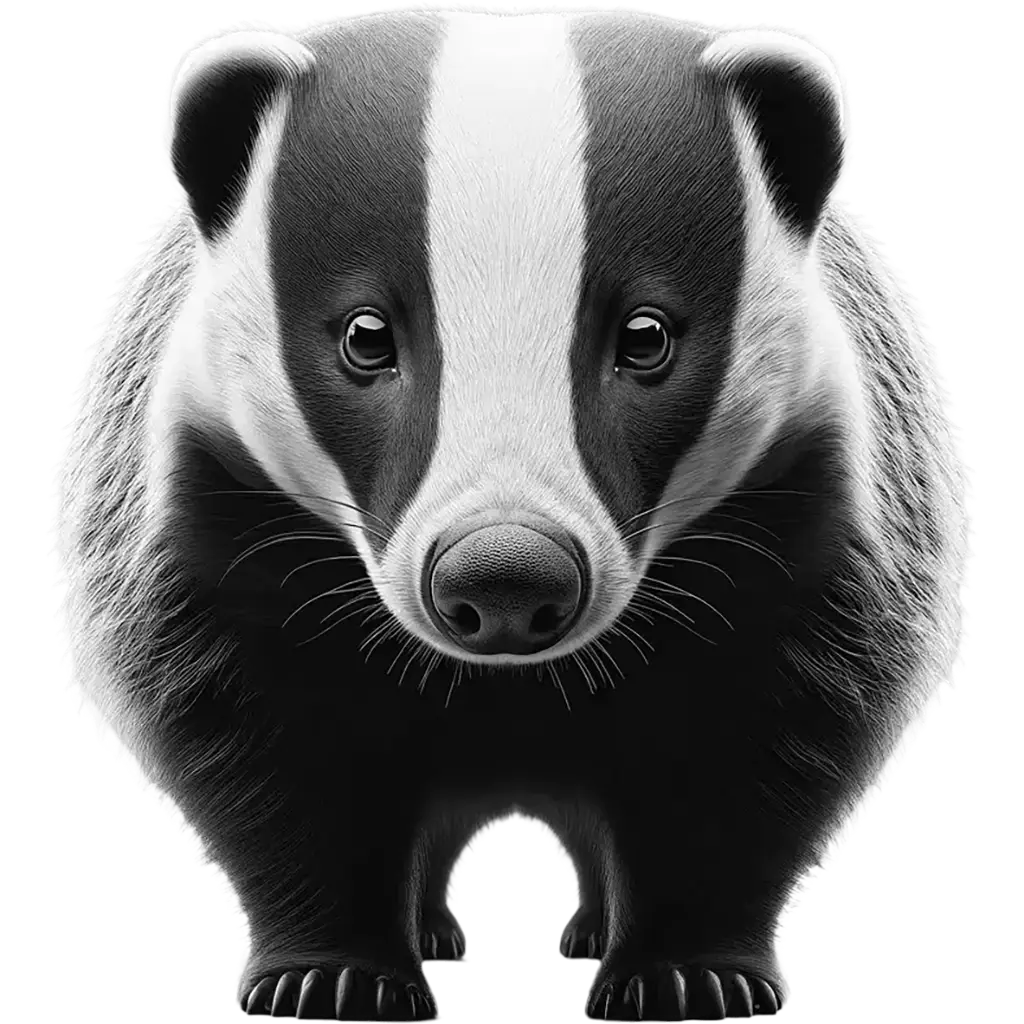
The Sunda Stink Badger, mydaus javanensis, also known as the Javan Stink Badger or Teledu, is a small, skunk-like mammal endemic to the islands of Java, Sumatra, and Borneo in Indonesia and Malaysia. This creature is characterized by its stocky body, short legs, and a distinctive white stripe that runs