
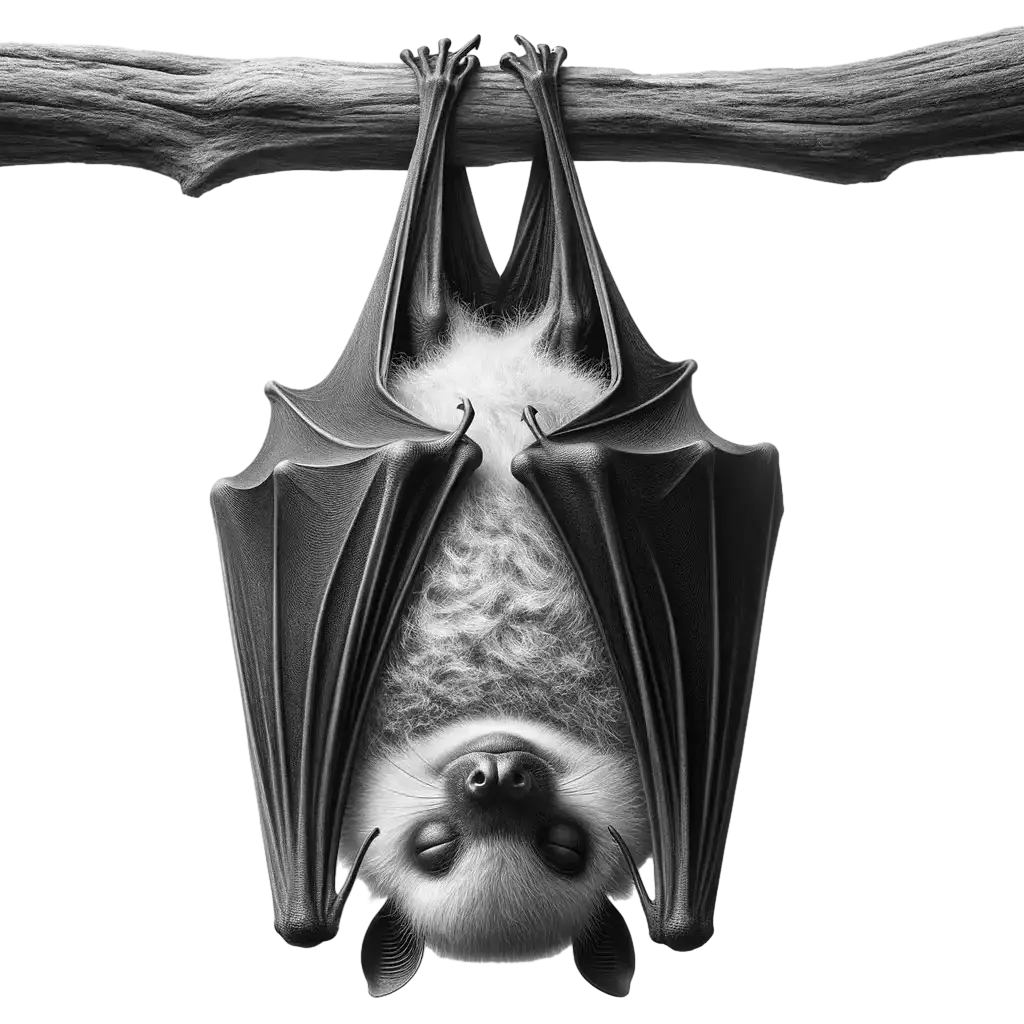
Pipistrellus Abramus
Japanese House Bat
Urban and suburban areas, farmland, and near water bodies
The Japanese House Bat, pipistrellus abramus, is a small, agile bat species prevalent across East Asia, including Japan, Korea, China, and parts of Russia. This species is characterized by its diminutive size, with a body length ranging from 4.5 to 5.5 cm and a wingspan of approximately 22 to 25 cm. Its fur is typically dark brown to reddish-brown, providing camouflage in its roosting environments. Despite its small size, the Japanese House Bat is known for its robust flight and echolocation abilities, making it an effective nocturnal hunter.
| Population: | Listed as Least Concern, with stable populations |
| Generation Length: | 2-3 years |
| Average Weight: | 4-8 grams |
| Average Length: | 4.5-5.5 cm in body length, with a wingspan of 22-25 cm |
| Lifespan: | 4-5 years in the wild |
| Diet: | Exclusively insectivorous, relying on aerial hawking to catch prey |
| Conservation Status: | Least Concern (LC) |
Japanese House Bats primarily roost in man-made structures such as buildings, bridges, and under eaves, where they form small to large colonies. These bats are highly adaptable to urban environments, often found in close proximity to human dwellings. They exhibit strong site fidelity, returning to the same roosting sites year after year. During the day, they remain hidden in their roosts, emerging at dusk to feed.
The diet of the Japanese House Bat consists mainly of small flying insects, including moths, beetles, and mosquitoes. Their feeding activity plays a crucial role in controlling insect populations, benefiting agricultural and urban areas by reducing pests. They use echolocation, emitting high-frequency sounds that bounce off objects and prey, to navigate and hunt in the dark.
Reproduction in the Japanese House Bat occurs once a year, with mating taking place in the autumn. Females store sperm through the winter, ovulating and fertilizing the eggs in the spring. They give birth to one or two pups in the early summer, usually in June or July. The young are born in maternity colonies, where they remain until they are capable of flight and foraging on their own.
The population of the Japanese House Bat is considered stable, but it faces threats from habitat destruction, pesticide use, and disturbance to roosting sites. Conservation efforts are focused on preserving their natural habitats and roosting sites, as well as promoting awareness of the ecological benefits bats provide. The Japanese House Bat, like other bat species, is an essential part of the ecosystem, contributing to the health of natural and human-modified environments.
Classifications
The Key Attributes
Features
- Movement:
Flying
- Territorial Behavior:
Social, often found in colonies
- Speed:
Fast and agile in flight
- Diet:
Insectivore
- Physical Features:
- Small size with a compact body
- Short, broad wings adapted for quick, agile flying
- Ears are short and rounded
- Fur is typically grey or dark brown
- Primary Senses:
- Echolocation
- Hearing
- Sight
Understanding Habitat and Range
Geography
- Habitat:
Urban and suburban areas, farmland, and near water bodies
- Migration Patterns:
Largely sedentary, with some local movements in response to food availability
- Geographical Range:
East Asia, including Japan, China, Korea, and parts of Russia
- Climate Preferences:
Temperate to subtropical regions
Navigating the Wilderness
In the wild
- Predators:
Birds of prey and larger bats
- Prey:
Moths, flies, beetles, and other small insects
- Feeding Behavior:
Feeds on a variety of insects, catching them in mid-flight
- Diet:
Exclusively insectivorous, relying on aerial hawking to catch prey
- Defensive Mechanisms:
- Evasive flying patterns
- Roosting in concealed locations during the day
- Preferred Food Sources:
- Areas rich in insect populations, often near water or open fields
Insights Into Reproduction
Mating
- Mating System:
Polygynous
- Number of Offspring:
Usually one pup
- Gestation Period:
About 40-50 days
- Parental Involvement:
- Females care for the young in maternity colonies
Youngsters Section
Japanese House Bat
Fun Fact
The Japanese house bat is a small bat species found in urban areas throughout East Asia.
These bats are known for their adaptability to city life, often roosting in buildings. They help control insect populations by consuming large quantities of bugs, making them beneficial to humans. Their echolocation abilities allow them to navigate and hunt efficiently at night.

Download word search puzzles
Word Search Puzzles


Check Out Other Mammals

The Bengal Tiger, panthera tigris, stands as a majestic symbol of the wilderness, embodying strength, agility, and grace. This subspecies is distinguished by its vibrant orange coat adorned with dark stripes, a characteristic that provides camouflage in the dense forests and grasslands of its habitat. Adult Bengal Tigers are formidable

The Coyote, canis latrans, is a highly adaptable and versatile canid native to North America. Adults typically measure between 1.0 to 1.35 meters in length, including the tail, and weigh between 15 to 46 kg, with males generally larger than females. Their fur color can vary widely from grayish-brown to
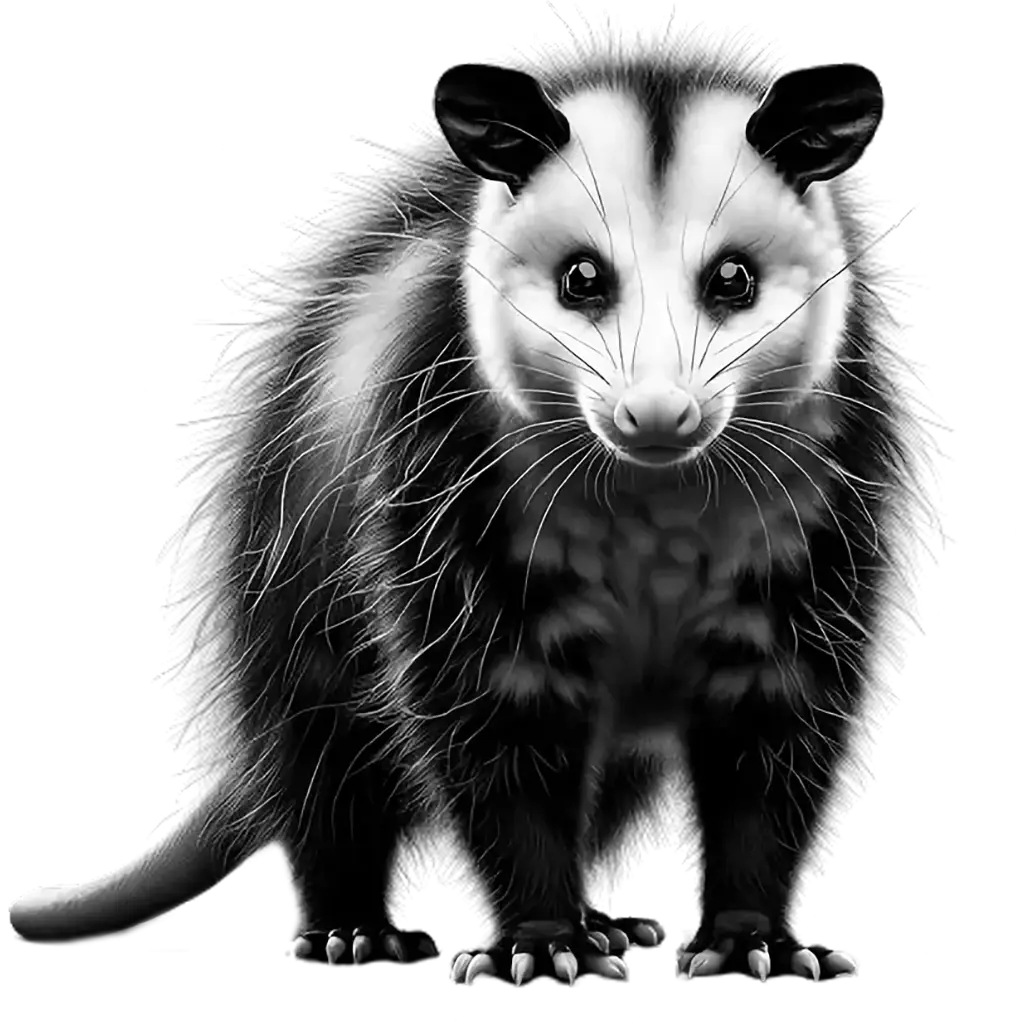
The Virginia Opossum, didelphis virginiana, is North America's only marsupial, recognized for its distinctive appearance and adaptability to diverse environments. Adults typically measure 65 to 94 cm in length, including their prehensile tail, which accounts for almost half their body length and is used for grasping and balance. Their coat

The Daurian Pika, ochotona dauurica, is a small, herbivorous mammal belonging to the pika family, which resides predominantly in the steppe regions of Mongolia, parts of Russia, and northern China. This species is characterized by its compact body, rounded ears, and absence of a visible tail, typical of pikas. Adult