
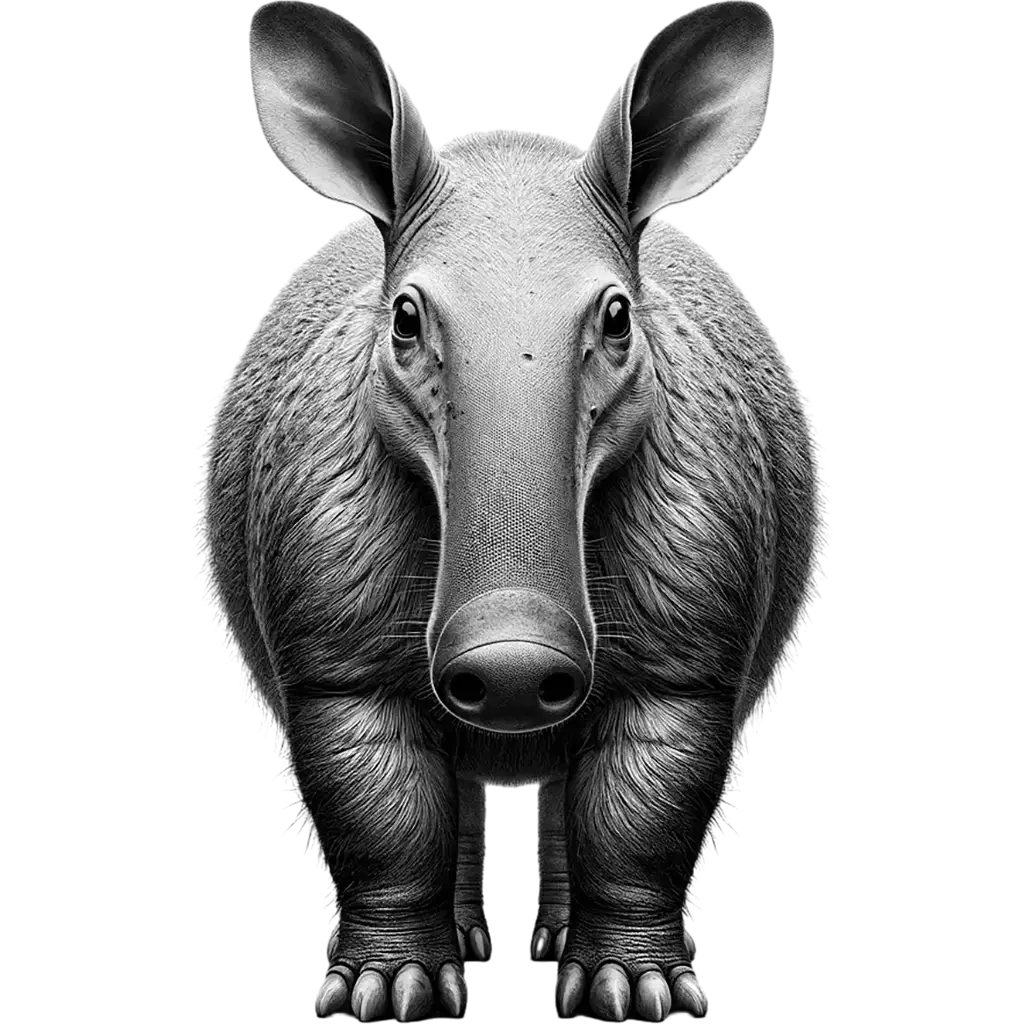
Orycteropus Afer
Aardvark
Savannas, grasslands, woodlands, and areas with loose soil for burrowing
The Aardvark, orycteropus afer, is a unique mammal native to Africa, distinguished by its pig-like snout, long ears, and powerful limbs equipped with large claws. It measures approximately 1 to 1.5 meters in length and weighs between 40 to 65 kg. The Aardvark's body is covered in coarse, sparse fur that ranges in color from pinkish-gray to brown, providing camouflage in its natural habitat. Its tail is thick at the base, tapering to a point, adding to its distinctive silhouette. This nocturnal creature is solitary, spending the day in extensive burrows it digs to escape the African heat and predators.
| Population: | Listed as Least Concern, but facing habitat pressures |
| Generation Length: | 7 years |
| Average Weight: | 40-65 kg |
| Average Length: | 1-1.5 meters, with a tail of 45-60 cm |
| Lifespan: | 10-23 years in the wild |
| Diet: | Myrmecophagous, specializing in ants and termites |
| Conservation Status: | Least Concern (LC) |
Aardvarks are specialized feeders, with their diet almost exclusively consisting of ants and termites, which they locate with their keen sense of smell. At night, they venture out to feed, using their strong, spade-like claws to break into termite mounds and their long, sticky tongue to collect their prey. This diet makes them an important part of their ecosystem, controlling insect populations and aerating the soil through their digging activities.
The diet of the Aardvark is highly specialized, focusing on ants and termites. They can consume up to 50,000 insects in one night, using their powerful claws to open nests and their elongated tongue, which can be up to 30 cm long, to lap up insects. Their stomach is muscular and acts as a gizzard to grind the food, aided by ingested stones and sand.
Reproduction in Aardvarks is solitary except during the mating season. Females give birth to a single calf after a gestation period of approximately seven months. The calf is born in the safety of the underground burrow and remains hidden for two weeks before starting to accompany its mother on foraging trips. It is weaned around three months but may stay with the mother until the next calf is born.
The population of the Aardvark is considered stable, though they face threats from habitat destruction and hunting. Their secretive nature and nocturnal habits make them difficult to study, and much about their behavior and ecology remains unknown. Conservation efforts focus on habitat protection and reducing hunting pressures to ensure the survival of this unique species in the wild.
Classifications
The Key Attributes
Features
- Movement:
Walking, digging
- Territorial Behavior:
Solitary, with overlapping home ranges
- Speed:
Capable of quick bursts when escaping predators
- Diet:
Insectivore
- Physical Features:
- Long, pig-like snout used for sniffing out food
- Large ears that can stand erect or be folded down
- Strong, spade-like claws for digging
- Thick-skinned, mostly hairless body with some sparse fur
- Primary Senses:
- Smell
- Hearing
Understanding Habitat and Range
Geography
- Habitat:
Savannas, grasslands, woodlands, and areas with loose soil for burrowing
- Migration Patterns:
Non-migratory, but may roam widely in search of food
- Geographical Range:
Sub-Saharan Africa
- Climate Preferences:
Prefers warmer climates without extreme cold
Navigating the Wilderness
In the wild
- Predators:
Lions, leopards, and hyenas
- Prey:
Ants, termites, and occasionally other insects
- Feeding Behavior:
Nocturnal forager, primarily eating ants and termites
- Diet:
Myrmecophagous, specializing in ants and termites
- Defensive Mechanisms:
- Burrowing into the ground to escape predators
- Thick skin provides some protection against bites and stings
- Preferred Food Sources:
- Areas with abundant ant and termite colonies
Insights Into Reproduction
Mating
- Mating System:
Polygynous
- Number of Offspring:
Usually one offspring
- Gestation Period:
7 months
- Parental Involvement:
- Female cares for the young in a burrow, with little to no involvement from the male
Youngsters Section
Aardvark
Fun Fact
Aardvarks are expert diggers that can burrow into the ground at an impressive speed.
Their powerful claws and strong limbs allow them to dig up to two feet in just 15 seconds. Aardvarks use their burrowing skills to create shelters and escape predators. These nocturnal creatures primarily feed on ants and termites, using their long, sticky tongues to capture prey.

Download word search puzzles
Word Search Puzzles
Check Out Other Mammals
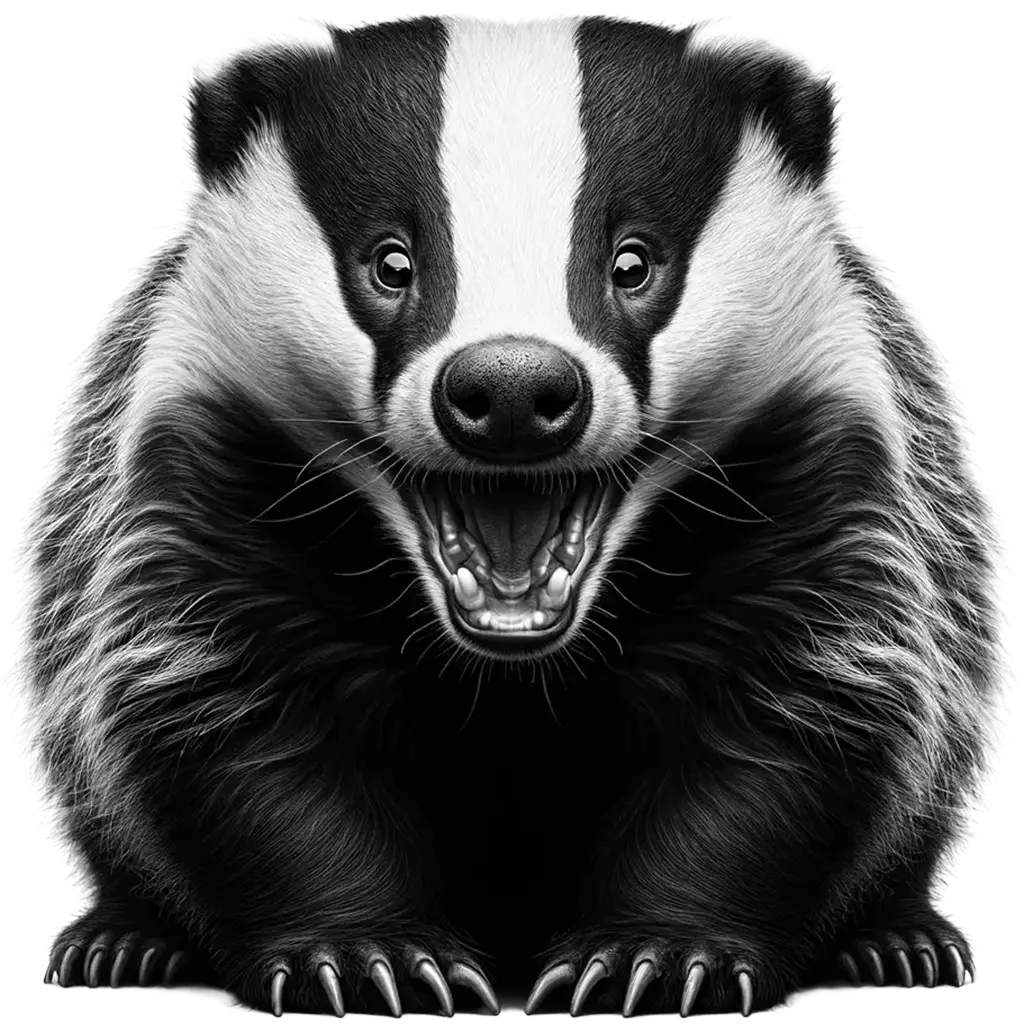
The American Badger, taxidea taxus, is a robust, low-slung mammal known for its powerful digging abilities, which are facilitated by its strong forelimbs and long claws. This creature sports a distinctive appearance with a broad, flat body, short legs, and a short, bushy tail. Adults typically measure around 60 to

The Honey Badger, mellivora capensis, is renowned for its robust and fearless nature, often cited as one of the most formidable animals in its habitat. Its body is relatively small but powerfully built, ranging from 55 to 77 cm in length, with a distinctive broad and thick-set torso, short legs,
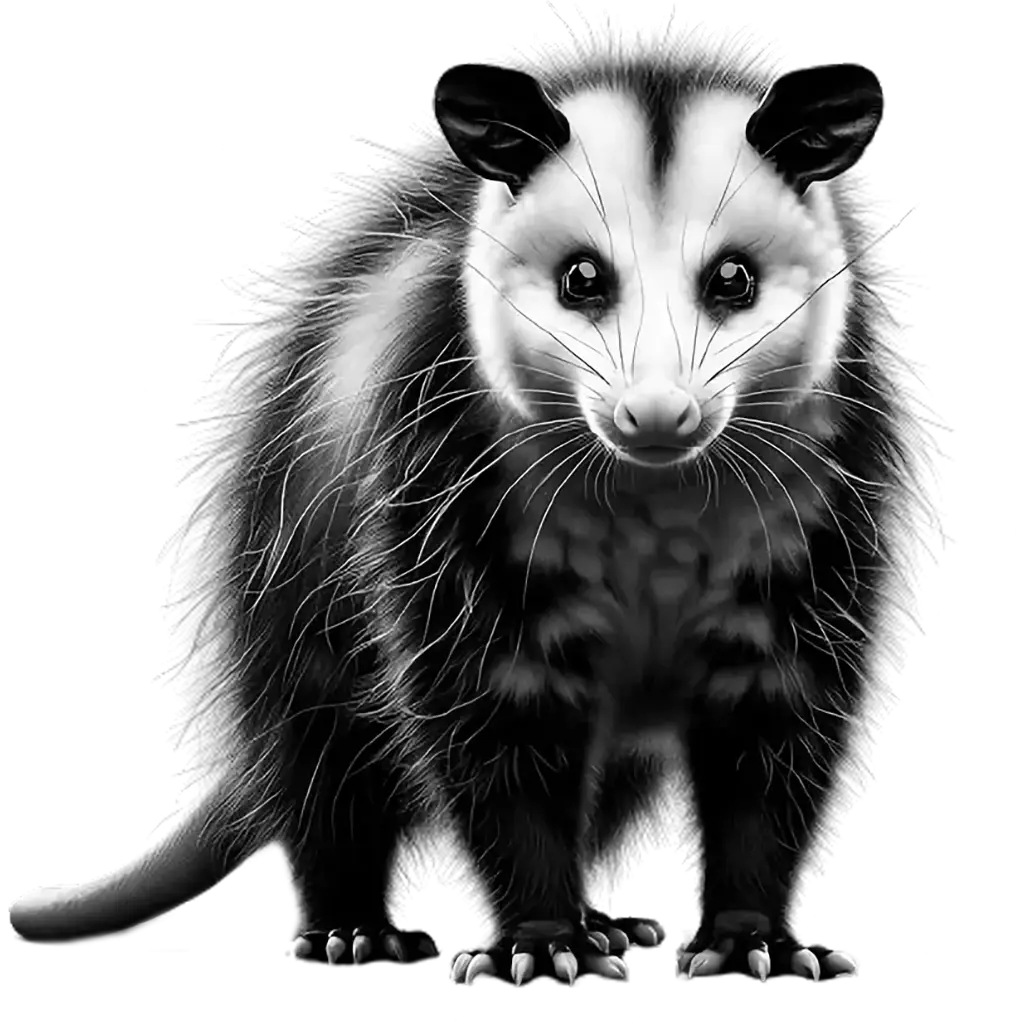
The Virginia Opossum, didelphis virginiana, is North America's only marsupial, recognized for its distinctive appearance and adaptability to diverse environments. Adults typically measure 65 to 94 cm in length, including their prehensile tail, which accounts for almost half their body length and is used for grasping and balance. Their coat
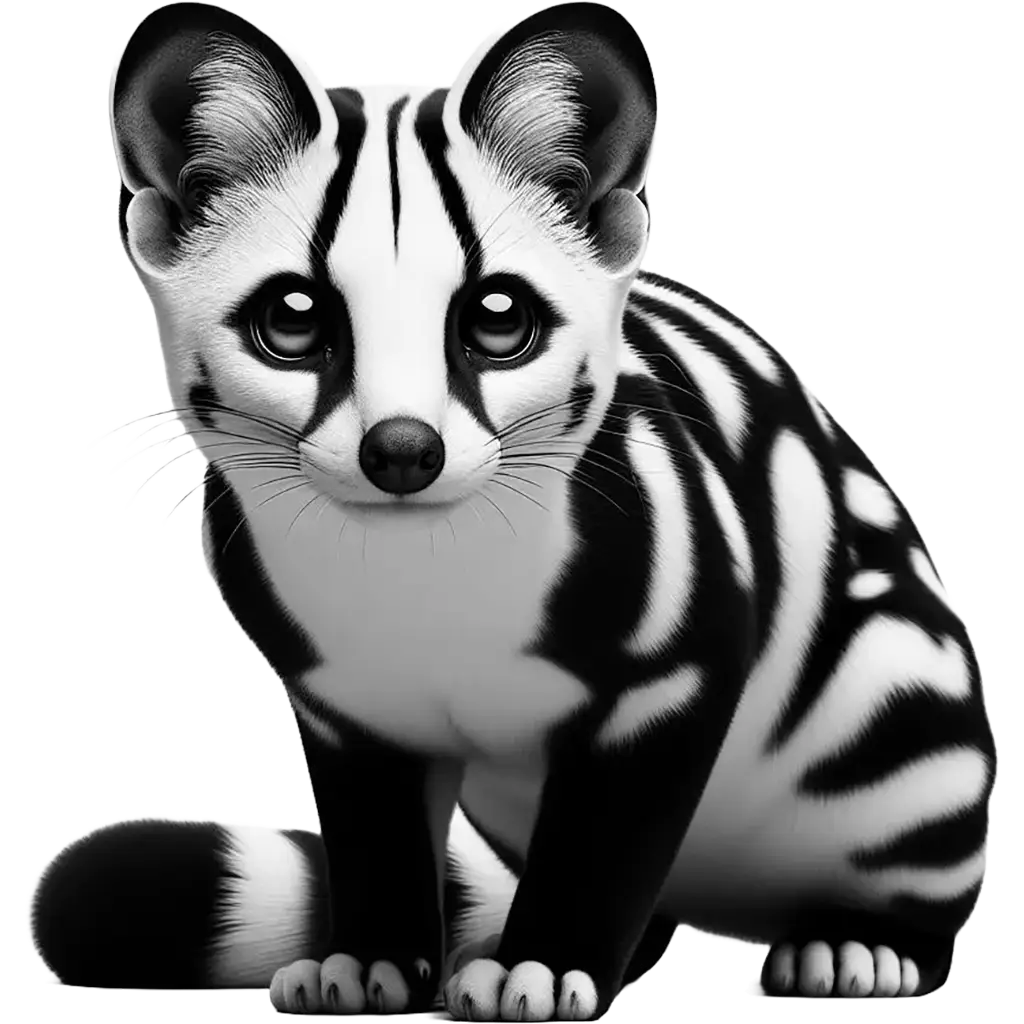
The Hausa Genet, Genetta thierryi, is a small, elusive carnivore native to West Africa, with its range extending from Senegal to Nigeria. This species is one of the lesser-known members of the Viverridae family, which includes genets and civets. Adult Hausa Genets typically measure between 40 to 46 centimeters (15.7