

Marmota Monax
Groundhog
Woodlands, open fields, and grassy areas with well-drained soil
The groundhog is a stout, robust rodent characterized by its stocky body, short legs, and bushy tail. Its dense, coarse fur is typically a mix of brown and gray hues, which helps it blend into woodland and field environments. The broad, rounded head is complemented by prominent incisors and small, expressive eyes. This well-built creature has a solid, compact frame that is perfectly adapted for a life spent mostly underground, with a sturdy build that conveys both strength and resilience.
| Population: | Widespread in North America, with stable populations but localized fluctuations due to predation and human interference |
| Generation Length: | Approximately 2-3 years |
| Average Weight: | 4-9 kg |
| Average Length: | Approximately 60-70 cm |
| Lifespan: | Approximately 6-8 years in the wild; up to 14 years in captivity |
| Diet: | Herbivorous, consuming grasses, clovers, wild fruits, and garden vegetables |
| Conservation Status: | Least Concern (LC) |
Groundhogs are highly active diurnal creatures that spend much of their time above ground during the early morning and late afternoon. They are known for their extensive burrowing habits, excavating complex tunnel systems that serve as both homes and escape routes from predators. Often found in open fields, woodlands, and grassy areas, they are territorial and maintain established home ranges which they mark with scent. Groundhogs are curious and sometimes social, engaging in cautious interactions with neighboring individuals while foraging. These behaviors ensure survival and contribute to their adaptability in various environments.
Groundhogs are strictly herbivorous, with a diet that consists mainly of grasses, clovers, and a variety of garden vegetables. They also consume wild fruits, berries, and occasionally bark or roots, especially when preferred vegetation is scarce. Their feeding habits play a significant role in controlling plant overgrowth and influencing the local flora. By grazing on diverse plants, they obtain essential nutrients such as carbohydrates, vitamins, and minerals necessary for energy. Their digestive systems are well adapted to break down tough, fibrous materials, ensuring efficient nutrient absorption and contributing to soil health through their foraging and burrowing activities.
During the breeding season, groundhogs engage in brief but vigorous courtship displays. Males approach receptive females with a series of nose-to-nose encounters and playful chases. Following mating, the female prepares a nest in her burrow, where she gives birth after a gestation of about 30 days. The precise timing of these reproductive events is critical for maximizing offspring survival in seasonal climates.
Groundhogs are widespread and maintain stable populations across many parts of North America, though local numbers can fluctuate due to predation, human interference, and environmental changes. Their burrowing habits and adaptive foraging strategies allow them to thrive in a variety of habitats. Nonetheless, they face challenges from habitat modification and pest control measures, which can impact local population densities significantly.
Classifications
The Key Attributes
Features
- Movement:
Quadrupedal and adept at burrowing; capable of digging extensive tunnel systems
- Territorial Behavior:
Semi-social; often sharing burrow systems yet exhibiting territorial tendencies
- Speed:
Not particularly fast above ground; relies on quick dashes and underground escape routes
- Diet:
Herbivore
- Physical Features:
- Stocky body with short, sturdy legs
- Bushy tail
- Dense, coarse fur in brown and gray tones
- Broad, rounded head with prominent incisors
- Primary Senses:
- Sight
- Hearing
- Smell
Understanding Habitat and Range
Geography
- Habitat:
Woodlands, open fields, and grassy areas with well-drained soil
- Migration Patterns:
Non-migratory; individuals remain within established territories
- Geographical Range:
Widespread across North America
- Climate Preferences:
Temperate climates with distinct seasonal variations
Navigating the Wilderness
In the wild
- Predators:
Coyotes, foxes, eagles, and humans
- Prey:
Not applicable; feeds exclusively on plant material
- Feeding Behavior:
Diurnal forager; spends time grazing on vegetation and foraging near its burrows
- Diet:
Herbivorous, consuming grasses, clovers, wild fruits, and garden vegetables
- Defensive Mechanisms:
- Burrowing to escape predators
- Alert vocalizations to warn others
- Preferred Food Sources:
- Grasses
- Clovers
- Garden vegetables
Insights Into Reproduction
Mating
- Mating System:
Promiscuous; males may mate with multiple females during the breeding season
- Number of Offspring:
Typically 2-6 young per litter
- Incubation Period:
Gestation lasts approximately 32-36 days
- Parental Involvement:
- Females care for the young in their burrows; males do not participate
Youngsters Section
Groundhog
Fun Fact
The groundhog is a cute, chubby rodent with a thick, brown coat and sharp claws. It's famous for popping out of its burrow to check the weather!
Groundhogs are expert diggers, creating elaborate underground homes to stay safe from predators. They spend most of their time munching on plants and taking long naps. When spring comes, they're known for their famous "weather prediction," emerging from their burrows to see if they spot their shadow!

Download word search puzzles
Word Search Puzzles


Check Out Other Mammals
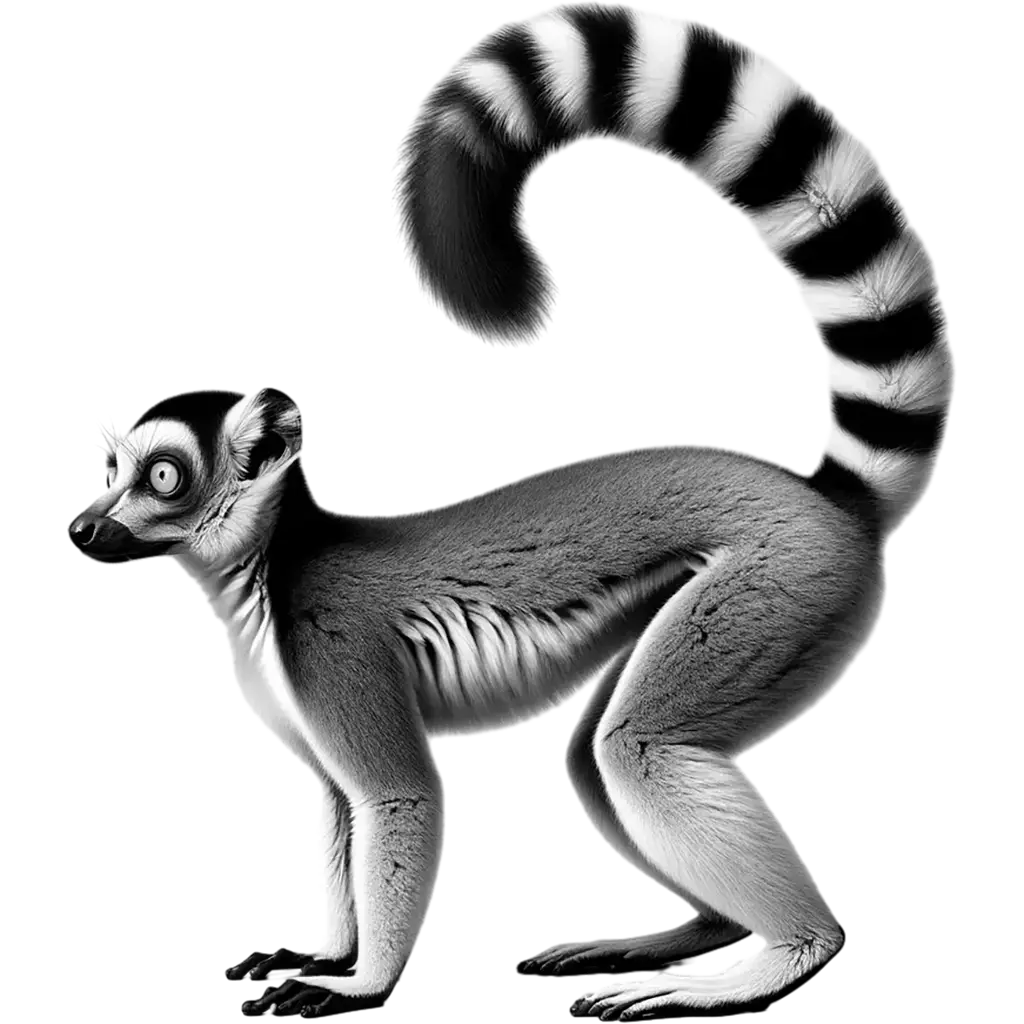
The White-Footed Sportive Lemur, lepilemur leucopus, is a small, nocturnal primate endemic to the dry forests of southern Madagascar. Adults typically weigh between 600 to 700 grams and measure around 27 to 28 cm in length, not including their bushy tails which add an additional 25 to 26 cm. This

The European Rabbit, oryctolagus cuniculus, is a small mammal native to southwestern Europe and northwest Africa. With a compact body, the rabbit has a robust build, short tail, and long ears that can measure up to 7 cm in length. Adults typically weigh between 1.2 to 2.5 kg and have

The Scottish Deerhound, a breed of majestic stature and gentle temperament, is revered for its grace and dignity. Standing up to 32 inches at the shoulder and weighing as much as 110 pounds, this breed possesses a rough coat that can range from gray to brindle, sandy, and blue-gray, providing

The Monito Del Monte is a diminutive, endearing marsupial with a soft coat of brown fur, large, round eyes, and an elongated snout that gives it a uniquely primate-like appearance. Its compact body, measuring approximately 12-15 cm with a nearly equal-length tail, and agile limbs create an overall look of