
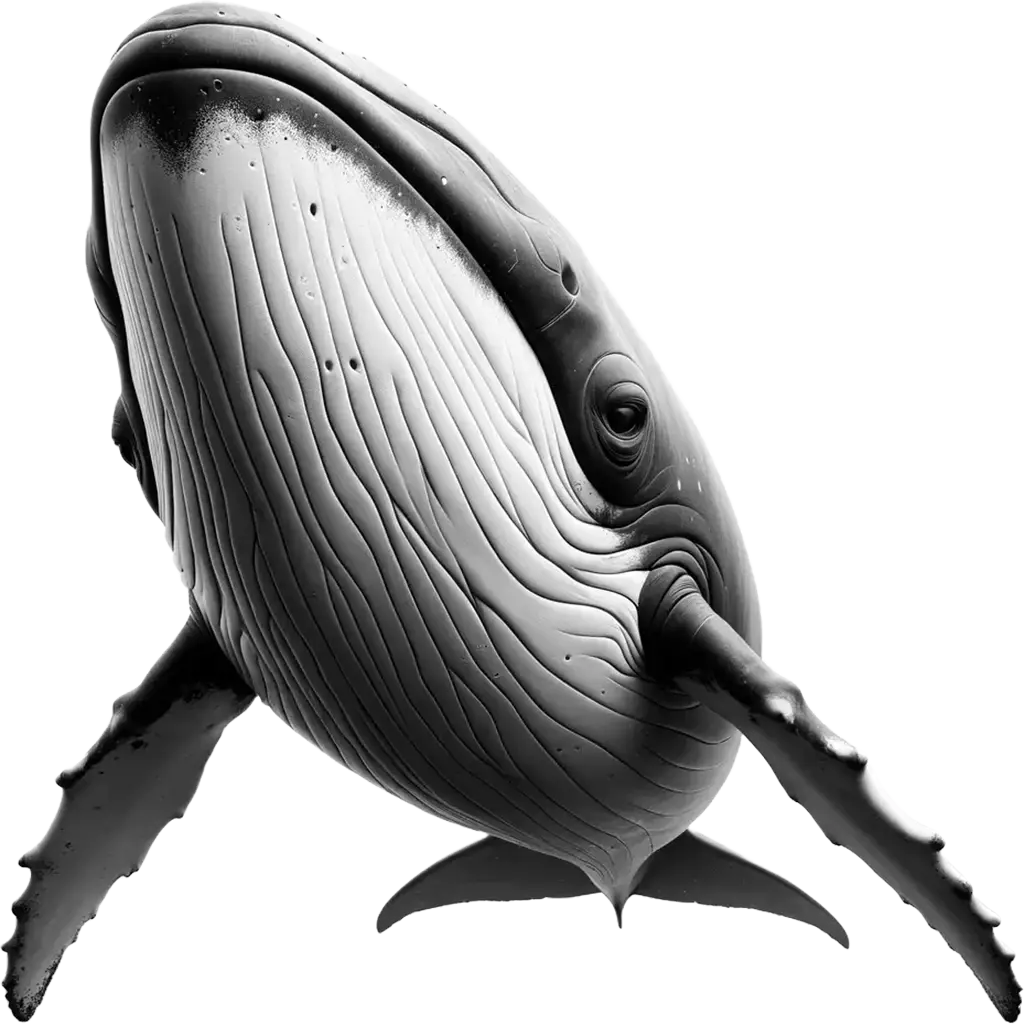
Eubalaena Australis
Southern Right Whale
Oceanic, predominantly in the Southern Hemisphere's cold waters
The Southern Right Whale, eubalaena australis, is a large baleen whale known for its distinctive body shape, broad back without a dorsal fin, and callosities on its head. This species can reach lengths of up to 18 meters and weigh as much as 80 tons, with females generally larger than males. Their skin is predominantly black, though some individuals have white patches on their bellies. The callosities, unique to each whale, are rough patches of skin that appear white due to infestation by whale lice and barnacles, serving as natural identification marks.
| Population: | Listed as Least Concern, but populations are recovering from historic whaling |
| Generation Length: | 20 years |
| Average Weight: | Up to 80,000 kg |
| Average Length: | 14-18 meters |
| Lifespan: | 50-70 years in the wild |
| Diet: | Filter feeder, consuming large amounts of plankton and krill |
| Conservation Status: | Least Concern (LC) |
Southern Right Whales inhabit the southern hemisphere's cold and temperate waters, migrating annually from their high-latitude feeding grounds near Antarctica to warmer coastal waters for breeding and calving. These whales are known for their surface-active behaviors, including breaching, tail slapping, and 'sailing' with their flukes above the water, making them a favorite among whale watchers.
The diet of the Southern Right Whale consists almost exclusively of small crustaceans called copepods and krill. They feed by swimming slowly through swarms of their prey with their mouths open, filtering food through their long baleen plates. This feeding strategy allows them to consume vast amounts of plankton during the feeding season, sustaining them through the breeding season when they eat little or nothing.
Reproduction in Southern Right Whales involves a gestation period of approximately 12 months, with females typically giving birth to a single calf in the warmer waters where they have migrated for the winter. The calves are about 6 meters long at birth and are nursed by their mothers for the first few months of life, during which they grow rapidly.
The population of the Southern Right Whale is currently classified as Least Concern, but they were once near extinction due to whaling. Strict international protection since the mid-20th century has allowed their numbers to increase, but they still face threats from entanglement in fishing gear, ship strikes, and pollution. Conservation efforts continue to focus on protecting their habitats, monitoring populations, and enforcing regulations to ensure the continued recovery of this majestic species.
Classifications
The Key Attributes
Features
- Movement:
Swimming
- Territorial Behavior:
Not territorial, often seen in feeding and nursery grounds
- Speed:
Slow-moving, usually travels at speeds of 2-5 km/h
- Diet:
Carnivore
- Physical Features:
- Massive body with a broad back and no dorsal fin
- Large head with callosities on the skin
- Long baleen plates for filtering small prey from the water
- Flippers are broad and paddle-shaped
- Primary Senses:
- Hearing
- Touch
Understanding Habitat and Range
Geography
- Habitat:
Oceanic, predominantly in the Southern Hemisphere's cold waters
- Migration Patterns:
Migratory, breeding in warmer waters and feeding in colder, polar waters
- Geographical Range:
Circumpolar distribution in the southern hemisphere, from Antarctica to the southern parts of Africa, Australia, and South America
- Climate Preferences:
Prefers cold waters for feeding and warmer waters for breeding
Navigating the Wilderness
In the wild
- Predators:
Predation is rare but includes large sharks and orcas for young whales
- Prey:
Krill, copepods, and other small marine organisms
- Feeding Behavior:
Feeds on plankton, krill, and small fish by filter feeding
- Diet:
Filter feeder, consuming large amounts of plankton and krill
- Defensive Mechanisms:
- Size and strength to deter predators
- Social behaviors for protection, especially for calves
- Preferred Food Sources:
- Rich, cold waters abundant in plankton and krill
Insights Into Reproduction
Mating
- Mating System:
Polygynous
- Number of Offspring:
1 calf
- Gestation Period:
About 12 months
- Parental Involvement:
- High, with mothers caring for their calves for at least one year, often longer
Youngsters Section
Southern Right Whale
Fun Fact
Southern Right Whales can weigh up to 60 tons and measure around 55 feet in length.
They are known for their callosities, which are rough, white patches of skin on their heads. These unique features help researchers identify individual whales. Southern Right Whales have a distinct V-shaped blow and lack a dorsal fin, making them easily recognizable in the ocean.

Download word search puzzles
Word Search Puzzles


Check Out Other Mammals

The Sea Otter is a marine mammal known for its dense fur, which is the thickest of any animal, with up to a million hairs per square inch. This fur provides essential insulation, as they lack blubber like other marine mammals. They are highly adapted to aquatic life, with webbed
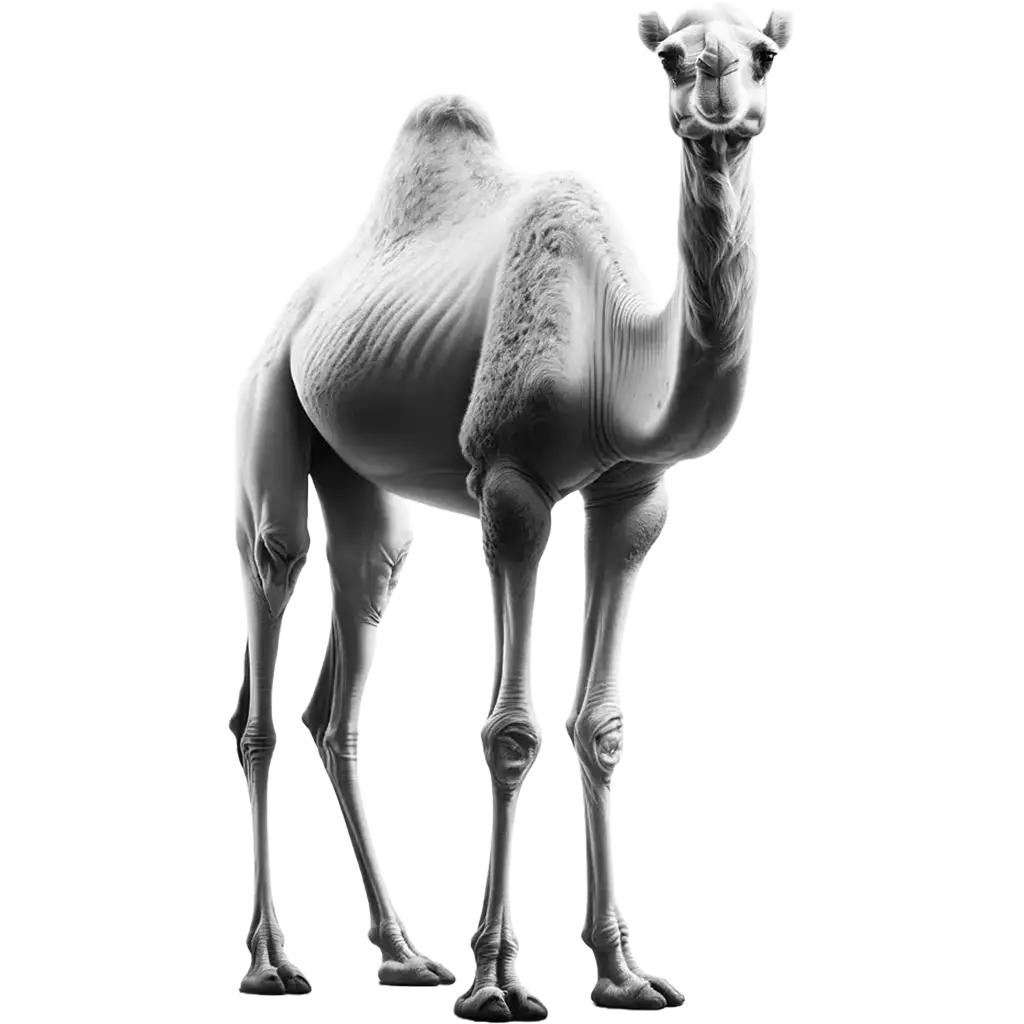
The Dromedary, camelus dromedarius, is an iconic animal of the desert, easily recognized by its single large hump on its back. This hump is a reservoir of fatty tissue, which the camel can convert into water and energy, enabling it to endure long periods without food or water. Adult dromedaries

The Giant Anteater, myrmecophaga tridactyla, is an easily recognizable mammal known for its elongated snout, bushy tail, and distinctive black and white shoulder stripes. Adults can grow up to 2.1 meters (7 feet) in length, including the tail, and weigh between 18 to 39 kilograms (40 to 86 pounds). Their
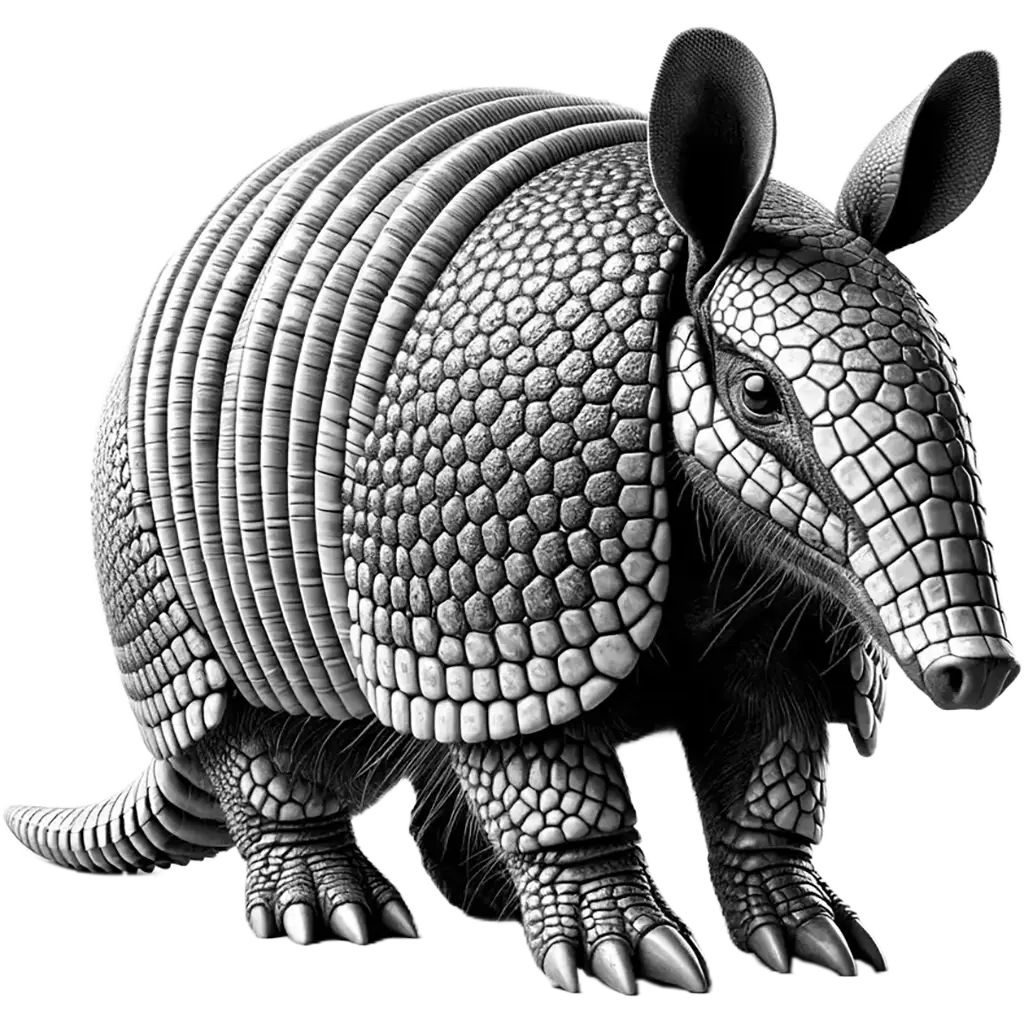
The Nine-Banded Armadillo, Dasypus novemcinctus, is a medium-sized mammal known for its distinctive armor-like shell, consisting of flexible, bony plates that cover its back, sides, head, and tail. This unique adaptation provides protection against predators. Adult armadillos typically measure between 38 to 58 centimeters in body length, with a 26