Sus Scrofa
Wild Boar
Diverse, including forests, grasslands, marshes, and agricultural areas
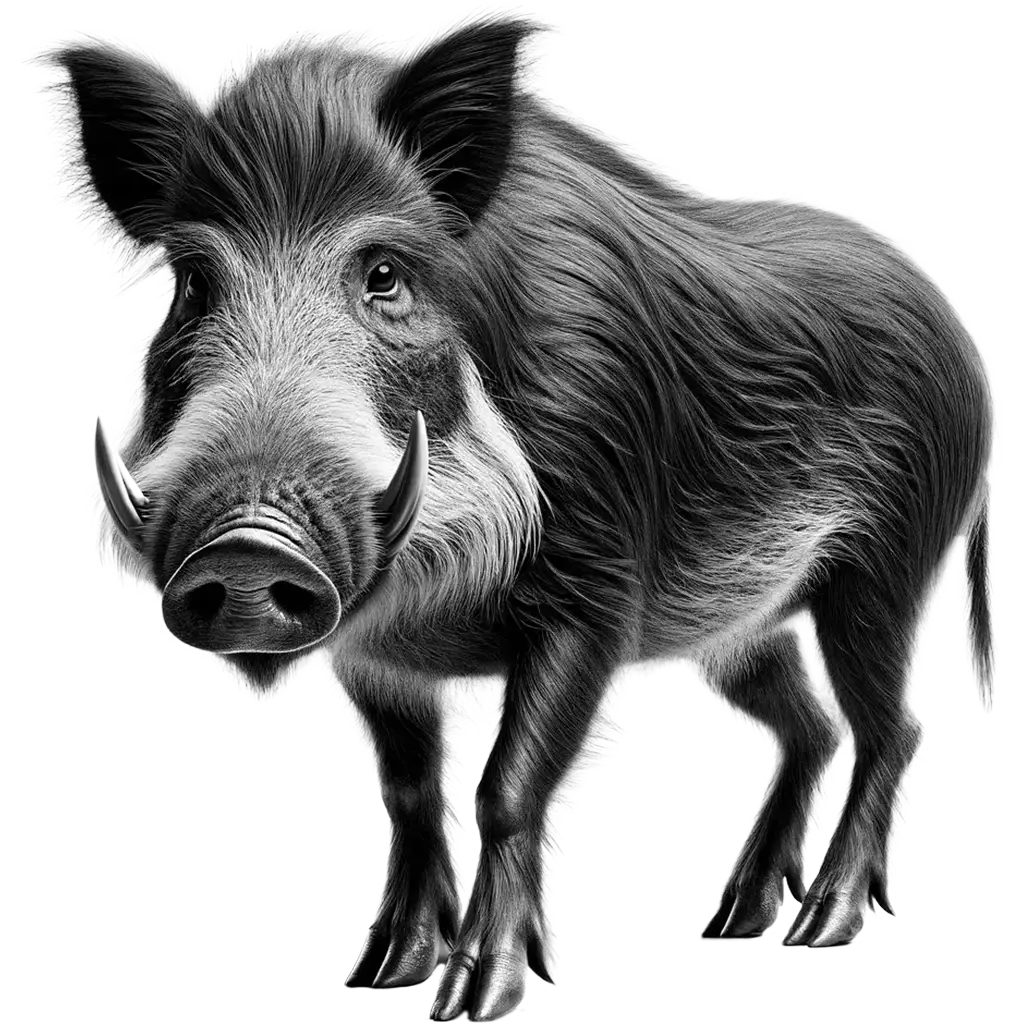
The Wild Boar, sus scrofa, is a large, robust animal characterized by its thick, bristly coat, ranging in color from dark grey to brown or black. Males are distinguished by their larger size and prominent tusks, which protrude from the sides of their mouth and curve upwards. These tusks, along with a relatively long snout, muscular body, and short, thick legs, give the Wild Boar a formidable appearance. Adults can vary significantly in size, with some males exceeding 200 kg, showcasing the species' adaptability to various environments.
| Population: | Widely distributed and abundant, considered as Least Concern, but some local populations may be at risk |
| Generation Length: | 5-6 years |
| Average Weight: | 50-150 kg, can exceed 200 kg in some cases |
| Average Length: | 90-200 cm in body length, with a shoulder height of 55-110 cm |
| Lifespan: | 10-20 years in the wild |
| Diet: | Omnivorous, with a diet consisting of both plant and animal matter |
| Conservation Status: | Least Concern (LC) |
Wild Boars exhibit highly adaptable and opportunistic habits, thriving in diverse habitats including forests, agricultural lands, and even suburban areas. They are primarily nocturnal, using the cover of darkness to forage and avoid predators. Social structures vary, with females (sows) and their offspring forming matriarchal groups, while adult males tend to be more solitary or form small bachelor groups. Seasonal migrations can occur in response to food availability and environmental conditions, demonstrating their remarkable ability to navigate and exploit different landscapes.
The diet of the Wild Boar is omnivorous, allowing them to consume a wide range of food sources. This includes roots, tubers, fruits, seeds, and crops, as well as small mammals, birds, reptiles, and invertebrates. Such dietary flexibility enables them to inhabit a broad array of ecosystems and contributes to their role in shaping vegetation patterns and facilitating seed dispersal. However, their foraging behavior can lead to conflicts with human agricultural interests.
Reproduction in Wild Boars is notably prolific. Sows can give birth to one to two litters per year, each consisting of 4 to 6 piglets, although litters of up to 12 are not uncommon. This high reproductive rate is facilitated by the sow's ability to breed at a young age and the species' lack of natural predators in many regions. Mating seasons vary by geographical location but generally occur in late fall or early winter.
The population of the Wild Boar has been expanding in many parts of the world, leading to its classification as a species of least concern. However, this population growth has also intensified human-Wild Boar conflicts, particularly in agricultural regions where boars are considered pests. Despite being hunted for sport and culled for crop protection, their numbers remain robust, underlining the need for effective management and conservation strategies to balance human interests with ecological integrity.
Classifications
The Key Attributes
Features
- Movement:
Walking, running, swimming
- Territorial Behavior:
Social, forming groups called sounders, although older males can be solitary
- Speed:
Can run up to 40 km/h (25 mph) over short distances
- Diet:
Omnivore
- Physical Features:
- Robust body with a large head and short legs
- Coarse bristle-like fur with longer mane hair on the back
- Tusks that protrude from the mouth, used for digging and defense
- Good sense of smell, but relatively poor vision
- Primary Senses:
- Smell
- Hearing
- Sight
Understanding Habitat and Range
Geography
- Habitat:
Diverse, including forests, grasslands, marshes, and agricultural areas
- Migration Patterns:
Non-migratory, but will roam widely in search of food
- Geographical Range:
Native to Eurasia and North Africa, extensively introduced to other regions such as the Americas and Australia
- Climate Preferences:
Adaptable to a wide range of climates from temperate to tropical environments
Navigating the Wilderness
In the wild
- Predators:
Wolves, bears, and large cats in their native habitats
- Prey:
Small mammals, reptiles, insects, and plant material
- Feeding Behavior:
Forages for a wide range of food including roots, fruits, small animals, and carrion
- Diet:
Omnivorous, with a diet consisting of both plant and animal matter
- Defensive Mechanisms:
- Using tusks for defense
- Aggressive behavior when cornered or threatened
- Thick skin reduces injury from predators and underbrush
- Preferred Food Sources:
- Varied diet allows them to adapt to available food sources in their environment
Insights Into Reproduction
Mating
- Mating System:
Polygynous
- Number of Offspring:
4-6 piglets on average, but can be up to 12 or more in some cases
- Gestation Period:
Approximately 115 days
- Parental Involvement:
- Sows care for the piglets, with weaning occurring at 3-4 months of age
Youngsters Section
Wild Boar
Fun Fact
Wild boars are highly adaptable animals found across Europe, Asia, and parts of Africa.
They can thrive in diverse habitats, from dense forests to grasslands. Known for their intelligence, wild boars are skilled foragers, using their snouts to dig for roots, bulbs, and insects. This adaptability contributes to their widespread presence and success in various environments.

Download word search puzzles
Word Search Puzzles
Check Out Other Mammals
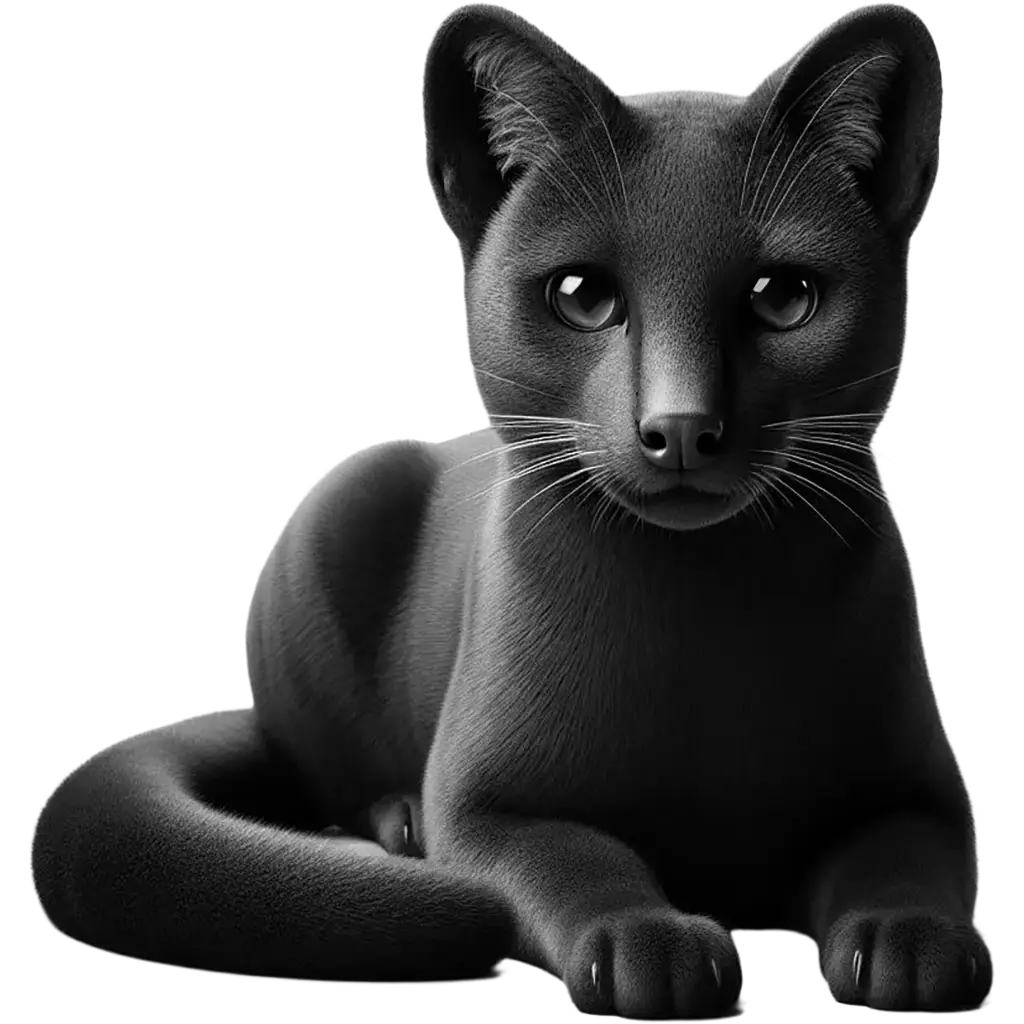
The Fossa, cryptoprocta ferox, is a unique and elusive carnivore native to Madagascar, often described as a 'cat-like' predator despite its closer genetic ties to mongooses and civets. This apex predator of the Malagasy forests stands as the largest mammalian carnivore on the island, with adults measuring up to 80

The Grizzly Bear, ursus arctos horribilis, is a formidable subspecies of the brown bear, residing primarily in the forests, mountains, and tundras of North America, particularly in Alaska, western Canada, and parts of the northwestern United States. Characterized by its distinctive hump on its back—a result of powerful muscles used
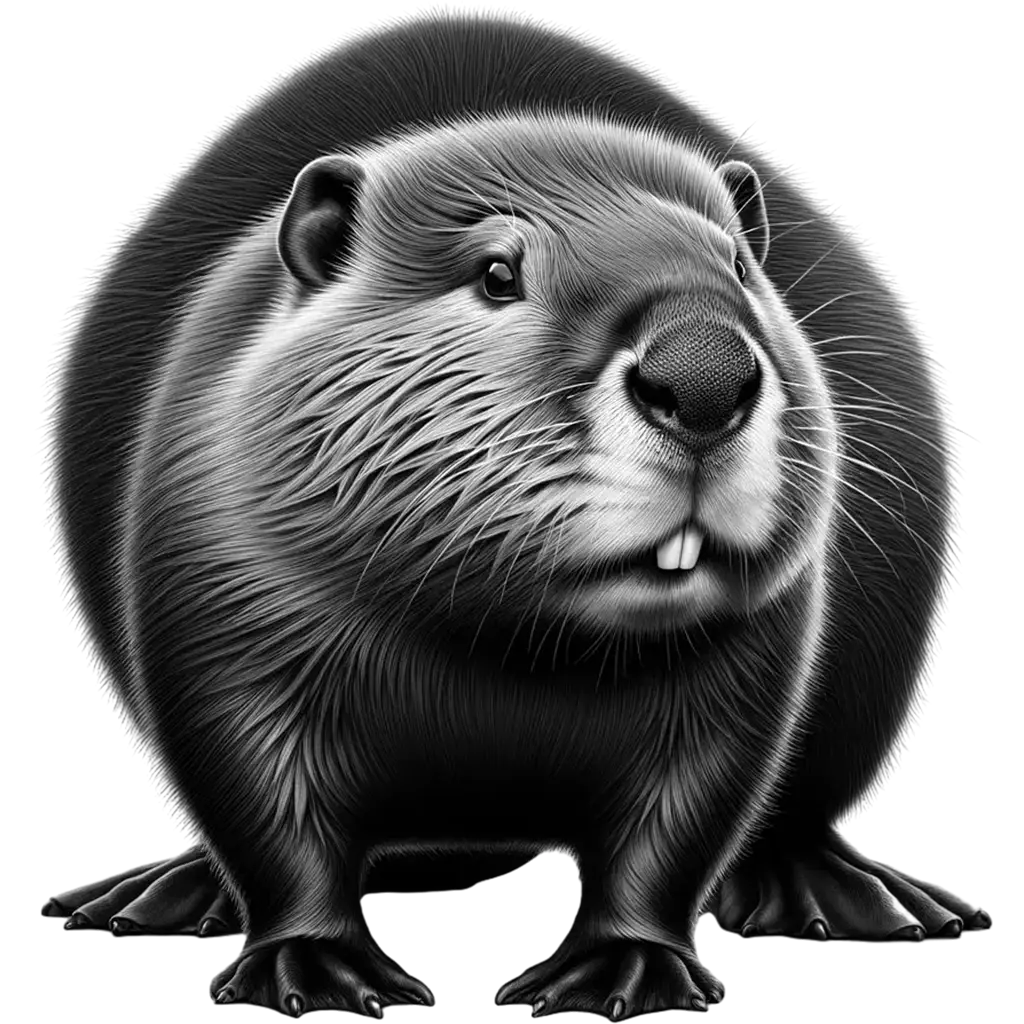
The Eurasian Beaver, castor fiber, is a large, primarily nocturnal, semi-aquatic mammal native to Europe and parts of Asia. This species is one of the two extant beaver species, alongside the North American beaver (Castor canadensis). Eurasian Beavers typically weigh between 11 to 30 kilograms (24 to 66 pounds), with
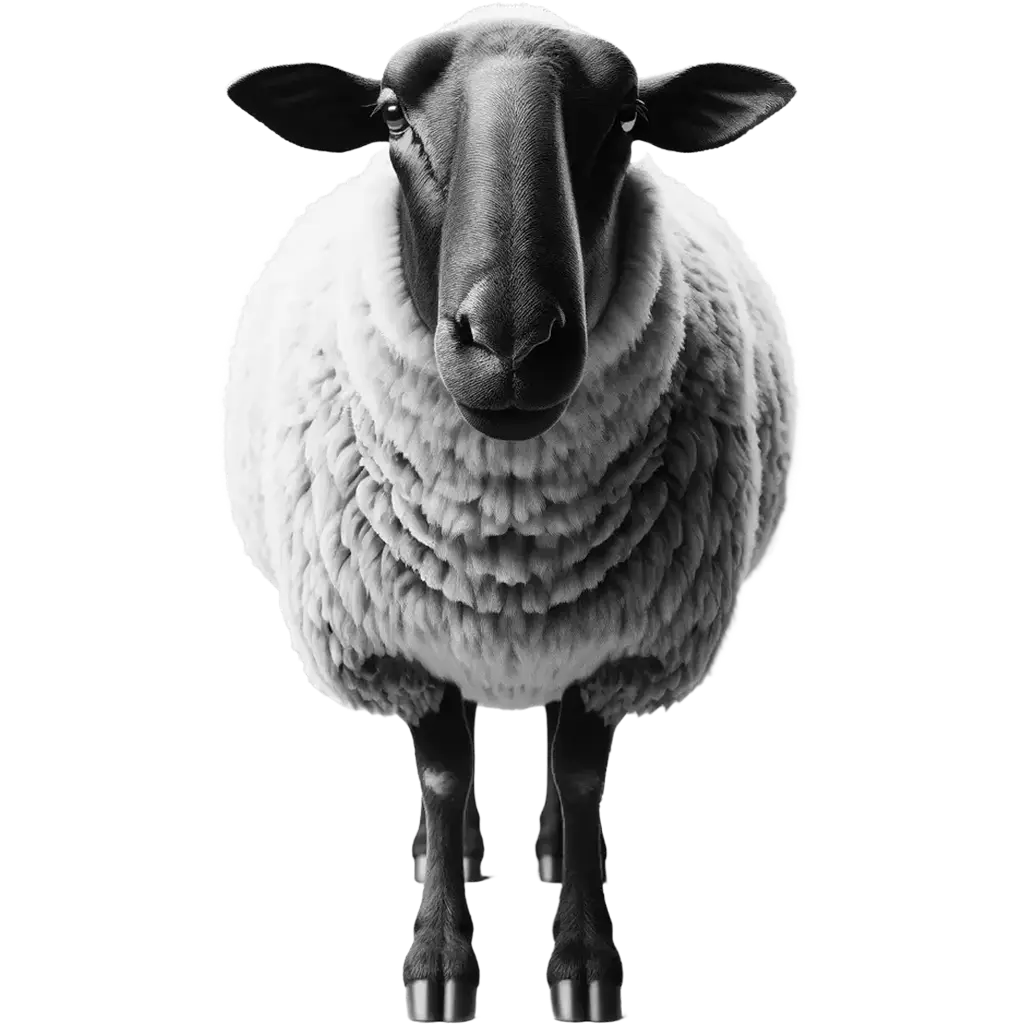
The Domestic Sheep, ovis aries, is a key livestock species that has been domesticated for thousands of years, playing an integral role in agriculture and human society. Adult sheep typically weigh between 45 to 160 kg, depending on the breed, sex, and age, with males (rams) usually larger than females