
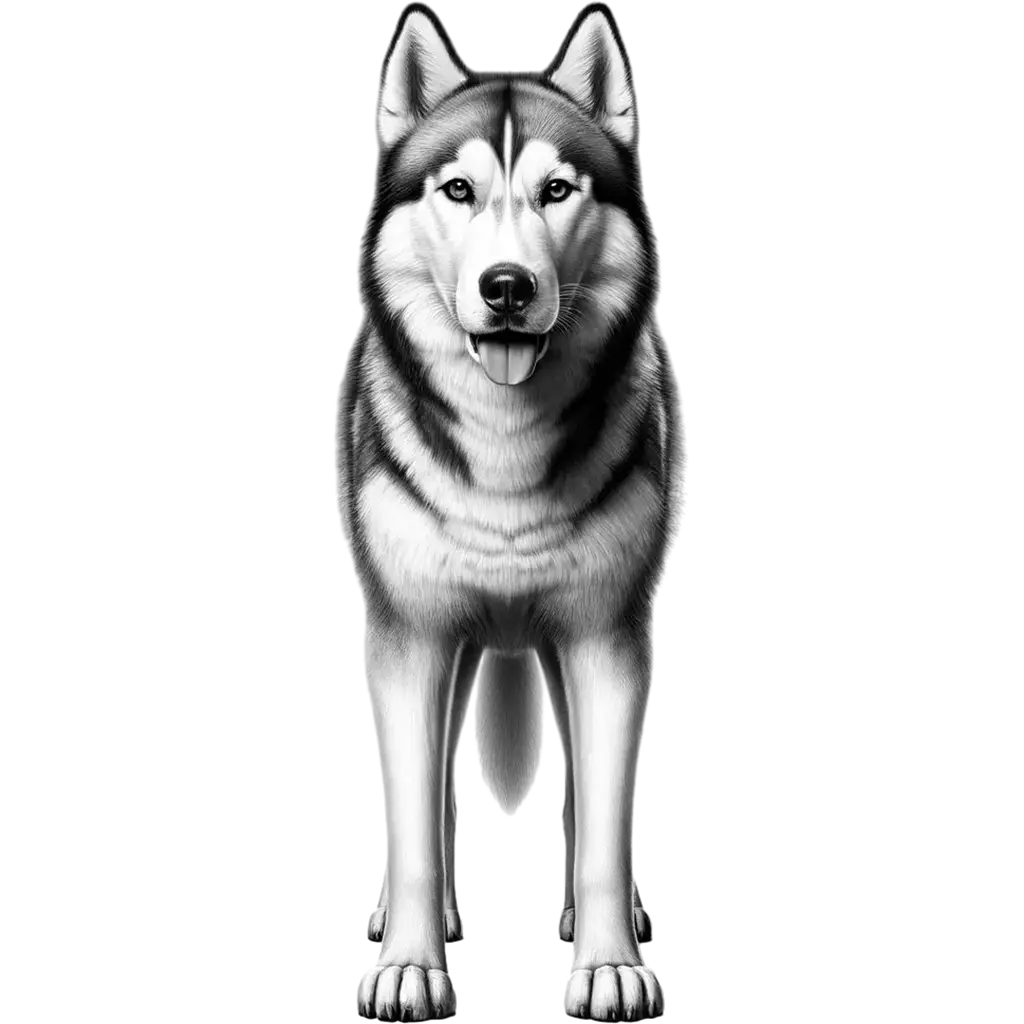
Canis Lupus
Siberian Husky
Adaptable to various environments, originally bred in cold climates
The Siberian Husky, a medium-sized working dog breed, is renowned for its endurance and willingness to work. Originating from Siberia, these dogs were bred by the Chukchi people for sled pulling and companionship. Siberian Huskies have a striking appearance, characterized by their thick double coat, erect triangular ears, and distinctive markings. Their coat colors vary widely from black to pure white, with many dogs displaying a range of patterns and shades in between, including grey, red, and agouti. The most captivating features are perhaps their eyes, which can be blue, brown, amber, or any combination thereof, including being parti-eyed or bi-eyed.
| Population: | Widely bred and not considered endangered |
| Generation Length: | 5 years |
| Average Weight: | 20-27 kg |
| Average Length: | Height at withers 50-60 cm |
| Lifespan: | 12-14 years |
| Diet: | Primarily meat-based diet, with some adaptations to include commercial dog foods and grains |
| Conservation Status: | Not Evaluated (NE) |
Siberian Huskies are known for their friendly and gentle temperament but also possess a strong independent streak. They are highly energetic and enjoy regular, vigorous exercise. Originally bred for pulling sleds over long distances, these dogs are happiest when active and involved in family activities. Their sociable nature makes them poor guard dogs but excellent companions. Huskies are known for their escape artist tendencies, often outsmarting containment measures with their intelligence and agility.
The diet of the Siberian Husky should be nutritionally balanced and appropriate for their high energy levels. Traditionally, these dogs were fed a high-fat, high-protein diet to sustain them in harsh Arctic conditions. Modern feeding practices can include high-quality commercial dog food or a carefully managed raw diet, taking into account the dog's age, weight, and activity level.
Siberian Huskies have a relatively easy breeding pattern, with females typically giving birth to litters of 4 to 6 puppies. These dogs mature at about 12 to 24 months of age, though they retain their playful demeanor well into adulthood. Responsible breeding practices are important to maintain the health and vitality of the breed, with a focus on screening for genetic conditions like hip dysplasia and eye disorders.
The population of Siberian Huskies is stable, with the breed enjoying popularity worldwide. They are admired not only for their beauty and athleticism but also for their history and contribution to human lives in Arctic regions. Huskies thrive in environments where they can receive ample exercise and attention, making them well-suited to active families. Conservation efforts for the breed focus on promoting responsible ownership and breeding practices to ensure the health and welfare of these remarkable dogs.
Classifications
The Key Attributes
Features
- Movement:
Running, walking
- Territorial Behavior:
Pack-oriented, social with strong hierarchy
- Speed:
Capable of high speed, particularly in running over long distances
- Diet:
Carnivore
- Physical Features:
- Medium-sized build with a dense double coat
- Erect triangular ears and distinctive facial markings
- Bushy tail and strong, compact limbs
- Variety of eye colors, including blue, brown, or heterochromia
- Primary Senses:
- Sight
- Hearing
- Smell
Understanding Habitat and Range
Geography
- Habitat:
Adaptable to various environments, originally bred in cold climates
- Migration Patterns:
Non-migratory, but can be relocated by owners globally
- Geographical Range:
Originally from Siberia; now found worldwide due to domestication
- Climate Preferences:
Originally bred for cold climates but can adapt to various conditions
Navigating the Wilderness
In the wild
- Predators:
Not applicable due to domestication
- Prey:
Not applicable
- Feeding Behavior:
Domesticated diet typically includes commercially prepared dog food or controlled raw diets
- Diet:
Primarily meat-based diet, with some adaptations to include commercial dog foods and grains
- Defensive Mechanisms:
- Social structure and pack behavior for defense
- Alertness and vocalization to warn of threats
- Preferred Food Sources:
- Domestic feeding environments provided by human caretakers
Insights Into Reproduction
Mating
- Mating System:
Managed breeding in domestic settings
- Number of Offspring:
4-6 puppies
- Gestation Period:
Approximately 63 days
- Parental Involvement:
- Care provided by the human owner; natural maternal care from the female
Youngsters Section
Siberian Husky
Fun Fact
Siberian Huskies are known for their striking blue eyes and remarkable endurance.
Originally bred by the Chukchi people of Siberia, these dogs have a rich history of pulling sleds over vast icy terrains. Their thick double coat keeps them warm in sub-zero temperatures, and their friendly nature makes them great companions. They are also known for their howling rather than barking.

Download word search puzzles
Word Search Puzzles


Check Out Other Mammals
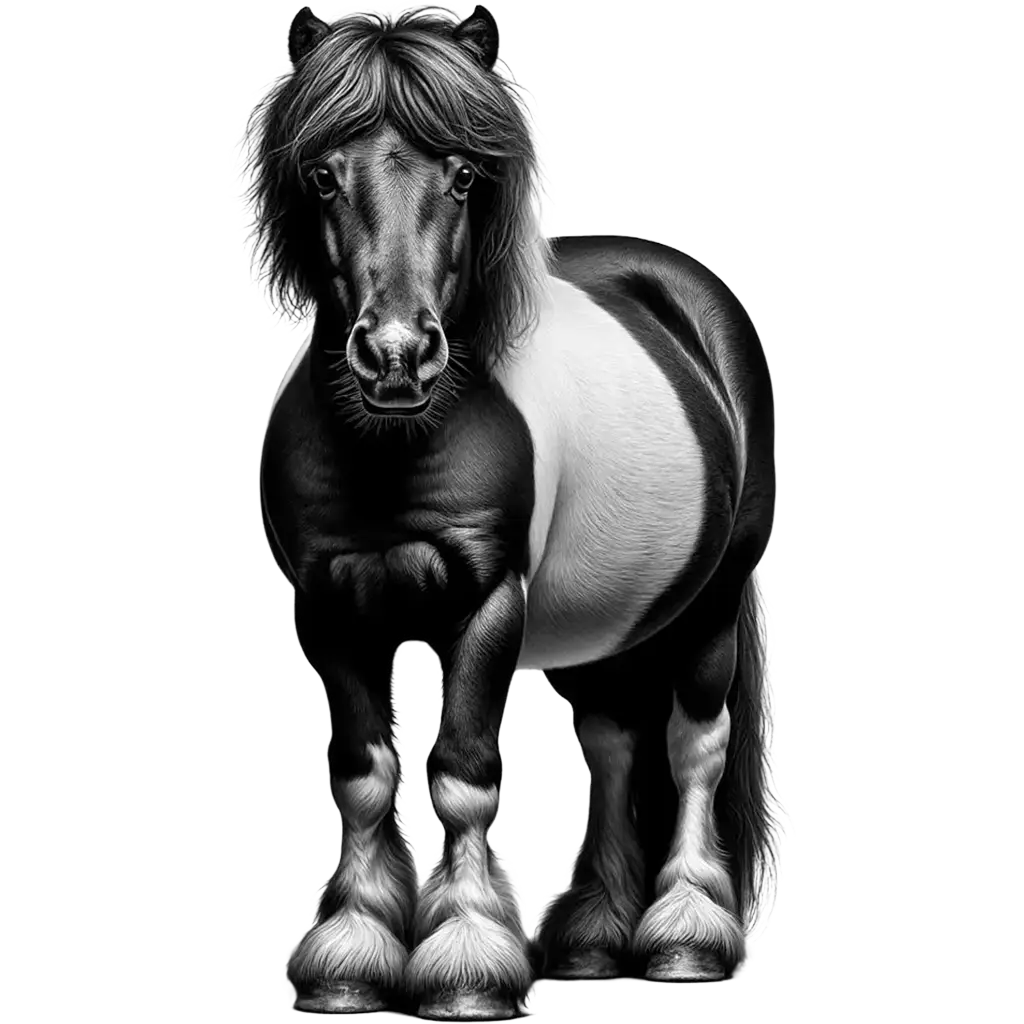
The Shetland Pony, native to the Shetland Isles located northeast of mainland Scotland, is one of the smallest pony breeds in the world. Despite their small stature, typically standing no more than 102 cm (40 inches) at the withers, Shetland Ponies are known for their strength, hardiness, and friendly disposition.

The Koala, phascolarctos cinereus, is an iconic marsupial native to Australia, instantly recognizable by its stout, tailless body; large, fluffy ears; and a large, spoon-shaped nose. Adults can vary significantly in size depending on their geographic location, with northern populations being smaller (about 5 to 8.5 kg or 11 to
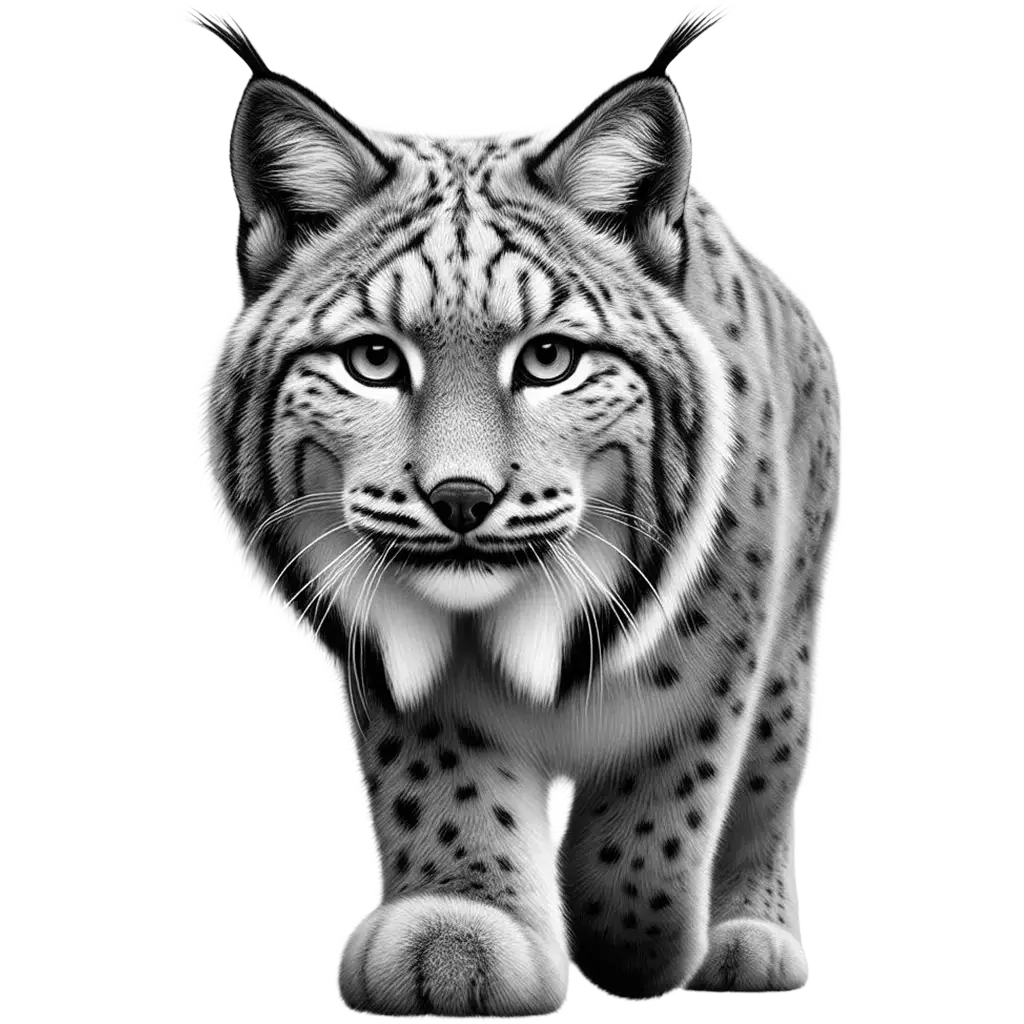
The Canada lynx, lynx canadensis, is a medium-sized wildcat native to North America, primarily found in the boreal forests of Canada and Alaska, with smaller populations extending into the northern United States. Characterized by its thick fur, prominent ear tufts, and large, padded paws that act as natural snowshoes, the
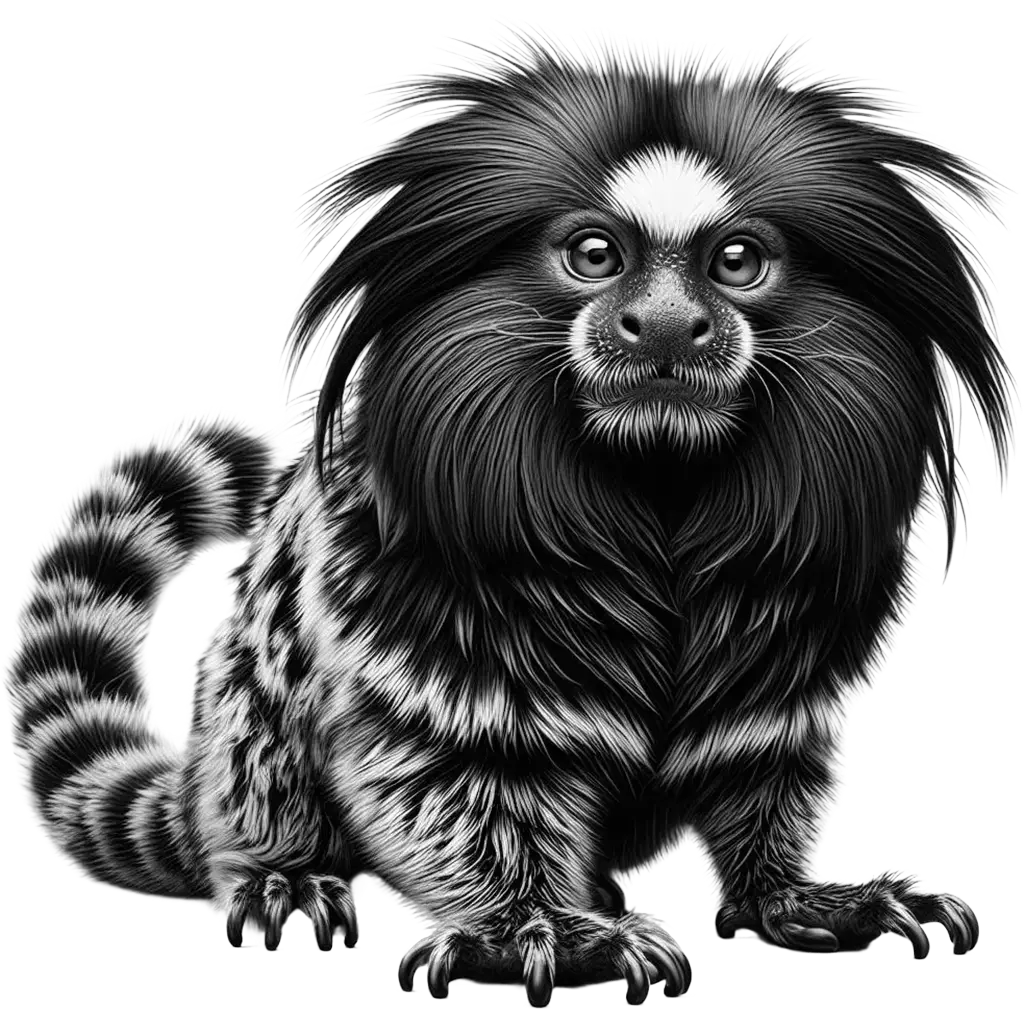
The Common Marmoset, callithrix jacchus, is a small, vivacious primate native to the northeastern regions of Brazil. Characterized by its diminutive size, adults typically weigh between 150 to 400 grams and measure around 18 to 28 centimeters in body length, with a tail that can extend up to 25 to